Author

Sam

Browsing

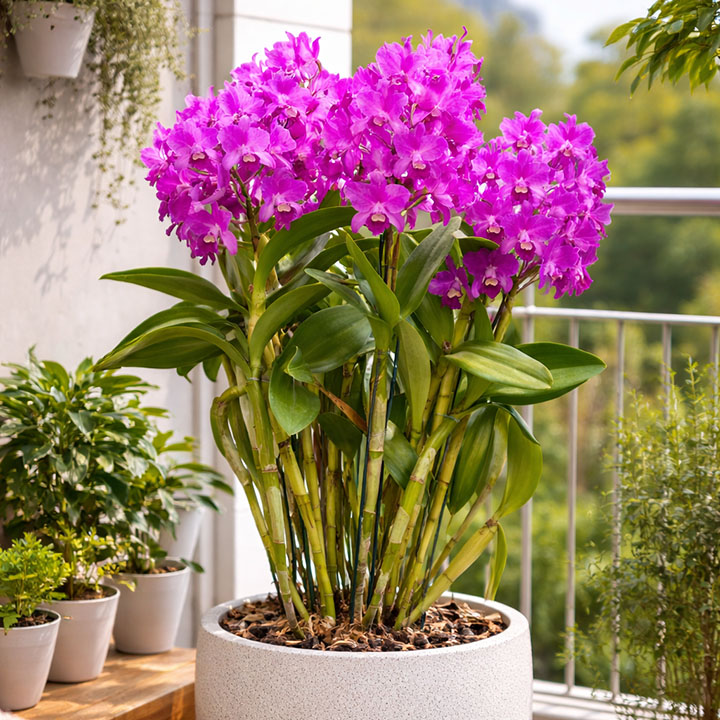
Orchids can do beautifully on Australian balconies when you match the plant to your light, temperature, and wind conditions. Many people think orchids are fragile indoor plants, but plenty of orchids are tough enough for balcony life if they are protected from harsh afternoon sun, drying winds, and waterlogged pots. With the right setup, you can enjoy long flowering displays, lush foliage, and a balcony that feels calm, green, and a little bit tropical.

This guide covers how to grow orchids on a balcony in Australia, including the best orchid types, potting advice, watering, feeding, seasonal care, and tips for major Australian cities and climates.
Why Orchids Work Well on Balconies

Balconies often provide exactly what many orchids like: bright filtered light, good airflow, protection from garden pests, and a controlled growing space. Unlike plants that need deep garden soil, orchids are happy in pots, hanging baskets, mounted displays, or slatted containers. That makes them ideal for apartment living.

They are especially useful for balcony gardeners who want elegant flowers without filling every corner with bulky shrubs or large containers. Orchids also pair well with ferns, trailing plants, and shade-loving foliage, so they fit into both lush tropical balcony styles and clean minimalist spaces.

Best Orchids for Australian Balconies

Not every orchid suits every balcony. The best choice depends on your local climate and how much light your balcony gets.

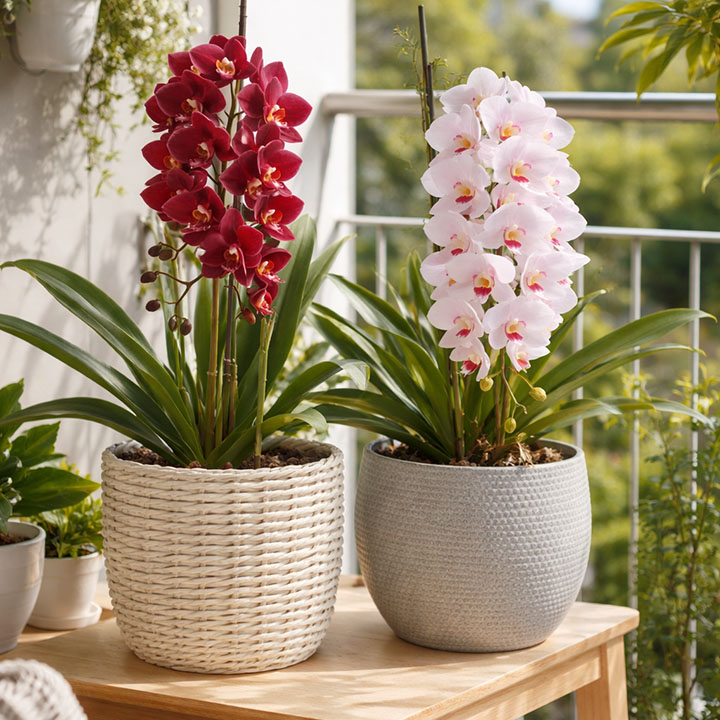
  • Phalaenopsis (Moth Orchid): Best for sheltered balconies with bright indirect light. Great for apartments and beginners.
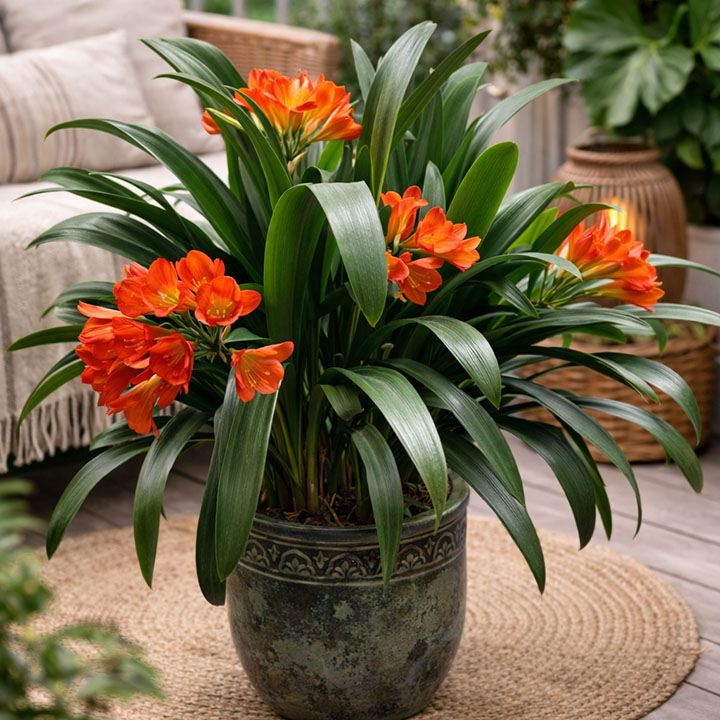
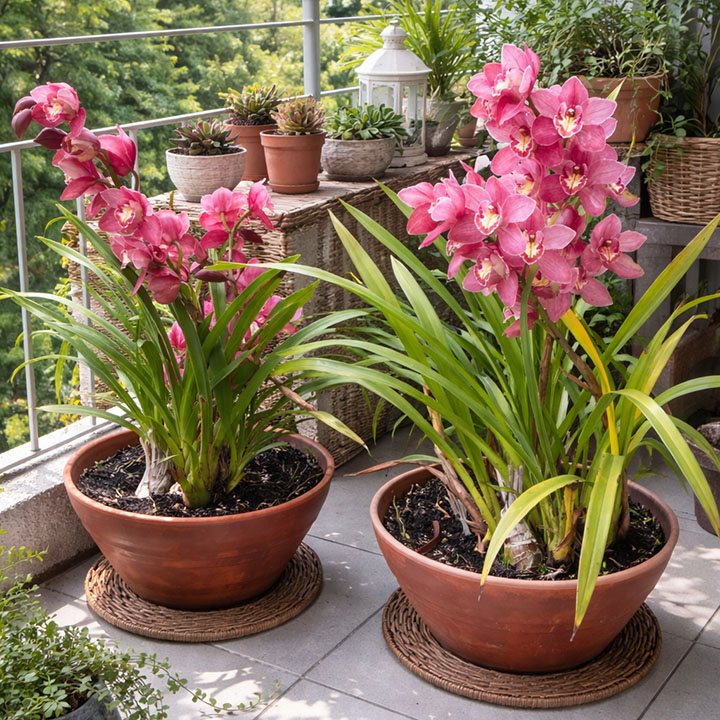
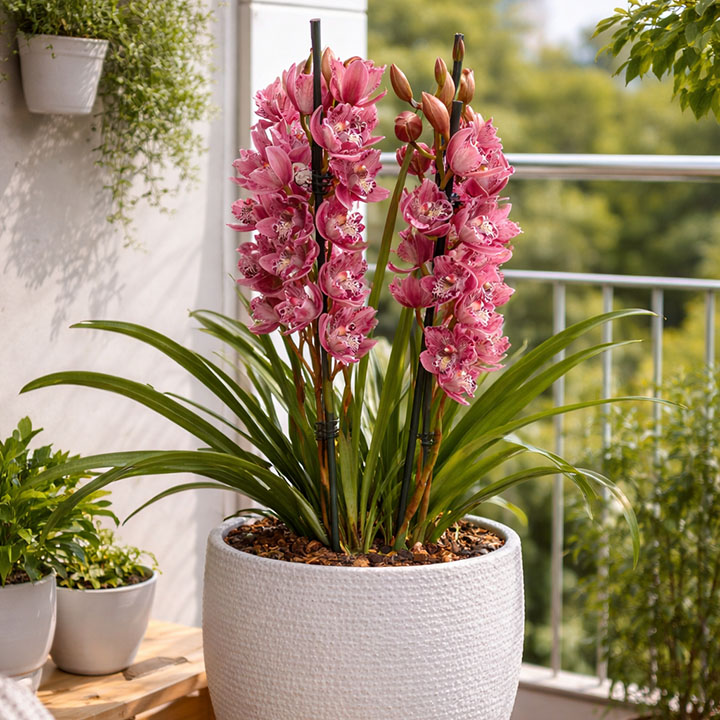
  • Cymbidium: Excellent for cooler cities and balconies with bright light. Known for large flower spikes and strong performance outdoors.
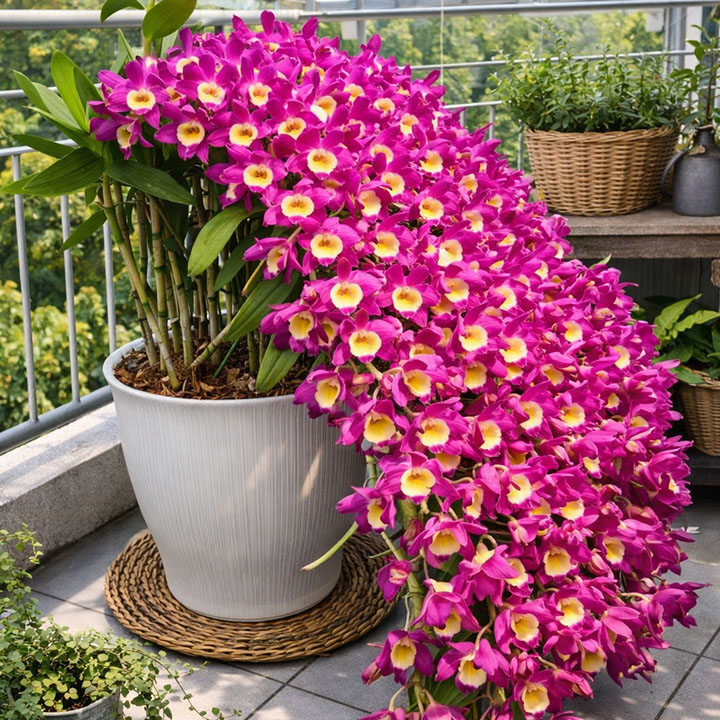
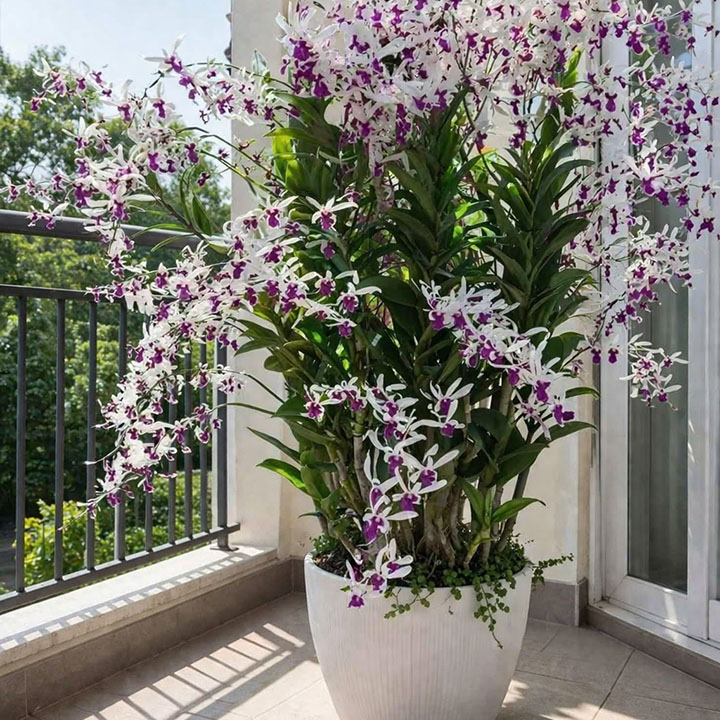
  • Dendrobium: A broad group, with many varieties suited to Australian conditions. Some are especially good for warm, bright balconies.
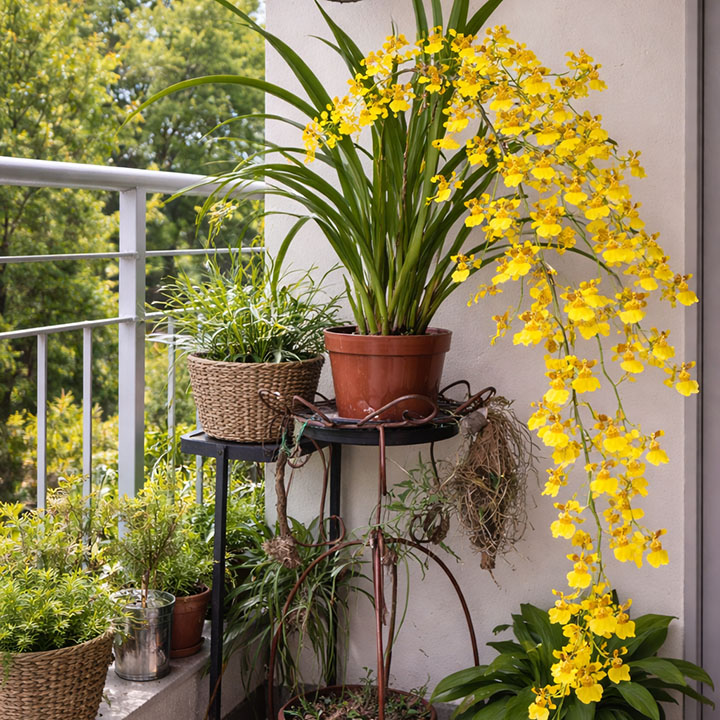
  • Oncidium: Good for bright filtered light and appreciated for sprays of smaller flowers.
  • Cattleya: Loves bright light and rewards growers with large, fragrant blooms, but needs protection from harsh heat and drying wind.
  • Australian native orchids: Some natives and native-related types can suit balcony growing, especially for gardeners wanting a more local planting style.
Choosing the Right Balcony Position

Light is the most important factor in orchid growing. Most orchids need bright light, but not the intense direct western sun that can scorch leaves on exposed balconies.

  • East-facing balconies: Usually ideal. Gentle morning sun and bright light suit many orchids.
  • North-facing balconies: Can work very well in southern Australia, but some shading may be needed in summer.
  • South-facing balconies: Often suitable for shade-loving orchids, especially Phalaenopsis, but flowering may be reduced if the position is too dark.
  • West-facing balconies: The trickiest option. Afternoon heat can be intense, so use shade cloth, screening, or place orchids behind taller plants.

As a general rule, orchid leaves should look healthy and firm, not yellowed and scorched or very dark and floppy. Pale green leaves often suggest strong light, while very dark green leaves can indicate too little light for flowering.

Balcony Conditions Orchids Need

Light

Most balcony orchids prefer bright, filtered light. Direct morning sun is often welcome, while strong afternoon sun usually needs to be softened with a sheer screen, slatted shade, or nearby foliage.

Airflow

Orchids like fresh air, but not harsh wind. Balconies can become wind tunnels, especially in higher apartments. Strong wind can shred blooms, dry potting mix too quickly, and stress plants. Use lattice, glass balustrades, screens, or a sheltered corner to reduce wind exposure.

Humidity

Many orchids enjoy moderate humidity, but most will still grow well if watering and airflow are balanced properly. Grouping plants together, using pebble trays nearby, and surrounding orchids with other greenery can help create a gentler microclimate.

Drainage

Orchids hate sitting in soggy mix. Good drainage is essential. Always use orchid pots or containers with plenty of airflow and drainage holes, and never let pots sit in water after rain or watering.
Best Pots and Growing Setups

Orchids are different from most potted plants because they do not want regular potting soil. Their roots need both moisture and air.

  • Plastic orchid pots: Lightweight and practical, especially inside decorative outer pots.
  • Slotted orchid pots: Excellent for airflow around roots.
  • Terracotta pots: Useful in humid climates because they dry faster, but may need more frequent watering.
  • Hanging baskets: Great for some orchids that enjoy excellent drainage and airflow.
  • Mounted orchids: Best for experienced growers or humid balconies, as they dry quickly.

Use a proper orchid mix, usually based on bark, coarse perlite, coconut husk chips, charcoal, or similar free-draining materials. Avoid standard potting mix.

How to Water Orchids on a Balcony

Watering orchids on a balcony is about balance. They should not stay wet for too long, but they also should not dry out completely for extended periods, especially in warm, breezy weather.

How often you water depends on the orchid type, pot size, potting mix, season, and local climate. A balcony in Brisbane behaves very differently from one in Hobart or Melbourne.

  • Water in the morning where possible.
  • Let excess water drain away fully.
  • Do not leave water sitting in the crown of Phalaenopsis orchids.
  • Check the potting mix before watering again.
  • Reduce watering in cool weather or during slower growth periods.

A good approach is to water thoroughly, then allow the mix to become only slightly dry before watering again. In hot weather, this may mean a few times a week. In cool weather, it may be much less frequent.

Feeding Orchids

Orchids are not heavy feeders, but they benefit from regular light feeding during active growth. Use a liquid orchid fertiliser or a balanced fertiliser diluted to a weak strength.

  • Feed lightly every 2 to 4 weeks during the growing season.
  • Reduce feeding in winter for slower-growing orchids.
  • Flush pots occasionally with plain water to help prevent salt build-up.

Too much fertiliser can damage roots and cause weak, soft growth, so weak and regular is better than strong and occasional.
Repotting Orchids

Most orchids need repotting every 1 to 3 years, depending on the mix and the plant. Bark-based mixes break down over time, hold more water, and reduce airflow around the roots.

Signs an orchid may need repotting include:

  • Potting mix breaking down into small particles
  • Roots rotting or smelling sour
  • The plant becoming unstable in its pot
  • Water rushing straight through without soaking the mix properly
  • Roots badly overcrowding the container

The best time to repot is usually after flowering or when new root growth begins.

Seasonal Care for Australian Balcony Gardeners

Summer

Heat, glare, and wind are the biggest summer challenges. Increase shade where needed, water more often, and watch for heat stress. Avoid letting orchids bake against hot walls or reflective glass.

Autumn

Autumn is often a lovely season for orchids on balconies. Temperatures ease, humidity can become more manageable, and many orchids settle into strong growth or spike formation. Keep monitoring light levels as the sun angle changes.

Winter

Winter care depends on your city. Reduce watering, protect orchids from cold winds, and move tender types closer to walls or under shelter if frost is possible. Some orchids, especially Cymbidiums, appreciate cooler conditions for flower initiation, but tropical orchids may need extra protection.

Spring

Spring is a great time to tidy plants, increase feeding, repot where needed, and prepare for faster growth. It is also a good time to assess whether your balcony position still suits the plant as the weather warms.
Growing Orchids in Different Australian Cities

Australia’s climates vary widely, so balcony orchid care should be adjusted to your local weather.

Sydney

Sydney’s mild coastal climate suits many orchids, especially if the balcony gets bright filtered light and some shelter from hot westerlies. Humidity can help tropical orchids, but airflow remains important to prevent rot during wetter spells.

Melbourne

Melbourne balconies often deal with rapid weather changes, cool winters, and drying wind. Cymbidiums do especially well, while Phalaenopsis and warmer-growing orchids need a more protected position. Avoid exposed windy corners and be careful with winter chill.

Brisbane

Brisbane’s warmth and humidity can be excellent for many orchids. The main risks are intense summer heat, heavy rain, and fungal problems if plants are overcrowded. Bright shade and free-draining setups work especially well here.

Perth

Perth balconies often face strong sun, dry air, and heat. Extra shade and attentive watering are important. Orchids must be protected from harsh afternoon exposure, and grouped planting can help create a friendlier microclimate.

Adelaide

Adelaide gardeners need to manage hot, dry summers and cooler winters. Positioning is critical. East-facing or well-shaded north-facing balconies are often best. Watch for heat stress during summer and reduce watering in colder months.

Canberra

Canberra’s colder winters mean tender orchids need careful protection. Cymbidiums can perform well, but tropical orchids may need to be brought into a brighter sheltered area during cold snaps. Frost exposure should be avoided.

Hobart

Hobart’s cooler conditions suit cold-tolerant orchids better than tropical ones. Bright light matters, especially in winter. A sheltered balcony with reflected warmth can help extend the range of orchids you can grow successfully.

Darwin

Darwin’s tropical climate can be excellent for warm-growing orchids, but wet-season rain, humidity, and heat require very good airflow. Protection from torrential rain and careful spacing between plants will help reduce disease pressure.
Common Problems When Growing Orchids on a Balcony

Leaves turning yellow

This may mean too much direct sun, especially on exposed balconies. Move the orchid to a position with softer light.

No flowers

Usually caused by insufficient light, feeding issues, or lack of seasonal temperature change. Review the plant’s position and care routine.

Root rot

Usually the result of poor drainage or overly broken-down potting mix. Repot into fresh orchid mix and reduce watering frequency.

Burnt leaves

Direct hot sun, especially late afternoon sun, can quickly scorch orchid foliage. Add shade or move the plant further back from the railing edge.

Bud drop

This can happen from sudden temperature changes, dry wind, underwatering, or stress after moving the plant. Keep conditions as stable as possible during budding and flowering.

Balcony Styling Ideas for Orchids

Orchids are not only rewarding to grow, they also look beautiful in small spaces. You can use them as feature plants rather than trying to fill every inch of the balcony with greenery.

  • Place a flowering orchid on an outdoor table as a focal point.
  • Group orchids with ferns and trailing plants for a tropical look.
  • Use hanging orchids in sheltered corners.
  • Pair white or pink orchids with terracotta pots and soft foliage for a calm, elegant style.
  • Create a dedicated orchid shelf against a protected wall with filtered light.
Final Thoughts

Growing orchids on a balcony in Australia is absolutely achievable. The key is to work with your local climate, your balcony aspect, and the needs of the orchid itself. Start with a suitable variety, protect it from the harshest conditions, use the right potting mix, and avoid overwatering. Once you find the right position, orchids can become some of the most rewarding plants in a balcony garden.

For many gardeners, orchids become addictive in the best possible way. One healthy plant quickly turns into a collection, and a sheltered balcony becomes a personal orchid retreat.

FAQ

Can orchids live outside on a balcony in Australia?

Yes, many orchids can live outside on a balcony in Australia, provided they are matched to the local climate and protected from harsh sun, strong wind, and poor drainage.

What is the easiest orchid to grow on a balcony?

Phalaenopsis is often the easiest for sheltered balconies with bright indirect light, while Cymbidium is one of the easiest for cooler climates and brighter outdoor positions.

Do orchids need direct sun on a balcony?

Most orchids prefer bright filtered light rather than harsh direct sun. Gentle morning sun can be helpful, but strong afternoon sun often causes leaf burn.

How often should I water balcony orchids?

It depends on the orchid type, weather, pot size, and mix. In warm weather you may water several times a week, while in winter it may be much less frequent. Always check the mix before watering again.

Can orchids survive wind on a balcony?

Light airflow is good, but strong wind is not. Wind can dry out roots, damage flowers, and stress plants. Use screens or sheltered positions to reduce exposure.

What potting mix should I use for orchids?

Use a dedicated orchid mix, usually made from bark and other coarse materials that drain freely and allow air around the roots. Do not use regular potting soil.

Which orchid is best for Melbourne or Canberra balconies?

Cymbidiums are often a strong choice for cooler southern cities. Tender tropical orchids can still be grown, but they usually need a warmer, more protected balcony position.

Can I grow orchids on a small apartment balcony?

Yes. Orchids are excellent for small balconies because they grow well in compact pots and can be displayed on shelves, tables, hanging baskets, or vertical stands.

Why are my orchid buds falling off before opening?

Bud drop is often caused by sudden changes in temperature, dry wind, inconsistent watering, or general stress. Keep the plant in a stable, sheltered position while buds develop.

Should I bring balcony orchids inside during winter?

In colder cities or during frost events, yes, some orchids should be moved into a brighter sheltered space. Others, like many Cymbidiums, tolerate cool weather better but still should not be left in damaging frost.
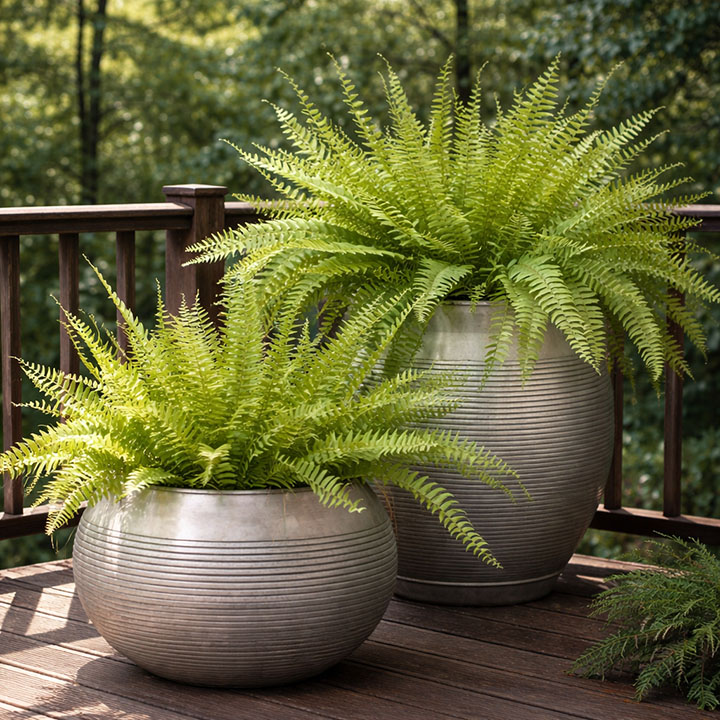
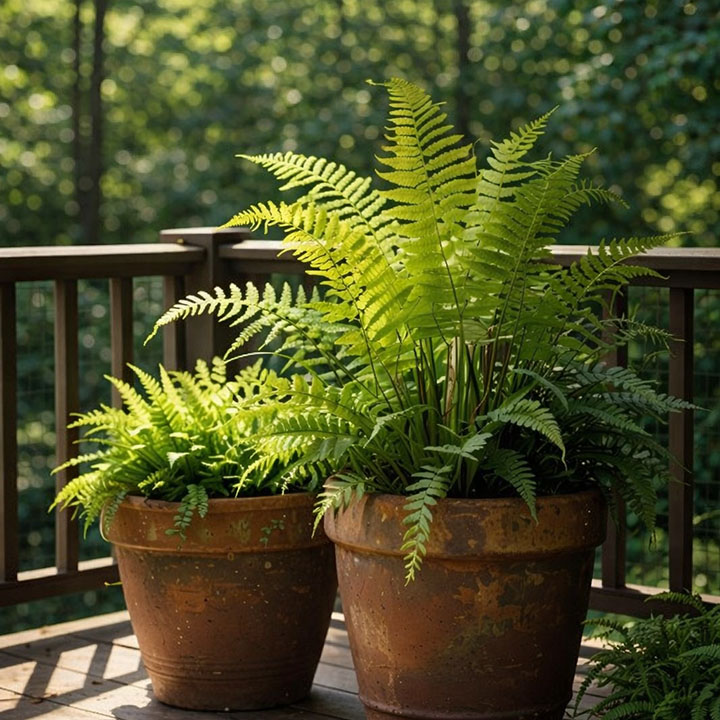
Growing ferns on a balcony is one of the easiest ways to create a cooler, softer and more lush outdoor space. Ferns bring texture, movement and rich green colour, and many varieties are perfectly suited to pots, hanging baskets and sheltered corners. In Australia, the key to success is understanding your balcony’s light, wind and humidity, then choosing fern varieties that suit your local climate and the conditions of your space.

Unlike many flowering balcony plants, most ferns prefer protection from harsh direct sun and drying winds. That makes them ideal for shaded balconies, semi-covered outdoor areas and apartments where the light is bright but indirect. With the right potting mix, steady moisture and a little humidity support, ferns can thrive beautifully in Australian cities from Melbourne and Sydney to Brisbane, Perth and beyond.

Why ferns are perfect for balconies

Ferns are especially useful on balconies because they add instant greenery without needing strong full sun. Their foliage softens hard surfaces like railings, tiles and walls, and they work well in pots, troughs, hanging baskets and vertical displays. Many also suit small spaces because they create a lush look without taking up too much room.

  • They are excellent for shaded or partly shaded balconies.
  • They add a calm, cooling feel to urban spaces.
  • Many varieties grow well in containers.
  • They pair beautifully with timber, terracotta, stone and modern apartment finishes.
  • They are ideal for creating a tropical or rainforest-style balcony garden.

Best fern varieties for balconies in Australia

Not all ferns behave the same way, so choosing the right type is important. Some love high humidity and gentle warmth, while others are tougher and cope better with cooler or drier conditions. On a balcony, the best choices are usually those that suit pots and can handle a little variation in moisture and airflow.

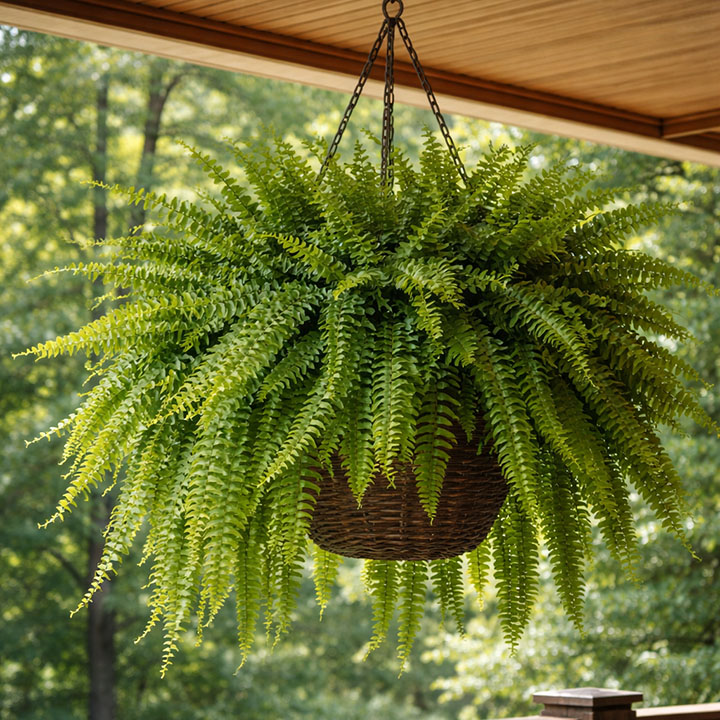
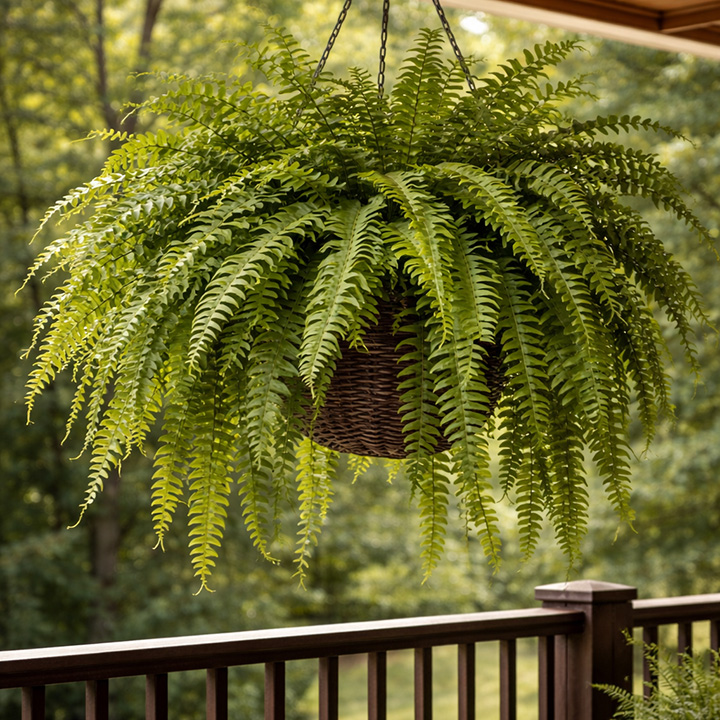
  • Boston fern is a classic choice for hanging baskets and shaded balconies.
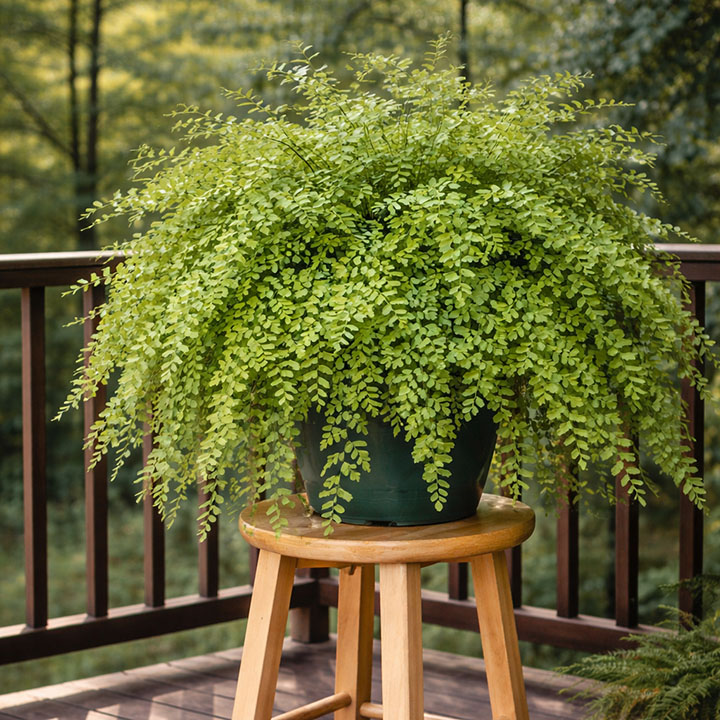
  • Maidenhair fern is beautiful but usually needs more moisture and protection from drying wind.
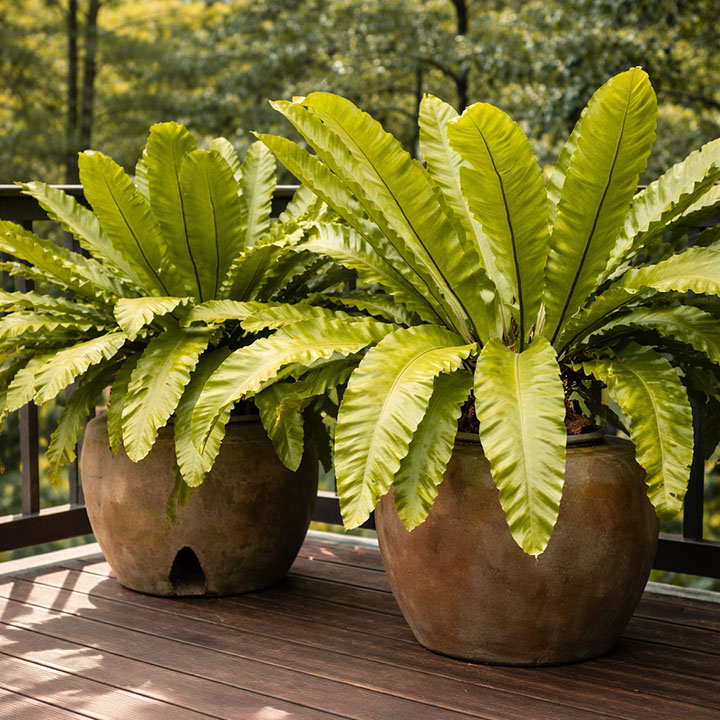
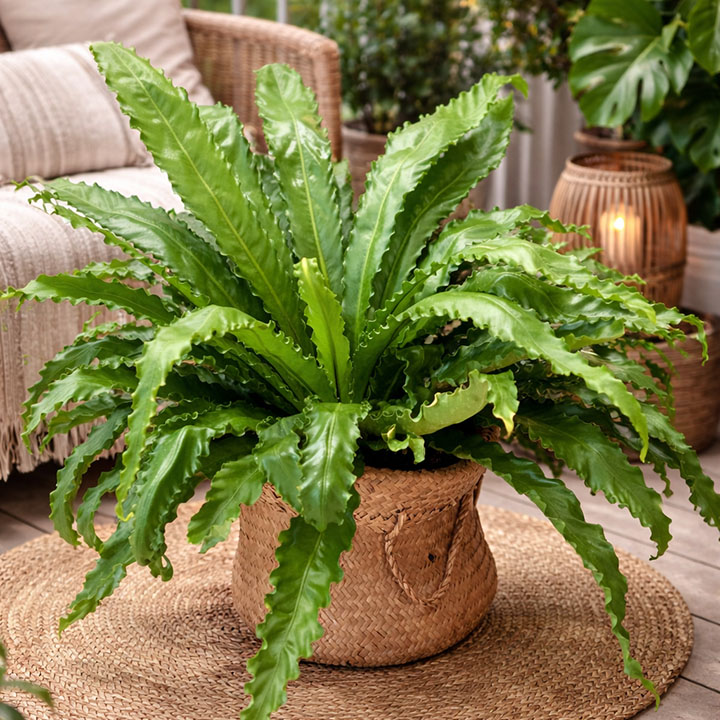
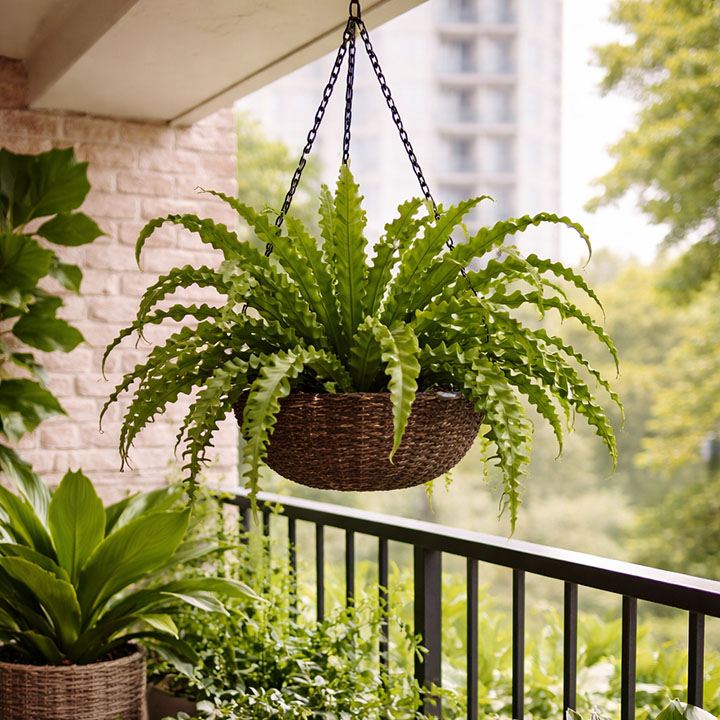
  • Bird’s nest fern suits tropical and subtropical balconies and adds bold architectural foliage.
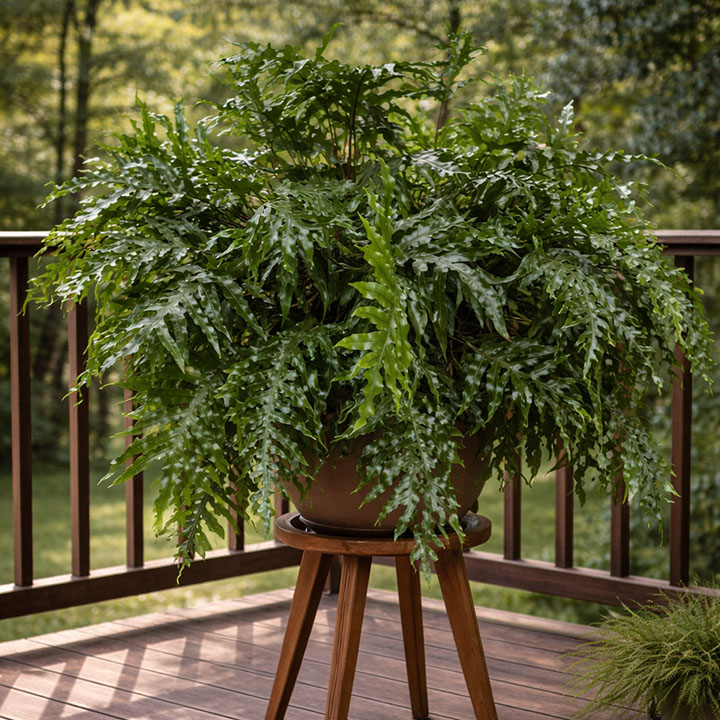
  • Kangaroo paw fern is a good option for pots and can tolerate slightly drier periods once established.
  • Fishbone fern works well in baskets and cascading containers.
  • Asplenium types are often very useful in pots where the position is cool and shaded.
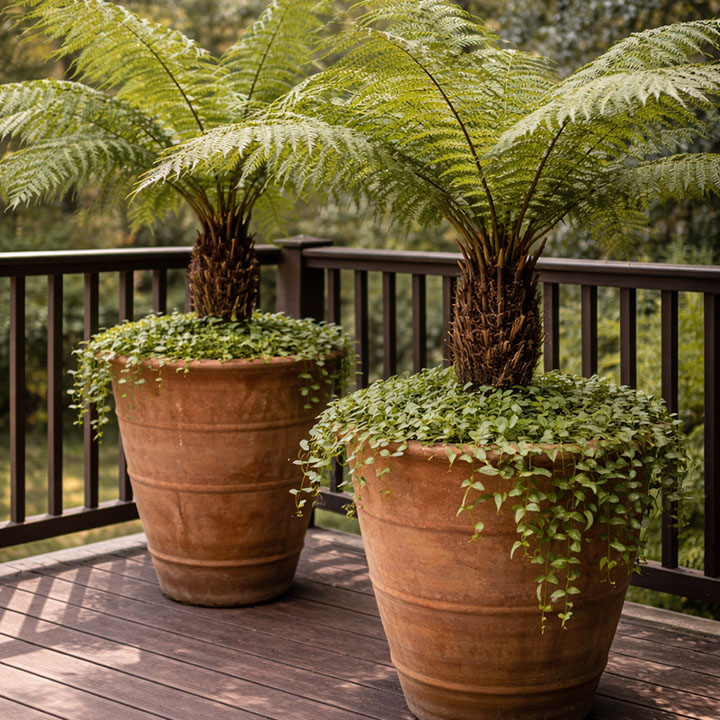
  • Tree fern juveniles can work in larger containers in cool, sheltered spaces, though they eventually need more room.

If your balcony is exposed and dry, tougher ferns such as kangaroo paw fern are often a safer choice than delicate maidenhair ferns. If you live in a humid coastal city, you may have more flexibility with the softer and thirstier types.

How much light do balcony ferns need?

Most ferns prefer bright shade, dappled light or gentle morning sun rather than long hours of harsh direct sun. On a balcony, the best position is often near a bright wall, under cover, beside a screen or in a spot that gets filtered light. Hot western sun can scorch fronds quickly, especially in summer.

If your balcony gets strong direct afternoon sun, ferns will usually need shade cloth, overhead protection, taller companion plants or a more sheltered position. On very dark balconies, growth may slow and fronds may lose density, so aim for a balance of brightness without intensity.

Wind is often the biggest challenge

Many balcony gardeners assume light is the main issue, but wind is often the real problem for ferns. Strong wind tears fronds, dries out potting mix quickly and strips the humidity that ferns naturally enjoy. Even a healthy fern can struggle if it is placed in a windy corner near an exposed railing.

Use the most sheltered part of your balcony for ferns. Grouping pots together, placing them near walls, using privacy screens or situating them under a covered section can all make a big difference. Ferns generally look and perform best when protected from constant drying air.

Choosing the right pots and containers

Ferns grow well in containers, but the pot should support even moisture and good drainage. Small pots dry out too quickly, while oversized pots with poor drainage can stay wet for too long. Aim for a practical middle ground based on the size of the fern.

  • Choose pots with reliable drainage holes.
  • Use hanging baskets for trailing or arching ferns such as Boston fern or fishbone fern.
  • Use wider pots for spreading ferns that like a little root room.
  • Choose heavier containers for windy balconies.
  • Avoid letting pots sit in stagnant water for long periods.

Plastic and glazed pots tend to hold moisture longer than terracotta, which can be helpful in hot Australian conditions. On the other hand, in cooler and wetter climates, excellent drainage becomes even more important.

Best potting mix for ferns

Ferns like a potting mix that is rich in organic matter, holds moisture reasonably well and still drains freely. A premium potting mix blended with composted material is usually a good starting point. The aim is to create a moist but airy root zone rather than a dense, soggy container.

Avoid heavy garden soil in pots, because it compacts too easily and does not perform well in containers. A good fern mix should stay lightly damp without becoming waterlogged.

How to plant ferns on a balcony

  1. Choose a pot with drainage holes and the right size for your fern.
  2. Fill it with premium potting mix rich in organic matter.
  3. Gently remove the fern from its nursery pot.
  4. Plant it at the same depth it was growing before.
  5. Backfill around the root ball and press gently.
  6. Water thoroughly until excess drains out.
  7. Place the fern in a sheltered, bright-shade position.

After planting, keep the fern out of severe wind and hot direct sun while it settles in. Newly planted ferns usually establish best when conditions are mild rather than extreme.

Watering ferns on a balcony

Most ferns like consistent moisture, but they do not usually enjoy sitting in waterlogged mix. On a balcony, watering frequency depends on your pot size, weather, humidity, wind and the specific fern variety. The goal is a root zone that stays lightly and evenly moist.

  • In summer: check pots frequently, especially during hot or windy weather.
  • In spring and autumn: water when the top layer begins to dry.
  • In winter: reduce frequency, especially in cool southern cities.
  • In covered balconies: remember that rain may not reach the pots at all.

Many ferns prefer not to dry out fully. If the potting mix swings from very dry to very wet, fronds can become brown or patchy. A steady routine works much better than occasional heavy soaking followed by neglect.

Humidity matters more than many people realise

Ferns generally enjoy humid conditions, and this is where balconies can be tricky. A covered balcony may feel shaded, but if it is exposed to dry wind or reflected heat, humidity can still be low. Grouping plants together, placing saucers of pebbles and water nearby, and using a more sheltered corner can all help create a gentler microclimate.

You do not need to turn your balcony into a greenhouse, but even a modest increase in humidity can improve frond health, especially for softer species like maidenhair fern.

Feeding and fertilising

Ferns do not usually need heavy feeding, but they do benefit from light, regular nutrition during active growth. Use a gentle liquid fertiliser or a slow-release fertiliser suited to foliage plants. Too much fertiliser can damage roots or produce weak, overly soft growth, so it is better to feed lightly than heavily.

In most parts of Australia, feeding is most useful in spring and summer when growth is strongest. Reduce feeding in the coolest months if the plant is slowing down naturally.

Pruning and general maintenance

Ferns are low-maintenance once established. Most of the work is simple tidying. Remove browned, damaged or old fronds at the base to keep the plant fresh and attractive. Regular grooming also improves airflow through the plant and makes the whole container look healthier.

If the fern becomes crowded in its pot, divide or repot it into fresh mix. This is especially useful for fast-growing basket or pot specimens that have filled their container completely.

Growing ferns on a balcony in Australian cities

Australia’s cities have very different climates, so balcony fern care should be adapted to your location. Ferns respond strongly to heat, humidity, rainfall, wind and winter cold.

Melbourne

Melbourne’s changeable weather can actually suit many balcony ferns if they are protected from drying winds. Summer heat spikes mean you may need to water more often on hot days, while winter usually calls for slower watering. Sheltered bright shade is ideal, especially on exposed apartment balconies.

Sydney

Sydney’s relatively humid coastal conditions suit many fern types well, especially on shaded balconies. The biggest risks are hot western sun and strong coastal wind. Ferns usually do best in bright shade with reliable moisture and airflow that is gentle rather than harsh.

Brisbane

Brisbane is excellent for many ferns because warmth and humidity support lush growth. The main challenge is preventing pots from drying out too quickly in heat or becoming stressed in intense sun. Semi-shaded balconies with morning light often suit ferns very well here.

Perth

Perth’s dry summer climate can be tough on moisture-loving ferns. Pot size, shade and humidity become much more important. Choose tougher fern varieties, avoid harsh afternoon sun, and be prepared to water more regularly through hot, dry periods.

Adelaide

Adelaide’s hot, dry summers mean ferns need a protected microclimate to perform well. Covered balconies, shaded corners and grouped containers are especially useful. Smaller pots can dry out very quickly, so larger containers are often a better choice.

Hobart

Hobart’s cooler climate can suit many ferns, particularly those that dislike intense heat. Growth may slow through winter, and some frost-sensitive ferns need protection in colder spots. Good drainage remains important because cooler conditions can keep potting mix wet for longer.

Canberra

Canberra’s hot summers and cold winters mean ferns may need more active seasonal care. In summer they need shade and moisture, while in winter frost-sensitive varieties may need to be moved to a more protected position. Tougher fern species usually perform better than delicate tropical ones.

Darwin and the tropical north

Darwin’s warmth and humidity can be excellent for tropical ferns, but intense wet-season conditions and strong heat still require good pot drainage and smart positioning. Ferns often do best in bright filtered light rather than exposed sun. Air movement is useful, but strong drying wind is still a problem.

Seasonal fern care on Australian balconies

Spring

Spring is a strong growth period for many ferns. This is a good time to repot, divide, refresh potting mix and begin light feeding. Increase watering as temperatures rise.

Summer

Summer is the season when most balcony ferns are tested. Focus on shade, steady moisture and wind protection. Watch for brown tips, faded fronds and fast-drying pots, especially during heatwaves.

Autumn

Autumn often brings relief from summer stress and is a great time to tidy, repot and expand your fern collection. In many cities, ferns regain lushness as conditions soften.

Winter

Winter care depends heavily on location. In mild coastal cities, many ferns continue growing slowly. In cooler areas, reduce watering, avoid cold waterlogging and protect frost-sensitive varieties from icy wind and freezing conditions.

Styling ideas for balcony ferns

Ferns are extremely useful for styling balconies because they create depth and softness. A single large bird’s nest fern in a statement pot can anchor a corner. Boston ferns look beautiful in hanging baskets, while smaller ferns can be layered in troughs or arranged along a shaded wall. Mixing different frond shapes creates a more natural, collected look.

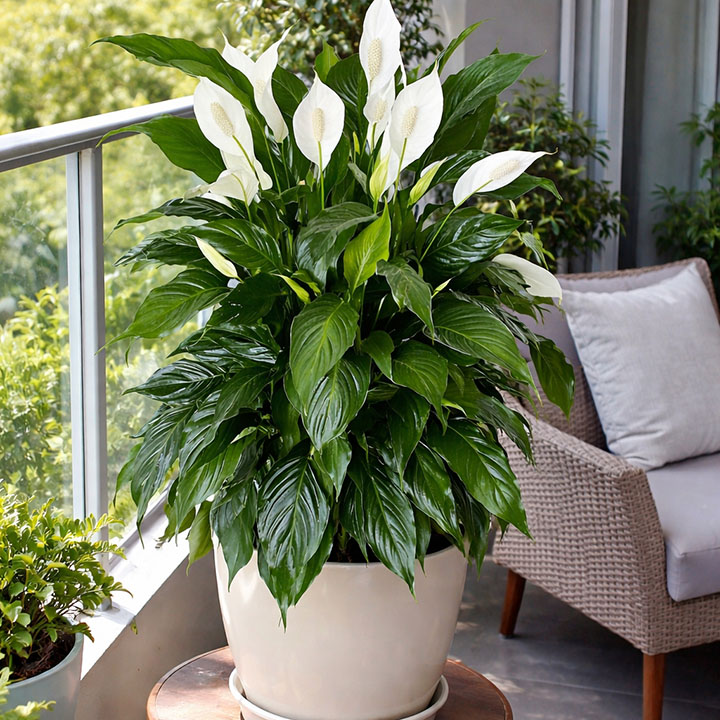
Ferns also pair well with other shade-loving plants such as peace lilies, begonias, calatheas and ivy, but avoid overcrowding. Good airflow and room for growth still matter even in a lush planting scheme.

Common mistakes when growing ferns on a balcony

  • Placing them in hot direct afternoon sun.
  • Ignoring drying wind on exposed balconies.
  • Letting pots dry out completely for long periods.
  • Keeping soil permanently soggy with poor drainage.
  • Using pots that are too small for the fern.
  • Choosing delicate fern varieties for harsh, dry locations.

Final thoughts

Growing ferns on a balcony is one of the best ways to turn a shaded or sheltered outdoor area into a calm, green retreat. They are especially useful in Australian apartments where direct sun is limited or where a softer foliage-based planting style is preferred. Once you understand your balcony’s microclimate and choose the right fern for your city and conditions, they are rewarding, elegant and surprisingly versatile plants to grow in containers.

FAQ

Can ferns grow well on a balcony?

Yes. Ferns are often excellent balcony plants, especially on shaded or semi-shaded balconies. They grow particularly well when protected from direct sun and strong drying wind.

Do balcony ferns need full sun?

No. Most ferns prefer bright shade, filtered light or gentle morning sun. Harsh direct sun, especially in the afternoon, can scorch many fern varieties.

How often should I water ferns in pots?

Most ferns like evenly moist potting mix, so check them regularly. In summer or windy weather, they may need water more often. In winter, watering is usually less frequent, especially in cooler southern cities.

What is the best fern for a balcony in Australia?

That depends on your conditions. Boston fern, bird’s nest fern, kangaroo paw fern and several Asplenium types are all popular choices. Tougher types are usually better for dry or exposed balconies.

Can ferns handle wind on a balcony?

Most ferns dislike strong wind because it tears fronds and dries them out quickly. They usually perform much better in sheltered positions near walls, screens or grouped plantings.

Do ferns need humidity?

Most ferns prefer more humidity than many balcony spaces naturally provide. Grouping plants together and using sheltered positions can help create a better microclimate.

Can I grow ferns in hanging baskets?

Yes. Boston fern and fishbone fern are especially popular in hanging baskets, as long as they are watered consistently and protected from harsh sun and drying wind.

Are ferns suitable for balconies in Melbourne, Sydney and Brisbane?

Yes, but the care changes by city. Melbourne ferns need wind protection, Sydney and Brisbane ferns usually enjoy the humidity, and drier cities such as Perth and Adelaide require more attention to shade and watering.

Growing roses on a balcony is a practical way to bring colour, fragrance and structure into a small outdoor space. In Australia, balcony conditions vary a lot from city to city, so the key is choosing the right rose, using a large enough pot, and adjusting your care to local sun, wind, humidity and seasonal temperature swings. With the right setup, roses can thrive in containers and flower beautifully for much of the year.

Why roses are a great choice for balconies

Roses are often seen as traditional garden plants, but many varieties grow very well in pots. They add height, softness, scent and repeat colour, and they can make even a simple balcony feel more finished and inviting. Compact roses are especially useful in small spaces, while climbing roses can be trained upward to create privacy or a lush green backdrop.

Balcony growing also gives you more control. You can use better soil than many in-ground garden beds, position the pot where sunlight is strongest, and move smaller containers if needed. That makes roses more achievable than many people expect.

Best types of roses for balcony growing

Not every rose is ideal for container life, so variety choice matters. For most balconies, compact and repeat-flowering roses are the easiest option.

  • Miniature roses are ideal for very small balconies and compact pots.
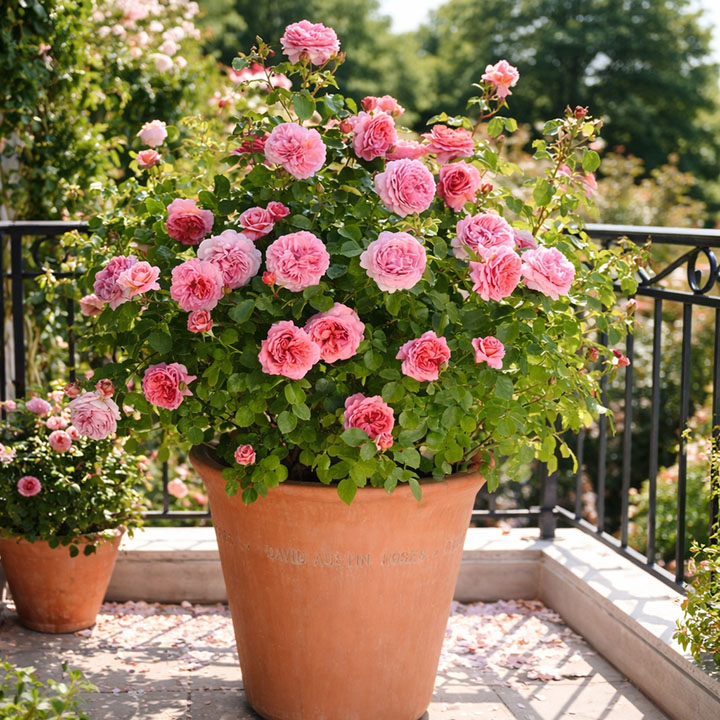
  • Patio roses stay neat and flower heavily, making them one of the best choices for containers.
  • Floribunda roses produce clusters of blooms and suit medium to large pots.
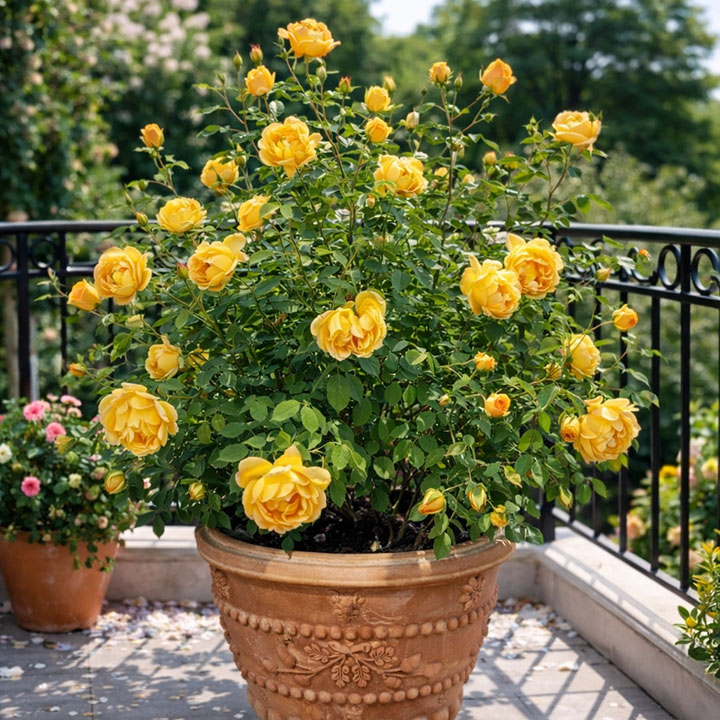
  • Compact shrub roses give a fuller, softer look and often have strong fragrance.
  • Climbing roses work well on sunny balconies with a trellis, wall or frame.

If your balcony is windy, choose sturdy, bushy types rather than tall or top-heavy roses. If space is tight, look for roses specifically described as patio, miniature or suitable for pots.

How much sun do roses need on a balcony?

Roses grow and flower best with at least six hours of direct sunlight a day. Morning sun is especially useful because it dries foliage quickly and reduces disease risk. The more sun a balcony rose receives, the better its flowering is likely to be.

If your balcony gets only a little direct light, roses may survive but often become leggy and produce fewer flowers. Deep shade is usually not suitable. When choosing a spot, prioritise sun first, then airflow, then protection from harsh wind.

Choosing the right pot

Roses have substantial root systems, so pot size is one of the biggest factors in success. A small pot dries too quickly, overheats in summer and restricts growth.

  • Choose a pot at least 45 to 50cm wide and deep for most roses.
  • Use larger containers for shrub roses and climbers.
  • Make sure the pot has generous drainage holes.
  • Choose a heavy or stable container if your balcony gets strong wind.
  • Use pot feet or risers so water can drain freely.

Terracotta looks beautiful but dries out faster than glazed or plastic pots. In hot Australian cities, larger containers are often worth the extra space because they help keep roots cooler and moisture levels steadier.

Best potting mix for roses in containers

Always use a premium potting mix rather than garden soil. Roses in pots need a mix that drains well but still holds enough moisture between waterings. Cheap mixes often break down quickly and can become either too soggy or too dry.

You can improve the mix further by blending in compost and a controlled-release fertiliser for flowering plants. The goal is a rich but airy growing medium that supports steady growth without becoming compacted.

How to plant roses on a balcony

  1. Choose a large pot with drainage holes.
  2. Fill the base with premium potting mix.
  3. Position the rose so it sits at the same depth as it was in its nursery pot.
  4. Backfill around the roots with fresh potting mix.
  5. Press down gently to remove large air pockets.
  6. Water deeply until excess drains from the bottom.
  7. Add a light layer of mulch, keeping it away from the stems.
  8. Place the pot in a sunny, open position.

Spring and autumn are usually the easiest times to plant potted roses in Australia. Avoid planting during a heatwave or when hot, drying winds are expected.

Watering roses on a balcony

Container roses dry out faster than roses in the ground, especially on balconies where there is reflected heat, more exposure and stronger airflow. Water deeply so the whole root zone is soaked, rather than giving small daily splashes that only wet the surface.

  • Summer: check moisture daily and water more often in hot weather.
  • Spring and autumn: water when the top layer of mix starts to dry.
  • Winter: reduce watering, but do not allow the pot to dry out completely.
  • Windy periods: expect pots to dry faster than normal.

Early morning is the best time to water. Aim the water at the soil rather than soaking the leaves, especially in humid climates where fungal disease can be more common.

Feeding and fertilising balcony roses

Roses are heavy feeders, and pot-grown roses need regular nutrition to keep flowering well. A controlled-release fertiliser applied during the growing season gives a solid base, while a liquid fertiliser for flowering plants can help support repeat blooming.

If your rose is producing lots of leaves but not many flowers, or if blooming slows during the growing season, feeding may need adjusting. Avoid overfeeding during very hot weather, when the plant may already be under stress.

Pruning and deadheading

Deadheading spent blooms helps roses look tidy and encourages fresh flowers. Remove faded flowers by cutting back to a healthy outward-facing leaf. Also trim off damaged, weak or crossing stems when needed.

Most roses also benefit from a harder annual prune in winter, especially in cooler Australian regions. This helps shape the plant, improve airflow and encourage strong new spring growth. Miniature and patio roses usually need lighter pruning than larger shrub roses.

Repotting and long-term care

Roses do not like sitting for years in old, exhausted potting mix. Repot every couple of years, or sooner if the plant seems root-bound, dries out too quickly or flowers poorly despite good care. Refreshing the mix and giving the roots more room can make a big difference.

When repotting, remove as much tired mix as you can without damaging the roots too much, then replant into fresh premium potting mix. Move up to a larger pot if the plant has clearly outgrown its container.

Common problems with balcony roses

  • Black spot: more likely in humid weather and poor airflow.
  • Powdery mildew: often appears when air circulation is limited.
  • Aphids: common on fresh new growth and buds.
  • Heat stress: can cause scorched leaves, bud drop and fast drying.
  • Wind damage: may tear petals, snap stems and dry out pots quickly.
  • Underwatering: often leads to smaller blooms and leaf drop.

The best way to avoid most rose problems is to give them enough sun, good airflow, deep watering, regular feeding and prompt cleanup of diseased leaves or spent flowers.

Growing roses on a balcony in Australian cities

Australian conditions vary widely, so rose care should be adjusted to your city rather than treated as universal.

Melbourne

Melbourne’s changeable weather suits roses reasonably well, but balcony gardeners need to watch for hot northerly winds in summer and rapid temperature swings. Roses usually benefit from a sunny spot with some shelter from the harshest wind. Winter is cool enough for pruning and rest, while spring and autumn are strong flowering seasons.

Sydney

Sydney’s warm, humid conditions can produce healthy growth, but disease pressure can be higher than in drier climates. Good airflow matters a lot on enclosed balconies. Morning sun is ideal, and regular deadheading plus leaf cleanup can help keep plants tidy and healthy.

Brisbane

Brisbane roses often need extra attention during the humid summer months. Larger pots help prevent fast drying, and open positioning is important to reduce fungal issues. Morning sun is particularly helpful, and heavy crowding around the rose should be avoided.

Perth

Perth’s dry summers mean watering is the main challenge. Balcony roses can thrive, but they need deep watering and a thick enough mulch layer to help preserve moisture. Strong afternoon sun can be intense, so some protection from the hottest late-day exposure may help on exposed balconies.

Adelaide

Adelaide’s hot, dry conditions can be excellent for flowering, but pots will dry rapidly in summer. Go larger with containers where possible, keep watering consistent, and avoid letting plants bake in reflected heat from walls or paving.

Canberra

Canberra has cold winters and hotter, drier summers, so balcony care shifts a lot through the year. Protect pots from severe frost and icy wind in winter, then be ready to water much more often once summer arrives. Winter pruning is an important part of rose care here.

Hobart

Hobart’s cooler conditions can suit roses well, but you will need to maximise sunlight. A north-facing balcony or the brightest available position is ideal. Growth may be slower through winter, so avoid overwatering and make sure drainage stays excellent.

Darwin and the tropical north

Roses can be more challenging in tropical heat and humidity. If you grow them in Darwin or similar climates, give them the breeziest, sunniest spot you have and monitor regularly for fungal issues. Variety choice and airflow matter even more in these conditions.

Seasonal care for balcony roses in Australia

Spring

This is one of the main growth and flowering periods for roses. Feed the plant, increase watering as temperatures rise, check for aphids on new shoots and enjoy the strongest flush of blooms.

Summer

Summer care is mostly about water, heat management and deadheading. Check pots often, especially during hot spells, and keep an eye out for bud scorch, drooping growth and leaf stress. In very hot regions, larger pots make a big difference.

Autumn

Autumn is a great time for another flush of flowers in many parts of Australia. It is also one of the best times to plant potted roses, refresh mulch and tidy the plant before cooler weather arrives.

Winter

Winter is the traditional pruning season in many cooler parts of Australia. Water less often, but do not let the pot dry out completely. This is also a good time to repot or plant bare-root roses where suitable.

Styling ideas for roses on a balcony

Roses can be both a flowering plant and a design feature. A single rose in a beautiful large pot can anchor a small balcony. A pair of matching roses can frame a seating area. A climbing rose on a slim trellis can soften a plain wall or create privacy without taking up much floor space.

For the best look, avoid overcrowding the space with too many pots. Let the rose be a hero plant and pair it with lower, softer companions only if airflow remains good.

Final thoughts

Growing roses on a balcony is absolutely achievable in Australia if you match your care to your climate. Give your rose plenty of sun, a generous pot, premium mix, regular feeding and steady watering, and it can reward you with months of flowers in a surprisingly small space. Whether you are gardening in Melbourne, Sydney, Brisbane or beyond, the basics stay the same, but the details should always be adjusted to your local weather.

FAQ

Can roses grow well in pots on a balcony?

Yes. Many roses grow very well in containers, especially patio roses, miniature roses, floribundas and compact shrub roses. The key is using a large enough pot and giving the plant enough direct sun.

What is the best rose for a small balcony?

Miniature and patio roses are usually the easiest and most practical choices for small balconies because they stay compact and flower well in containers.

How much sun do balcony roses need?

Most roses need at least six hours of direct sun a day to flower well. More sun usually means more blooms and stronger growth.

How often should I water roses in pots?

It depends on the season, pot size, sun exposure and wind. In summer, you may need to check daily. In cooler months, watering is less frequent. Always water deeply rather than lightly.

What size pot is best for a rose?

For most roses, a pot at least 45 to 50cm wide and deep is a good starting point. Bigger is better in hot climates or for larger varieties.

When is the best time to plant roses in Australia?

Spring and autumn are great times to plant potted roses. Bare-root roses are traditionally planted in winter.

Why are my rose leaves getting black spot?

Black spot is more common when conditions are humid and airflow is poor. Keeping the plant open, sunny and well ventilated helps reduce the risk.

Can I grow a climbing rose on a balcony?

Yes, as long as your balcony gets enough sun and you have a strong trellis or support. Choose a container large enough to support the root system and keep water and feeding consistent.

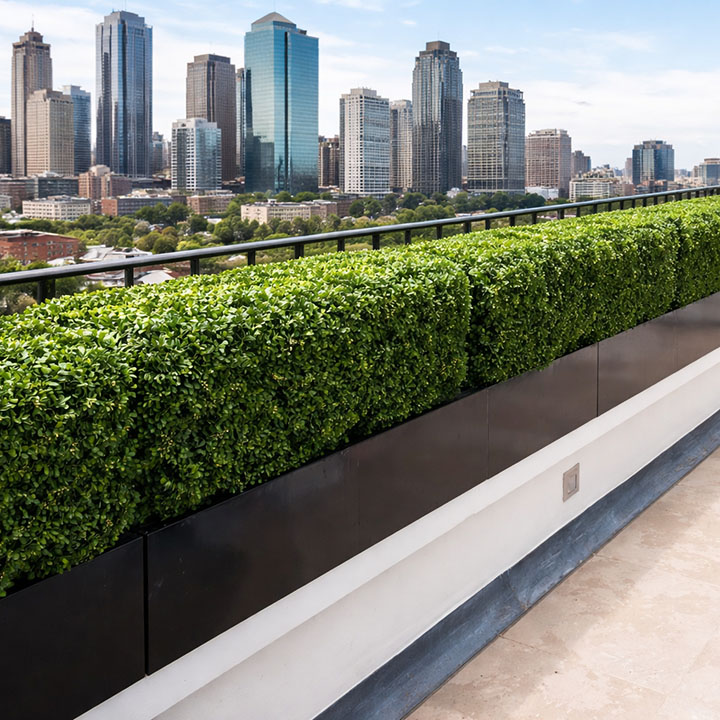
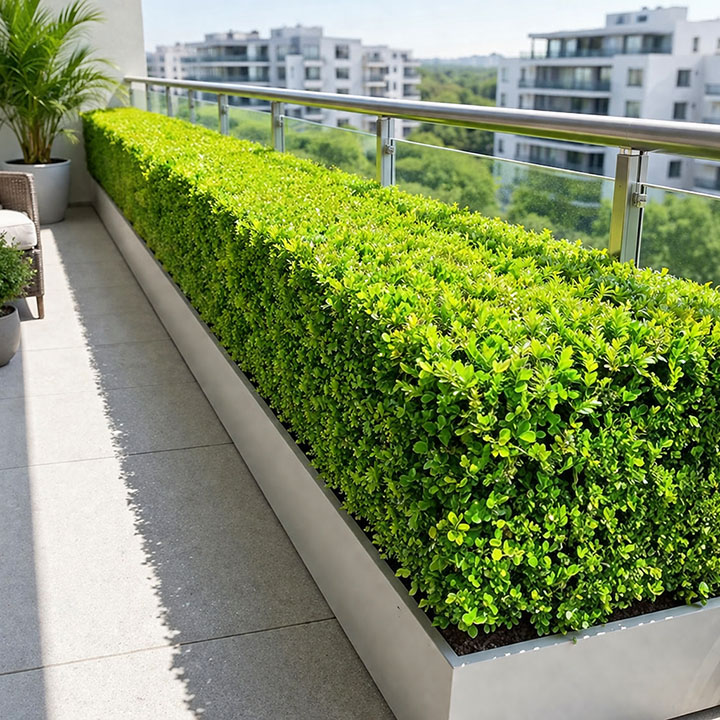
A balcony hedge can turn an exposed apartment or townhouse balcony into a greener, more private, and more comfortable outdoor space. In Australia, balcony hedges are especially useful for screening neighbouring buildings, softening harsh sun, filtering wind, and creating a calmer setting for pots, seating, and vertical gardens.

The key is choosing hedge plants that suit container growing, cope with your city’s climate, and respond well to regular trimming. Unlike a garden hedge planted in the ground, a balcony hedge has to live in a pot, deal with hotter roots, dry faster in wind, and often survive reflected heat from walls, glass, and paving.

This guide covers how to choose the right hedge for an Australian balcony, which plants work best in different cities, how to grow them in containers, and how to keep them thick, healthy, and neat all year.

Why grow a hedge on a balcony?

  • Privacy: A dense hedge helps block views from nearby balconies, streets, and neighbouring windows.
  • Wind protection: Hedges can reduce strong gusts that damage other balcony plants.
  • Shade and cooling: Foliage softens reflected heat and can make your balcony feel less harsh in summer.
  • Noise softening: Plants will not block noise completely, but a green screen can help make a balcony feel calmer.
  • Better structure: A hedge creates a backdrop for flowers, herbs, pots, and outdoor furniture.
  • Year-round greenery: Evergreen hedge plants keep a balcony looking full even in winter.

What makes a good balcony hedge plant?

The best balcony hedge plants are not always the same as the best in-ground hedge plants. On a balcony, look for species that are naturally compact, evergreen or semi-evergreen, happy in pots, and tolerant of pruning.

  • Good container performance: Roots should handle life in a large pot for years.
  • Dense growth: A hedge needs tight branching and foliage coverage.
  • Pruning tolerance: Plants should respond well to clipping to keep their shape.
  • Climate suitability: Choose for heat, humidity, frost, wind, or coastal exposure.
  • Manageable size: Oversized shrubs can quickly outgrow a balcony.
  • Sun compatibility: Match the plant to your balcony’s light levels.

Best hedge plants for Australian balconies

Here are some of the most practical options for balcony hedge growing in Australia.

1. Lilly Pilly

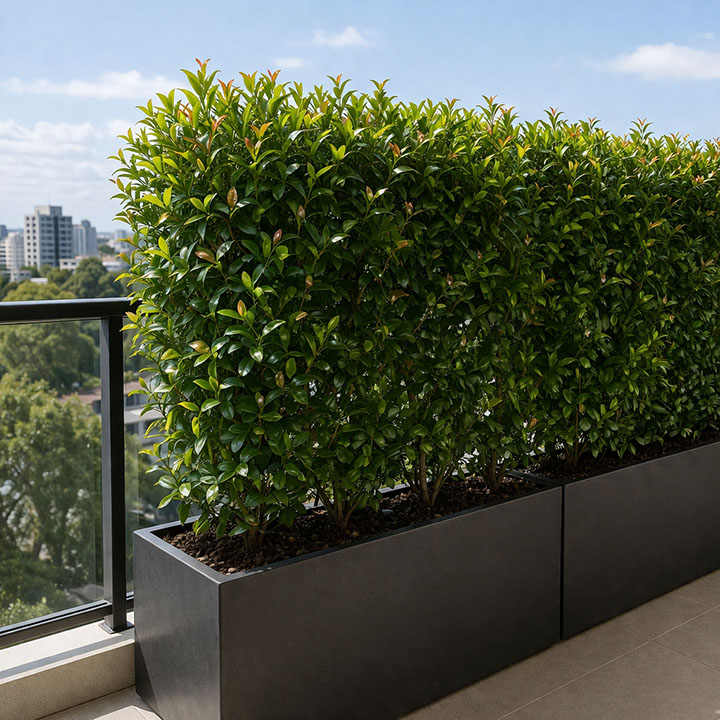
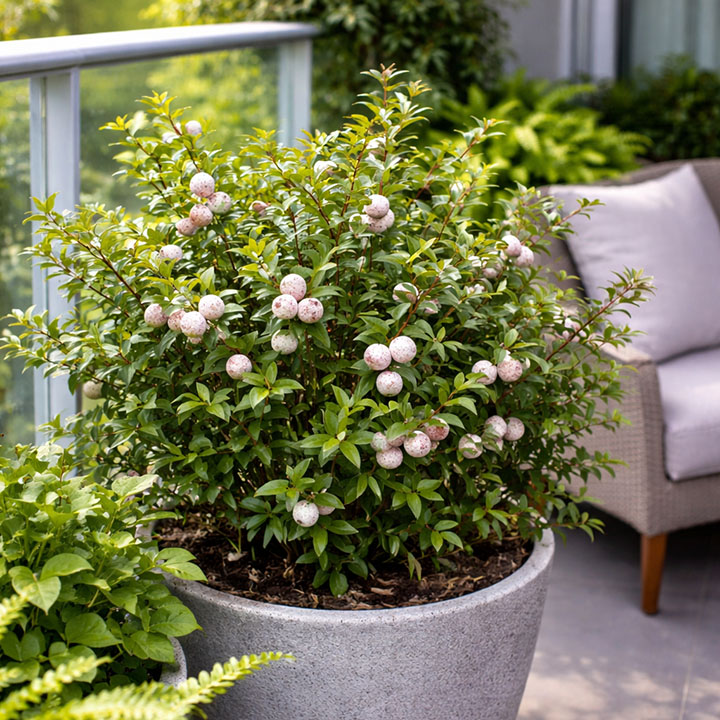
Lilly pilly is one of the best balcony hedge choices in Australia. It is evergreen, dense, fast-growing, and responds very well to clipping. Modern varieties are often selected for compact growth and better resistance to psyllids. It suits privacy screens and formal clipped hedges.

  • Best for: Privacy, formal hedges, Australian native styling
  • Light: Full sun to part shade
  • Good in: Sydney, Melbourne, Brisbane, Adelaide, Perth
  • Watch for: Water stress in pots, occasional pest issues, regular trimming needed

2. Murraya (Orange Jasmine)

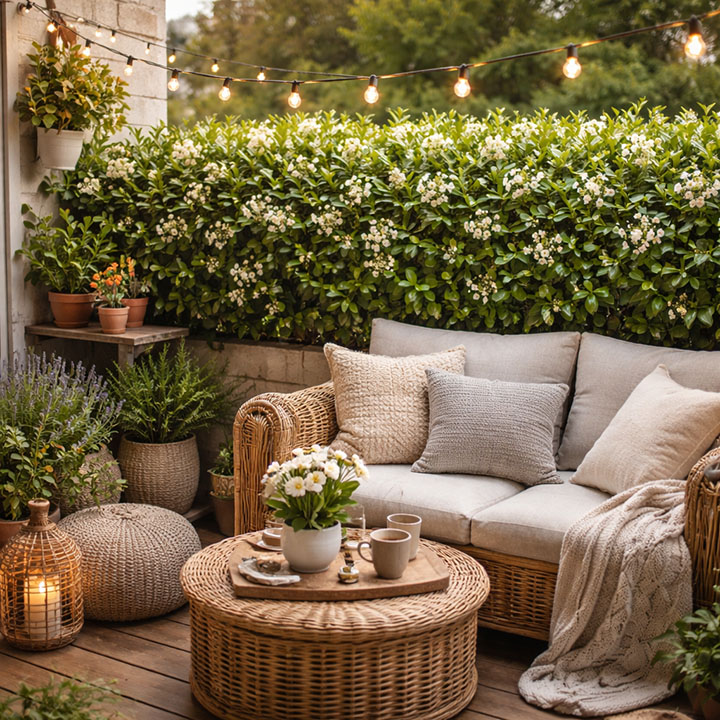
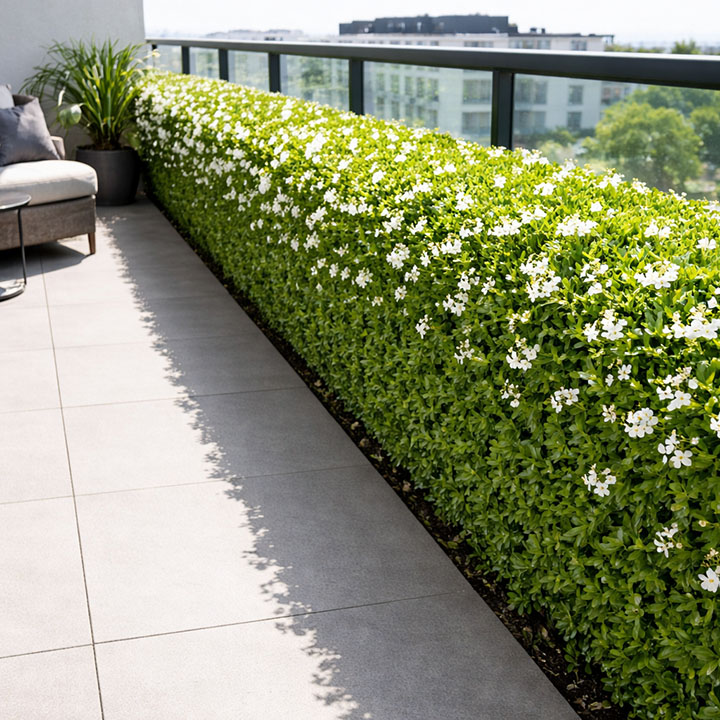
Murraya is a classic hedge plant with glossy leaves and fragrant white flowers. It creates a softer, lush-looking screen and works especially well in warm and mild climates. It can be slower in cooler areas but still performs well in protected balconies.

  • Best for: Scent, soft evergreen screening, warm climates
  • Light: Full sun to part shade
  • Good in: Sydney, Brisbane, Perth, coastal Adelaide
  • Watch for: Slower growth in cold spots, can look thin if not regularly tip-pruned

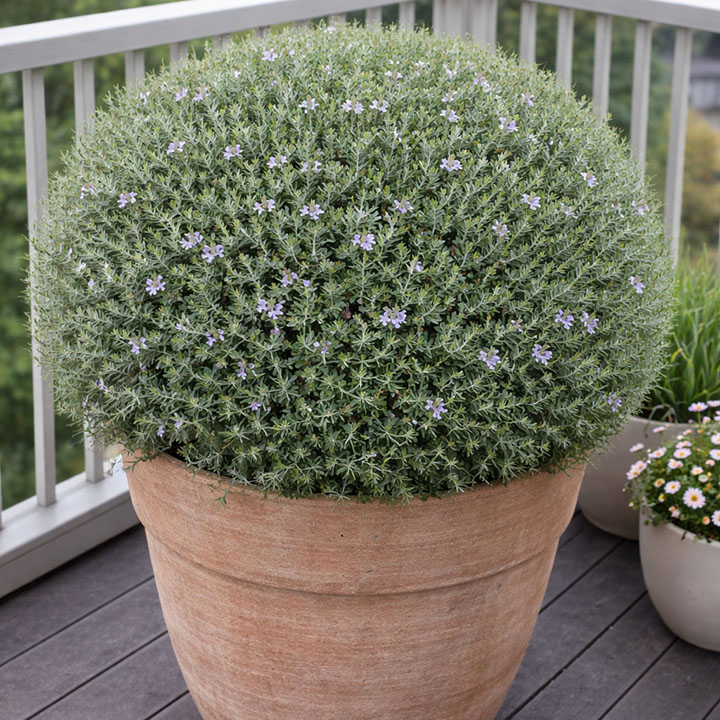
3. Westringia

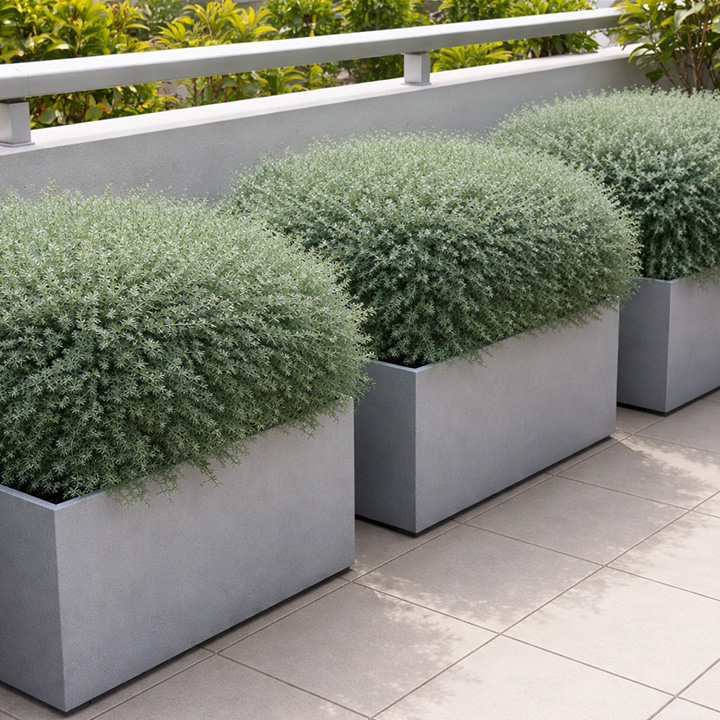
Westringia is one of the toughest native hedge plants for exposed balconies. It tolerates wind, heat, coastal conditions, and dry spells better than many softer-leaved hedges. Its fine foliage gives a neat but slightly relaxed look.

  • Best for: Windy balconies, coastal balconies, low-maintenance screens
  • Light: Full sun
  • Good in: Perth, Adelaide, Sydney, Melbourne
  • Watch for: Not as lush in shade, avoid constantly wet potting mix

4. Buxus alternatives

Traditional box hedging can be difficult on hot balconies because pots dry fast and full sun can stress the foliage. But compact shrubs used as box alternatives can still give a formal clipped look. Japanese box and other small-leaved shrubs suit sheltered balconies better than harsh exposed sites.

  • Best for: Formal design, low hedges, structured balcony styling
  • Light: Part shade to sun, depending on variety
  • Good in: Melbourne, Canberra, Hobart, sheltered Sydney balconies
  • Watch for: Heat stress, dry potting mix, scorching on hot western balconies

5. Viburnum

Compact viburnum varieties can make a lush screening hedge in large containers. They are useful when you want fuller foliage and faster privacy. However, they usually need bigger pots and more water than tougher natives.

  • Best for: Fast coverage, lush green screening
  • Light: Full sun to part shade
  • Good in: Sydney, Melbourne, Brisbane
  • Watch for: Heavy water demand, size control, bigger root systems

6. Escallonia or other coastal-friendly shrubs

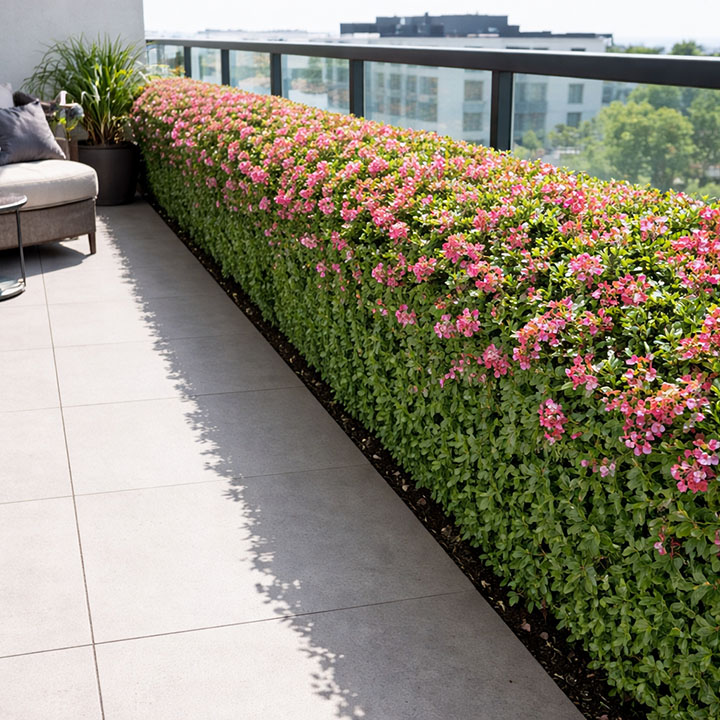
For coastal balconies with sun, wind, and salt exposure, some hardy evergreen shrubs are better than softer tropical hedging plants. Escallonia and similar tough shrubs can be useful where sea breeze and exposure are the main challenge.

  • Best for: Coastal exposure, flowering hedge effect
  • Light: Full sun
  • Good in: Sydney coast, Perth coast, Adelaide coast, Hobart coast
  • Watch for: Needs regular shaping to stay neat in pots

Best hedge styles for balconies

There is no single right way to create a balcony hedge. The best style depends on how much space you have and what problem you want to solve.

Privacy hedge

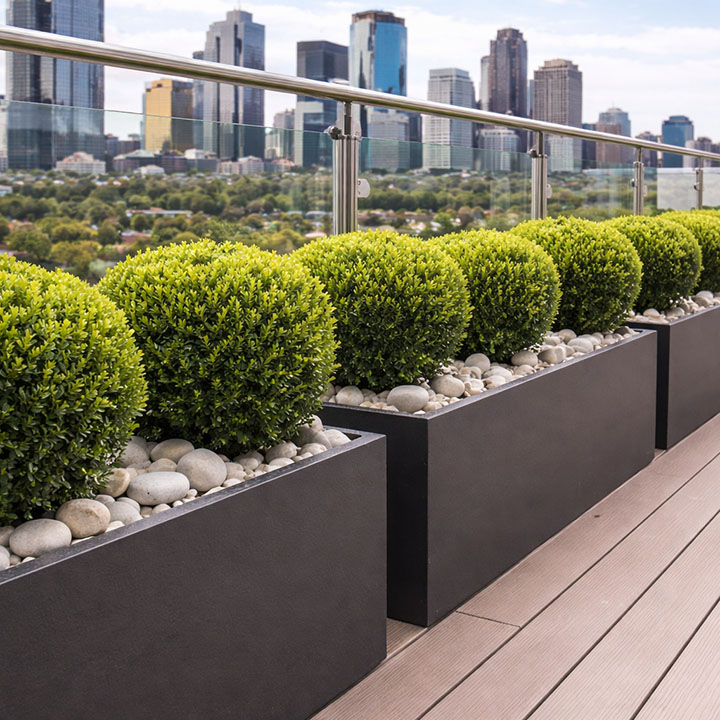
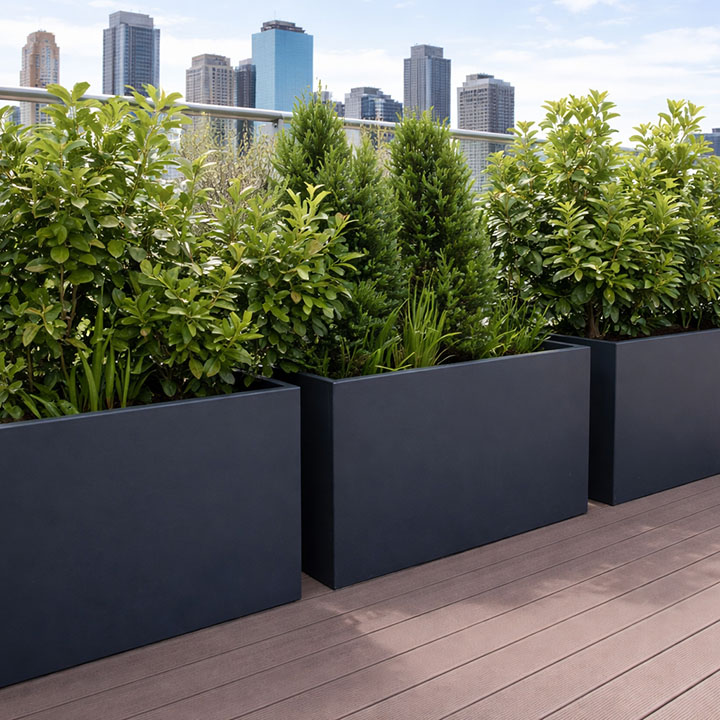
Use tall planters lined along the balcony edge or against one side wall. Choose dense evergreen shrubs such as lilly pilly, murraya, or viburnum. This works best for screening neighbours and nearby buildings.

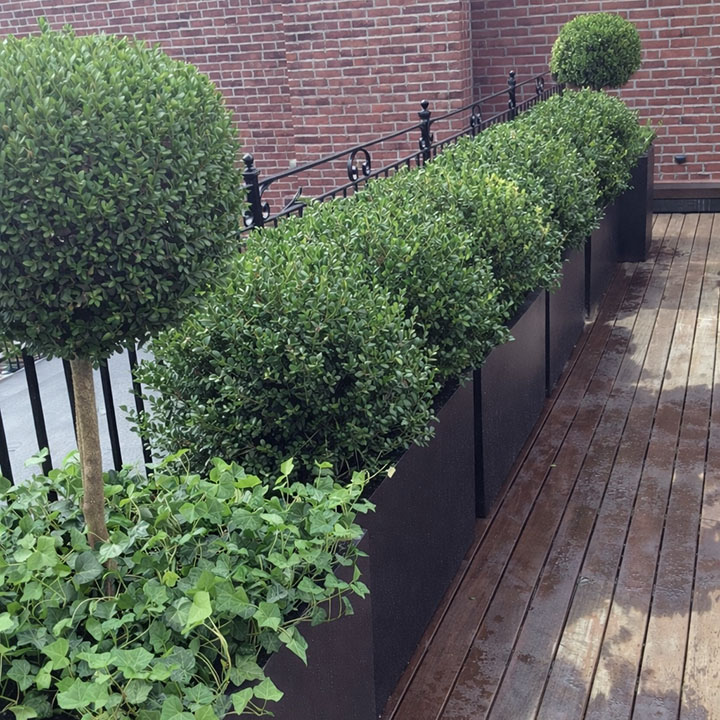
Low formal hedge

A low clipped hedge adds structure without blocking views. This is ideal if you want to keep sightlines open to the city, water, or sky. Compact box-style shrubs work best here.

Windbreak hedge

For exposed balconies, tougher shrubs such as westringia are often better than lush soft-leaved plants. Place them where wind hits first to protect more delicate plants behind them.

Mixed screening hedge

Instead of a single species, you can combine compatible shrubs for a more relaxed look. This feels softer and more garden-like, though it is usually less formal than a clipped single-plant hedge.

Choosing pots and planters for a balcony hedge

The planter matters almost as much as the plant. A hedge will only stay dense and healthy if roots have enough room and moisture stays more stable.

  • Use long trough planters or large individual pots: Bigger soil volume means less stress and more even growth.
  • Aim for depth: Many hedge shrubs perform better with planters at least 35 to 50 cm deep, depending on the species.
  • Check drainage: Water must escape easily, especially during heavy rain.
  • Choose lighter containers if needed: Fibre cement, fibreglass, resin, or lightweight composite planters are often easier for balconies than solid concrete.
  • Think about weight: Wet soil and large pots are heavy. Always stay within balcony load limits.

If you live in an apartment, it is also worth checking strata or body corporate rules before installing a very large screen of planters.

Best potting mix for balcony hedges

Do not use garden soil on a balcony. It compacts too easily in pots, drains poorly, and can become heavy. Instead, use a premium potting mix suitable for shrubs or general container plants.

  • Choose a high-quality potting mix with good water retention and drainage.
  • Add a slow-release fertiliser at planting time if your mix does not already include one.
  • Top with mulch to reduce evaporation, but keep mulch away from stems.
  • Refresh the top few centimetres of mix each year to keep plants vigorous.

How to plant a hedge on a balcony

  1. Assess the site: Check sun, wind, balcony direction, and whether the area is protected or exposed.
  2. Measure carefully: Make sure doors still open and there is enough room to move around your balcony.
  3. Select the right hedge species: Match plant choice to your city, weather, and light levels.
  4. Choose the planter: Bigger is better for long-term hedge health.
  5. Fill with quality potting mix: Leave space at the top so water does not spill straight out.
  6. Plant at proper spacing: Slightly close spacing can help fill out a hedge faster, but do not cram plants too tightly.
  7. Water in well: Newly planted hedges need deep watering until roots establish.
  8. Tip-prune early: Light pruning after establishment encourages branching and thicker growth.

Balcony hedge care through the year

Watering

Container hedges dry out much faster than in-ground hedges. Windy high-rise balconies and west-facing balconies are especially thirsty in summer. Water deeply rather than lightly, and check the potting mix regularly rather than relying on a fixed schedule.

In hot Australian cities, a balcony hedge may need watering several times a week in summer, and sometimes daily during heatwaves if pots are small. In cooler cities, winter watering should be reduced, but never ignore pots completely.

Feeding

Hedge plants need consistent feeding to stay dense and green in containers. Apply slow-release fertiliser in spring and again as needed for the plant type. Some gardeners also use liquid feed during the active growing season for extra growth and recovery after clipping.

Pruning

Regular light trimming is better than rare harsh pruning. Tip-pruning encourages side branching, which is what makes a hedge dense. Clip more often in spring and summer when plants are actively growing, and reduce pruning in cold weather.

Always avoid cutting into old bare wood unless the species is known to recover well from hard pruning.

Repotting and root care

Over time, hedge plants can become root-bound. Signs include very fast drying, weak growth, and declining leaf quality. Depending on the species and pot size, you may need to upgrade the planter, root-prune, or refresh potting mix every few years.

Balcony hedge advice by Australian city

Australia’s cities have different combinations of heat, humidity, frost, wind, and rainfall. Matching your hedge plant to local conditions will give you a much better result.

Sydney

Sydney balconies often deal with strong sun, humidity, and coastal exposure in some suburbs. Lilly pilly, murraya, westringia, and compact viburnum can all work well. Coastal balconies may need tougher, wind-tolerant shrubs, while shaded inner-city balconies may suit softer glossy-leaved plants.

Melbourne

Melbourne conditions can change quickly, with cool winters, hot spells in summer, and gusty winds. Choose resilient hedge plants that can handle temperature swings. Lilly pilly, westringia, and sheltered box-style hedges can all work, but watering and wind protection are very important on exposed balconies.

Brisbane

Brisbane’s warm and humid climate suits lush evergreen hedges. Murraya, lilly pilly, and viburnum often grow strongly here, but humidity can increase pest and disease pressure if airflow is poor. Keep hedges neatly pruned and avoid overcrowding.

Perth

Perth balconies can be hot, dry, sunny, and windy. Tougher hedge plants usually perform best, especially on exposed sites. Westringia is an excellent option, while lilly pilly can work with enough water and protection from severe drying conditions. Mulch and deep pots are especially valuable here.

Adelaide

Adelaide shares some of Perth’s heat and dryness, especially in summer, but winter can be cooler. Choose hedge plants that handle sun and dry air, and avoid small containers that heat up too fast. Westringia and carefully managed lilly pilly are good options.

Canberra

Canberra balconies must cope with frost, cold winters, and dry periods. Choose hardy plants and protect sensitive species from freezing winds. Compact hedging plants in a sheltered balcony can work well, but tropical and semi-tropical choices are less reliable.

Hobart

Hobart’s cooler climate and wind exposure mean hedge plants should be selected for hardiness. Full sun is often an advantage here, but protection from strong coastal or cold winds may still be needed. Tough evergreen shrubs usually outperform soft, heat-loving hedge plants.

Common balcony hedge problems

Yellow leaves

This can be caused by inconsistent watering, poor drainage, lack of nutrients, or roots becoming crowded. Check the potting mix moisture first, then review feeding and drainage.

Sparse or leggy growth

Usually caused by not enough light, not enough pruning, or plants being stressed in undersized containers. Tip-prune regularly and move to a brighter spot if possible.

Brown leaf edges

Often a sign of wind burn, salt exposure, dry roots, or intense heat. Increase watering consistency, mulch the surface, and consider more wind protection.

Plants drying too fast

This is usually a container size problem. Small pots heat up quickly and cannot hold enough moisture for hedge shrubs. Moving to bigger planters often solves the issue.

Uneven growth

One side of a balcony hedge may get more sun, wind, or reflected heat than the other. Rotate pots where practical, prune to balance shape, and expect some variation in very exposed sites.

Tips for a fuller, healthier balcony hedge

  • Start with plants that already have multiple stems and good branching.
  • Use the largest practical planters you can fit and safely support.
  • Mulch the surface to reduce evaporation.
  • Tip-prune during active growth to encourage density.
  • Do not let pots swing between bone dry and soaking wet.
  • Feed regularly during the growing season.
  • Match species to your balcony’s sun, wind, and city climate.
  • Use drip irrigation if your balcony gets very hot or you travel often.

Is a balcony hedge right for every balcony?

Not always. A hedge is a good idea if you want privacy, screening, or structure and you are prepared to water, prune, and maintain it. But very small balconies may feel cramped with a tall hedge, and very exposed high-rise balconies may be better suited to tougher screening plants rather than a traditional clipped hedge look.

If you want greenery without the bulk of a hedge, you could also try climbers on a trellis, mixed screening shrubs, or railing planters combined with taller pots in the corners.

Final thoughts

A balcony hedge is one of the most effective ways to make an Australian balcony feel private, lush, and finished. The secret is choosing hedge plants that can truly live in containers, not just survive there for a season. Start with the right species for your climate, give roots plenty of room, keep watering consistent, and trim lightly but regularly. Done well, a balcony hedge can become the green backbone of your entire balcony garden.

Frequently Asked Questions

What is the best hedge for a balcony in Australia?

Lilly pilly is one of the best all-round choices for many Australian balconies because it is evergreen, dense, and responds well to pruning. For hot, windy, or coastal balconies, westringia is often more resilient.

Can you grow a privacy hedge in pots on a balcony?

Yes, many hedge shrubs grow well in large pots or trough planters. Success depends on choosing a suitable species, using quality potting mix, and providing regular water and feeding.

How deep should a planter be for a balcony hedge?

Many balcony hedge plants do better in planters at least 35 to 50 cm deep, though exact needs vary by species. Bigger containers help roots stay cooler and reduce watering stress.

Which hedge plant is best for a windy balcony?

Westringia is one of the strongest options for windy, exposed balconies. It handles sun, coastal air, and dry conditions better than many softer-leaved hedging plants.

How often should I water a balcony hedge?

It depends on pot size, weather, sun exposure, and wind. In summer, hedge plants in containers may need water several times a week or more during heatwaves. Always check the potting mix before watering.

Can I grow a hedge on a shady balcony?

Some hedge plants cope with part shade, but very deep shade usually reduces density and makes growth leggy. For the best privacy hedge, choose the brightest suitable balcony position you have.

Do balcony hedges need pruning?

Yes. Light regular pruning is what keeps a balcony hedge dense and tidy. Without trimming, many hedge plants become open, uneven, or too large for the space.

Are balcony hedges too heavy for apartments?

Large planters filled with wet soil can be very heavy. Always consider balcony load limits and apartment rules before installing a hedge, especially if using long trough planters or multiple large pots.

A trellis balcony garden is one of the smartest ways to grow more plants in a small space. Instead of spreading pots across the floor, you grow upward. This makes a balcony feel greener, softer, and more private without taking away valuable walking room. In Australia, where balconies often deal with strong sun, drying winds, sudden rain, and heat reflected from walls and railings, a trellis can also help create shade, shelter, and structure.

Whether you live in an apartment in Sydney, a windy high-rise in Melbourne, a subtropical balcony in Brisbane, or a hot west-facing space in Perth, a trellis garden can turn a plain outdoor area into a productive and beautiful green retreat. You can use it for flowering climbers, herbs, vegetables, privacy screening, or simply to make the space feel more lush and inviting.

What Is a Trellis Balcony Garden?

A trellis balcony garden uses a vertical support structure so plants can climb, trail, or be trained upward. On a balcony, this could be a freestanding trellis in a pot, a panel fixed safely to a wall, a narrow ladder-style frame, a wire grid, or a privacy screen designed to support plants.

The goal is simple: use vertical space to grow more with less room. This works especially well on balconies because floor area is limited, but light and air are often available higher up.

Why Trellis Gardens Work So Well on Balconies

  • They save space: ideal for small apartment balconies where every centimetre matters.
  • They add privacy: leafy climbers can soften railings and block neighbouring views.
  • They cool the space: vertical greenery can reduce harsh heat and reflected glare.
  • They improve style: trellises add height, shape, and a more finished look.
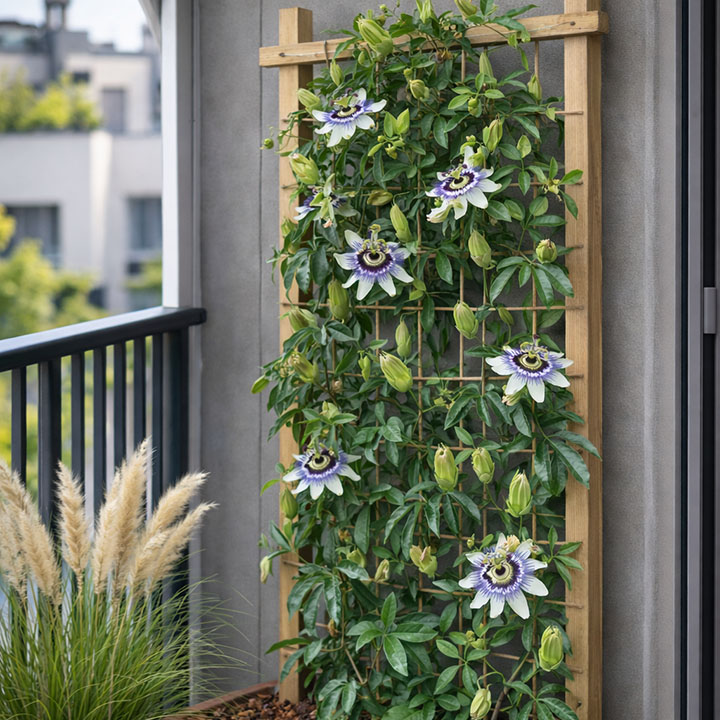
  • They support edible growing: peas, beans, cucumbers, tomatoes, and some passionfruit varieties can all be trained vertically.
  • They make plant care easier: lifting foliage off the ground improves airflow and can reduce mess.

Best Types of Trellis for a Balcony

Not every trellis suits every balcony. The best option depends on your available space, exposure, body corporate rules, and the weight your balcony can safely handle.

1. Freestanding Pot Trellis

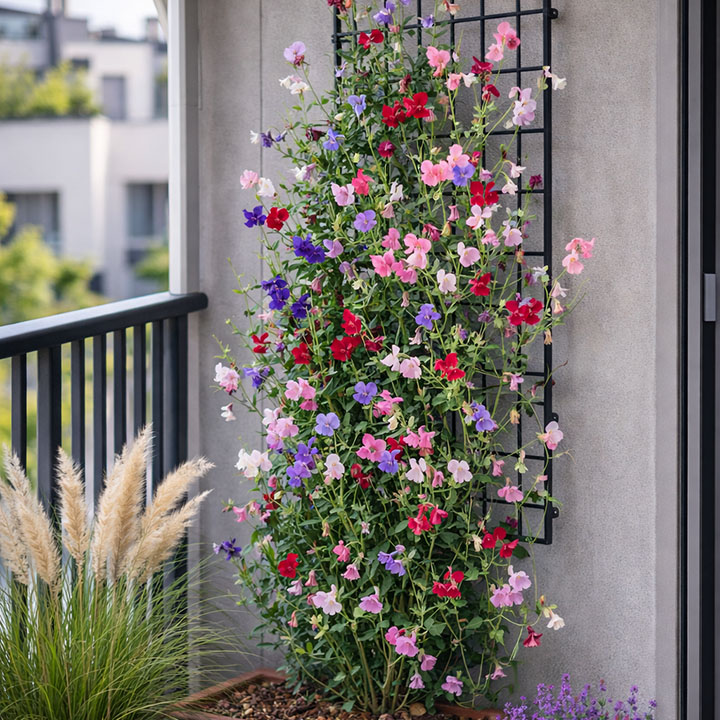
This is often the easiest choice for renters. The trellis sits directly inside a pot or planter, so there is no drilling or permanent fixing. It works well for jasmine, mandevilla, sweet peas, climbing beans, and compact edible vines.

2. Wall-Mounted Trellis

If your balcony allows it, a wall-mounted trellis creates a clean vertical garden with a small footprint. It is best for lightweight climbers and decorative screening. Make sure any installation is approved and suitable for outdoor conditions.

3. Wire or Mesh Panel

Wire grids, stainless steel cables, or mesh panels give a modern look and can support many lightweight climbing plants. They are especially useful for contemporary apartment balconies where you want a neat, minimal design.

4. Expandable Trellis

Expandable wooden or plastic trellises are flexible and easy to fit into awkward spaces. They are good for decorative climbers and annual vines but usually less suitable for heavy crops.

5. Privacy Screen Trellis

This combines screening and plant support in one. It is ideal if your balcony overlooks nearby apartments and you want a greener, more secluded feel. Choose a sturdy design that can handle wind.

How to Choose the Right Trellis for Australian Conditions

Australian balconies can be surprisingly tough environments. Many receive intense UV exposure, hot reflected heat from concrete, strong drying winds, and sudden weather changes. Choose a trellis that matches both your plant and your climate.

  • For full sun balconies: use durable powder-coated metal, hardwood, or weather-resistant composite materials.
  • For coastal areas: avoid materials that rust easily. Marine-grade or powder-coated finishes are better near salt air.
  • For windy high-rises: choose compact, sturdy trellises and avoid large leafy climbers that may act like sails.
  • For renters: use freestanding or pot-mounted systems that do not require permanent changes.
  • For edible plants: make sure the structure is strong enough for the crop once watered, mature, and fruiting.

Best Plants for a Trellis Balcony Garden in Australia

The best plants depend on your sunlight, wind exposure, and local climate. It is always better to match plants to your balcony than to force unsuitable plants to survive.

Flowering Climbers

  • Star jasmine: fragrant, evergreen, and popular for privacy.
  • Mandevilla: great for warm balconies with bright light.
  • Hardenbergia: a lovely Australian native climber for many temperate areas.
  • Sweet peas: perfect for cooler seasons and colourful spring displays.
  • Clematis: works well in some climates with the right pot and root protection.

Edible Climbers

  • Snow peas and sugar snap peas: excellent for cool seasons.
  • Climbing beans: productive in warm weather.
  • Cucumbers: ideal for sunny balconies with regular watering.
  • Cherry tomatoes: some varieties can be trained with support.
  • Mini passionfruit: possible on larger, sunny balconies with a strong trellis and large pot.

Foliage and Screening Plants

  • Climbing fig: best used with care, as it can cling strongly to surfaces.
  • Pandorea: attractive and useful for screening in suitable climates.
  • Native twining plants: great for a softer, Australian look.

For very small balconies, choose lighter, more controlled growers. Avoid aggressive vines that quickly outgrow containers or become difficult to manage.

Balcony Direction and Light Matter

Before installing a trellis, watch how sunlight moves across your balcony. This determines which plants will thrive.

  • North-facing balconies: usually receive the most sun in Australia and suit many flowering and edible climbers.
  • East-facing balconies: get gentle morning light and are good for many herbs, flowers, and less heat-tolerant climbers.
  • West-facing balconies: can be brutally hot in summer and need heat-tolerant plants plus careful watering.
  • South-facing balconies: often have lower light and are better for shade-tolerant or part-shade climbers.

How Australian Cities Affect Your Trellis Garden

Australia’s major cities each create different balcony growing conditions. Even the same plant may perform very differently depending on location.

Sydney

Sydney balconies often deal with bright light, humidity, and coastal exposure. Plants may grow quickly, but salt air and strong sun can be hard on delicate leaves. Jasmine, mandevilla, climbing beans, and many herbs do well with regular water and wind protection.

Melbourne

Melbourne is famous for variable weather. Balcony gardeners may experience sun, cool changes, strong wind, and sudden temperature swings. Choose sturdy supports, secure pots well, and use flexible plant choices that handle change. Sweet peas, star jasmine, climbing roses in larger spaces, and seasonal edibles can all work well.

Brisbane

Brisbane’s warmth and humidity support fast growth, especially for tropical and subtropical climbers. However, summer rain and heat can also increase disease pressure if airflow is poor. Mandevilla, passionfruit, cucumbers, and beans often perform well on bright balconies.

Perth

Perth balconies often face strong sun, dry heat, and hot afternoon exposure. Watering becomes critical, and light-coloured pots can help reduce root heat. Choose heat-tolerant climbers and use mulch to keep the potting mix cooler for longer.

Adelaide

Adelaide can be hot and dry in summer, so moisture retention matters. Good drainage is still essential, but plants on trellises may need more frequent watering during heatwaves. Edible climbers should be placed where they receive strong light without baking against a hot wall.

Canberra

Canberra’s colder winters mean seasonal planning is important. Frost-sensitive climbers may struggle on exposed balconies, but cool-season crops like peas can shine. Portable pots are useful so plants can be moved into protection when needed.

Hobart

Hobart gardeners often need to make the most of sun and warmth. A north-facing trellis can help create a sheltered microclimate. Focus on hardy climbers and cool-climate seasonal edibles.

Darwin

Darwin’s tropical wet and dry seasons create different challenges. Fast growth is possible, but humidity, storms, and intense rainfall mean airflow and strong structures are essential. Choose vigorous warm-climate plants and check supports regularly.

How to Set Up a Trellis Balcony Garden

1. Check Safety First

Before adding anything to a balcony, confirm weight limits, drainage, and building rules. Wet soil, large pots, and tall supports can become very heavy. Never attach a structure in a way that could damage common property or create a wind hazard.

2. Choose the Right Container

Climbers need more root space than many people expect. Use a pot or planter large enough to support both the plant and the trellis. A deeper container usually gives better moisture stability and root health than a shallow one.

3. Use Quality Potting Mix

Do not use garden soil on a balcony. A premium potting mix designed for containers is lighter, drains better, and supports healthier roots. For hungry climbers, blend in compost or a controlled-release fertiliser suited to the plant type.

4. Secure the Trellis Properly

The trellis must be stable before the plant grows. Install it firmly into the container or structure. It should not wobble in wind or lean under the weight of foliage and fruit.

5. Plant and Train Early

Guide stems onto the trellis while they are still young and flexible. Use soft ties if needed, and avoid tying too tightly. Early training creates a neater, healthier plant and better coverage.

Watering and Feeding a Trellis Garden

Plants growing vertically often dry out faster than expected, especially in windy Australian conditions. The potting mix may look moist on top while being dry deeper down, or vice versa. Check regularly rather than watering on a fixed schedule alone.

  • Water deeply so roots grow down, not just near the surface.
  • Mulch the top of the pot to reduce evaporation.
  • Use self-watering planters or drip irrigation if your balcony gets very hot.
  • Feed flowering and fruiting climbers regularly during active growth.
  • Reduce feeding during winter or slower growth periods.

How to Handle Wind on a Balcony

Wind is one of the biggest challenges in balcony gardening. It dries leaves, damages stems, knocks over pots, and can stress climbing plants badly. A trellis can help, but it can also increase wind load if not chosen carefully.

  • Use heavier pots with a low centre of gravity.
  • Avoid oversized leafy climbers on very exposed balconies.
  • Choose sturdy supports rather than flimsy decorative trellises.
  • Group pots together to create a more sheltered microclimate.
  • Use wind-tolerant plants in exposed positions.

Seasonal Care for Trellis Balcony Gardens

Spring

This is the main season for planting and training new climbers in most southern parts of Australia. Refresh potting mix, fertilise, and check that your trellis is still secure after winter weather.

Summer

Expect faster growth, more watering, and greater heat stress. Watch west-facing balconies closely. Shade cloth, mulch, and morning watering can help during hot periods.

Autumn

This is a great time to tidy growth, replace tired annuals, and plant cool-season climbers such as peas in many regions. It is also a good time to assess what worked over summer.

Winter

Growth slows in cooler cities, though mild-climate balconies may still be productive. Water less often where evaporation drops, but do not let pots dry out completely. Protect sensitive plants from frost and icy wind where relevant.

Common Trellis Balcony Garden Mistakes

  • Using a trellis that is too weak for the mature plant.
  • Choosing fast-growing vines for a very small balcony.
  • Ignoring wind exposure.
  • Using pots that are too small.
  • Letting climbers become tangled before training them.
  • Underwatering in summer heat.
  • Overcrowding the balcony and reducing airflow.
  • Installing structures without checking building or rental rules.

Design Ideas for a Beautiful Trellis Balcony Garden

A trellis garden can be practical and attractive at the same time. You might create a flowering privacy wall, a Mediterranean edible corner, or a soft native screening feature. Repeating planter colours, using a limited plant palette, and mixing upright climbers with trailing plants can make the whole space feel intentional and calm.

For a modern Australian apartment look, pair black or timber trellises with terracotta or neutral pots. For a softer cottage style, use flowering climbers with herbs and seasonal colour underneath. For an edible balcony, combine climbing beans, cucumbers, peas, and basil or parsley in nearby pots.

Final Thoughts

A trellis balcony garden is one of the best ways to get more greenery, beauty, privacy, and productivity from a small outdoor space. In Australia, success comes from matching the trellis, pot size, and plant choice to your city, your balcony direction, and your exposure to sun and wind. Start simple, choose reliable plants, secure everything well, and build from there. Even a very small balcony can become a lush vertical garden with the right setup.

Frequently Asked Questions

What is the best trellis for a small balcony?

A freestanding pot trellis is usually the best option for a small balcony because it does not require drilling and uses very little floor space. It is especially good for renters.

Can I grow vegetables on a balcony trellis?

Yes. Many vegetables grow well on a trellis, including climbing beans, peas, cucumbers, and some tomatoes. Choose a sunny spot, a strong support, and a large enough pot.

Which climbing plants are best for Australian balconies?

Popular choices include star jasmine, mandevilla, hardenbergia, climbing beans, peas, and cucumbers. The best option depends on your city, sunlight, and wind exposure.

Is a trellis safe on a windy balcony?

It can be, but only if it is chosen carefully and secured properly. Windy balconies need sturdy, compact supports and plants that can handle exposure. Avoid flimsy trellises and top-heavy setups.

Do trellis plants need big pots?

Usually, yes. Climbing plants often need more root room than expected, especially if they flower or fruit heavily. Bigger pots also dry out more slowly and provide better stability.

Can I use a trellis for privacy on an apartment balcony?

Yes. A trellis with suitable climbers can create a natural privacy screen while still looking attractive. Just make sure it complies with your building rules and is safe for your balcony conditions.

How often should I water a trellis balcony garden?

It depends on the season, pot size, plant type, and exposure. In hot Australian summers, some balcony pots may need watering daily. In cooler weather, much less often may be needed. Always check the potting mix before watering.

What grows well on a south-facing balcony trellis?

A south-facing balcony is usually better for part-shade or lower-light plants. Choose species that do not demand intense all-day sun, and focus on foliage, seasonal climbers, or shade-tolerant varieties suited to your local climate.

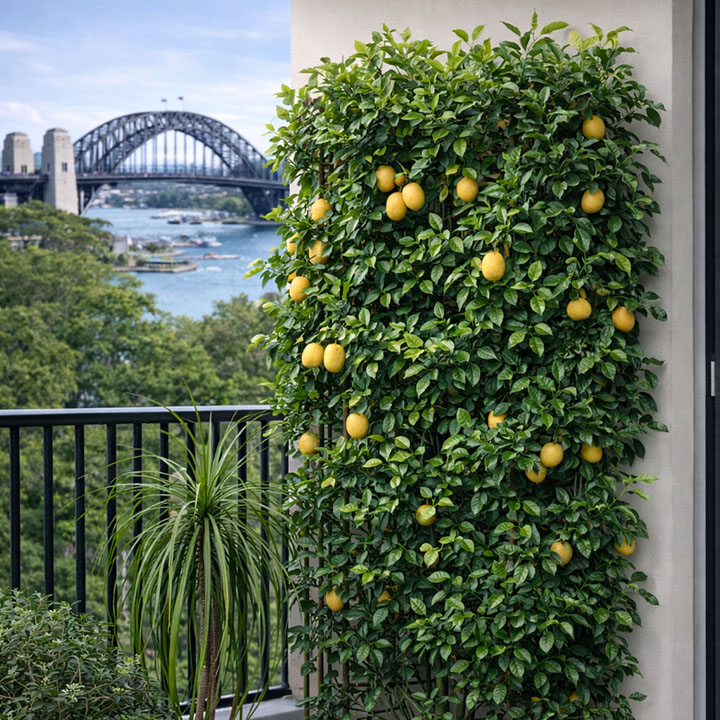
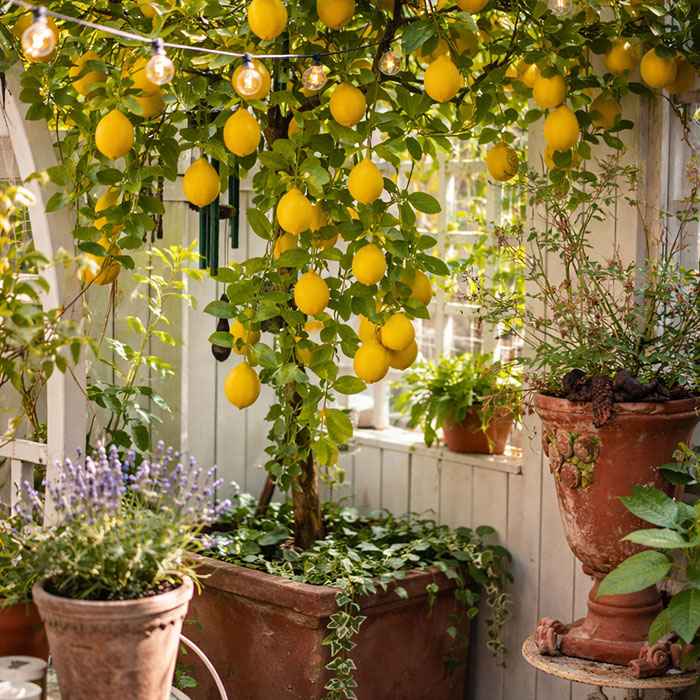
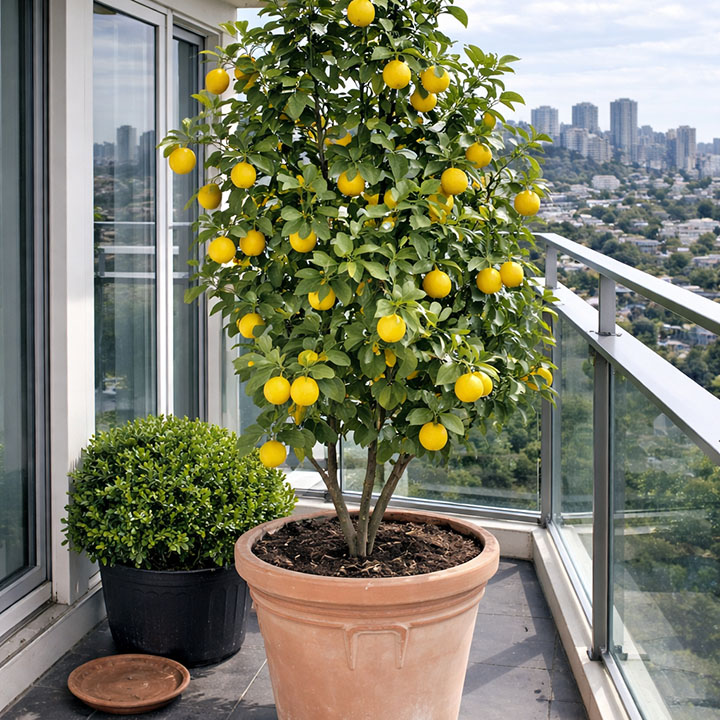
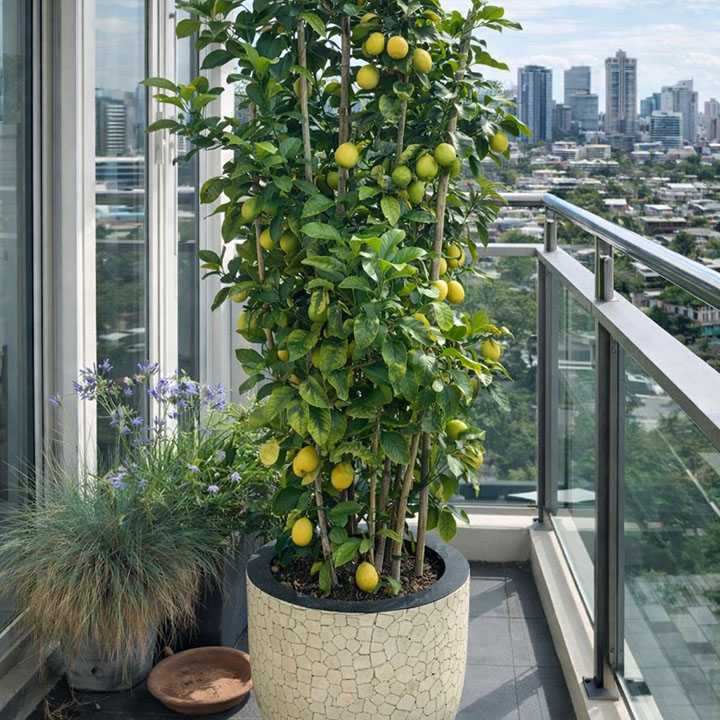
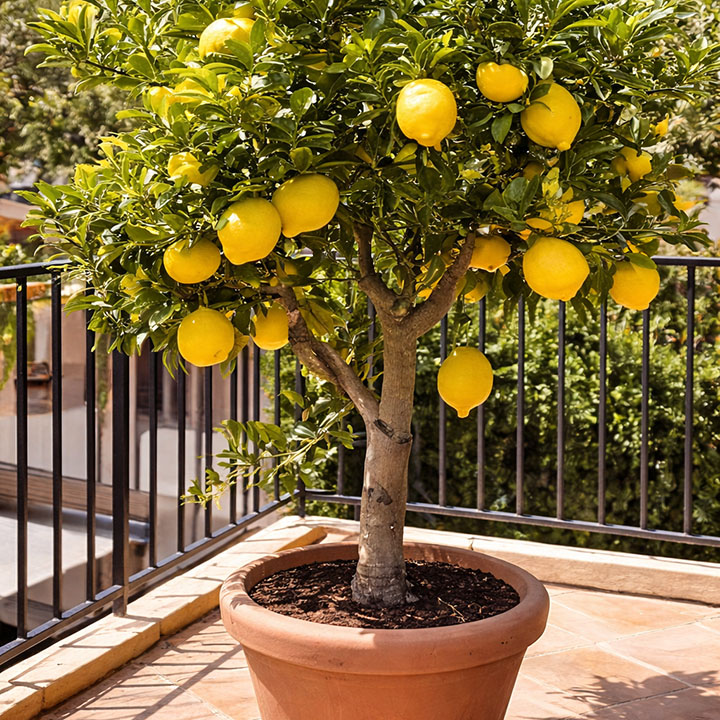
Growing lemons on a balcony is one of the most rewarding ways to turn a small outdoor space into something beautiful and useful. A healthy lemon tree looks great year round, fills the air with fragrance when in flower, and gives you fruit you can actually use. The good news for Australian gardeners is that lemons grow well in containers when you give them enough sun, the right potting mix, and regular feeding.

Whether you have a sunny apartment balcony in Brisbane, a windy terrace in Melbourne, or a compact courtyard-style balcony in Sydney, you can grow lemons successfully in a pot. The key is to treat your lemon tree like a long-term container plant rather than a backyard tree. That means choosing the right variety, keeping roots healthy, and adjusting your watering to your local climate.

In this guide, you’ll learn the best lemon varieties for balconies, how to plant and care for them in Australian conditions, and how to adapt your approach depending on your city and the weather.

Why lemons are ideal for balconies

  • They grow well in large pots.
  • Dwarf varieties stay compact and productive.
  • They are evergreen, so your balcony looks good all year.
  • The flowers are highly fragrant.
  • You get edible fruit from a relatively small space.
  • With pruning, they can be kept at a manageable size for years.

If your balcony gets strong sun for much of the day, lemons are one of the best fruiting plants you can grow in Australia.

Best lemon varieties for balcony growing

Not all lemon trees are equally suited to pots. For balcony gardening, look for a dwarf or grafted lemon tree rather than a full-size backyard specimen.

Best options

  • Dwarf Meyer Lemon – usually the easiest choice for balconies. It is compact, productive, and generally a little more forgiving in cooler areas.
  • Dwarf Eureka Lemon – a classic true lemon with strong flavour and reliable cropping.
  • Dwarf Lisbon Lemon – vigorous and productive, but often a bit thornier and stronger growing than Meyer.

If you live in a cooler city such as Melbourne, Hobart or Canberra, a Meyer lemon is often the safest beginner choice. If you want a more classic supermarket-style lemon flavour, Eureka or Lisbon are excellent, especially on warmer, sunnier balconies.

How much sun do balcony lemon trees need?

Lemon trees need plenty of direct sun to flower, set fruit and ripen it properly. A balcony lemon should ideally get at least 5 to 6 hours of direct sun a day, and more is better.

Morning sun with afternoon light is good, but full sun is best in most Australian cities. If your balcony is shaded for most of the day, your lemon may still survive, but growth will be slow and fruiting can be disappointing.

North-facing balconies are usually ideal in Australia. East-facing balconies can still work well. West-facing balconies can be excellent for fruiting, but they may need extra watering in summer because pots dry out fast in hot afternoon sun. South-facing balconies are usually the most difficult for lemons unless the site is unusually bright.

Choosing the right pot

Your pot matters more than many beginners realise. A lemon tree in a small container may survive for a while, but it will struggle to stay healthy and productive long term.

Pot size guide

  • Start with a pot around 40 to 50cm wide for a young dwarf tree.
  • Move up over time to a final pot around 55 to 70cm wide, depending on the variety and your space.
  • Choose the biggest pot your balcony and layout comfortably allow.

Terracotta looks beautiful but dries out faster. Plastic and glazed pots hold moisture better. Lightweight composite pots are often a practical option for apartment balconies where weight matters.

Whatever you choose, make sure the pot has generous drainage holes. Lemon trees hate sitting in soggy mix.

The best potting mix for lemons

Do not use garden soil in containers. It compacts too easily and can lead to poor drainage. Instead, use a high-quality premium potting mix suitable for citrus or fruiting plants.

Your lemon tree will do best in a mix that is:

  • free draining
  • moisture retentive but not waterlogged
  • rich enough to support steady growth
  • slightly acidic to neutral

You can improve a premium potting mix by blending in a little coarse material for drainage if needed, but avoid making it too lean. Lemons are hungry plants and need a mix that can hold moisture and nutrients.

A layer of mulch on top helps keep roots cooler and slows evaporation, especially in hot Australian summers.

How to plant a lemon tree in a pot

  1. Choose a large pot with excellent drainage.
  2. Part-fill with premium potting mix.
  3. Remove the tree from its nursery pot gently.
  4. Tease out any circling roots if they are tightly bound.
  5. Place the tree so the top of the root ball sits just above the finished soil level.
  6. Backfill around the root ball and firm lightly.
  7. Water deeply until water drains freely from the base.
  8. Add mulch on top, keeping it slightly away from the trunk.

Do not bury the graft union. That swollen grafted section near the base of the trunk should stay above the soil line.

Watering lemons on a balcony

Watering is the biggest factor in success or failure with potted lemons. In a container, the roots rely entirely on you. Too little water causes leaf drop, fruit drop and stress. Too much water causes root problems and yellowing leaves.

How to water properly

  • Water deeply so the entire root ball gets wet.
  • Let the top few centimetres of potting mix dry slightly before watering again.
  • Never leave the pot standing in a saucer of water for long periods.
  • Check moisture more often during hot or windy weather.

In summer, a balcony lemon may need water several times a week, and in heatwaves it may need checking daily. In winter, watering usually slows down a lot, especially in southern cities.

Wind is a major issue on balconies. Even when temperatures are mild, strong wind can dry out a pot surprisingly quickly. If your site is exposed, moisture can disappear faster than you expect.

How often to feed lemon trees in pots

Lemons are heavy feeders. A hungry citrus tree will often look pale, stall in growth, or carry poor fruit. Because nutrients wash out of pots over time, feeding regularly is essential.

A simple approach is to use a quality citrus fertiliser through the warmer part of the year, following the product directions. Many balcony gardeners also add a slow-release fertiliser in spring and top up with liquid feeding during active growth.

Good feeding rhythm

  • Early spring: main feed as new growth begins
  • Late spring to summer: regular top-up feeding
  • Early autumn: lighter feed if the tree is still active
  • Winter: usually reduce feeding in cooler climates

If leaves yellow but the veins stay greener, nutrient deficiency may be part of the problem. Citrus-specific fertilisers often include trace elements that help prevent this.

Pruning and shaping a balcony lemon tree

One of the advantages of growing lemons in pots is that they are easy to keep compact. You do not need to prune heavily, but light shaping makes a big difference.

What to prune

  • dead, damaged or diseased wood
  • crossing branches
  • very long, awkward shoots that spoil the shape
  • growth from below the graft

Aim for an open, balanced canopy that lets in light and air. This helps fruit ripen and reduces crowding. Light pruning after fruiting is usually enough for container lemons.

Pollination and fruit set

Lemon trees are self-fertile, so you only need one tree to get fruit. Bees and other pollinators help, but you do not need a second lemon tree for pollination.

Sometimes a young tree flowers but drops tiny fruit. This is common when the tree is still establishing, when watering is inconsistent, or when the plant is carrying more fruit than it can support.

Don’t panic if a newly planted tree drops its first fruit. Focus on root growth and canopy health first. Better crops usually follow once the tree settles in.

Australian city and weather guide for balcony lemons

Australia’s cities create very different growing conditions for lemons in pots. Use your local climate as a guide when deciding where to place the tree and how often to water.

Sydney

Sydney is generally excellent for balcony lemons. Warm conditions, decent humidity and relatively reliable rainfall support good growth, but potted plants still dry out quickly in sun and wind. Watch exposed balconies near the coast, where salt-laden winds can stress foliage. Give your tree maximum sun and shelter it from harsh gusts if possible.

Melbourne

Melbourne’s variable weather means your watering and protection routine needs to be flexible. A lemon tree may enjoy warm sun one week and cool windy conditions the next. Choose the warmest, brightest position on the balcony, ideally near a wall that radiates heat. Meyer lemons are often especially well suited to Melbourne because they cope better with cooler conditions than fussier options.

Brisbane

Brisbane’s warmth makes lemons easy to grow, but high summer humidity and heavy rain can increase disease pressure if airflow is poor. Make sure the pot drains freely and avoid a cramped corner where the foliage stays wet for long periods. During hot periods, container plants can still need frequent watering despite the subtropical climate.

Perth

Perth is very suitable for lemons, but the hot, dry summer pattern means containers can dry rapidly. Mulch generously, water deeply, and be prepared for more frequent watering in summer than you might expect. A spot with full sun is ideal, but some late afternoon protection can help during severe heat.

Adelaide

Adelaide’s hot dry summers and cooler winters suit lemons well overall, but potted trees need close attention during heat. Balcony surfaces can reflect extra warmth, so roots may run hotter than in the ground. Use a large pot, mulch well, and don’t let the mix dry out completely during summer.

Hobart

Hobart is cooler, so position matters more. Choose the sunniest, most protected part of the balcony, ideally with reflected heat from a wall. A dwarf Meyer lemon is often the best choice. Winter cold and slow growth are normal, so don’t overwater during the cooler months.

Canberra

Canberra can grow lemons in pots, but frost and winter cold are the main challenge. Use a warm microclimate, such as a north-facing balcony near brick or masonry, and protect the tree during cold snaps. A movable pot is a big advantage here because it lets you shift the plant into a more sheltered position when needed.

These city differences reflect broad long-term climate patterns: Brisbane and Sydney are wetter and more humid, Perth and Adelaide have strongly dry summers, Melbourne is comparatively even but changeable, and Hobart and Canberra are cooler with greater cold risk in winter.

Protecting lemons from wind, heat and frost

Balcony conditions are often harsher than backyard conditions. Wind tunnels, reflected heat, and cold exposure can all stress citrus.

Wind

Strong wind dries leaves and potting mix, damages flowers and can knock off small fruit. If your balcony is exposed, place the lemon near a screen, railing barrier or wall that reduces the worst gusts without cutting out too much light.

Heat

During Australian summer heatwaves, dark pots and hard balcony surfaces can become very hot. Mulch the surface of the pot, water early in the day, and consider temporary shade during extreme late-afternoon heat if the tree is stressed.

Frost

In colder areas, move the pot to the warmest protected part of the balcony or close to the building. Covering the tree overnight during frost events can also help. Meyer lemons are often a smarter choice for cooler southern regions.

Repotting and root care

Even a well-cared-for lemon tree will eventually fill its pot with roots. If growth slows, watering becomes difficult, or the mix seems exhausted very quickly, it may be time to repot.

Repot into a slightly larger container when needed, or lift the tree from the pot, lightly prune some outer roots, and refresh the potting mix if you want to keep it in the same container size. This is a useful long-term strategy for balcony gardeners with limited space.

Refreshing potting mix every few years can make a major difference to plant health and fruiting.

Common lemon problems on balconies

Yellow leaves

This can be caused by inconsistent watering, poor drainage, cold stress or nutrient deficiency. Check the moisture level first and make sure the pot drains well.

Fruit drop

A young tree often drops some fruit naturally. Stress from drying out, wind or sudden temperature shifts can also trigger fruit drop.

No fruit

Usually this comes down to lack of sun, too much shade, not enough feeding, or a plant that is still immature.

Leaves curling or looking scorched

This often points to heat, drying winds, or irregular watering. On exposed balconies, these conditions can appear quickly.

Pests

Keep an eye out for aphids, scale, mealybugs and citrus leaf miner, especially on soft new growth. Healthy, well-fed plants usually cope better than stressed ones. Check leaves regularly so you catch problems early.

Seasonal care calendar for Australian balcony lemons

Spring

  • Increase feeding as growth starts.
  • Check whether the tree needs repotting.
  • Watch for fresh pest activity.
  • Enjoy the flowers and new growth.

Summer

  • Water more often.
  • Mulch to protect roots.
  • Protect from extreme heat and harsh wind.
  • Feed during active growth.

Autumn

  • Harvest ripe fruit.
  • Lightly tidy the tree if needed.
  • Reduce feeding as temperatures cool in southern areas.

Winter

  • Water less often.
  • Protect from frost in colder cities.
  • Keep the tree in maximum available sun.
  • Avoid keeping the pot too wet in cool weather.

Final tips for success

  • Choose a dwarf variety from the start.
  • Give it as much direct sun as possible.
  • Use a large pot with excellent drainage.
  • Feed more regularly than you think you need to.
  • Adjust watering to weather, not just the calendar.
  • Protect the tree from harsh wind and cold snaps.
  • Be patient with young trees while they establish.

A balcony lemon tree is not just possible in Australia, it is often one of the best edible plants for small-space gardeners. With the right variety and a little seasonal care, you can enjoy glossy foliage, perfumed flowers and home-grown lemons from a pot for many years.

FAQ: How to grow lemons on a balcony

Can you really grow a lemon tree on a balcony?

Yes. A dwarf lemon tree can grow very well on a balcony if it has enough direct sun, a large pot, quality potting mix and regular feeding.

What is the best lemon tree for a balcony in Australia?

Dwarf Meyer is often the easiest all-round choice for Australian balconies, especially in cooler cities. Dwarf Eureka and dwarf Lisbon are also excellent if you want a stronger classic lemon flavour.

How much sun does a balcony lemon tree need?

Aim for at least 5 to 6 hours of direct sun a day. More sun usually means better flowering, fruit set and ripening.

How often should I water a lemon tree in a pot?

There is no single schedule that fits every balcony. Water when the top layer of potting mix starts to dry, then water deeply. In summer you may need to check daily, especially during hot or windy weather.

Do lemon trees grow well in Melbourne?

Yes, but they need a warm, sunny and sheltered position. A Meyer lemon is often a smart choice for Melbourne balconies because it handles cooler conditions better than some other lemons.

Can I grow lemons on a balcony in Brisbane or Sydney?

Yes. Both cities are generally very suitable for lemons in pots. Just make sure the tree has excellent drainage, regular feeding and protection from harsh wind or overly wet, stagnant conditions.

Can lemon trees survive on a balcony in Canberra or Hobart?

Yes, but winter cold is the main challenge. Use the sunniest, most protected spot available, grow a dwarf Meyer lemon if possible, and protect the tree during frost or severe cold.

When should I repot a balcony lemon tree?

Repot when roots fill the pot, growth slows, or watering becomes difficult because the pot dries too quickly. Refreshing the potting mix every few years helps keep container lemons productive.

Why is my lemon tree flowering but not holding fruit?

This often happens with young trees or stressed plants. Inconsistent watering, low sun, nutrient shortage, wind and sudden weather swings can all cause fruit drop.

Do I need two lemon trees for fruit?

No. Lemon trees are self-fertile, so one healthy tree can produce fruit on its own.

Watering balcony plants sounds simple, but it is one of the biggest reasons container gardens thrive or fail. On an Australian balcony, pots dry faster than garden beds because they are exposed to sun, wind, reflected heat from walls and paving, and limited soil volume. That means balcony watering is less about sticking to a rigid schedule and more about learning how your plants, pots, and local climate behave.

Whether you garden in Melbourne, Sydney, Brisbane, Perth, Adelaide, Canberra, Hobart or Darwin, the basic rule is the same: water deeply when the potting mix needs it, not just when the calendar says so. Hot, windy weather can make potted plants dry out quickly, while cool or humid conditions can keep moisture in the pot for much longer. Official Australian guidance also notes that small pots dry out faster, hot and windy weather increases water needs, and deep watering is generally better than frequent light sprinkling.

Why balcony plants need special watering

Balcony gardens live in a tougher environment than plants in the ground. Containers have a limited amount of potting mix, so there is less room to store water. Balconies are also often warmer and windier than ground-level gardens, especially in apartments with western sun, exposed corners, metal railings, or heat-reflective walls.

Australian local council and gardening advice consistently points out that potted plants need more frequent watering in warm weather, that windy conditions speed up drying, and that larger pots hold moisture longer than small ones.

  • Small pots dry out very fast.
  • Terracotta pots lose moisture faster than glazed or plastic pots.
  • Plants in full sun need more frequent checking than plants in shade.
  • Windy balconies can dry pots even when temperatures are mild.
  • Edibles and flowering plants usually need more consistent moisture than tough foliage plants.

The best way to tell when a balcony plant needs water

The most reliable method is to check the potting mix, not guess. Push your finger a few centimetres into the soil. If the top layer is dry but it still feels damp underneath, the plant may not need water yet. If the mix feels dry deeper down, it is time to water. This “check first” approach is recommended in local Australian gardening advice because watering too often can be just as harmful as watering too little.

You can also look for these signs:

  • Leaves drooping in the morning, not just in afternoon heat
  • Potting mix pulling away from the sides of the pot
  • A pot that feels very light when lifted
  • Dry, pale, dusty-looking soil surface
  • Flowers dropping early or vegetable plants developing stress

Be careful though: drooping can mean either underwatering or overwatering. If the soil is already wet and the plant still looks limp, the issue may be poor drainage or root stress rather than lack of water.

How to water balcony plants properly

The goal is to water thoroughly so the entire root ball is moistened. A quick splash on the surface is rarely enough. Deep watering encourages roots to grow further into the potting mix instead of staying near the dry, hot top layer. Australian gardening guidance also notes that deep watering is better than frequent shallow watering for stronger root development.

  1. Water slowly. Pour water gently around the whole surface of the pot, not just in one spot.
  2. Keep going until water drains from the bottom. That shows the mix has been properly soaked.
  3. Let excess water drain away. Do not leave most plants sitting in water-filled saucers for long periods.
  4. Repeat if the mix is very dry. Sometimes dry potting mix becomes water-repellent. In that case, water lightly, wait a few minutes, then water again.

If your potting mix has become extremely dry, water can run straight through without soaking in. When that happens, re-wet the soil slowly in stages, or stand the pot in a shallow tub of water for a short time so the mix can absorb moisture from below.

Morning or evening: when is the best time to water?

Early morning is usually the best time to water balcony plants. It gives roots access to moisture before the heat of the day and reduces water loss from evaporation. Morning watering also helps foliage dry more quickly, which can reduce disease pressure on some plants.

Evening watering can still be useful during heatwaves or on extremely hot balconies, especially when plants are under obvious stress. Just avoid regularly wetting leaves late at night if fungal disease is an issue.

On very hot or windy days, some plants may need checking again in late afternoon, especially small pots, hanging baskets, rail planters, herbs, vegetables, and flowering annuals. Official local advice notes that daily watering may be necessary in hot or windy conditions.

How often should you water balcony plants?

There is no single schedule that suits every balcony. Frequency depends on weather, season, pot size, pot material, plant type, and your exact balcony exposure. Use this as a practical guide rather than a strict rule.

  • Summer: Daily checking is essential. Some plants may need water every day, especially in small pots or on windy, sunny balconies.
  • Spring and autumn: Many pots need watering every few days, but warm spells can push this up quickly.
  • Winter: Growth slows and evaporation drops, so many balcony plants need much less water. Overwatering becomes a bigger risk.

As a general pattern, small containers and baskets need water more often than large tubs, and thirsty plants like tomatoes, strawberries, basil, petunias, and lettuce need closer monitoring than tougher plants such as rosemary, succulents, and many Australian natives once established.

Balcony watering tips for Australian cities

Australia’s capital cities have very different rainfall, heat and humidity patterns. The Bureau of Meteorology’s city climate summaries show that Australian climates vary significantly across the country, which is why watering routines that work in one city often need adjusting in another.

Sydney

Sydney balconies often deal with bright sun, humidity, and periods of strong coastal wind. In warm weather, check pots daily, especially if your balcony faces north or west. Humidity can slow drying a little compared with inland cities, but wind exposure can cancel that out fast. Good drainage matters because regular rainfall and humid conditions can keep soil wet for longer than expected.

Melbourne

Melbourne’s changeable weather means you need to stay flexible. A cool week may barely dry your pots, then a hot northerly wind can dry them out in a day. Balcony gardeners in Melbourne should pay special attention to wind exposure. Rather than watering on autopilot, check moisture levels often and be ready to increase watering during dry, windy bursts.

Brisbane

Brisbane’s warmth and humidity support lush balcony growth, but summer heat can still be intense. Pots may stay moist a little longer than in drier cities, yet heavy rain followed by hot sun can create a cycle of wet-dry stress. Make sure containers drain well, and reduce watering after rain instead of sticking to a routine.

Perth

Perth balconies often face long dry periods, strong sun and summer heat. Containers can dry rapidly, particularly in exposed positions. Large pots, mulch, and self-watering containers can make a huge difference here. Morning watering is especially helpful during hot spells so plants start the day with moisture available around the roots.

Adelaide

Adelaide gardeners often deal with dry heat and hot winds, which can be punishing on balcony plants. Expect containers to dry quickly in summer, especially on paved or west-facing balconies. Deep watering, mulch, and some afternoon shade for tender plants can help reduce stress.

Canberra

Canberra’s hot summers and cold winters create two different watering patterns. In summer, sunny balconies may need frequent watering. In winter, evaporation drops sharply, so many pots stay wet much longer. Reduce watering in cold weather and always check the soil before adding more.

Hobart

Hobart is cooler than mainland capitals, so balcony plants generally need less frequent watering in cooler months. But wind can still be a major factor, and sunny sheltered balconies can dry more quickly than you think. Watch for overwatering in winter, especially with slow-growing plants.

Darwin

Darwin’s tropical climate means fast growth, high humidity, and distinct wet and dry season patterns. In the build-up and dry season, many balcony plants may need frequent watering, while in the wet season you may need to scale back dramatically. Excellent drainage is essential so roots do not stay waterlogged for long periods.

How pot size, material and position affect watering

If you want to reduce watering chores, container choice matters almost as much as plant choice.

  • Bigger pots hold more potting mix and stay moist longer than small pots. Official local advice highlights that larger containers generally require less frequent watering than smaller ones.
  • Terracotta pots look beautiful but dry out faster because the material is porous.
  • Plastic and glazed pots usually hold moisture longer.
  • Dark pots heat up more in direct sun.
  • Hanging baskets and railing planters are the quickest to dry out.

Balcony position matters too. A sheltered south-facing balcony in Melbourne may need far less water than a west-facing concrete balcony in Perth or Adelaide. Observe your own space and adjust accordingly.

How to reduce water loss on a balcony

The easiest way to improve watering success is to slow down how quickly your pots dry out.

  • Use premium potting mix that holds moisture well but still drains freely.
  • Add mulch to the surface of pots to reduce evaporation.
  • Group plants together to create a slightly more humid microclimate.
  • Move thirstier plants out of strong wind where possible.
  • Use saucers carefully for short-term capture of water in hot weather, but do not leave most plants sitting in stagnant water.
  • Install drip irrigation or self-watering pots if you have many containers or travel often.

Australian local advice for small-space and potted gardening specifically recommends solutions such as self-watering pots, drip systems, and protecting pots from drying winds.

How to water different types of balcony plants

Herbs

Soft herbs like basil, coriander and parsley prefer more consistent moisture than woody herbs. Rosemary and thyme are far more forgiving once established and can suffer if constantly wet.

Vegetables

Tomatoes, cucumbers, chillies, lettuce and strawberries are usually among the thirstiest balcony plants. Irregular watering can lead to split fruit, bitter leaves, blossom-end issues and reduced harvests. Keep moisture as even as possible.

Flowering annuals

Petunias, calibrachoa, pansies and other flowering balcony favourites often need regular watering, especially in hanging baskets and railing planters. When they dry out too often, flowering usually drops.

Succulents and cacti

These need far less frequent watering and are much more likely to suffer from overwatering than underwatering. Let the mix dry properly between waterings.

Australian natives

Many natives are more drought-tolerant once established, but even tough natives in pots still need regular monitoring while young and in hot weather. Some official advice warns that overwatering can discourage deep root development, so aim for proper soakings rather than constant fussing.

Common balcony watering mistakes

  • Watering every day automatically without checking the soil first
  • Giving only a light sprinkle instead of soaking the whole pot
  • Using pots with poor drainage
  • Ignoring wind, which can dry plants faster than heat alone
  • Using tiny pots for thirsty plants
  • Letting pots become bone dry repeatedly
  • Keeping plants permanently wet in winter

If your balcony plants struggle despite regular watering, the problem may not be the amount of water but the pattern. Consistent deep watering, good drainage, and matching the plant to the location usually solve more problems than watering more often.

Watering balcony plants while you are away

If you are away for a weekend or longer, plan ahead. Move pots into a slightly shadier, more sheltered position, group them together, mulch the surface, and water deeply before leaving. Self-watering pots, capillary systems, drip irrigation kits and watering spikes can all help. For very exposed balconies in summer, asking a neighbour or friend to check your plants is often the safest option.

Final thoughts

The secret to watering balcony plants well is not a perfect timetable. It is observation. Australian balconies vary enormously between cities, seasons and even apartment levels. Learn how quickly your own containers dry, water deeply when needed, and adjust as the weather changes. Once you understand that rhythm, watering becomes much easier and your balcony garden will look healthier, flower better, and produce more.

FAQ: How to Water Balcony Plants

How often should I water balcony plants in Australia?

It depends on the season, city, plant type, pot size and balcony exposure. In summer, some pots may need checking every day. In winter, many need far less frequent watering. Always check the potting mix first instead of watering to a fixed schedule.

Is morning or evening better for watering balcony plants?

Morning is usually best because it gives plants moisture before the day heats up and reduces evaporation losses. Evening can still help during very hot weather, but avoid leaving foliage wet for long periods if disease is a concern.

Can I overwater plants in pots?

Yes. Overwatering is very common in containers, especially in winter or on shaded balconies. Wet soil that stays soggy can damage roots and cause yellowing, drooping and poor growth.

Do balcony plants need water every day in summer?

Some do, especially herbs, vegetables, annual flowers, hanging baskets and small pots in full sun or wind. Others may last longer. Hot and windy weather can make daily watering necessary for some containers.

What is the best pot for reducing watering?

Larger pots generally reduce watering frequency because they hold more potting mix and moisture. Plastic, glazed and self-watering pots usually stay moist longer than terracotta.

Should water come out of the bottom of the pot?

Usually yes. When water drains from the bottom, it is a good sign that the whole root ball has been moistened. Just do not leave most plants sitting in water for extended periods.

How do I know if my plant is underwatered or overwatered?

Check the soil. If it is dry well below the surface, the plant likely needs water. If it is wet and the plant still looks limp or yellow, overwatering or drainage problems may be the issue.

Are self-watering pots good for balconies?

Yes, especially on hot, windy balconies or if you grow lots of herbs, vegetables or flowering plants. Australian local guidance for small-space gardens specifically recommends self-watering pots and drip systems as practical solutions.

Container gardening is one of the easiest ways to grow flowers, herbs, vegetables, and small shrubs in Australian homes. It suits balconies, courtyards, patios, rooftops, and rental properties because you do not need a backyard or permanent garden beds to get started. With the right pots, a good-quality potting mix, and plants matched to your local climate, a small space can become productive, attractive, and surprisingly low-maintenance.

This guide explains how container gardening works in Australia, how to choose the best pots and potting mix, what to grow in different cities, and how to care for your plants through heat, wind, rain, and seasonal change. Whether you live in Melbourne, Sydney, Brisbane, Perth, Adelaide, Canberra, Hobart, Darwin, or another Australian city, the principles are the same: match the plant to the pot, the pot to the site, and the watering routine to the weather.

What Is Container Gardening?

Container gardening means growing plants in pots, tubs, troughs, window boxes, raised planters, hanging baskets, or other movable containers instead of planting directly into the ground. It gives you more control over soil quality, drainage, positioning, and plant selection. It also makes it easier to protect plants from harsh weather, move them to follow the sun, and refresh your space seasonally.

For Australian households, container gardening is especially useful in urban settings where outdoor space is limited. It can also help gardeners work around poor soil, paved surfaces, rental restrictions, and changing sun exposure throughout the year.

Why Container Gardening Works So Well in Australia

Australia has a wide range of climates, from cool temperate southern cities to humid subtropical coasts and tropical north. Containers make it easier to adapt to these local differences because you can control drainage, choose climate-appropriate plants, and reposition pots as the seasons shift.

  • Small-space friendly: Perfect for balconies, terraces, entryways, rooftops, and tiny courtyards.
  • Flexible: Pots can be moved to chase winter sun or escape harsh summer heat.
  • Better control: You choose the potting mix, plant spacing, fertiliser, and watering routine.
  • Improved drainage: Containers are ideal for plants that dislike heavy or waterlogged soil.
  • Easy styling: You can mix edible plants with ornamentals for a practical and attractive garden.
  • Great for renters: No digging, no permanent changes, and easy to take with you if you move.

Best Places to Use Containers

You do not need a large area to create a successful container garden. Even a narrow balcony can support herbs, compact vegetables, screening plants, and flowers if the layout is planned properly.

  • Balconies: Ideal for herbs, flowers, dwarf citrus, screening plants, and vertical growing.
  • Courtyards: Great for larger pots, feature plants, and grouped container displays.
  • Patios and decks: Perfect for mixed edible and ornamental gardens near the kitchen.
  • Front entries: A good spot for statement pots and hardy, structured plants.
  • Rooftops: Suitable for tough, wind-tolerant plants in heavy, stable containers.
  • Indoor-outdoor transitions: Useful for shade-tolerant plants near windows, doors, and covered spaces.

How to Choose the Right Containers

The container itself affects plant health more than many beginners expect. Size, depth, drainage, material, weight, and colour all matter. A plant can only thrive if the root system has enough room and the pot drains well.

Choose a Pot Big Enough for the Plant

Small pots dry out quickly, especially in Australian summer conditions. Larger pots hold moisture longer, buffer roots from temperature swings, and support stronger growth. As a general rule, it is better to go slightly larger than too small.

  • Herbs: 20 to 30cm pots for most single plants.
  • Lettuce and leafy greens: Shallow troughs or wide bowls with good drainage.
  • Tomatoes, eggplant, chillies, and capsicum: At least 35 to 45cm wide and deep.
  • Dwarf citrus: Large pots, usually 40cm and up.
  • Shrubs and screening plants: Deep, stable containers with room for root development.

Always Prioritise Drainage

Every outdoor container should have drainage holes. Without them, roots can rot quickly. Use pot feet or risers if needed to keep water flowing freely, especially on tiled balconies and paved courtyards.

Pick a Suitable Pot Material

  • Terracotta: Attractive and breathable, but dries out faster in hot weather.
  • Plastic: Lightweight, affordable, and holds moisture well.
  • Fibreglass or resin: Durable and lighter than ceramic or concrete.
  • Ceramic: Stylish and stable, but often heavier and more expensive.
  • Metal: Modern look, though it can heat up quickly in full sun.
  • Timber planters: Good for larger edible gardens if lined and properly drained.

In hot Australian locations, lighter-coloured pots can help reduce root-zone heat. In windy areas, heavier containers provide more stability.

The Best Potting Mix for Container Gardening

Do not use garden soil in containers. It compacts too easily, drains poorly, and can introduce weeds and disease. Instead, use a premium potting mix formulated for containers. A high-quality mix will balance moisture retention, airflow, drainage, and nutrient supply.

Look for potting mix suited to the type of plant you are growing, such as mixes for vegetables, herbs, native plants, cacti, or citrus. You can also improve performance by adding ingredients such as coir for moisture retention, perlite for drainage, compost for nutrition, or mulch on the surface to reduce evaporation.

How Much Sun Do Container Plants Need?

Sunlight is one of the biggest factors in container gardening success. Before choosing plants, spend a few days observing how much direct sun your space gets and when it arrives. A balcony that feels bright all day may only get a few hours of true direct sun.

  • Full sun: 6 or more hours of direct sun. Best for tomatoes, chillies, rosemary, lavender, citrus, salvias, and many flowering plants.
  • Part sun or part shade: Around 3 to 5 hours of direct sun, or bright filtered light. Good for parsley, mint, lettuce, begonias, coleus, and many leafy greens.
  • Shade: Very little direct sun. Choose plants grown for foliage or low-light conditions, such as clivia, some ferns, peace lily, cast iron plant, or shade-tolerant ornamentals.

Remember that Australian summer sun can be intense. A full-sun balcony in Brisbane or Perth may need afternoon protection for some plants, while a south-facing balcony in Melbourne may need careful plant selection to make the most of limited light.

Container Gardening by Australian City and Climate

Australia’s major cities have very different growing conditions. Use your local climate as a guide when choosing plants, pot size, watering frequency, and seasonal timing.

Melbourne and Canberra

These cities experience cool winters, warm to hot summers, and noticeable seasonal change. Frost can affect some areas around Canberra, and Melbourne gardeners often deal with wind, quick weather changes, and variable temperatures.

Good choices: herbs, lettuce, spinach, violas, dwarf citrus, geraniums, dianella, lavender, strawberries, dwarf beans, and many cool-season vegetables.

Tips: Use larger pots to protect roots from heat and cold swings, stake taller plants on windy balconies, and shift tender plants to sheltered spots during cold snaps.

Sydney and Brisbane

These east coast cities generally have milder winters and warm, humid summers, though conditions vary by suburb and elevation. Plant growth can be strong for much of the year, but humidity increases pest and fungal pressure.

Good choices: basil, mint, parsley, chillies, lettuce in cooler months, dwarf citrus, lemongrass, sweet potato vine, pentas, hibiscus, and tropical-looking foliage plants.

Tips: Improve airflow between pots, water deeply rather than lightly, and watch for mildew, aphids, mealybugs, and caterpillars. In high summer, some leafy greens may bolt quickly.

Adelaide and Perth

These cities have hot, dry summers and milder, wetter winters. Water management becomes especially important, and exposed balconies can heat up fast.

Good choices: rosemary, thyme, oregano, lavender, succulents, native daisies, salvia, kangaroo paw, chillies, eggplant, and drought-tolerant shrubs.

Tips: Mulch container surfaces, water early in the morning, use self-watering pots where possible, and consider afternoon shade for delicate plants in peak summer.

Hobart

Hobart has cooler conditions than mainland capitals, with a shorter warm growing season. Containers can still perform beautifully, but plant choice and placement are important.

Good choices: leafy greens, peas, herbs, strawberries, violas, calendula, dwarf blueberries in suitable potting conditions, and hardy perennials.

Tips: Use the warmest part of your balcony or courtyard, maximise sun exposure, and avoid planting heat-loving crops too early.

Darwin and Tropical North

Tropical areas have distinct wet and dry seasons, high humidity, intense summer conditions, and heavy rainfall at certain times of year. Some classic southern crops struggle here in the hottest, wettest months.

Good choices: basil, lemongrass, chillies, snake beans, Asian greens in season, tropical ornamentals, ginger, turmeric, and heat-tolerant herbs.

Tips: Prioritise drainage, choose disease-resistant varieties where possible, protect pots from torrential rain, and grow many edibles in the drier, milder part of the year.

What to Grow in Containers

One of the best things about container gardening is the huge range of plants you can grow. Most small-space gardens combine three layers: useful edibles, flowering colour, and evergreen structure.

Best Edibles for Containers

  • Herbs such as basil, parsley, mint, thyme, oregano, chives, rosemary, and coriander
  • Leafy greens such as lettuce, rocket, spinach, and silverbeet
  • Compact vegetables such as cherry tomatoes, chillies, dwarf capsicum, bush beans, and radish
  • Fruit plants such as strawberries, dwarf citrus, and some compact blueberry varieties

Best Flowers for Containers

  • Petunias
  • Geraniums
  • Violas and pansies
  • Marigolds
  • Begonias
  • Salvias
  • Gaura
  • Brachyscome

Best Structural Plants for Containers

  • Dwarf olive
  • Dwarf citrus
  • Westringia
  • Dianella
  • Correa
  • Kangaroo paw
  • Compact grasses and strappy foliage plants

Try mixing productive plants with ornamentals. For example, a sunny Australian balcony might include rosemary, cherry tomatoes, strawberries, and marigolds in one grouping, while a shady balcony could combine ferns, clivia, coleus, and trailing foliage plants.

How to Water Container Plants Properly

Watering is the skill that makes or breaks container gardening. Pots dry out faster than garden beds, and Australian weather can swing quickly from cool to hot, calm to windy, or dry to stormy.

  • Check moisture with your finger before watering.
  • Water deeply until excess runs from the drainage holes.
  • Water in the morning where possible.
  • Increase checks during heatwaves, windy days, and dry spells.
  • Use saucers carefully and avoid leaving roots sitting in stagnant water for long periods.
  • Add mulch on top of the potting mix to slow evaporation.

Do not rely on a fixed schedule all year round. A pot that needs daily watering in January may only need occasional watering during a cool, wet winter week.

Feeding and Fertilising Container Gardens

Because container plants have limited soil, they use up nutrients more quickly than plants in the ground. Regular feeding keeps growth healthy, foliage green, and flowering or fruiting productive.

  • Use a slow-release fertiliser at planting time for many plants.
  • Top up with liquid fertiliser during the active growing season.
  • Feed flowering and fruiting plants more consistently than slow-growing foliage plants.
  • Refresh the top layer of potting mix when it becomes tired or compacted.

Always follow product directions and avoid overfeeding, especially in hot weather.

Managing Wind, Heat, Rain, and Frost

Australian container gardeners often need to manage weather extremes, especially on exposed balconies and rooftops.

Wind

Wind dries pots quickly, damages leaves, and can topple tall plants. Use heavier pots, place tall plants against walls or screens, and group containers together to create shelter.

Heat

During hot spells, move delicate plants out of harsh afternoon sun, increase watering checks, and avoid repotting or heavy pruning.

Heavy Rain

After prolonged rain, empty waterlogged saucers, check for poor drainage, and watch for fungal problems. Raise pots slightly if water pools underneath.

Cold and Frost

In colder regions, move tender pots closer to the house, under cover, or into protected corners during frosty nights. Containers are more exposed to cold than in-ground gardens, so roots need extra protection.

How to Arrange a Beautiful Container Garden

A good container garden should look layered and intentional, not random. Group pots instead of spacing them evenly around the edges of a balcony or courtyard. Vary heights, shapes, and plant forms for a fuller look.

  • Place tall plants at the back or in corners.
  • Use medium mounding plants to fill the middle layer.
  • Add trailing plants to soften edges and railings.
  • Repeat pot colours or plant types for a cohesive style.
  • Mix edible and ornamental plants so the garden feels lush and practical.

Even a small balcony can look generous if the layout has height, repetition, and a clear focal point.

Common Container Gardening Mistakes

  • Using pots that are too small
  • Choosing plants without checking sun exposure
  • Using garden soil instead of potting mix
  • Forgetting drainage holes
  • Watering too lightly or too often
  • Overcrowding containers
  • Ignoring wind exposure on balconies
  • Growing thirsty plants in tiny terracotta pots during peak summer
  • Not feeding regularly during active growth
  • Choosing plants unsuited to the local climate

Seasonal Container Gardening Tips for Australia

Spring

This is the main planting season in many southern Australian cities. Refresh potting mix, repot crowded plants, feed actively growing containers, and plant herbs, flowers, and warm-season edibles after cold risk eases.

Summer

Focus on watering, mulching, shade protection, and pest checks. Harvest regularly and deadhead flowering plants to keep them productive and tidy.

Autumn

A great time to plant many herbs, leafy greens, and cool-season flowers in southern and inland regions. Ease back on feeding as growth slows.

Winter

Reduce watering frequency, protect tender plants from frost where needed, and make the most of winter sun. In milder climates, winter can still be productive for herbs and cool-season vegetables.

Simple Container Gardening Starter Plan

If you are new to container gardening, start with a small, manageable setup rather than filling your entire balcony or courtyard at once.

  1. Observe your space for sun, wind, and exposure.
  2. Choose 3 to 5 containers with drainage holes.
  3. Buy premium potting mix suited to your plants.
  4. Start with easy performers such as herbs, lettuce, marigolds, rosemary, or strawberries.
  5. Group pots together for visual impact and easier watering.
  6. Check moisture regularly and feed during active growth.

Starting small helps you learn how your space behaves through different weather conditions before expanding.

Final Thoughts

Container gardening is one of the best ways to create a productive and beautiful outdoor space in Australia, no matter how small your home is. With the right containers, quality potting mix, climate-suitable plants, and a watering routine that adapts to the seasons, you can grow everything from herbs and salad greens to flowers, shrubs, and small fruiting plants.

The key is not to copy someone else’s garden exactly, but to work with your own conditions. Learn your sunlight, understand your city’s climate, choose plants that suit your weather, and let your container garden evolve over time. A few well-chosen pots can transform a balcony, patio, rooftop, or courtyard into a space that feels alive, useful, and unmistakably Australian.

FAQ: Container Gardening Guide

What grows best in containers in Australia?

Herbs, leafy greens, strawberries, cherry tomatoes, chillies, compact flowers, dwarf citrus, and many native plants all perform well in containers when matched to the local climate and sunlight conditions.

How often should I water container plants?

It depends on the season, pot size, plant type, and weather. In hot, windy conditions you may need to water daily, while in cool or wet weather much less frequent watering may be needed. Always check the potting mix before watering.

Can I grow vegetables in pots on a balcony?

Yes. Many vegetables grow well in containers, especially herbs, lettuce, spinach, radish, bush beans, chillies, and cherry tomatoes. Make sure the pots are large enough and the space receives suitable sun.

What size pot should I use?

Use the biggest practical pot for the plant and your space. Larger pots dry out more slowly and give roots more room. Fruiting plants, shrubs, and small trees usually need deeper and wider containers than herbs or leafy greens.

Is terracotta or plastic better for container gardening?

Both can work well. Terracotta is breathable and attractive but dries out faster. Plastic is lighter, often cheaper, and holds moisture better. The best option depends on your climate, watering habits, and balcony or courtyard conditions.

What is the best potting mix for containers?

A premium potting mix designed for container gardening is the best choice. Avoid garden soil. Choose a mix suited to your plant type, such as a vegetable, herb, citrus, succulent, or native blend.

Can native Australian plants grow in pots?

Yes. Many native plants grow very well in containers, especially compact species and cultivars such as westringia, correa, brachyscome, kangaroo paw, and some grevilleas. Use a suitable native potting mix where recommended.

How do I stop pots drying out so fast in summer?

Use larger pots, mulch the soil surface, group containers together, water deeply, and provide afternoon shade for more delicate plants. Self-watering pots can also help in hot Australian climates.

Can I leave container plants outside all year?

Many plants can stay outside year-round, but some may need protection during heatwaves, heavy rain, strong wind, or frost. Container plants are more exposed than in-ground plants, so seasonal adjustments are often necessary.
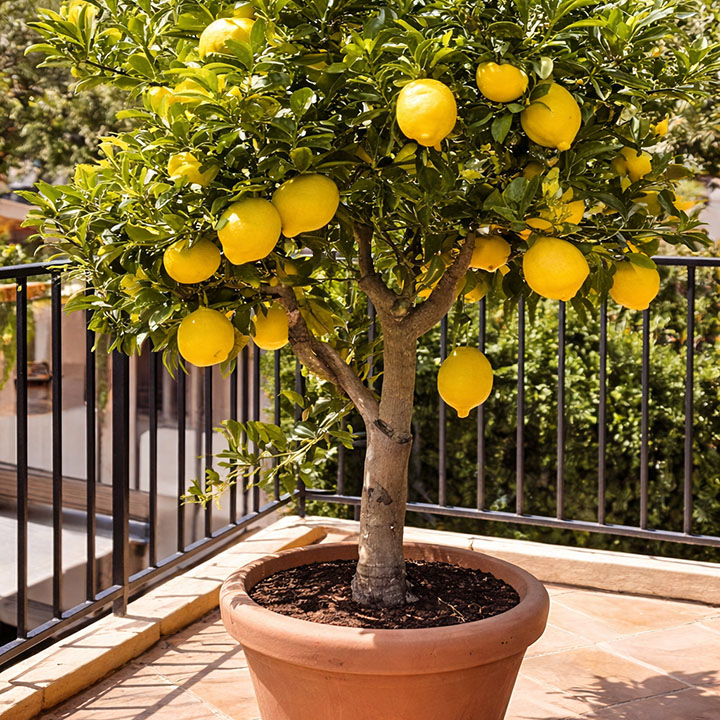
What is the easiest way to start a container garden?

Start with a few good-sized pots, premium potting mix, and easy plants such as basil, parsley, rosemary, lettuce, marigolds, or strawberries. Learn how your space handles sun and watering before expanding.

A full sun garden can be one of the most rewarding garden styles in Australia. When you choose the right plants, sunny spaces produce stronger flowering, better colour, faster growth, and a longer season of interest. In gardening terms, full sun usually means a spot that gets more than six hours of direct sun a day. That matters in Australia, where climate varies enormously from humid Brisbane and tropical Darwin to cooler Melbourne, Hobart, and Canberra.

The key to success is not simply picking “sun-loving” plants. It is choosing plants that can handle your version of full sun. A full sun garden in Perth is very different from a full sun garden in Hobart. Sydney and Brisbane often combine heat with humidity. Adelaide and Perth are more likely to test plants with dry heat. Melbourne can swing between cool, grey spells and harsh summer sun. Canberra adds frost risk in winter, while Darwin brings intense wet-season growth followed by a long dry season. Bureau of Meteorology climate data for Australia’s major cities shows exactly this spread in temperature and rainfall patterns.

What Makes a Plant Good for Full Sun?

The best plants for full sun usually share a few qualities. They cope with heat on leaves and roots, they do not collapse quickly when the soil dries, and they perform best with strong light rather than afternoon protection. Many also have small, silver, leathery, or aromatic leaves, which is often a clue that they can handle exposed conditions.

  • They flower or colour up best in direct sun
  • They tolerate heat reflecting from walls, paving, and fences
  • They recover well after hot or windy days
  • They suit free-draining soil or raised beds
  • They are easier to maintain than shade plants in bright exposed areas

Best Plants for Full Sun Gardens in Australia

Below is a practical mix of shrubs, perennials, natives, grasses, climbers, and edible plants that perform well in sunny Australian gardens. You do not need to use all of them. The strongest full sun gardens usually mix structure plants, flowering plants, and fillers.

1. Lavender

Lavender is one of the classic choices for hot, sunny gardens. It thrives in open positions, dislikes soggy roots, and gives you silver foliage plus fragrant purple flowers. It works beautifully in cottage, Mediterranean, and modern Australian garden styles.

  • Best for: borders, edging, pots, dry gardens
  • Likes: full sun, free-draining soil, low humidity
  • Watch for: poor drainage and overwatering

2. Rosemary

Rosemary is tough, useful, and attractive. It handles heat, reflected light, and dry spells very well once established. Upright forms can become small shrubs, while trailing varieties spill nicely over retaining walls and raised beds.

  • Best for: herb gardens, low hedges, dry borders
  • Bonus: edible, fragrant, pollinator-friendly
  • Best cities: excellent for Adelaide, Perth, Sydney, and Melbourne

3. Kangaroo Paw

Kangaroo paw is one of the best Australian native choices for a sunny garden. It delivers strong colour, architectural flower stems, and a distinctly Australian look. Modern varieties offer reds, yellows, oranges, and pinks, making them ideal for bold planting schemes.

  • Best for: native gardens, feature planting, pollinator gardens
  • Likes: full sun and good drainage
  • Watch for: overcrowding and poor airflow in humid spots

4. Grevillea

Grevilleas are among the most versatile full sun plants in Australia. There are groundcovers, compact shrubs, and larger screen plants, so they suit almost any sunny garden size. They also attract birds and bring year-round texture.

  • Best for: screening, wildlife gardens, low-water landscapes
  • Best feature: flowers over long periods
  • Good for: warm coastal and inland gardens

5. Westringia

Westringia is a reliable evergreen shrub for sunny Australian gardens. It has a soft coastal look but is also tidy enough for formal planting. It tolerates clipping well, so it is excellent for low hedges and neat borders.

  • Best for: hedging, structure, low-maintenance gardens
  • Likes: sun, airflow, and regular shaping if needed
  • Style fit: coastal, native, contemporary

6. Salvias

If you want long-lasting colour, salvias are hard to beat. Many varieties flower for months and handle full sun far better than softer bedding plants. They also bring bees and other pollinators into the garden.

  • Best for: long flowering displays
  • Colours: purple, blue, red, pink, white
  • Good for: mixed borders and cottage-style gardens

7. Gaura

Gaura adds movement and softness to a sunny border. It has airy flower stems that dance in the breeze and mixes well with grasses, lavender, and salvias. It is especially useful when you want a lighter, more naturalistic planting look.

  • Best for: informal planting and long flowering seasons
  • Looks great with: native grasses and silver foliage
  • Strength: handles heat once established

8. Agapanthus

Agapanthus is a proven performer in full sun, especially in coastal and temperate Australian gardens. It is valued for strappy foliage, summer flowers, and strong reliability in difficult positions.

  • Best for: borders, mass planting, nature strips in suitable areas
  • Strength: handles sun, wind, and tough urban conditions
  • Note: check local guidance before planting where it may be considered weedy

9. Lomandra

Lomandra is one of the best low-maintenance choices for full sun in Australia. It is hardy, neat, and useful as a filler, border, or mass planting grass-like plant. It also handles a wide range of conditions once established.

  • Best for: modern gardens, erosion control, low-care planting
  • Strength: drought tolerance and year-round structure
  • Works in: residential gardens, commercial landscapes, median strips

10. Bottlebrush (Callistemon/Melaleuca)

Bottlebrush brings bright colour, bird life, and a strong native character to sunny spaces. Compact forms are great for smaller gardens, while taller forms can become screening shrubs or small trees.

  • Best for: wildlife gardens and screening
  • Good feature: showy flowers and strong adaptability
  • Best in: most Australian climates with sun

11. Zinnias and Marigolds

For seasonal colour, these are excellent warm-season choices. They love sunshine and can give you bright, cheerful displays through the hotter months. They are ideal if you want quick impact without committing to permanent shrubs.

  • Best for: annual colour, pollinators, cutting gardens
  • Use in: garden beds, raised beds, sunny pots
  • Tip: deadhead regularly for more flowers

12. Crotons

Crotons are bold foliage plants grown for their colourful leaves in shades of yellow, orange, red, and green. They are best suited to warm frost-free parts of Australia, where they can handle full sun well, especially in coastal gardens. In hotter dry areas, they often look better with a little afternoon protection.

Best for: tropical-style gardens, pots, colourful foliage contrast

Best feature: bright multicoloured leaves

Good for: warm coastal gardens and frost-free areas

13. Sun-loving Edibles

If your full sun garden also needs to be productive, choose heat-tolerant edibles such as rosemary, thyme, oregano, chillies, capsicum, eggplant, cherry tomatoes, and basil in the warmer months. Full sun is also ideal for many fruiting crops, provided watering is consistent and the soil is improved with compost.
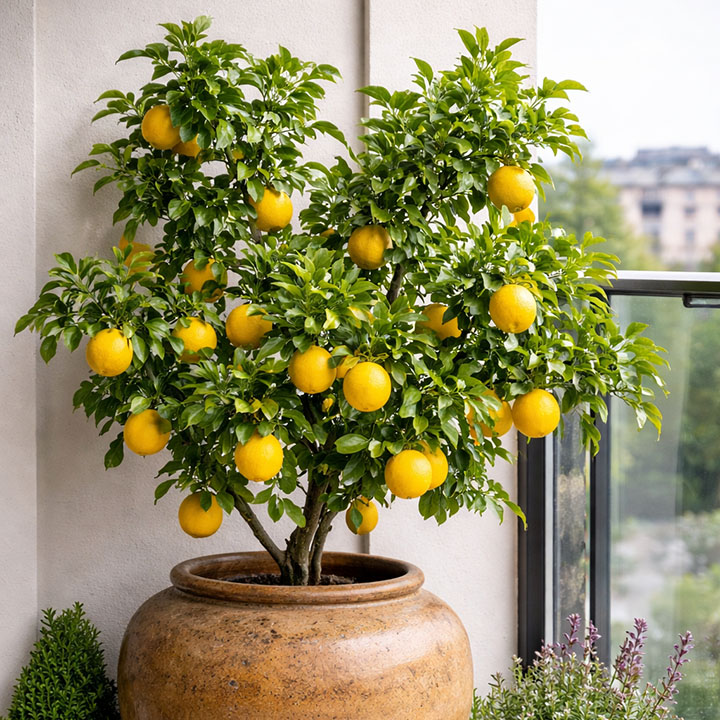
Best Full Sun Plants by Garden Style

For a Low-Maintenance Garden

  • Lomandra
  • Westringia
  • Rosemary
  • Grevillea
  • Bottlebrush

For a Colour-Filled Flower Garden

  • Salvias
  • Lavender
  • Gaura
  • Zinnias
  • Marigolds
  • Kangaroo paw
  • Croton

For an Australian Native Garden

  • Grevillea
  • Kangaroo paw
  • Westringia
  • Lomandra
  • Bottlebrush

For a Coastal Full Sun Garden

  • Westringia
  • Agapanthus
  • Rosemary
  • Lavender
  • Bottlebrush

For Pots and Small Spaces

  • Lavender
  • Rosemary
  • Compact salvias
  • Zinnias
  • Marigolds
  • Dwarf kangaroo paw

How to Choose the Right Plants for Your Australian City

Australia’s major cities do not all garden the same way. Long-term climate summaries from the Bureau of Meteorology show major differences in heat, rainfall, and seasonal patterns, so your plant list should reflect your location rather than a generic “Australian” recommendation.

Sydney

Sydney full sun gardens often deal with heat, humidity, and periods of substantial rainfall, especially compared with drier southern cities. Choose plants that enjoy sun but still appreciate airflow and well-drained soil, such as salvias, bottlebrush, rosemary, lavender in open spots, and grevillea.

Melbourne

Melbourne gardeners need plants that can handle variability. Full sun can be intense in summer, but conditions can also swing quickly. Westringia, lavender, salvias, gaura, lomandra, and kangaroo paw are all useful choices because they cope with bright exposure while still fitting a temperate garden.

Brisbane

Brisbane combines strong sun with humidity and summer rain, so choose sun lovers that will not sulk in warm, moist conditions. Grevillea, bottlebrush, salvias, lomandra, and many tropical-looking shrubs do well, while lavender needs especially sharp drainage and open air.

Perth

Perth full sun gardens are often shaped by dry summers and intense sun. This is a city where drought-tolerant planting really pays off. Rosemary, westringia, grevillea, lavender, kangaroo paw, and lomandra are strong options for low-water gardens.

Adelaide

Adelaide gardeners should prioritise heat tolerance and reliable watering during establishment. Mediterranean plants and Australian natives generally perform well here, especially where soil drainage is improved.

Canberra and Hobart

Canberra and Hobart both need a slightly different approach. Full sun is still valuable, but cold winters and frost risk in Canberra, plus cooler Tasmanian conditions, mean you should include hardy shrubs, perennials, and grasses that can handle seasonal chill as well as summer sun.

Darwin

In Darwin, full sun gardening is more about coping with tropical intensity than chasing warmth. Plants need to handle strong wet-season growth, humidity, and a pronounced dry season. Tough tropical shrubs, native species, and heat-loving flowering plants are usually more dependable than Mediterranean plants that dislike humidity.

How to Prepare a Full Sun Garden

Even the best plant will struggle if the site is not prepared properly. Full sun gardens are often more about soil and watering than plant labels.

  • Improve soil with compost before planting
  • Add mulch to reduce evaporation and keep roots cooler
  • Group plants with similar water needs together
  • Use drip irrigation or deep hand watering rather than frequent light sprinkles
  • Keep an eye on reflected heat from walls, fences, and paving
  • Choose bigger pots if planting in containers, because small pots dry out fast

Common Mistakes in Full Sun Gardens

  • Choosing plants that like sun but not heat stress
  • Planting into poor, compacted soil
  • Using pots that are too small
  • Skipping mulch
  • Overcrowding plants so airflow is reduced
  • Assuming all Australian natives like dry soil all the time
  • Underwatering during the establishment period

Planting Plan Idea for a Full Sun Australian Garden

If you want a simple formula, try this:

  • Back layer: Grevillea, bottlebrush, or westringia
  • Middle layer: Kangaroo paw, salvias, lavender, or gaura
  • Front layer: Lomandra, trailing rosemary, marigolds, or zinnias
  • Accent layer: One feature pot with a bold flowering plant or architectural native

This kind of layered planting gives you structure, colour, movement, and a garden that still looks good when one plant is between flower flushes.

Frequently Asked Questions

What does full sun mean in gardening?

Full sun usually means a plant receives at least 6 hours of direct sunlight each day. In many parts of Australia, especially in summer, full sun can be very intense, so it is important to choose plants that can handle both bright light and heat.

What are the best plants for a full sun garden in Australia?

Some of the best full sun plants for Australian gardens include lavender, rosemary, grevillea, westringia, kangaroo paw, lomandra, salvias, bottlebrush, gaura, marigolds, and zinnias. These plants are popular because they cope well with strong sunlight and many also handle dry conditions once established.

Which Australian native plants grow well in full sun?

Many Australian natives thrive in full sun. Strong choices include grevillea, kangaroo paw, westringia, lomandra, and bottlebrush. These plants are well suited to Australian conditions and are often low maintenance once settled in.

Can I grow flowers in a full sun garden?

Yes, many flowering plants love full sun. Salvias, lavender, gaura, marigolds, zinnias, and kangaroo paw are all great options for adding long-lasting colour to sunny garden beds and borders.

What plants survive hot afternoon sun?

Plants that usually handle hot afternoon sun well include rosemary, lavender, grevillea, westringia, lomandra, bottlebrush, and many salvias. In the hottest parts of Australia, mulch and deep watering during establishment will help these plants perform better.

How often should I water a full sun garden?

New plants need regular watering while they establish, especially during hot weather. Once established, many full sun plants can be watered more deeply and less often. The exact schedule depends on your soil, climate, and plant selection, but deep watering is usually better than frequent light watering.

Do full sun plants need special soil?

Most full sun plants grow best in well-draining soil. Many struggle if roots stay wet for too long, especially lavender, rosemary, and kangaroo paw. Improving the soil with compost and adding mulch on top can help retain moisture while still supporting healthy root growth.

What are the best low-maintenance plants for a full sun garden?

Lomandra, westringia, rosemary, grevillea, and bottlebrush are among the best low-maintenance plants for a sunny Australian garden. They provide structure, cope with exposure, and need less fuss than softer or thirstier plants.

Can I grow edible plants in full sun?

Yes, many edible plants prefer full sun. Herbs like rosemary, thyme, oregano, and basil do well, along with crops such as tomatoes, chillies, capsicum, and eggplant. Productive plants in sunny spots usually need consistent watering and soil enriched with compost.
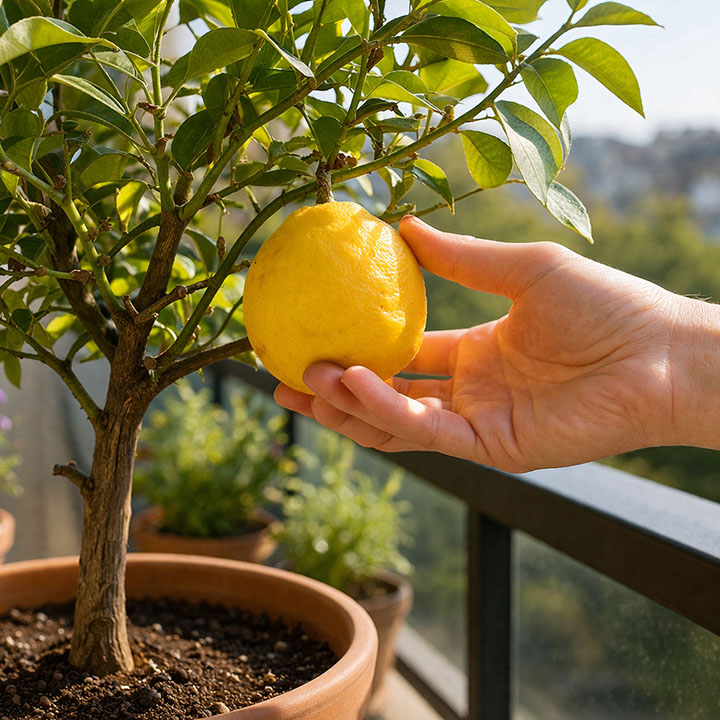
How do I stop a full sun garden from drying out too quickly?

The best ways to reduce drying out are to mulch well, improve the soil with organic matter, water deeply, and group plants with similar water needs together. In very hot Australian climates, larger plants and groundcovers can also help shade the soil and reduce evaporation.

Final Thoughts

The best plants for a full sun garden in Australia are the ones that match your exact climate, soil, and maintenance style. A sunny garden can be incredibly productive and beautiful, but it performs best when you work with your local conditions rather than against them. Start with dependable structural plants such as westringia, grevillea, lomandra, rosemary, or bottlebrush, then layer in flowering favourites like lavender, salvias, kangaroo paw, gaura, zinnias, or marigolds for colour and seasonal interest.
Done well, a full sun garden is not harsh at all. It is vibrant, resilient, fragrant, wildlife-friendly, and perfectly suited to the Australian way of gardening.
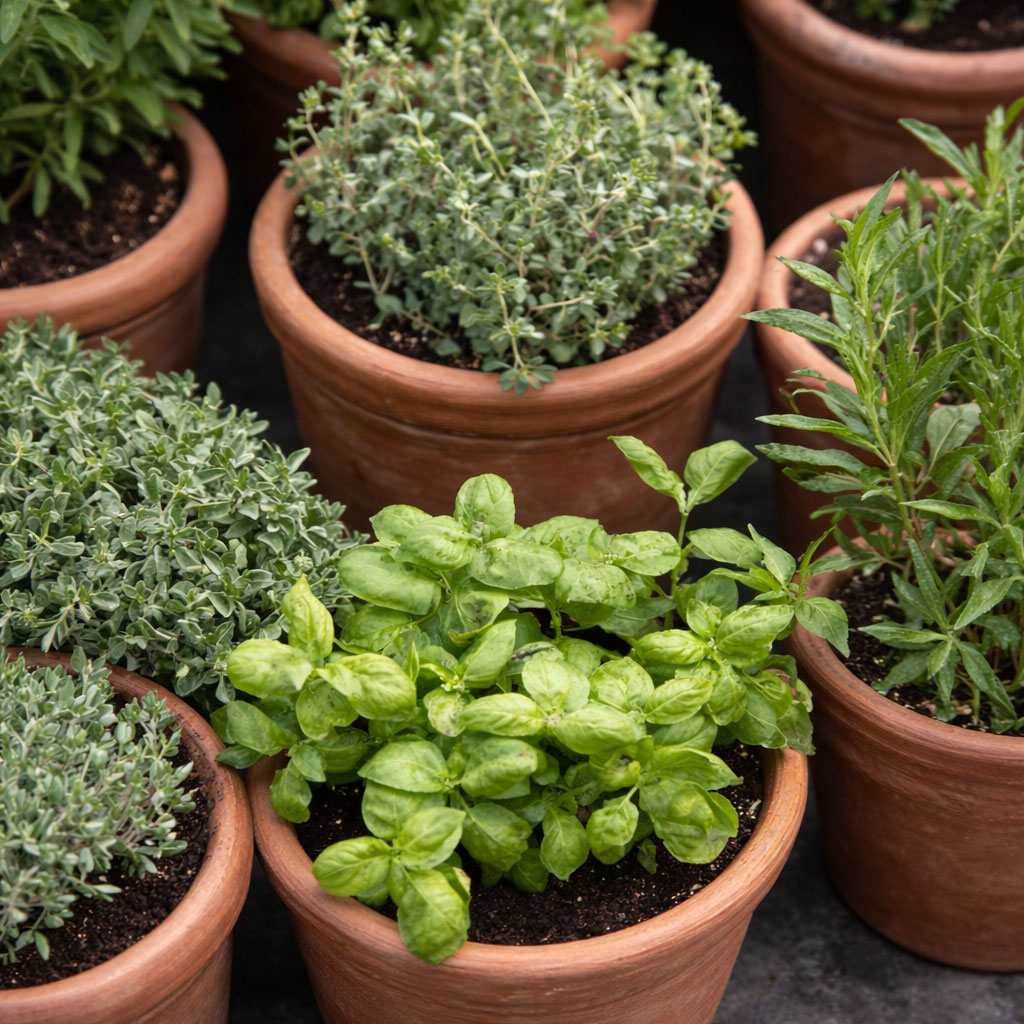
A semi-shade balcony can be one of the easiest and most rewarding spaces to garden. It avoids the harshest afternoon sun, reduces heat stress on pots, and opens the door to a wide range of beautiful foliage plants, flowering favourites, herbs, and even a few productive edibles. In many Australian apartments, semi-shade means bright light for most of the day with a few hours of morning sun, filtered light through nearby buildings or trees, or protection from direct western sun.

If your balcony sits in semi-shade, you are in a sweet spot. You can grow plants that struggle on exposed full-sun balconies, while still enjoying enough light for colour, texture, and seasonal interest. The key is choosing plants that enjoy bright conditions without needing blazing all-day sun.

Below, you’ll find the best plants for semi-shade balconies in Australia, plus city-specific advice for Melbourne, Sydney, Brisbane, Perth, Adelaide, and Hobart.

What “Semi-Shade” Means on a Balcony

Before buying plants, it helps to understand your balcony light. Semi-shade usually includes one of these conditions:

  • 2 to 4 hours of gentle direct sun, usually in the morning
  • Bright indirect light for most of the day
  • Dappled sun through nearby trees or screens
  • Protection from strong western sun but still a bright position

This kind of light suits many balcony plants because pots dry out more slowly, foliage stays fresher, and flowers often last longer through warm weather.

Why Semi-Shade Works So Well in Australia

Australian balconies often deal with intense sun, drying winds, reflected heat from walls and paving, and inconsistent rainfall. Semi-shade takes the edge off those extremes. In hotter cities such as Brisbane and Perth, it helps prevent leaf scorch and reduces water stress. In Melbourne and Adelaide, it can buffer plants from sudden weather swings. In Sydney and Hobart, it creates a more stable growing environment for foliage plants, flowers, and herbs.

The result is usually less maintenance, fewer watering emergencies, and a wider plant palette than many people expect.

Best Plants for a Semi-Shade Balcony in Australia

These plants are especially useful for balcony growing because they combine good looks with practical performance in pots.

1. Peace Lily

Peace lilies are excellent for bright semi-shade balconies, especially sheltered ones. They bring glossy foliage, elegant white blooms, and a lush look that suits small spaces. They prefer even moisture and protection from hot drying winds, so they are particularly useful on covered balconies.

Best for: Modern balconies, sheltered apartments, lush green styling

Watch for: Crispy leaves if allowed to dry out too much

2. Ferns

Boston ferns, maidenhair ferns, and bird’s nest ferns are classic semi-shade balcony plants. They love filtered light and create softness around railings, corners, and hanging baskets. If your balcony never gets harsh afternoon sun, ferns can be one of the best choices you make.

Best for: Shady corners, hanging baskets, green privacy screens

Watch for: Dry air, wind exposure, and inconsistent watering

3. Bromeliads

Bromeliads are ideal if you want bold structure with low fuss. Their rosettes hold shape beautifully, they cope well in containers, and many varieties thrive in bright lightly shaded positions. They also add strong colour through their flowers and bracts.

Best for: Tropical-style balconies, statement pots, warm coastal cities

Watch for: Water sitting too long in cold weather in cooler regions

4. Native Ginger

Native ginger is a fantastic Australian option for shaded to semi-shaded balconies. It has arching foliage, a soft rainforest feel, and suits a more natural planting style. It is especially useful if you want a balcony that feels leafy and calm rather than bright and floral.

Best for: Native planting schemes, sheltered balconies, humid cities

Watch for: Potting mix drying out too far in summer

5. Midgen Berry

Midgen berry is one of the best Australian native edible plants for a small balcony. It handles containers well, stays neat, and gives you glossy foliage, white flowers, and decorative edible fruit. It suits semi-shade and looks good in both modern and cottage-style spaces.

Best for: Native edible balconies, compact pots, small-space gardeners

Watch for: Dry spells during establishment

6. Clivia

Clivia is a standout for semi-shade balconies because it tolerates lower light better than many flowering plants. Its strappy leaves look neat year-round, and the orange, yellow, or cream blooms bring a big seasonal lift. It is especially good for apartment gardeners who want colour without a high-maintenance routine.

Best for: Long-term pots, evergreen structure, low-maintenance colour

Watch for: Too much direct hot sun, which can bleach or burn leaves

7. Begonias

Begonias are brilliant for semi-shade because they deliver colour where petunias and other sun-lovers may struggle. Both cane begonias and flowering begonias work well in containers. They can make a balcony feel bright and layered without needing full sun.

Best for: Flowering pots, decorative foliage, soft colour in filtered light

Watch for: Waterlogged pots and cold wind

8. Impatiens

If you want reliable flowers in a balcony that gets only limited direct sun, impatiens are one of the simplest options. They create full mounds of colour in troughs, window boxes, and mixed containers and can brighten darker balconies beautifully.

Best for: Seasonal colour, railing planters, compact flowering displays

Watch for: Heatwaves and skipped watering in midsummer

9. Coleus

Coleus gives you dramatic colour through foliage rather than flowers. Burgundy, lime, pink, copper, and patterned leaves all perform well in semi-shade. It is a great choice if you want instant visual impact and like the idea of a balcony that looks vibrant even when little is in bloom.

Best for: Bold container combinations, tropical looks, foliage-first design

Watch for: Frost in cooler regions and prolonged dry periods

10. Heuchera

Heuchera works well in semi-shade balconies where you want compact plants with colourful leaves. It is especially useful in Melbourne, Adelaide, and Hobart where milder or cooler conditions often suit it well. The foliage brings colour through much of the year without relying on heavy flowering.

Best for: Cooler cities, stylish pots, layered foliage displays

Watch for: Overwatering in humid weather

11. Parsley, Mint, and Chives

Not every edible balcony needs full sun. Parsley, mint, and chives can all do well in semi-shade, particularly where there is morning sun and bright light. They are useful kitchen herbs for renters and beginners because they stay productive in pots and fit easily into small balcony layouts.

Best for: Small edible balconies, herb troughs, beginner gardeners

Watch for: Mint spreading too aggressively if planted with other herbs

12. Lettuce, Rocket, and Asian Greens

Many leafy greens actually prefer semi-shade in Australian conditions, especially outside winter. A balcony with bright light and protection from fierce afternoon sun often produces softer leaves and slower bolting. If you want productive pots, these are among the best crops to start with.

Best for: Edible planters, cool-season harvesting, quick results

Watch for: Snails, heat spikes, and shallow pots drying out too quickly

Best Native Plants for a Semi-Shade Balcony

If you want an Australian look or prefer native species, these are especially worth considering:

  • Midgen berry for compact edible planting
  • Native ginger for leafy semi-shade corners
  • Dichondra repens for trailing softness in pots and baskets
  • Some brachyscome varieties where there is a little morning sun
  • Isotoma axillaris in bright dappled conditions
  • Blueberry ash in a larger tub if you want height and screening

Native plants can be a smart balcony choice because many are adapted to Australian conditions, but they still need the right potting mix, drainage, and light level. Always match the species to your exact balcony exposure rather than choosing on “native” status alone.

Best Flowering Plants for Semi-Shade Balconies

If your main goal is colour, focus on plants that naturally bloom well without needing hot all-day sun. Good choices include:

  • Begonias
  • Impatiens
  • Clivia
  • Bromeliads
  • Fuchsia in cooler or sheltered spots
  • Lobelia in bright partial shade

Use flowers near seating areas and entrances where you will notice them most. On a small balcony, even two or three flowering pots can completely change the mood of the space.

Best Foliage Plants for Semi-Shade Balconies

Foliage often outperforms flowers on balconies because it stays attractive for longer and usually handles changing weather better. Excellent choices include:

  • Peace lily
  • Boston fern
  • Bird’s nest fern
  • Coleus
  • Heuchera
  • Bromeliads
  • Clivia
  • Native ginger

If you want a lush designer look, build around foliage first, then add a few flowering accents.

Best Edibles for a Semi-Shade Balcony

Semi-shade balconies can still be productive. The trick is to grow crops that cope with less intense sun rather than forcing sun-loving fruiting plants to struggle. The best edible options include:

  • Parsley
  • Mint
  • Chives
  • Coriander in cooler months
  • Lettuce
  • Rocket
  • Asian greens
  • Midgen berry

You may also get away with strawberries if your balcony receives enough morning sun, but leafy herbs and greens are usually the safest bet.

Best Plants by Australian City

Melbourne

Melbourne balconies often experience variable weather, cool changes, and drying wind. Choose sturdy pots and plants that can handle fluctuation. Good options include clivia, heuchera, ferns in sheltered positions, parsley, mint, coleus in summer, and midgen berry.

Sydney

Sydney’s humidity and mild winters suit a wide mix of semi-shade plants. Bromeliads, native ginger, ferns, peace lilies, clivia, begonias, and leafy herbs often perform very well, especially on balconies with good airflow.

Brisbane

In Brisbane, semi-shade is often an advantage because it shields plants from intense heat and sun. Bromeliads, native ginger, coleus, peace lilies, impatiens, ferns, and tropical foliage plants are excellent choices. Prioritise moisture retention and protection from summer heat.

Perth

Perth balconies can be hot, bright, and dry, so semi-shade helps a lot. Focus on plants that appreciate protection from afternoon heat, such as clivia, bromeliads in sheltered spots, hardy foliage plants, herbs like parsley and chives, and tougher natives in quality potting mix.

Adelaide

Adelaide gardeners benefit from semi-shade because summer sun can be punishing in containers. Choose plants that stay fresher in lower light, such as begonias, clivia, heuchera, mint, parsley, native ginger, and leafy greens in cooler seasons.

Hobart

Hobart’s cooler climate means semi-shade balconies can support a broad mix of foliage and flowers, provided pots are not waterlogged. Ferns, heuchera, clivia, begonias, parsley, rocket, lettuce, and some native edibles can all be rewarding choices.

How to Choose the Right Plant for Your Balcony

Even within the same city, balconies vary a lot. To choose well, consider these factors:

  • Wind: High-rise balconies can dry out plants quickly and damage soft growth.
  • Heat reflection: Light bouncing off walls, windows, and tiles can make a semi-shade balcony hotter than expected.
  • Rain exposure: Covered balconies need more regular watering.
  • Pot size: Small pots dry out much faster than larger containers.
  • Time of sun: Morning sun is usually gentler than western afternoon sun.

If you are unsure, start with a mixed test group: one foliage plant, one flowering plant, and one edible. After a few weeks, you will quickly see what really thrives in your conditions.

Potting Tips for Semi-Shade Balcony Plants

  • Use premium potting mix rather than garden soil
  • Choose pots with drainage holes
  • Use saucers carefully so roots are not left sitting in water
  • Add mulch to reduce moisture loss
  • Group plants together to create a cooler, more humid microclimate
  • Use heavier pots if your balcony is windy
  • Rotate pots every few weeks for even growth

Common Mistakes on Semi-Shade Balconies

  • Choosing full-sun plants that become weak and leggy
  • Assuming shade means no watering is needed
  • Using tiny decorative pots that dry out too fast
  • Ignoring wind exposure
  • Overcrowding containers with too many thirsty plants
  • Using dark pots in very hot climates without checking root temperature

A Simple Semi-Shade Balcony Planting Plan

If you want an easy formula, try this:

  • Back layer: Clivia, native ginger, or a large fern
  • Middle layer: Begonias, bromeliads, coleus, or peace lilies
  • Front layer: Parsley, mint, lettuce, dichondra, or trailing foliage

This creates height, softness, and practical harvests without needing a large space.

Final Thoughts

A semi-shade balcony is not a compromise. In many parts of Australia, it is actually one of the best balcony conditions you can have. It gives you enough light to grow a beautiful, layered garden while protecting plants from the harshest heat and sun.

Start with reliable performers such as clivia, ferns, bromeliads, peace lilies, begonias, parsley, mint, and native ginger. Then add a few local favourites based on your city, your wind exposure, and how much time you want to spend watering. With the right mix, a semi-shade balcony can look lush, colourful, and productive for most of the year.

Discover the best plants for a semi-shade balcony in Australia, from lush ferns and clivia to colourful begonias, native options, and easy balcony herbs. This guide covers the top plant choices for Melbourne, Sydney, Brisbane, Perth, Adelaide, and Hobart, with practical tips for light, wind, watering, and small-space container growing.

Frequently Asked Questions

What is a semi-shade balcony?

A semi-shade balcony usually gets bright indirect light for most of the day, plus a few hours of gentle direct sun, often in the morning. It may also receive filtered or dappled light rather than harsh afternoon sun.

What plants grow best on a semi-shade balcony in Australia?

Some of the best choices include clivia, ferns, peace lilies, begonias, bromeliads, coleus, native ginger, parsley, mint, lettuce, and midgen berry. These plants generally cope well with bright light and limited direct sun.

Can I grow herbs on a semi-shade balcony?

Yes. Many herbs do well in semi-shade, especially parsley, mint, chives, and coriander in cooler months. These herbs often prefer protection from intense afternoon sun, especially during Australian summers.

Can flowering plants grow on a semi-shade balcony?

Yes. Begonias, impatiens, clivia, bromeliads, fuchsia, and lobelia are all good options for adding colour to a semi-shade balcony. Flowering performance depends on how much light your balcony receives each day.

Are semi-shade balconies easier to maintain than full-sun balconies?

In many cases, yes. Semi-shade balconies often dry out more slowly, experience less leaf scorch, and place less heat stress on container plants. That can make watering and general maintenance easier.

What edible plants can I grow on a semi-shade balcony?

Leafy greens and soft herbs are usually the best options. Try lettuce, rocket, Asian greens, parsley, mint, chives, and midgen berry. Fruiting plants such as tomatoes usually need more direct sun.

Do native plants work well on a semi-shade balcony?

Yes, some Australian natives are very well suited to semi-shade balconies. Good examples include native ginger, midgen berry, and dichondra repens. Always match the plant to your exact balcony light and wind conditions.

How often should I water plants on a semi-shade balcony?

It depends on the season, pot size, wind exposure, and the type of plant. Semi-shade balconies usually need less frequent watering than full-sun balconies, but pots can still dry out quickly during warm or windy weather.

What is the biggest mistake people make with semi-shade balcony plants?

One of the most common mistakes is choosing plants that need full sun and then wondering why they become weak or leggy. Another is underestimating wind and letting pots dry out too much, even in lower light.

Which plants are best for a semi-shade balcony in Melbourne or Sydney?

In Melbourne, clivia, heuchera, ferns in sheltered spots, parsley, mint, and midgen berry are strong choices. In Sydney, bromeliads, native ginger, peace lilies, begonias, ferns, and leafy herbs often perform especially well thanks to the milder, more humid climate.