
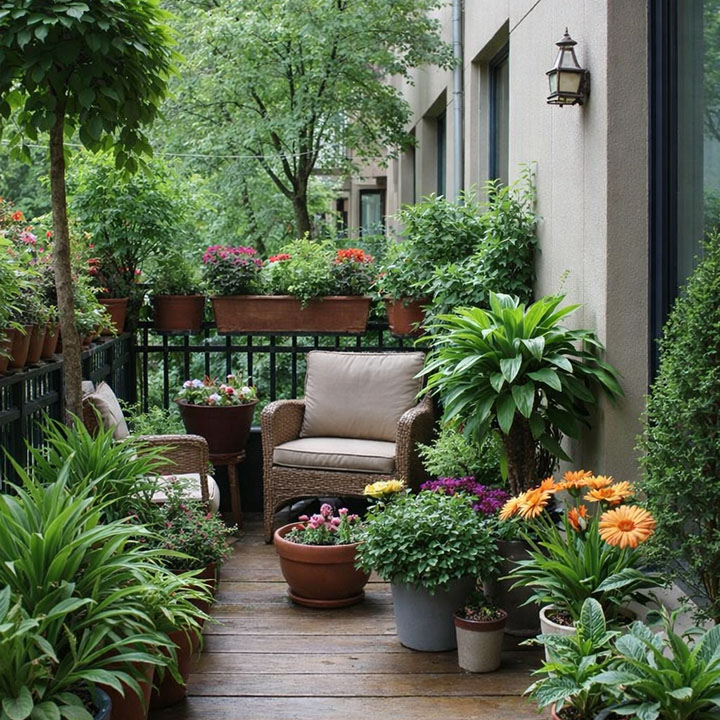
Balcony gardening can be one of the most rewarding ways to grow plants in Australia, but it can also be surprisingly unforgiving. A balcony is not the same as a backyard. Pots dry out faster, surfaces reflect heat, wind can be stronger, and sunlight patterns are often more extreme than people expect. A plant that might survive in the ground can struggle on a balcony if the setup is wrong.
The good news is that most balcony gardening problems come down to a small number of common mistakes. Once you understand how your balcony behaves and match your plants, containers, and watering habits to your local conditions, growing on a balcony becomes much easier.
This guide covers the most common balcony gardening mistakes to avoid in Australia, including errors with sunlight, watering, pot size, plant choice, wind exposure, and seasonal planting. It also explains how mistakes can vary between Australian cities such as Melbourne, Sydney, Brisbane, Perth, Adelaide, Canberra, Hobart, and Darwin.
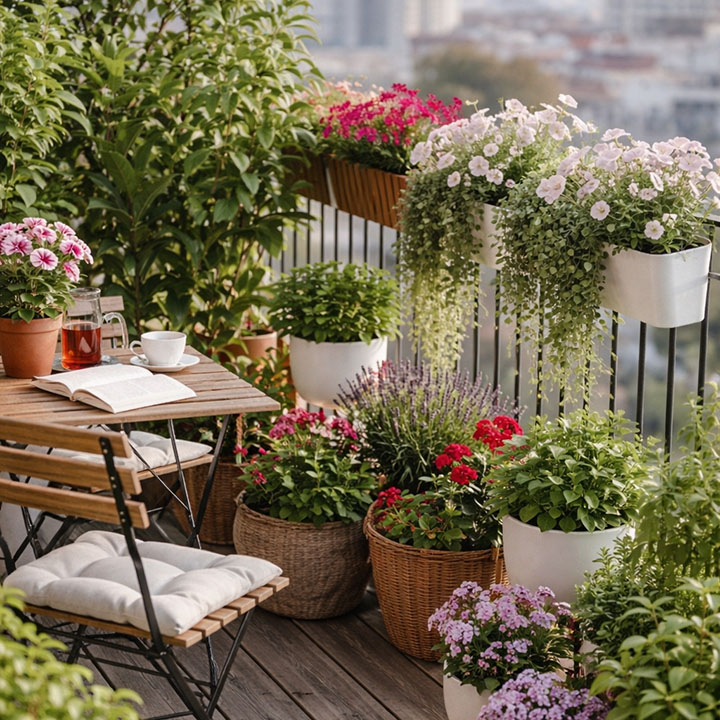
Why balcony gardens fail more easily than people expect
Many new gardeners assume a balcony is simply a smaller version of a garden bed, but balcony conditions are often harsher. Containers have limited soil, roots heat up faster, and plants are completely dependent on you for water, nutrients, and protection. Even a healthy-looking plant can deteriorate quickly when placed in the wrong part of a balcony.
- Pots dry out faster than ground soil.
- Balconies can be much windier than nearby streets or courtyards.
- Concrete, tiles, and walls reflect heat back onto plants.
- Shade and sun patterns can change through the day.
- Container plants run out of nutrients more quickly.
That is why the biggest balcony gardening mistakes usually involve treating balcony plants like ordinary garden plants instead of container plants in a more exposed environment.
Mistake 1: Not checking how much sun your balcony actually gets
One of the most common balcony gardening mistakes is buying plants first and checking sunlight second. Many people describe a balcony as sunny when it only receives bright light, or as shady when it actually gets several hours of strong direct sun in the afternoon.
This matters because plant labels usually refer to direct sunlight, not general brightness. A full sun plant typically needs around 6 hours or more of direct sun. Part shade plants prefer gentler conditions, and shade-tolerant plants still usually need good ambient light.
- North-facing balconies: Often get the strongest overall light in Australia.
- East-facing balconies: Usually receive gentler morning sun.
- West-facing balconies: Can become extremely hot in summer.
- South-facing balconies: Often get the least direct sun.
Before planting, spend a few days observing where the sun falls and for how long. This one step can prevent a lot of disappointment.
Mistake 2: Choosing plants that do not suit Australian balcony conditions
Another major mistake is choosing plants based only on appearance. A plant may look beautiful in a nursery, on social media, or in a magazine, but that does not mean it will thrive on your balcony in your city. Australian weather varies widely, and balcony exposure can make those differences even more intense.
Heat-loving herbs like basil may thrive on a warm Sydney or Brisbane balcony but struggle on a cold, windy Hobart balcony outside summer. Mediterranean plants such as rosemary, lavender, and thyme often cope well in Perth or Adelaide, but moisture-loving plants may struggle there in exposed sun. Shade-loving plants can scorch on west-facing balconies in Melbourne or Canberra during summer heatwaves.
The best balcony plants are not just attractive. They are well suited to your specific light, wind, temperature, and season.
Mistake 3: Using pots that are too small
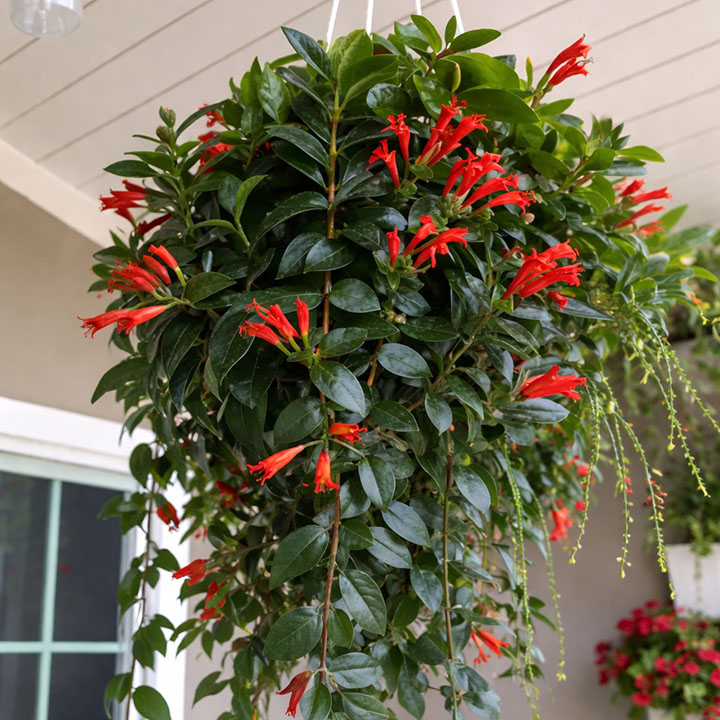
Small pots are one of the biggest hidden causes of balcony gardening problems. They may look neat and decorative, but in Australian conditions they often dry out very quickly, overheat in summer, and restrict root growth. Tiny pots can turn routine watering into a constant struggle.
Bigger pots usually make balcony gardening easier, not harder. They hold moisture longer, buffer roots from temperature swings, and give plants more room to grow. This is especially important for sunny balconies in cities like Perth, Adelaide, Brisbane, and western parts of Sydney or Melbourne.
- Small pots dry out quickly.
- They need more frequent watering.
- Plants become stressed faster during heat.
- Roots become cramped sooner.
For most balcony gardens, medium to large containers are a better long-term choice than very small pots.
Mistake 4: Forgetting about wind
Wind is one of the most overlooked balcony gardening problems. A balcony may feel pleasant to sit on, but plants experience wind differently. Strong or constant wind can shred leaves, topple light pots, dry out soil rapidly, and make tender plants struggle even if sunlight and watering are otherwise fine.
This is especially important in apartment buildings, upper levels, and exposed corners. Wind also tends to be underestimated because it may not feel dramatic at human height while still stressing leaves and containers all day.
Hardier plants such as rosemary, thyme, oregano, geraniums, and some grasses usually cope better than delicate leafy herbs or thin-stemmed flowers. Grouping pots together, using heavier containers, and placing sensitive plants behind railings or screens can make a big difference.
Mistake 5: Watering too little
Underwatering is one of the most common reasons balcony plants fail, especially in Australian summer. Pots can dry out far more quickly than people expect, particularly in hot weather, on windy balconies, or in terracotta containers. A plant can go from healthy to wilted in a very short time.
Leafy herbs, flowers, salad greens, and fruiting plants often need regular moisture. If they repeatedly dry out, they may become stunted, flower poorly, or bolt early. Plants like basil, parsley, mint, petunias, tomatoes, and strawberries are especially likely to suffer when watering is inconsistent.
The mistake is not just forgetting to water. It is assuming balcony plants can follow the same routine all year. In reality, watering needs change with the season, weather, wind, pot material, and plant type.
Mistake 6: Watering too much
Overwatering is the opposite problem, and it is just as common. Many beginners respond to plant stress by watering more, even when the issue is actually poor drainage or roots sitting in constantly wet mix. This is especially damaging for herbs and flowers that prefer drier conditions.
Rosemary, thyme, oregano, sage, lavender, and many drought-tolerant plants do not like permanently wet soil. If they stay soggy, roots can rot and growth can quickly decline. Overwatering is often made worse by pots without good drainage holes or saucers that stay full of water.
The best approach is to check the potting mix before watering, rather than watering by habit alone.
Mistake 7: Using poor potting mix or garden soil
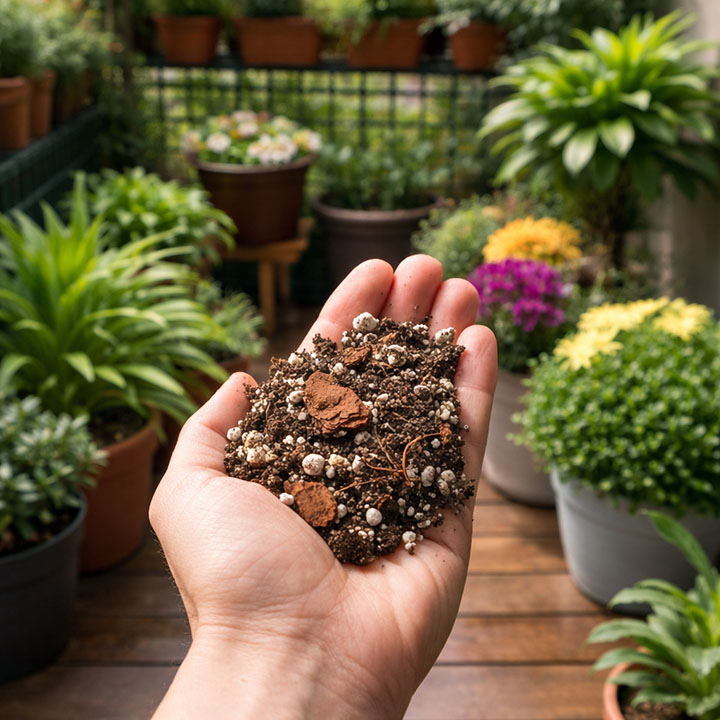
A balcony garden is only as good as the growing mix inside the pots. One of the easiest mistakes is using old, compacted mix or filling containers with ordinary garden soil. Garden soil is not designed for pots. It compacts too easily, drains poorly, and often leads to weak root development.
Balcony containers need quality potting mix that balances drainage, aeration, and moisture retention. This matters even more in Australia, where heat and drying winds put extra stress on the root zone. Different plants also have different needs. Mediterranean herbs like sharper drainage, while many flowers and leafy herbs prefer richer, more moisture-retentive conditions.
If the potting mix is poor, even the right plant in the right spot may still struggle.
Mistake 8: Ignoring the weight and safety of containers
Balcony gardens need to be practical as well as beautiful. A common mistake is filling a balcony with too many large pots, heavy planters, or unstable structures without thinking about weight, access, and safety. This is especially relevant in apartments and narrow balconies.
Heavy ceramic pots, raised planters, wet soil, and dense plantings all add up. Light pots can also become a problem if strong wind tips them over. A good balcony garden should feel secure, easy to move through, and manageable to maintain. It should not block doors, crowd seating, or make watering awkward.
It is usually better to start with fewer, better-placed containers than overfill the balcony too early.
Mistake 9: Overcrowding the space
Balcony gardens often look best when they feel lush, but overcrowding is a common beginner mistake. Too many pots can reduce airflow, create awkward access, increase disease risk, and make routine care harder. Plants also compete for light when packed too tightly together.
A crowded balcony can quickly become harder to water, prune, harvest, or clean. It may also stop feeling like an enjoyable outdoor space and start feeling like storage for plants. A better approach is to build layers gradually and leave enough room to move around comfortably.
Mistake 10: Planting the wrong things at the wrong time of year
Seasonal timing is critical in Australian balcony gardening. One common mistake is planting without considering whether it is the right season for that crop or flower in your city. This leads to heat stress, bolting, poor flowering, or weak establishment.
Basil, tomatoes, chillies, and marigolds are warm-season plants. Coriander, parsley, pansies, violas, spinach, and rocket often perform better in cooler weather. Trying to keep cool-season flowers through a hot Adelaide or Brisbane summer, or planting basil too early in a cold Canberra or Hobart spring, often leads to disappointment.
Balcony gardeners usually get much better results when they work with the season instead of trying to force plants through unsuitable weather.
Mistake 11: Not feeding container plants
Because pots contain limited soil, nutrients are used up more quickly than in garden beds. Many balcony plants look fine at first but slow down after a while because the potting mix no longer has enough nutrition to support strong growth, flowering, or fruiting.
This is particularly noticeable with flowers, tomatoes, chillies, strawberries, and fast-growing herbs. A lack of feeding can lead to pale leaves, fewer blooms, weaker stems, and reduced harvests. The goal is not heavy feeding, but regular support during the active growing season.
Mistake 12: Treating every plant the same
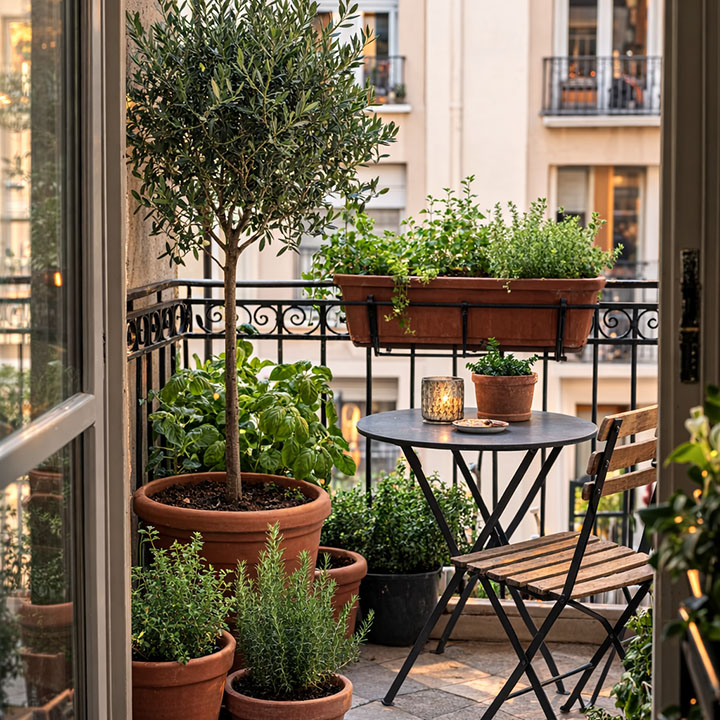
Not all balcony plants want the same conditions. A very common mistake is putting plants with different needs into the same pot or giving every container the same watering and feeding routine. This usually means some plants thrive while others struggle.
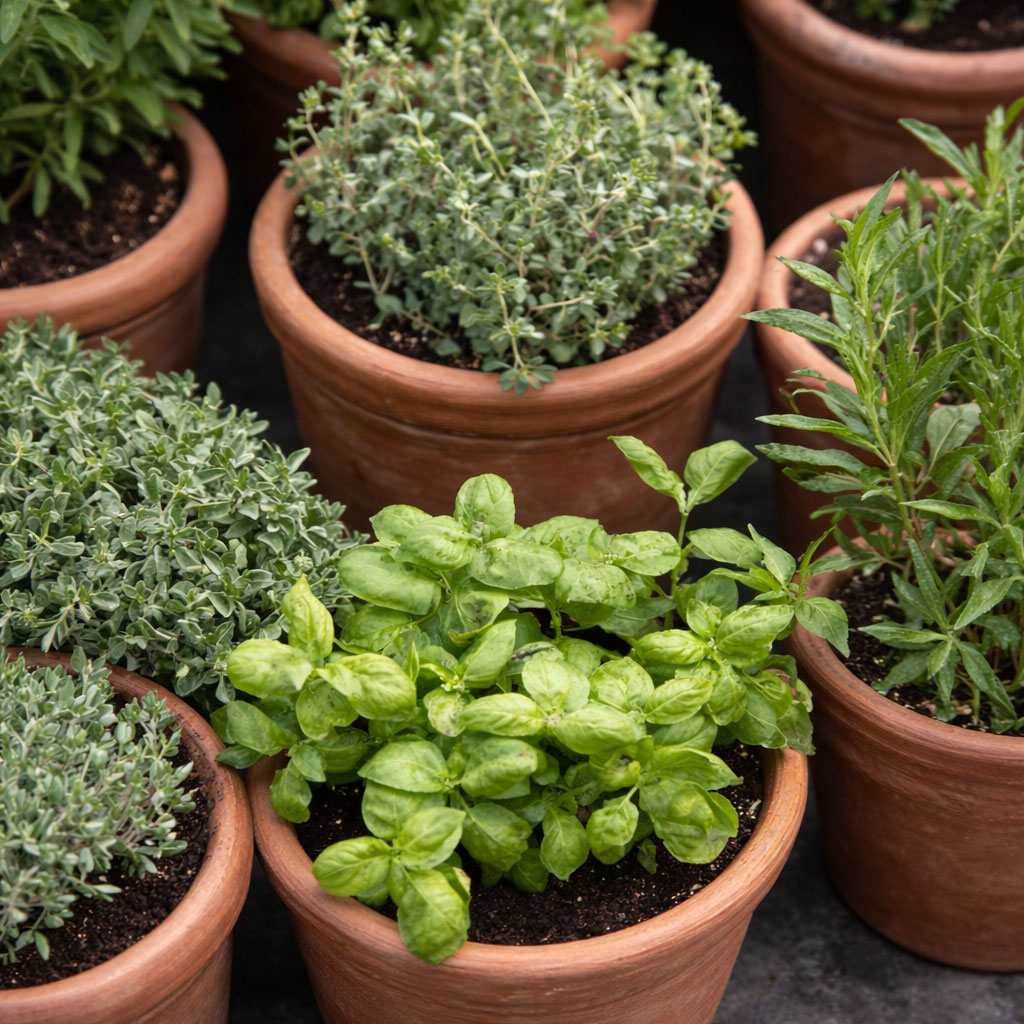
Mint likes more moisture than rosemary. Begonias prefer gentler light than marigolds. Tomatoes need more feeding than many herbs. Lavender likes excellent drainage, while parsley prefers more even moisture. When plants are grouped by similar needs, care becomes simpler and success rates improve.
Mistake 13: Ignoring reflected heat from walls and floors
Australian balconies can become much hotter than expected because hard surfaces reflect and store heat. Tiles, concrete, brick walls, glass, and metal railings can all intensify summer conditions. Plants close to walls or placed on hot surfaces may experience far more stress than the air temperature alone suggests.
This is especially important on west-facing balconies and in hotter cities like Perth, Adelaide, and Brisbane. Even in Melbourne or Sydney, summer heatwaves can make a balcony feel far harsher than nearby ground-level gardens. Heat-sensitive plants may need afternoon shade, and some pots may need lifting off hot surfaces or moved deeper into shelter.
Mistake 14: Neglecting pruning, deadheading, and regular maintenance
Balcony gardens need regular small maintenance rather than occasional big effort. Another common mistake is letting plants become leggy, crowded, woody, or full of spent flowers. This is especially noticeable in a compact space where every plant is on display.
Pinching basil keeps it leafy. Deadheading petunias, geraniums, and marigolds can encourage more blooms. Trimming herbs helps keep them compact. Removing damaged leaves improves airflow and appearance. Balcony gardens usually look best when they are lightly maintained often.
Mistake 15: Starting too big
One of the easiest mistakes to make is trying to build a dream balcony garden all at once. It is tempting to buy many plants, multiple pots, hanging planters, trellises, and decorative accessories in the beginning, but this can quickly become overwhelming.
When a balcony garden starts too big, it is harder to learn what works. Watering becomes more complex, plant losses feel more discouraging, and the space may become crowded before you understand its sun and wind patterns. Starting with a manageable number of plants gives you time to learn and expand gradually.
How balcony gardening mistakes vary by Australian city
While many mistakes are universal, some are more likely in certain cities because of weather and climate.
Melbourne
In Melbourne, common mistakes include underestimating wind, planting tender warm-season crops too early, and not preparing for quick weather changes. Heatwaves and cold snaps can both affect balcony plants, so flexibility matters.
Sydney
In Sydney, gardeners often underestimate summer heat on west-facing balconies and the watering needs of containers in warm weather. Humidity can help some plants but also makes airflow important.
Brisbane
In Brisbane, a major mistake is treating summer like a mild growing season for everything. Heat and humidity can be intense, so choosing the right plants and giving some shade protection is important.
Perth
In Perth, using small pots and choosing plants that need constant moisture are especially common mistakes. Strong sun and drying conditions make drought-aware planting and bigger containers much more important.
Adelaide
In Adelaide, the combination of hot summers and dry air means reflected heat and inconsistent watering can quickly damage balcony plants. Cool-season planting is often underused.
Canberra
In Canberra, planting warm-season crops too early and failing to protect plants from cold are frequent mistakes. Balcony gardeners there often benefit from treating some plants as seasonal rather than year-round.
Hobart
In Hobart, the mistake is often expecting heat-loving plants to thrive without enough warmth or sun. Choosing cool-climate-friendly flowers, herbs, and greens usually gives better results.
Darwin
In Darwin, poor airflow, unsuitable cool-climate plant choices, and failure to account for tropical humidity can all cause problems. Heat-tolerant and humidity-tolerant plants are essential.
How to avoid most balcony gardening mistakes
The easiest way to avoid balcony gardening mistakes is to keep things simple and observe your space before expanding.
- Watch how much direct sun your balcony gets.
- Notice where wind is strongest.
- Choose plants that suit your city and season.
- Use medium to large containers with drainage.
- Use quality potting mix.
- Group plants with similar care needs.
- Start small and expand once you know what works.
A balcony garden does not need to be large to be beautiful or productive. It just needs to be suited to the conditions.
Final thoughts
Most balcony gardening mistakes are not caused by a lack of enthusiasm. They happen because balconies behave differently from ordinary gardens. Sun is more intense, wind matters more, pots dry out faster, and seasonal timing becomes more important. Once you understand those differences, it becomes much easier to choose the right plants and care for them well.
The best balcony gardens in Australia are usually built slowly. They begin with a few well-chosen containers, plants that suit the conditions, and a willingness to observe and adjust. Avoiding the common mistakes in this guide will give you a much better chance of creating a balcony that stays healthy, attractive, and enjoyable through the seasons.
Frequently asked questions
What is the most common balcony gardening mistake?
One of the most common mistakes is choosing plants without first checking how much direct sun and wind the balcony gets.
Why do balcony plants die so quickly?
Balcony plants often die quickly because pots dry out fast, roots overheat, or plants are in the wrong light or wind conditions for their needs.
Are small pots bad for balcony gardening?
Very small pots can be difficult because they dry out quickly and restrict root growth, especially in Australian summer conditions.
How do I protect balcony plants from wind?
Use heavier pots, group containers together, place delicate plants behind railings or screens, and choose sturdier plants for exposed positions.
Should I change balcony plants with the season?
Yes. Many balcony plants perform much better when grown in the right season rather than forced through unsuitable heat or cold.
Is overwatering or underwatering worse on a balcony?
Both can be a problem. Underwatering is common in hot weather, but overwatering is also damaging, especially for herbs and flowers that need excellent drainage.

Comments are closed.