
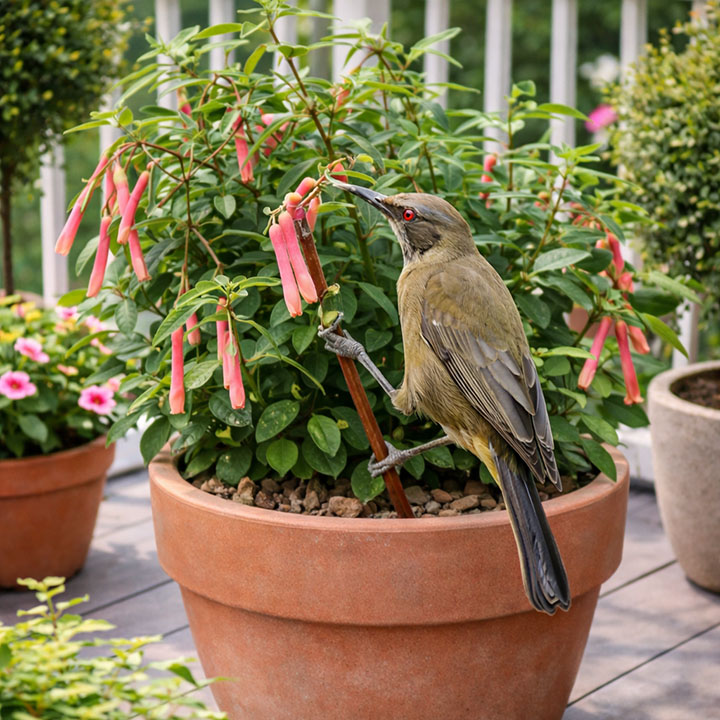
If you want to attract more birdlife to your balcony, the right plants can make a huge difference. A bird friendly balcony is not just about adding a few flowers. It is about creating a small but useful habitat with nectar, berries, seeds, shelter and places for birds to perch safely. Even a compact apartment balcony in an Australian city can become a welcoming stop for native birds when planted thoughtfully.
In Australia, bird friendly balcony gardening works best when you combine climate-suitable plants with a mix of food and cover. Nectar-rich flowers attract honeyeaters and lorikeets, dense shrubs give smaller birds somewhere to hide, and grasses or seed-producing plants can support a wider range of species. The goal is not just colour, but a balcony that feels alive and useful.
Why grow bird friendly plants on a balcony?
Bird friendly balcony plants do more than attract wildlife. They can make your outdoor space feel calmer, greener and more connected to nature. Watching small birds visit flowers, rest in shrubs or explore pots can turn even a tiny balcony into a much more enjoyable place to spend time.
Bird friendly planting is also a practical way to support urban biodiversity. In built-up areas, birds often struggle to find food and shelter. Balconies filled with suitable plants can act like stepping stones across the city, helping birds move between parks, gardens and streetscapes.
- Provide nectar for honeyeaters and lorikeets
- Offer berries, seeds or insects for other bird species
- Create shelter with dense foliage
- Make your balcony feel more private and lush
- Support biodiversity in Australian cities
What makes a plant bird friendly?
The best bird friendly balcony plants usually do one or more of the following: produce nectar-rich flowers, attract insects, offer berries or seeds, or provide dense cover. A single plant can be useful, but a combination of different plant types is usually much better.
On balconies, plant choice matters even more because space is limited. Compact shrubs, dwarf native plants, clumping grasses and container-friendly flowering plants are usually the best fit. Try to avoid choosing plants only for looks. A balcony full of decorative foliage can still feel empty to birds if it offers no food or shelter.
Best bird friendly balcony plants for Australia
1. Dwarf Grevillea
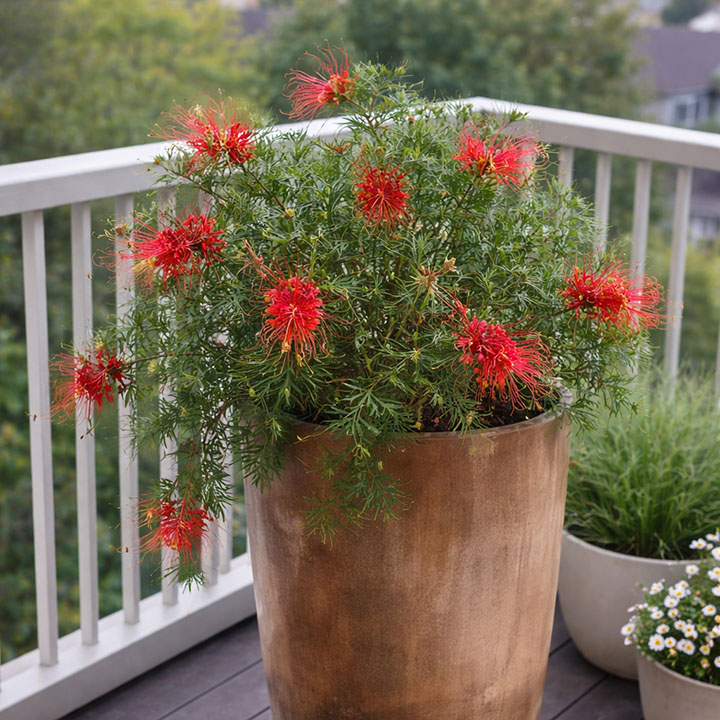
Dwarf grevilleas are among the best bird friendly balcony plants in Australia. Their flowers are rich in nectar and attract honeyeaters, spinebills and sometimes lorikeets. They also flower for long periods, which makes them especially valuable on balconies where every plant needs to earn its place.
Choose compact varieties suited to pots rather than large sprawling grevilleas. Place them in a sunny spot with free-draining potting mix. They are ideal for balconies in Sydney, Melbourne, Adelaide, Perth and Brisbane.
2. Bottlebrush
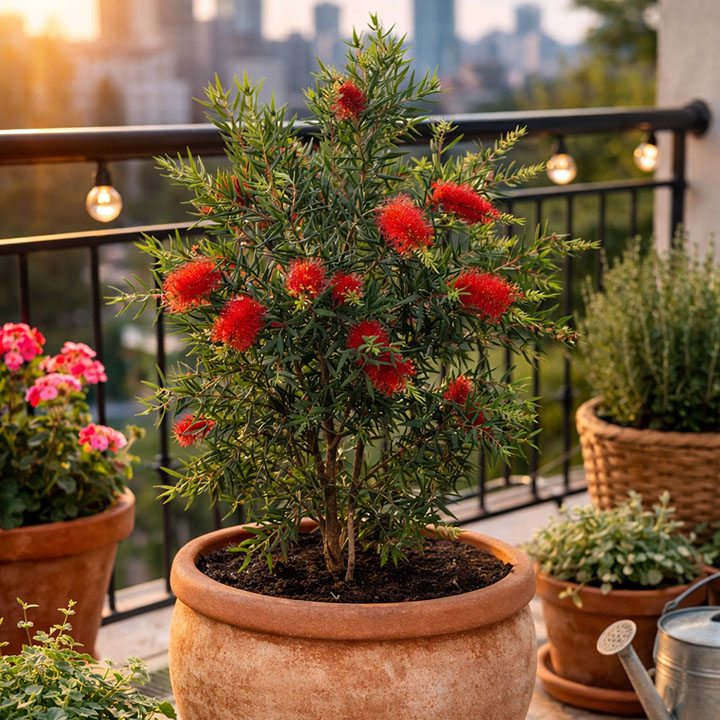
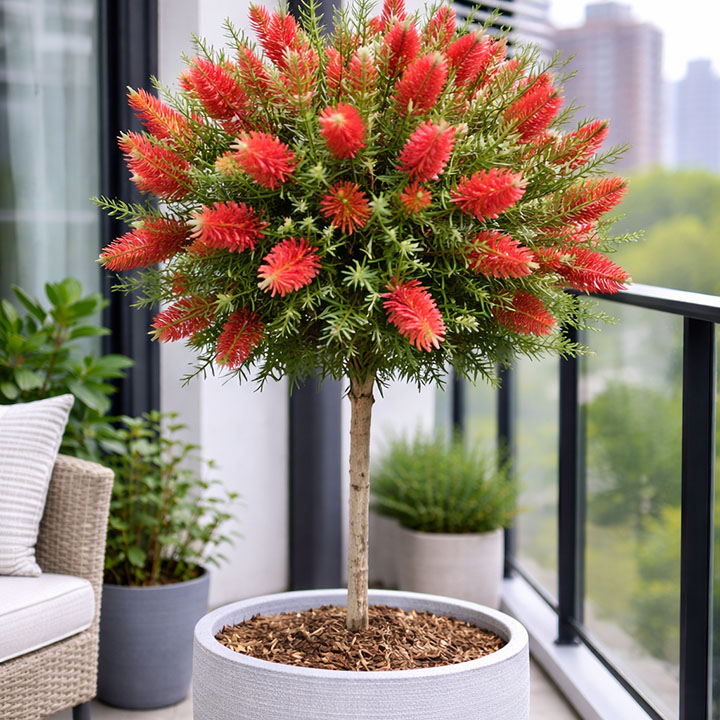
Bottlebrush is a classic Australian bird-attracting plant. Its bright brush-like flowers are loved by nectar-feeding birds, and many compact varieties grow well in containers. Bottlebrush can also add height and softness to a balcony planting scheme, making the space feel greener and more private.
It performs best in full sun and is a great option for exposed balconies. If you want one plant that is ornamental, hardy and useful for birds, bottlebrush is one of the strongest choices.
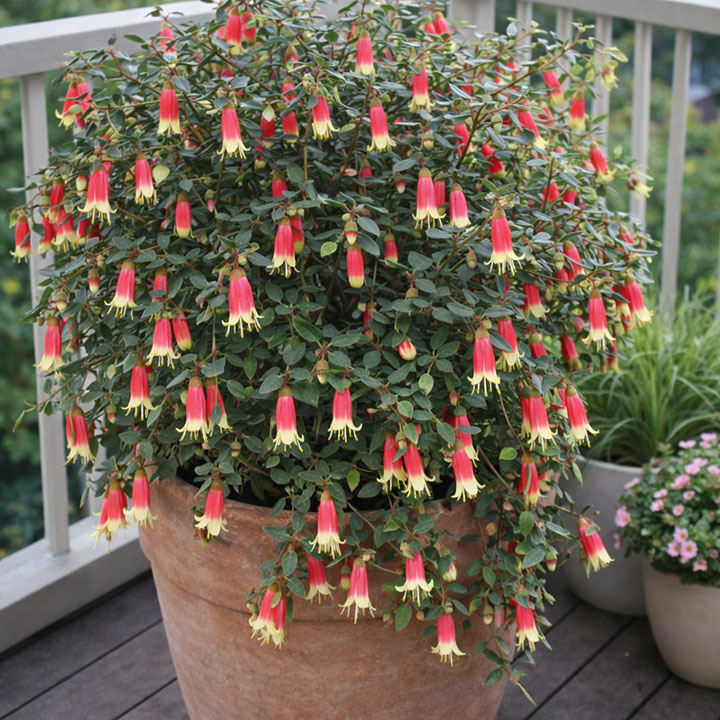
3. Correa
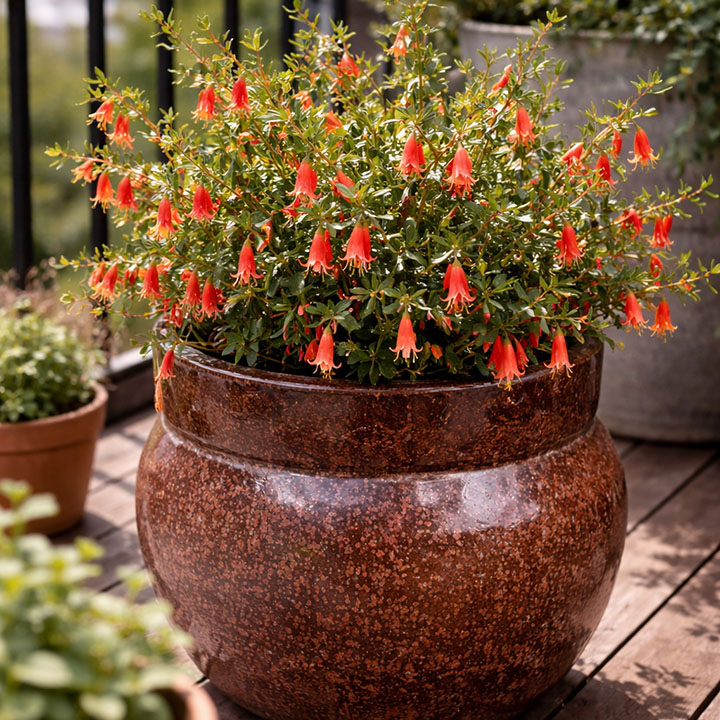
Correa is a fantastic bird friendly plant for smaller balconies, especially in cooler parts of Australia. Its tubular flowers are attractive to small nectar-feeding birds, and many correas stay neat and compact in pots. They also tend to flower in cooler months, which helps provide bird food when many other plants are quiet.
Correa is especially useful in Melbourne, Canberra, Hobart and other cooler or windier locations. It suits bright balconies with gentle sun or morning light.
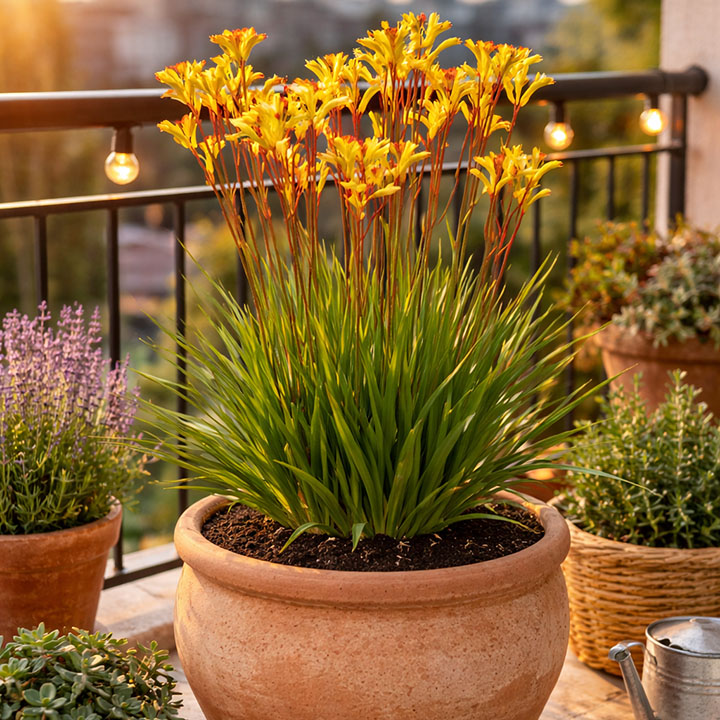
4. Kangaroo Paw
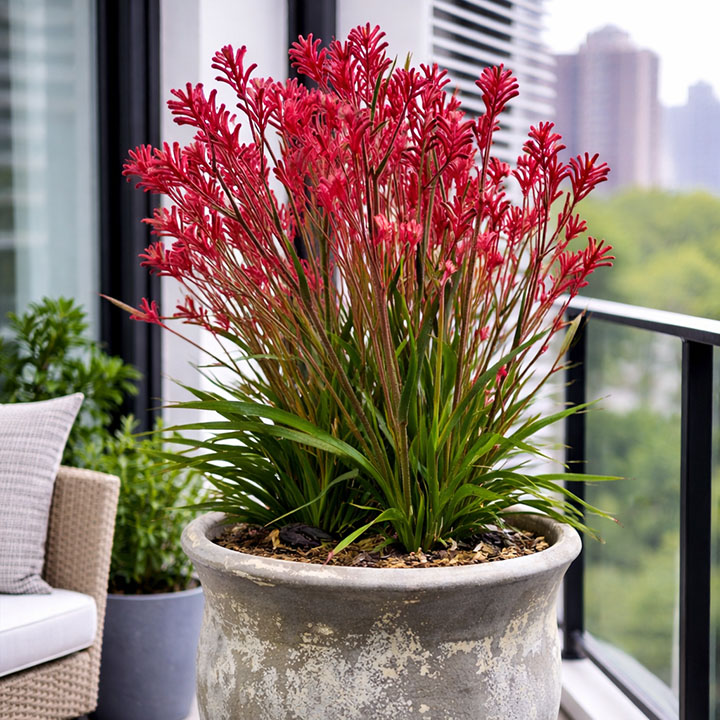
Kangaroo paw is an excellent choice for a sunny balcony garden. The unusual flowers are rich in nectar and highly attractive to birds. Their upright shape is also very useful in small spaces because they add vertical interest without spreading too much.
They do best in a bright, sunny position with excellent drainage. Kangaroo paws work especially well on dry, warm balconies in Adelaide, Perth and sunny parts of Sydney or Melbourne.
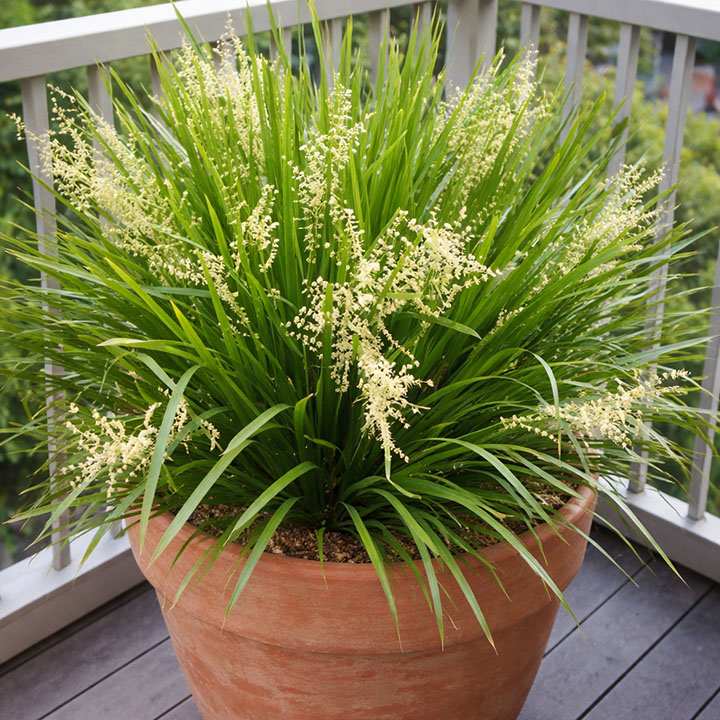
5. Lomandra
Lomandra may not be the first plant people think of for birds, but it is one of the most useful. Its strappy foliage provides cover, shelter and nesting material, and it helps create a more natural habitat feel on a balcony. Small birds are often more likely to visit if they feel they have somewhere safe to duck into.
Lomandra is also very tough, coping with heat, wind and periods of dryness once established. That makes it perfect for exposed apartment balconies in Australian cities.
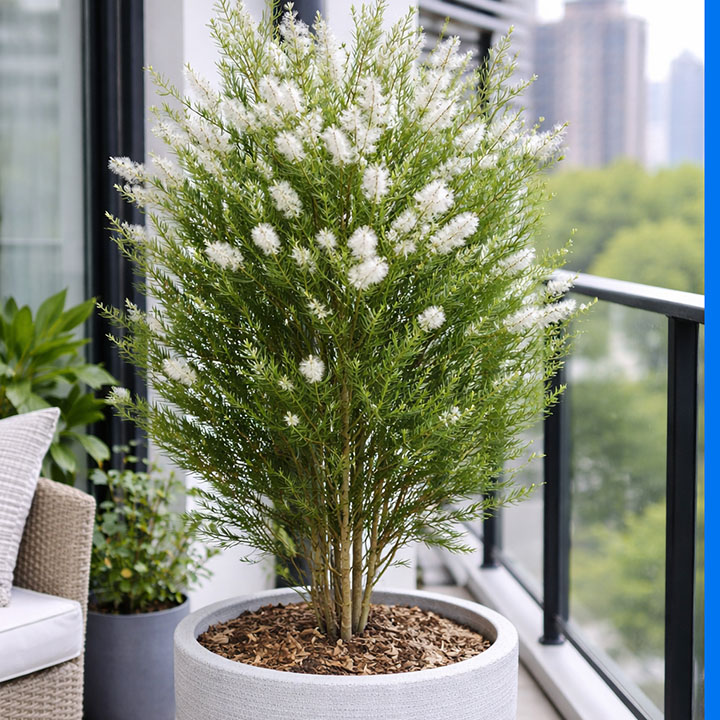
6. Tea Tree
Tea tree is another excellent bird friendly option, particularly for supporting insects and providing shelter. Small birds often benefit just as much from insect-rich planting and dense branching as they do from flowers. On a balcony, compact tea tree varieties can soften the space and make it feel more protected.
This plant is a good companion to more colourful nectar plants like grevillea or bottlebrush. Together, they create a richer habitat rather than relying on one kind of food source.
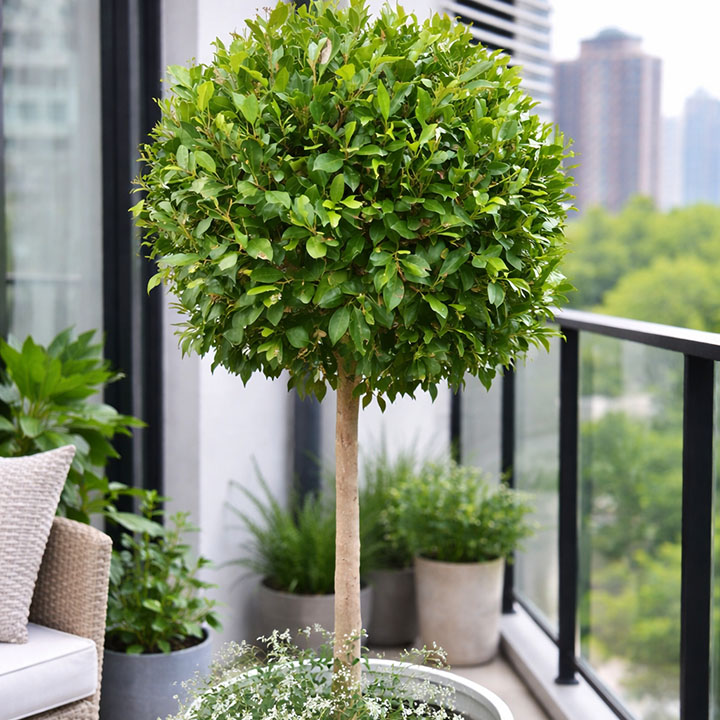
7. Lilly Pilly
Lilly pilly is a useful balcony shrub because it offers dense foliage, can be clipped for privacy, and produces berries that birds may enjoy. Compact forms are best for balconies, especially if you want a planted screen effect along one side or behind a seating area.
It is particularly helpful in humid cities like Sydney and Brisbane, but many varieties also perform well in Melbourne and other southern cities in sheltered positions.
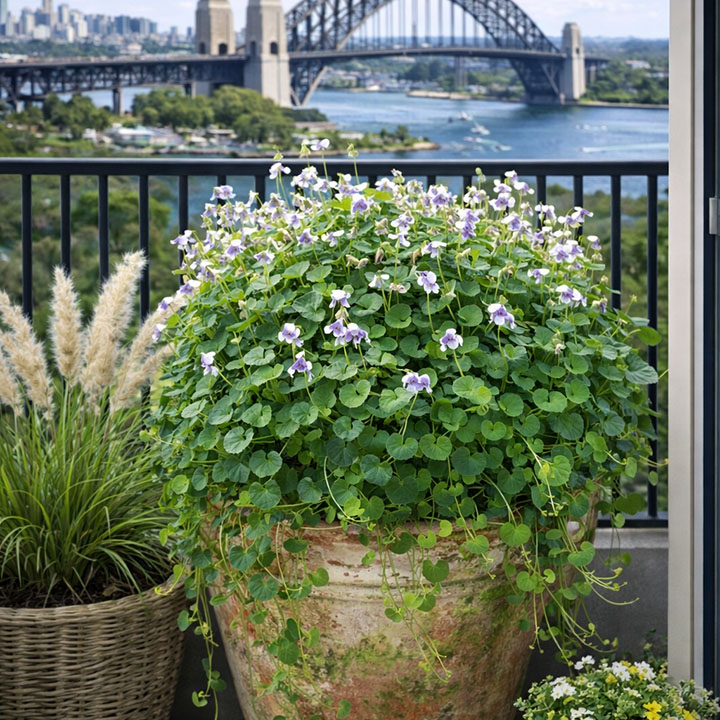
8. Native Violet
Native violet is not a major bird food plant, but it can still play a valuable supporting role in a bird friendly balcony garden. It works well as a living mulch or trailing filler plant, helping create a layered and natural look. A healthier planting mix often attracts more insects, which can help support insect-eating birds.
It is a good choice for part-shade balconies and works well around the base of shrubs in larger pots.
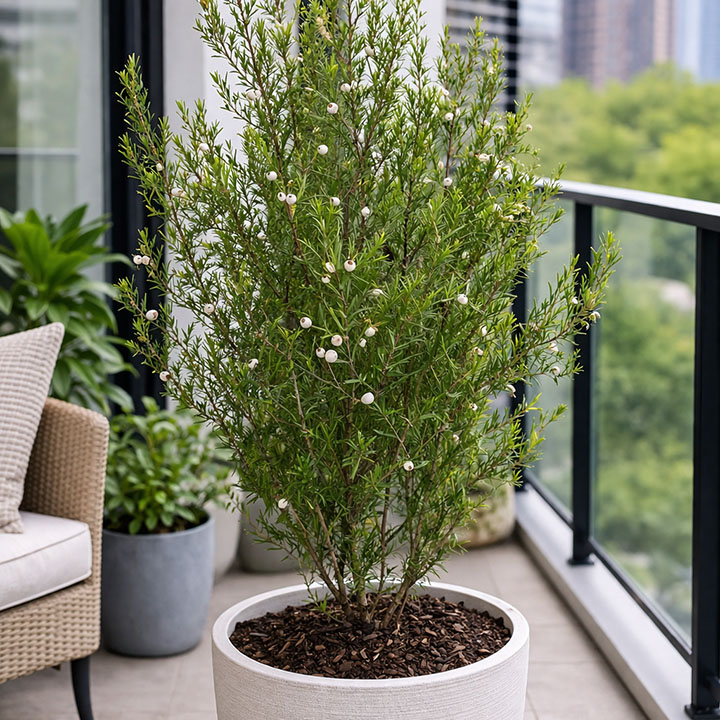
9. Midyim Berry
Midyim berry is a compact native shrub that works beautifully in pots. It produces edible berries, has attractive foliage and can help make a balcony more bird friendly by adding fruit as well as shelter. It is a great plant for gardeners who want something productive as well as ornamental.
It suits sunny to partly sunny balconies and is particularly useful in coastal and temperate Australian cities.
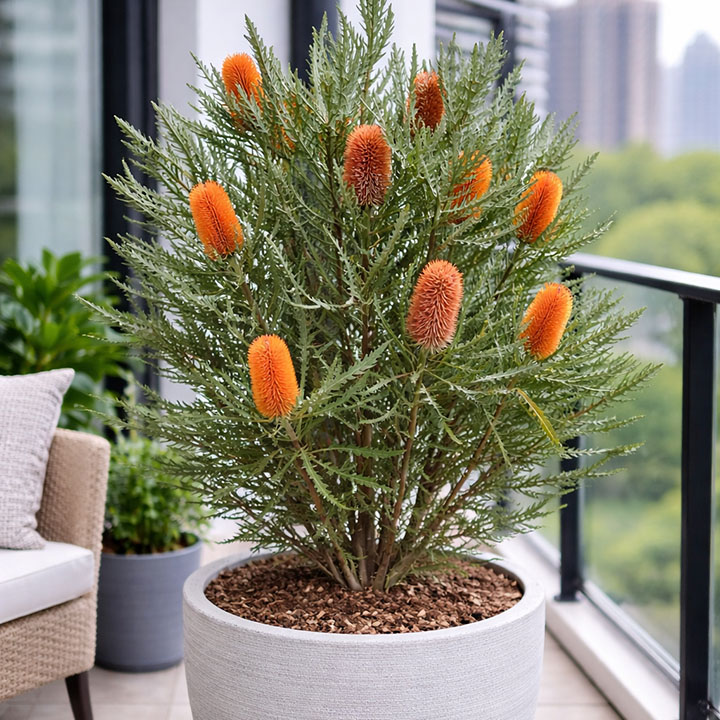
10. Dwarf Banksia
Dwarf banksias can be superb bird plants for larger balconies with plenty of sun. Their flowers attract nectar-feeding birds, and they bring a strong Australian character to container gardens. They are best for gardeners willing to use large pots and very well-drained mix.
They suit drier climates particularly well, including Perth and Adelaide, and can also work in sunny spots in Sydney or Melbourne.
Best bird friendly balcony plant combinations
The strongest bird friendly balconies usually combine several plant types rather than relying on one hero plant. A good combination might include one nectar shrub, one sheltering shrub, one grass-like plant and one trailing or berry-producing plant. This gives birds more reasons to visit and makes the balcony feel fuller and more balanced.
- Sunny balcony mix: Dwarf grevillea, kangaroo paw, lomandra and native violet
- Cool climate mix: Correa, tea tree, lomandra and midyim berry
- Screening mix: Lilly pilly, bottlebrush, lomandra and a trailing native groundcover
- Dry climate mix: Dwarf banksia, kangaroo paw, bottlebrush and lomandra
Choosing bird friendly balcony plants for Australian cities
Sydney
Sydney balconies often deal with bright sun, humidity and salt air in some locations. Bottlebrush, grevillea, lilly pilly and midyim berry are all strong choices. In hot positions, use larger pots to reduce drying out.
Melbourne
Melbourne balconies can be windy, cool and changeable. Correa, lomandra, compact grevillea and tea tree are especially useful because they offer resilience as well as bird value. Shelter becomes very important here, not just flowers.
Brisbane
Brisbane’s warm and humid climate suits lush bird friendly planting. Grevillea, bottlebrush, lilly pilly and midyim berry can all perform well. Good airflow is important so plants do not become too dense or stressed in humid weather.
Adelaide
Adelaide balconies often face strong sun and dry conditions. Kangaroo paw, lomandra, bottlebrush and dwarf banksia are excellent options. Mulch and deep watering will help pots stay cooler in summer.
Perth
Perth’s hot dry summers make drought-tolerant native plants the best fit. Banksias, kangaroo paws, grevilleas and lomandras are all good performers. Free-draining potting mix is essential, especially in winter wet periods.
Canberra and Hobart
Cool winters mean cold-tolerant plants matter more in these cities. Correa, tea tree, lomandra and hardy compact grevilleas are good starting points. Use sheltered spots where possible and protect tender plants from severe cold.
How to make a balcony more attractive to birds
Plants are the foundation, but layout matters too. Group pots together to create a sense of cover. Put taller shrubs at the back or side of the balcony, with lower grasses and flowering plants in front. This layered look is better for birds and usually looks better for people too.
- Use a mix of flowering, dense and grassy plants
- Choose compact or dwarf varieties for containers
- Include plants that flower at different times of year
- Use larger pots so plants stay healthier and more stable
- Avoid harsh chemicals that reduce insect life
- Add a shallow water dish if you can keep it clean and safe
Fresh water can be helpful, especially during hot weather, but clean planting and shelter are usually the most important starting points. Healthy plants will also attract more insects, which expands the kinds of birds your balcony may support.
Mistakes to avoid
- Using only one type of plant
- Choosing large shrubs that quickly outgrow pots
- Ignoring wind, heat or local climate
- Creating colour without any shelter
- Letting pots dry out too often in summer
- Overcrowding the balcony so plants become unhealthy
A bird friendly balcony should feel planted but not crammed. Even a few well-chosen pots can be more useful than a cluttered balcony filled with unsuitable plants.
Final thoughts
The best bird friendly balcony plants in Australia combine beauty with usefulness. Nectar-rich natives like grevillea, bottlebrush and kangaroo paw help attract birds, while plants like lomandra, tea tree and lilly pilly add shelter and structure. By choosing plants suited to your city’s climate and arranging them in layers, you can turn even a small balcony into a welcoming habitat for urban birdlife.
Start with a few reliable plants, watch which birds visit, and build from there. Over time, your balcony can become one of the most rewarding parts of your home garden.
FAQ
What are the best bird friendly balcony plants in Australia?
Some of the best bird friendly balcony plants in Australia include dwarf grevillea, bottlebrush, correa, kangaroo paw, lomandra, tea tree, lilly pilly, midyim berry and dwarf banksia. The best mix depends on your local climate, sun exposure and balcony size.
Can birds really be attracted to a small balcony?
Yes, even a small balcony can attract birds if it offers nectar, shelter and a safe place to rest. A few well-chosen pots are often enough to make a noticeable difference.
Are native plants better for attracting birds?
In most cases, yes. Australian native plants are often better adapted to local birds, insects and climate conditions. They are usually the strongest foundation for a bird friendly balcony garden.
What birds might visit a bird friendly balcony?
Depending on your location, you may attract honeyeaters, lorikeets, wattlebirds, spinebills and smaller insect-eating birds. The types of birds will vary by city, nearby habitat and the plants you grow.
Do bird friendly plants need full sun?
Many bird friendly flowering plants prefer full sun, but not all of them do. Correa, native violet and some sheltering shrubs can still do well in part shade or bright filtered light.
How do I make my balcony safe for birds?
Use dense plants for cover, avoid toxic sprays, keep water clean if you provide it, and make sure pots are stable in wind. A calm, sheltered balcony with healthy plants is usually much more inviting to birds.

Comments are closed.