
A semi-shade balcony can be one of the easiest and most rewarding spaces to garden. It avoids the harshest afternoon sun, reduces heat stress on pots, and opens the door to a wide range of beautiful foliage plants, flowering favourites, herbs, and even a few productive edibles. In many Australian apartments, semi-shade means bright light for most of the day with a few hours of morning sun, filtered light through nearby buildings or trees, or protection from direct western sun.
If your balcony sits in semi-shade, you are in a sweet spot. You can grow plants that struggle on exposed full-sun balconies, while still enjoying enough light for colour, texture, and seasonal interest. The key is choosing plants that enjoy bright conditions without needing blazing all-day sun.
Below, you’ll find the best plants for semi-shade balconies in Australia, plus city-specific advice for Melbourne, Sydney, Brisbane, Perth, Adelaide, and Hobart.
What “Semi-Shade” Means on a Balcony
Before buying plants, it helps to understand your balcony light. Semi-shade usually includes one of these conditions:
- 2 to 4 hours of gentle direct sun, usually in the morning
- Bright indirect light for most of the day
- Dappled sun through nearby trees or screens
- Protection from strong western sun but still a bright position
This kind of light suits many balcony plants because pots dry out more slowly, foliage stays fresher, and flowers often last longer through warm weather.
Why Semi-Shade Works So Well in Australia
Australian balconies often deal with intense sun, drying winds, reflected heat from walls and paving, and inconsistent rainfall. Semi-shade takes the edge off those extremes. In hotter cities such as Brisbane and Perth, it helps prevent leaf scorch and reduces water stress. In Melbourne and Adelaide, it can buffer plants from sudden weather swings. In Sydney and Hobart, it creates a more stable growing environment for foliage plants, flowers, and herbs.
The result is usually less maintenance, fewer watering emergencies, and a wider plant palette than many people expect.
Best Plants for a Semi-Shade Balcony in Australia
These plants are especially useful for balcony growing because they combine good looks with practical performance in pots.
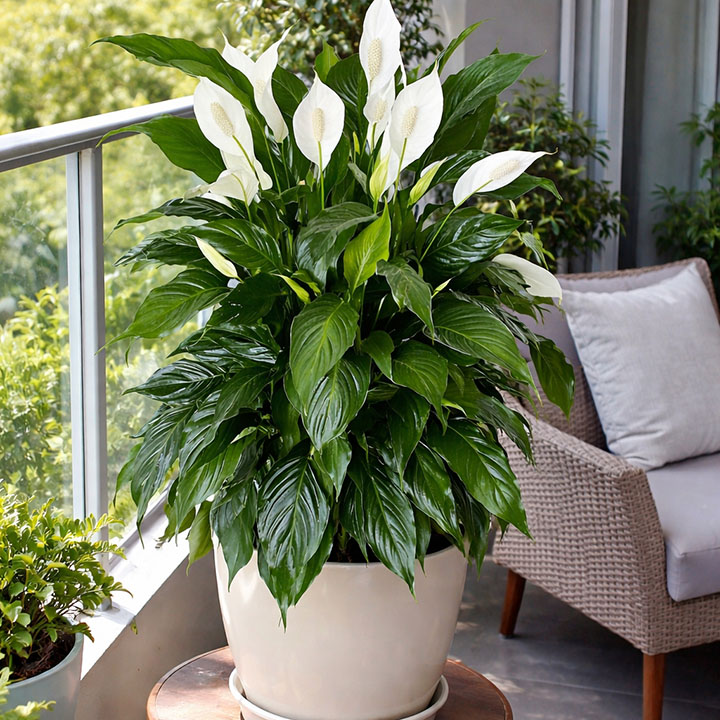
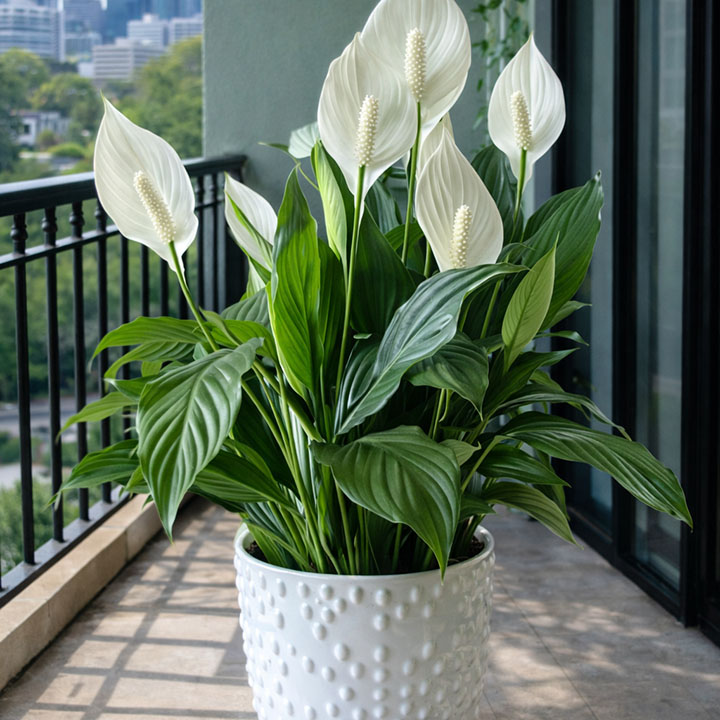
1. Peace Lily
Peace lilies are excellent for bright semi-shade balconies, especially sheltered ones. They bring glossy foliage, elegant white blooms, and a lush look that suits small spaces. They prefer even moisture and protection from hot drying winds, so they are particularly useful on covered balconies.
Best for: Modern balconies, sheltered apartments, lush green styling
Watch for: Crispy leaves if allowed to dry out too much
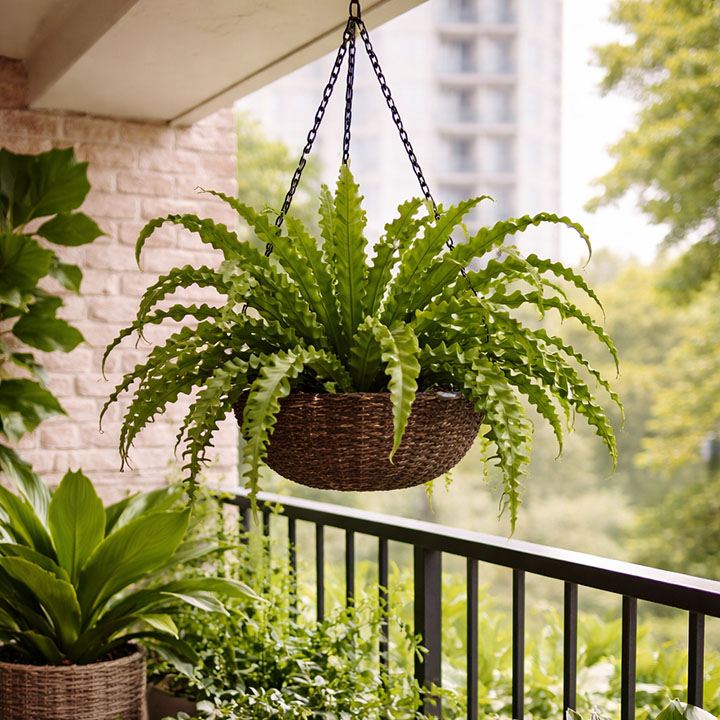
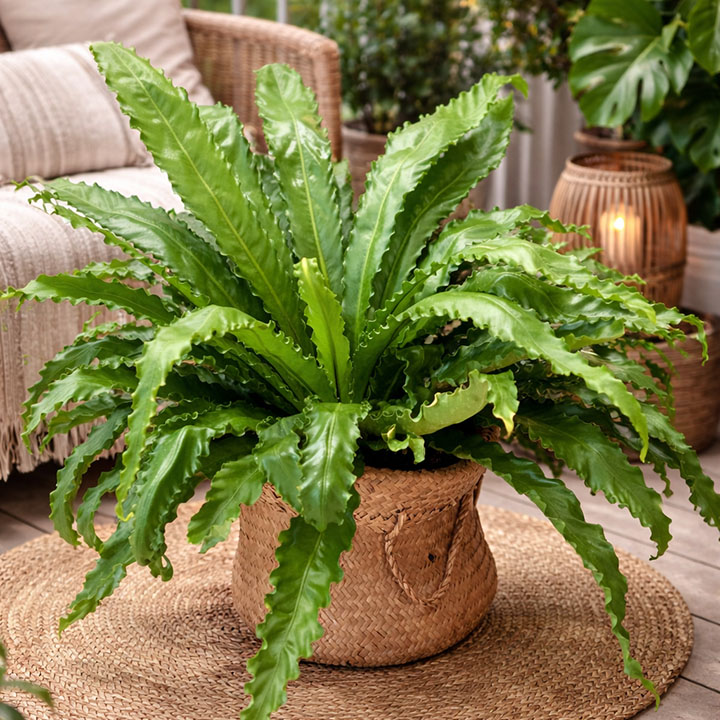
2. Ferns
Boston ferns, maidenhair ferns, and bird’s nest ferns are classic semi-shade balcony plants. They love filtered light and create softness around railings, corners, and hanging baskets. If your balcony never gets harsh afternoon sun, ferns can be one of the best choices you make.
Best for: Shady corners, hanging baskets, green privacy screens
Watch for: Dry air, wind exposure, and inconsistent watering
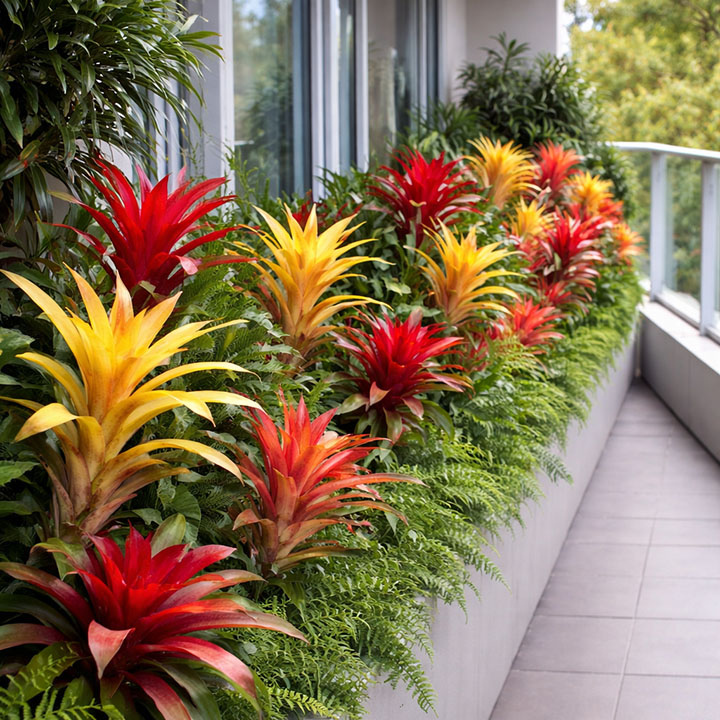
3. Bromeliads
Bromeliads are ideal if you want bold structure with low fuss. Their rosettes hold shape beautifully, they cope well in containers, and many varieties thrive in bright lightly shaded positions. They also add strong colour through their flowers and bracts.
Best for: Tropical-style balconies, statement pots, warm coastal cities
Watch for: Water sitting too long in cold weather in cooler regions
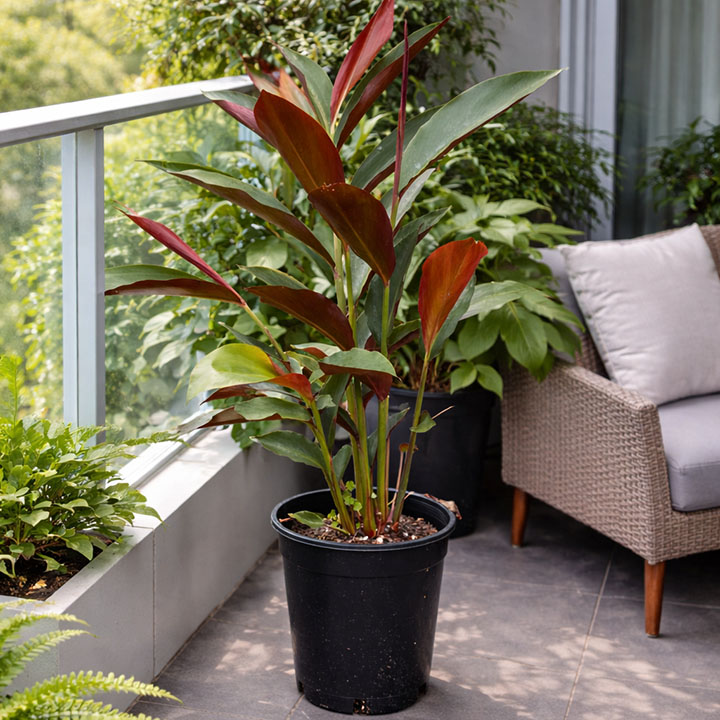
4. Native Ginger
Native ginger is a fantastic Australian option for shaded to semi-shaded balconies. It has arching foliage, a soft rainforest feel, and suits a more natural planting style. It is especially useful if you want a balcony that feels leafy and calm rather than bright and floral.
Best for: Native planting schemes, sheltered balconies, humid cities
Watch for: Potting mix drying out too far in summer
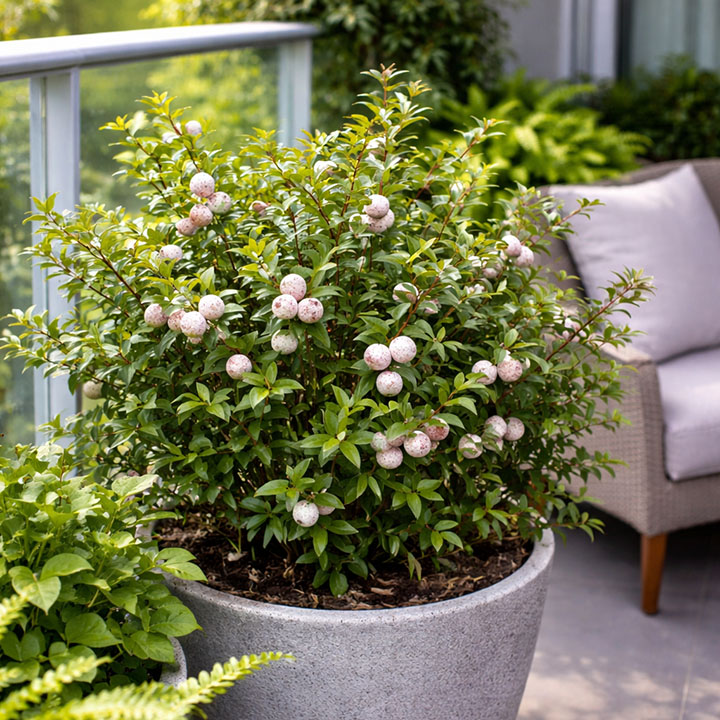
5. Midgen Berry
Midgen berry is one of the best Australian native edible plants for a small balcony. It handles containers well, stays neat, and gives you glossy foliage, white flowers, and decorative edible fruit. It suits semi-shade and looks good in both modern and cottage-style spaces.
Best for: Native edible balconies, compact pots, small-space gardeners
Watch for: Dry spells during establishment
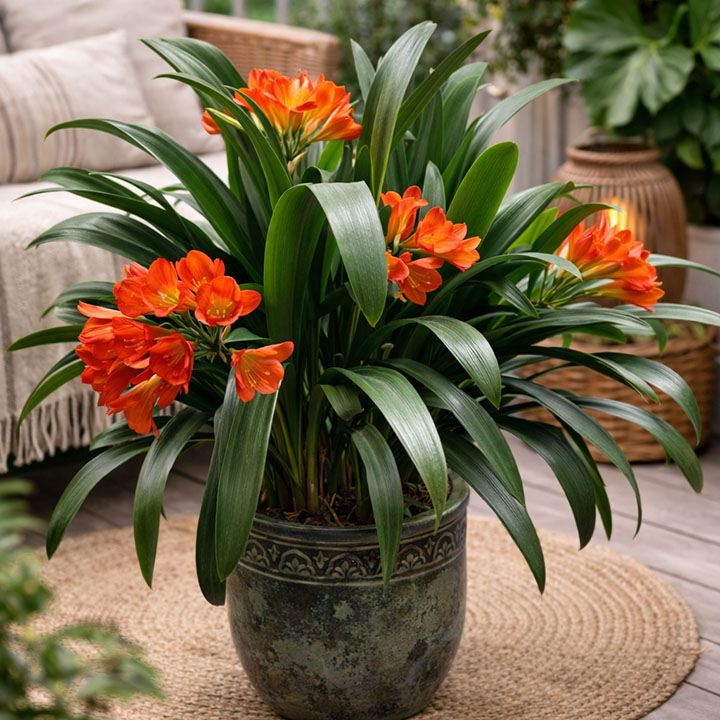
6. Clivia
Clivia is a standout for semi-shade balconies because it tolerates lower light better than many flowering plants. Its strappy leaves look neat year-round, and the orange, yellow, or cream blooms bring a big seasonal lift. It is especially good for apartment gardeners who want colour without a high-maintenance routine.
Best for: Long-term pots, evergreen structure, low-maintenance colour
Watch for: Too much direct hot sun, which can bleach or burn leaves
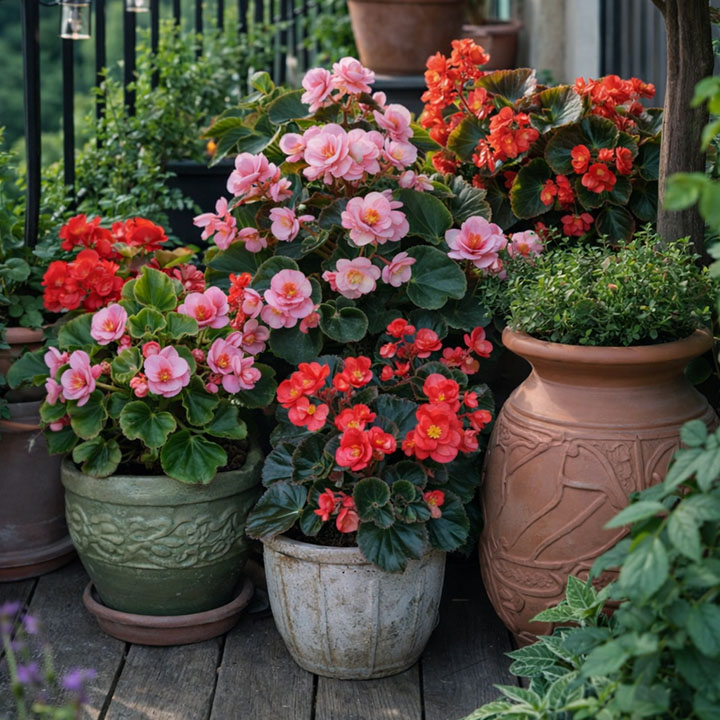
7. Begonias
Begonias are brilliant for semi-shade because they deliver colour where petunias and other sun-lovers may struggle. Both cane begonias and flowering begonias work well in containers. They can make a balcony feel bright and layered without needing full sun.
Best for: Flowering pots, decorative foliage, soft colour in filtered light
Watch for: Waterlogged pots and cold wind
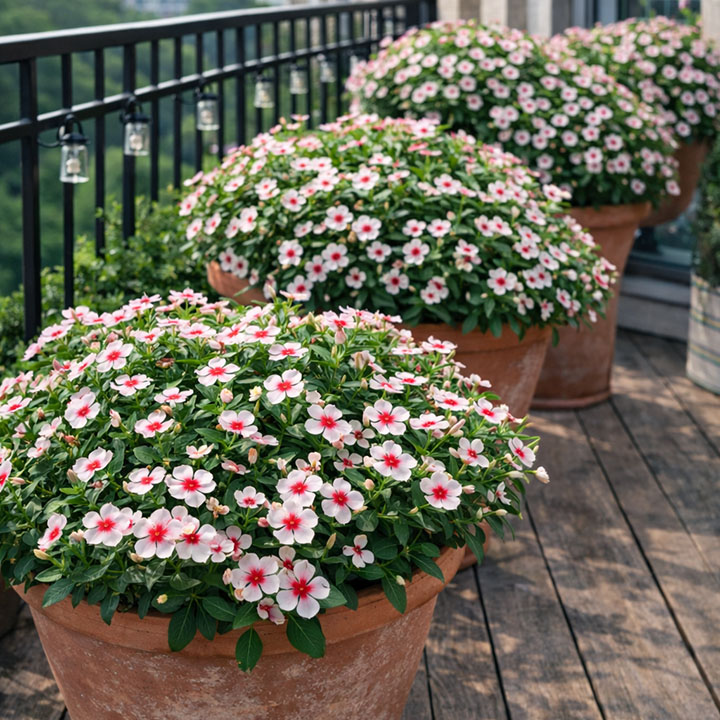
8. Impatiens
If you want reliable flowers in a balcony that gets only limited direct sun, impatiens are one of the simplest options. They create full mounds of colour in troughs, window boxes, and mixed containers and can brighten darker balconies beautifully.
Best for: Seasonal colour, railing planters, compact flowering displays
Watch for: Heatwaves and skipped watering in midsummer
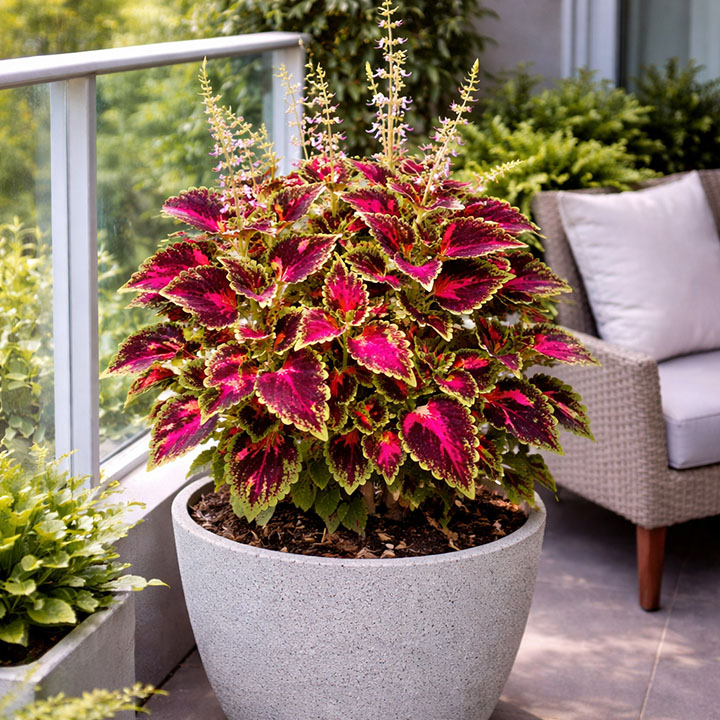
9. Coleus
Coleus gives you dramatic colour through foliage rather than flowers. Burgundy, lime, pink, copper, and patterned leaves all perform well in semi-shade. It is a great choice if you want instant visual impact and like the idea of a balcony that looks vibrant even when little is in bloom.
Best for: Bold container combinations, tropical looks, foliage-first design
Watch for: Frost in cooler regions and prolonged dry periods
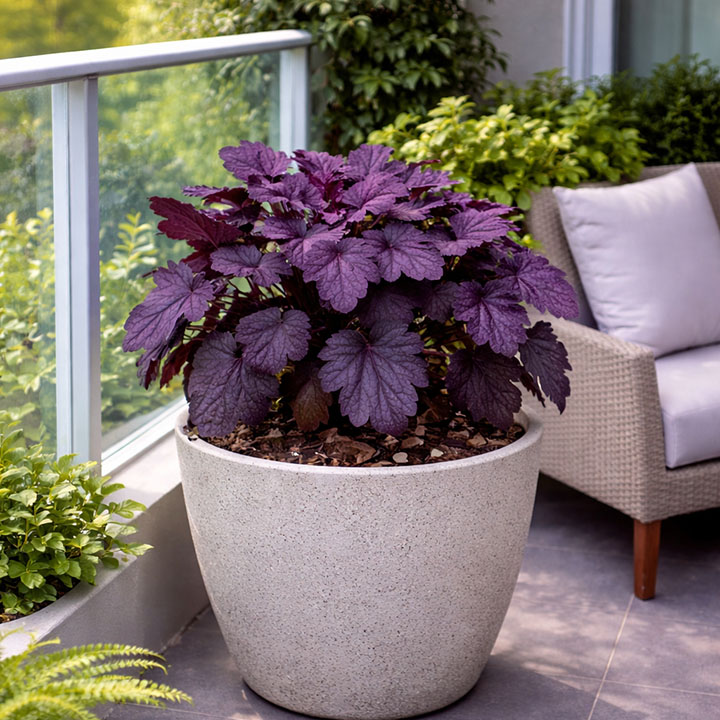
10. Heuchera
Heuchera works well in semi-shade balconies where you want compact plants with colourful leaves. It is especially useful in Melbourne, Adelaide, and Hobart where milder or cooler conditions often suit it well. The foliage brings colour through much of the year without relying on heavy flowering.
Best for: Cooler cities, stylish pots, layered foliage displays
Watch for: Overwatering in humid weather
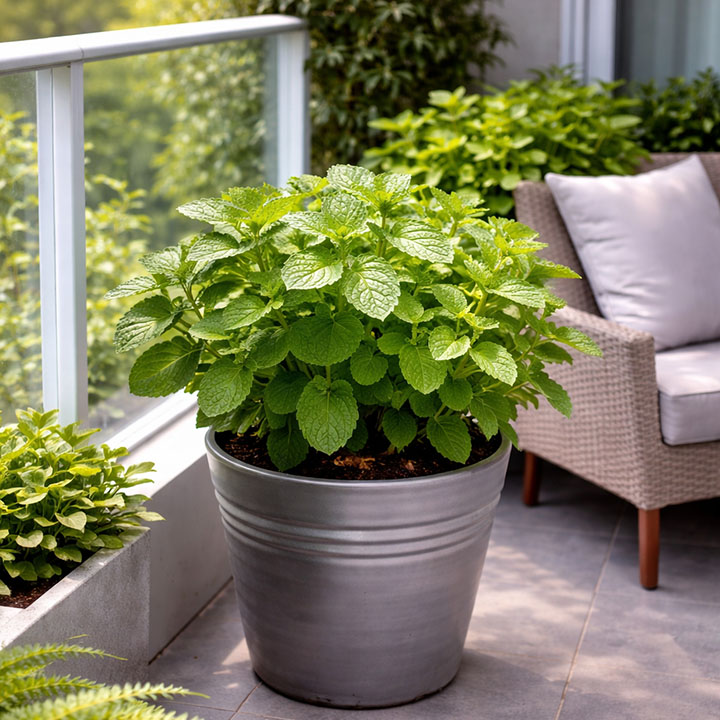
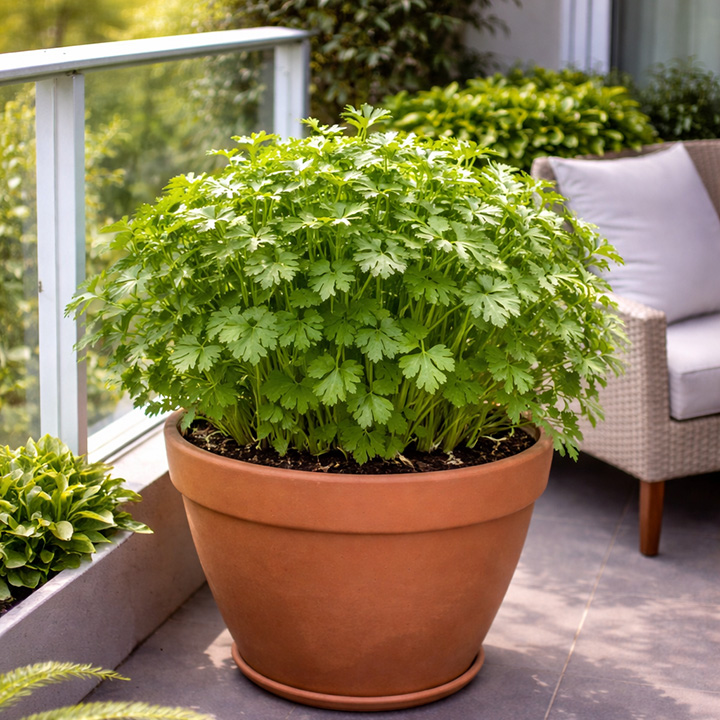
11. Parsley, Mint, and Chives
Not every edible balcony needs full sun. Parsley, mint, and chives can all do well in semi-shade, particularly where there is morning sun and bright light. They are useful kitchen herbs for renters and beginners because they stay productive in pots and fit easily into small balcony layouts.
Best for: Small edible balconies, herb troughs, beginner gardeners
Watch for: Mint spreading too aggressively if planted with other herbs
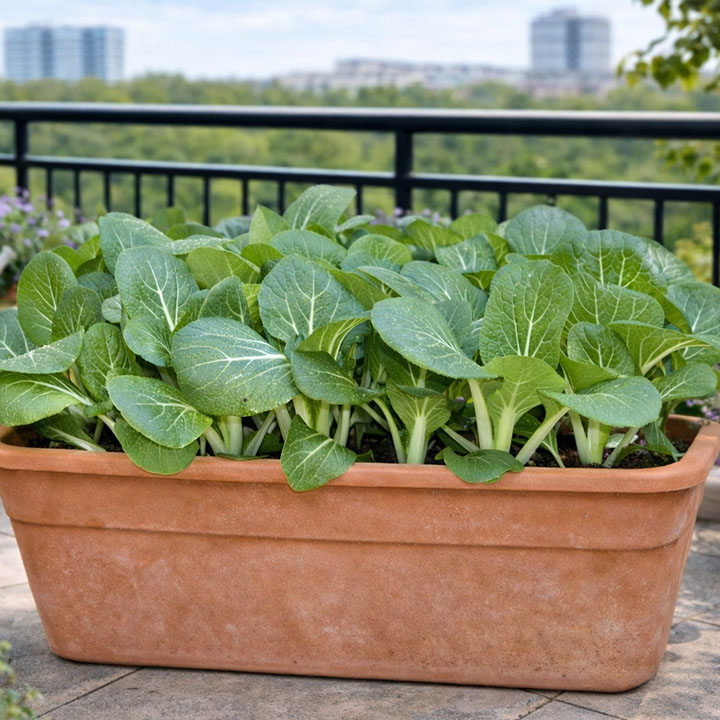
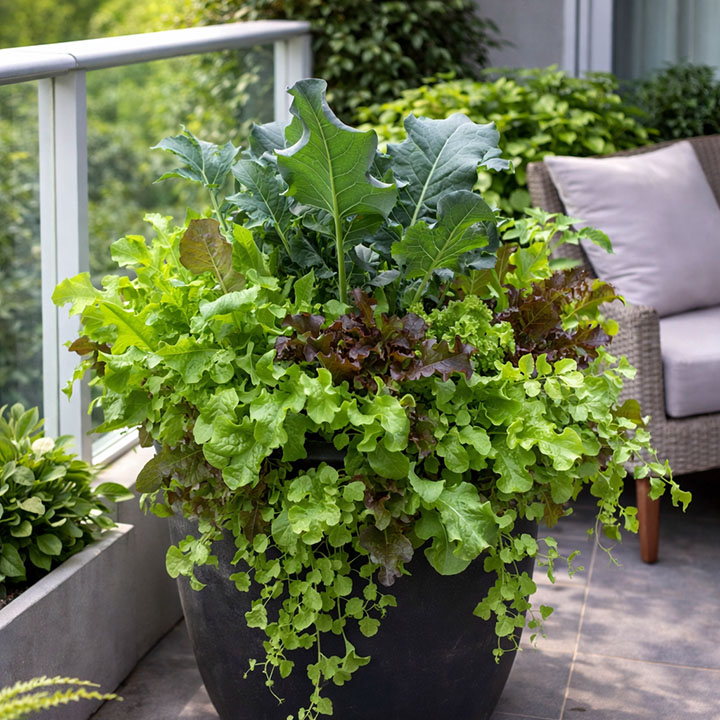
12. Lettuce, Rocket, and Asian Greens
Many leafy greens actually prefer semi-shade in Australian conditions, especially outside winter. A balcony with bright light and protection from fierce afternoon sun often produces softer leaves and slower bolting. If you want productive pots, these are among the best crops to start with.
Best for: Edible planters, cool-season harvesting, quick results
Watch for: Snails, heat spikes, and shallow pots drying out too quickly
Best Native Plants for a Semi-Shade Balcony
If you want an Australian look or prefer native species, these are especially worth considering:
- Midgen berry for compact edible planting
- Native ginger for leafy semi-shade corners
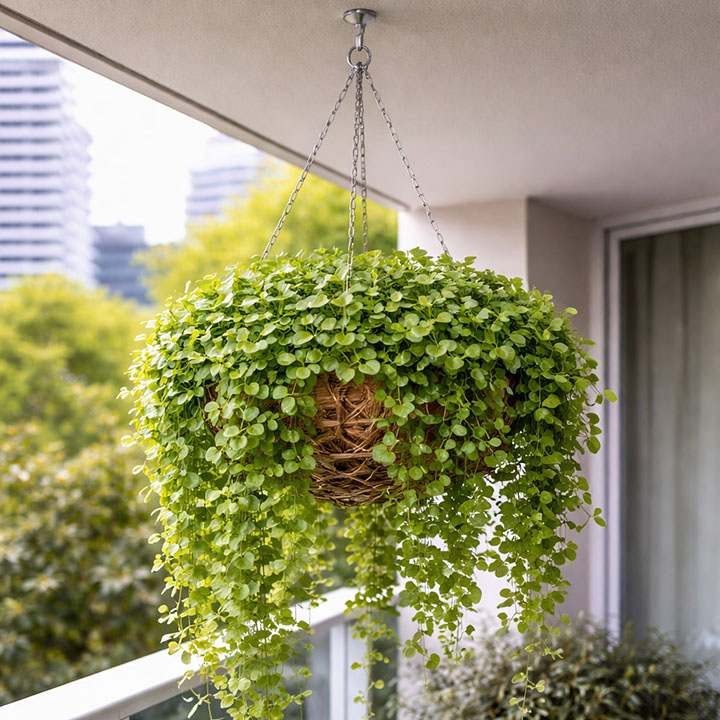
- Dichondra repens for trailing softness in pots and baskets
- Some brachyscome varieties where there is a little morning sun
- Isotoma axillaris in bright dappled conditions
- Blueberry ash in a larger tub if you want height and screening
Native plants can be a smart balcony choice because many are adapted to Australian conditions, but they still need the right potting mix, drainage, and light level. Always match the species to your exact balcony exposure rather than choosing on “native” status alone.
Best Flowering Plants for Semi-Shade Balconies
If your main goal is colour, focus on plants that naturally bloom well without needing hot all-day sun. Good choices include:
- Begonias
- Impatiens
- Clivia
- Bromeliads
- Fuchsia in cooler or sheltered spots
- Lobelia in bright partial shade
Use flowers near seating areas and entrances where you will notice them most. On a small balcony, even two or three flowering pots can completely change the mood of the space.
Best Foliage Plants for Semi-Shade Balconies
Foliage often outperforms flowers on balconies because it stays attractive for longer and usually handles changing weather better. Excellent choices include:
- Peace lily
- Boston fern
- Bird’s nest fern
- Coleus
- Heuchera
- Bromeliads
- Clivia
- Native ginger
If you want a lush designer look, build around foliage first, then add a few flowering accents.
Best Edibles for a Semi-Shade Balcony
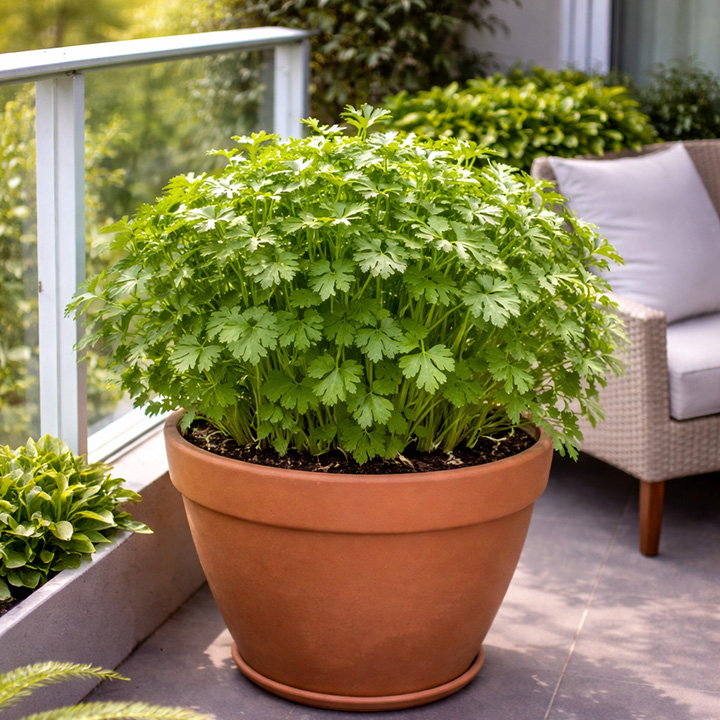
Semi-shade balconies can still be productive. The trick is to grow crops that cope with less intense sun rather than forcing sun-loving fruiting plants to struggle. The best edible options include:
- Parsley
- Mint
- Chives
- Coriander in cooler months
- Lettuce
- Rocket
- Asian greens
- Midgen berry
You may also get away with strawberries if your balcony receives enough morning sun, but leafy herbs and greens are usually the safest bet.
Best Plants by Australian City
Melbourne
Melbourne balconies often experience variable weather, cool changes, and drying wind. Choose sturdy pots and plants that can handle fluctuation. Good options include clivia, heuchera, ferns in sheltered positions, parsley, mint, coleus in summer, and midgen berry.
Sydney
Sydney’s humidity and mild winters suit a wide mix of semi-shade plants. Bromeliads, native ginger, ferns, peace lilies, clivia, begonias, and leafy herbs often perform very well, especially on balconies with good airflow.
Brisbane
In Brisbane, semi-shade is often an advantage because it shields plants from intense heat and sun. Bromeliads, native ginger, coleus, peace lilies, impatiens, ferns, and tropical foliage plants are excellent choices. Prioritise moisture retention and protection from summer heat.
Perth
Perth balconies can be hot, bright, and dry, so semi-shade helps a lot. Focus on plants that appreciate protection from afternoon heat, such as clivia, bromeliads in sheltered spots, hardy foliage plants, herbs like parsley and chives, and tougher natives in quality potting mix.
Adelaide
Adelaide gardeners benefit from semi-shade because summer sun can be punishing in containers. Choose plants that stay fresher in lower light, such as begonias, clivia, heuchera, mint, parsley, native ginger, and leafy greens in cooler seasons.
Hobart
Hobart’s cooler climate means semi-shade balconies can support a broad mix of foliage and flowers, provided pots are not waterlogged. Ferns, heuchera, clivia, begonias, parsley, rocket, lettuce, and some native edibles can all be rewarding choices.
How to Choose the Right Plant for Your Balcony
Even within the same city, balconies vary a lot. To choose well, consider these factors:
- Wind: High-rise balconies can dry out plants quickly and damage soft growth.
- Heat reflection: Light bouncing off walls, windows, and tiles can make a semi-shade balcony hotter than expected.
- Rain exposure: Covered balconies need more regular watering.
- Pot size: Small pots dry out much faster than larger containers.
- Time of sun: Morning sun is usually gentler than western afternoon sun.
If you are unsure, start with a mixed test group: one foliage plant, one flowering plant, and one edible. After a few weeks, you will quickly see what really thrives in your conditions.
Potting Tips for Semi-Shade Balcony Plants
- Use premium potting mix rather than garden soil
- Choose pots with drainage holes
- Use saucers carefully so roots are not left sitting in water
- Add mulch to reduce moisture loss
- Group plants together to create a cooler, more humid microclimate
- Use heavier pots if your balcony is windy
- Rotate pots every few weeks for even growth
Common Mistakes on Semi-Shade Balconies
- Choosing full-sun plants that become weak and leggy
- Assuming shade means no watering is needed
- Using tiny decorative pots that dry out too fast
- Ignoring wind exposure
- Overcrowding containers with too many thirsty plants
- Using dark pots in very hot climates without checking root temperature
A Simple Semi-Shade Balcony Planting Plan
If you want an easy formula, try this:
- Back layer: Clivia, native ginger, or a large fern
- Middle layer: Begonias, bromeliads, coleus, or peace lilies
- Front layer: Parsley, mint, lettuce, dichondra, or trailing foliage
This creates height, softness, and practical harvests without needing a large space.
Final Thoughts
A semi-shade balcony is not a compromise. In many parts of Australia, it is actually one of the best balcony conditions you can have. It gives you enough light to grow a beautiful, layered garden while protecting plants from the harshest heat and sun.
Start with reliable performers such as clivia, ferns, bromeliads, peace lilies, begonias, parsley, mint, and native ginger. Then add a few local favourites based on your city, your wind exposure, and how much time you want to spend watering. With the right mix, a semi-shade balcony can look lush, colourful, and productive for most of the year.
Discover the best plants for a semi-shade balcony in Australia, from lush ferns and clivia to colourful begonias, native options, and easy balcony herbs. This guide covers the top plant choices for Melbourne, Sydney, Brisbane, Perth, Adelaide, and Hobart, with practical tips for light, wind, watering, and small-space container growing.
Frequently Asked Questions
What is a semi-shade balcony?
A semi-shade balcony usually gets bright indirect light for most of the day, plus a few hours of gentle direct sun, often in the morning. It may also receive filtered or dappled light rather than harsh afternoon sun.
What plants grow best on a semi-shade balcony in Australia?
Some of the best choices include clivia, ferns, peace lilies, begonias, bromeliads, coleus, native ginger, parsley, mint, lettuce, and midgen berry. These plants generally cope well with bright light and limited direct sun.
Can I grow herbs on a semi-shade balcony?
Yes. Many herbs do well in semi-shade, especially parsley, mint, chives, and coriander in cooler months. These herbs often prefer protection from intense afternoon sun, especially during Australian summers.
Can flowering plants grow on a semi-shade balcony?
Yes. Begonias, impatiens, clivia, bromeliads, fuchsia, and lobelia are all good options for adding colour to a semi-shade balcony. Flowering performance depends on how much light your balcony receives each day.
Are semi-shade balconies easier to maintain than full-sun balconies?
In many cases, yes. Semi-shade balconies often dry out more slowly, experience less leaf scorch, and place less heat stress on container plants. That can make watering and general maintenance easier.
What edible plants can I grow on a semi-shade balcony?
Leafy greens and soft herbs are usually the best options. Try lettuce, rocket, Asian greens, parsley, mint, chives, and midgen berry. Fruiting plants such as tomatoes usually need more direct sun.
Do native plants work well on a semi-shade balcony?
Yes, some Australian natives are very well suited to semi-shade balconies. Good examples include native ginger, midgen berry, and dichondra repens. Always match the plant to your exact balcony light and wind conditions.
How often should I water plants on a semi-shade balcony?
It depends on the season, pot size, wind exposure, and the type of plant. Semi-shade balconies usually need less frequent watering than full-sun balconies, but pots can still dry out quickly during warm or windy weather.
What is the biggest mistake people make with semi-shade balcony plants?
One of the most common mistakes is choosing plants that need full sun and then wondering why they become weak or leggy. Another is underestimating wind and letting pots dry out too much, even in lower light.
Which plants are best for a semi-shade balcony in Melbourne or Sydney?
In Melbourne, clivia, heuchera, ferns in sheltered spots, parsley, mint, and midgen berry are strong choices. In Sydney, bromeliads, native ginger, peace lilies, begonias, ferns, and leafy herbs often perform especially well thanks to the milder, more humid climate.

Comments are closed.