
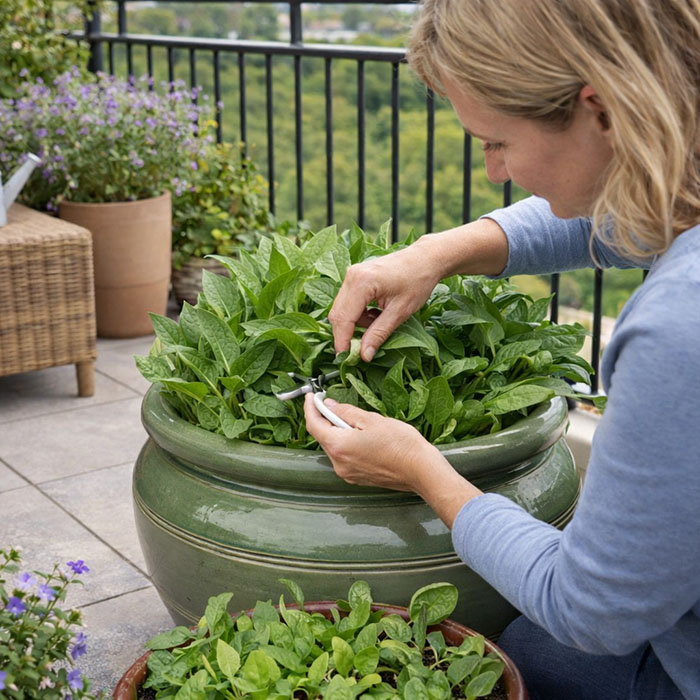
Balcony gardening is one of the easiest ways to grow fresh food at home, even if you only have a small outdoor space. In Australia, balconies can range from cool and windy in Melbourne, to hot and humid in Brisbane, to dry and intense in Perth or Adelaide. That means the best vegetables for your balcony garden will depend on your climate, sunlight, season, and how exposed your space is to wind and heat.
The good news is that many vegetables grow extremely well in pots, troughs, raised planters, and vertical systems. With the right plant choices, a sunny balcony can produce herbs, leafy greens, tomatoes, chillies, beans, radishes, spring onions, and much more.
This guide covers the best vegetables for balcony gardens in Australia, which crops suit different Australian cities, and how to choose vegetables that match your balcony conditions.
Why Some Vegetables Perform Better on Balconies
Not every vegetable is ideal for balcony growing. Large crops such as pumpkins, corn, and full-sized cauliflower take up a lot of room, need deep soil, and can be difficult to manage in containers. Balcony-friendly vegetables tend to share a few important traits:
- They grow well in pots or shallow planters
- They produce heavily in small spaces
- They mature quickly
- They suit repeated harvesting
- They can handle wind, reflected heat, or part shade better than larger crops
When choosing what to grow, focus on compact, productive vegetables that give you regular harvests rather than crops that need a large backyard to thrive.
What to Consider Before Choosing Vegetables
1. Sunlight
Most fruiting vegetables such as tomatoes, capsicum, eggplant, chillies, and cucumbers need at least 6 to 8 hours of sun. Leafy greens and herbs are more forgiving and often grow well with 3 to 5 hours of sun, especially in warmer Australian cities.
2. Wind Exposure
Balconies can be far windier than backyards. Strong winds dry out pots quickly, damage stems, and stress young plants. If your balcony is exposed, choose tougher crops like spring onions, leafy greens, radishes, bush beans, chillies, and herbs, and use screens or grouped pots for protection.
3. Heat Reflection
Concrete walls, glass balustrades, and metal railings can bounce heat back onto plants. In hot cities, this can be useful in winter but harsh in summer. Vegetables such as lettuce and spinach may bolt quickly in these conditions, while tomatoes, basil, chillies, and eggplant usually cope much better.
4. Pot Size
Small vegetables can still need decent root room. As a general guide, leafy greens and radishes can grow in shallow containers, while tomatoes, cucumbers, and eggplant do better in deeper pots. Bigger pots hold moisture better, which is especially important in Australian summers.
5. Seasonal Timing
Australia’s growing seasons vary by region. A cool-season crop in Hobart may struggle in tropical Brisbane, while a heat-loving crop in Perth may thrive for months. Matching your vegetables to your season is one of the biggest keys to success.
Best Vegetables for Balcony Gardens in Australia
1. Lettuce
Lettuce is one of the best balcony vegetables because it is quick, productive, and easy to grow in containers. Loose-leaf varieties are especially useful because you can pick outer leaves as needed instead of harvesting the whole plant at once.
Lettuce prefers mild weather and some protection from harsh afternoon sun, especially in warmer parts of Australia. It is ideal for autumn, winter, and spring in many cities, and can also be grown in part shade through warmer months if conditions are managed carefully.
Best for: Sydney, Melbourne, Canberra, Hobart, Adelaide autumn and winter, Perth autumn and spring, Brisbane winter
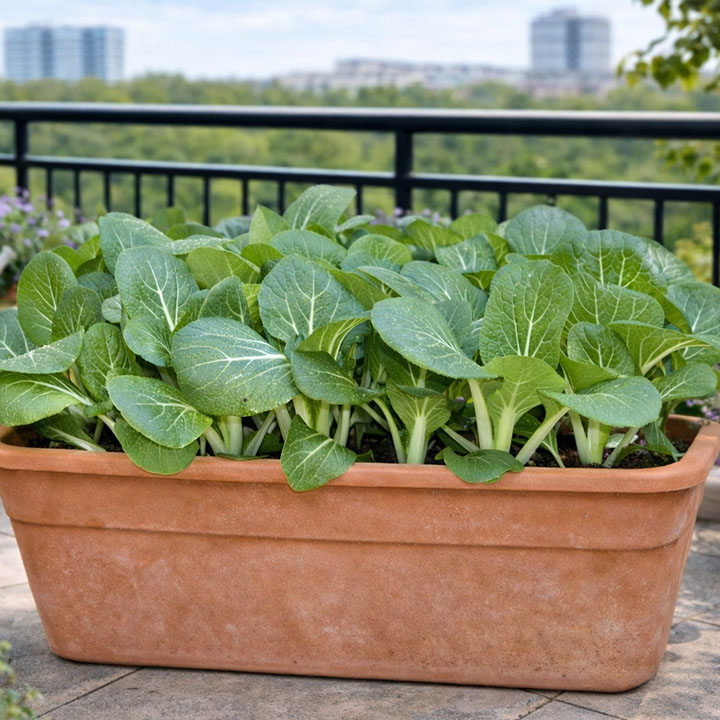
2. Spinach and Asian Greens
Spinach, silverbeet, bok choy, tatsoi, and mizuna are excellent choices for balcony planters. They grow fast, suit containers well, and are perfect for regular picking. Silverbeet is particularly useful because it tolerates a wider range of conditions and can stay productive for a long time.
In hot weather, standard spinach can struggle, but alternatives such as Malabar spinach or New Zealand spinach are better choices for warmer areas.
Best for: Most Australian cities depending on season
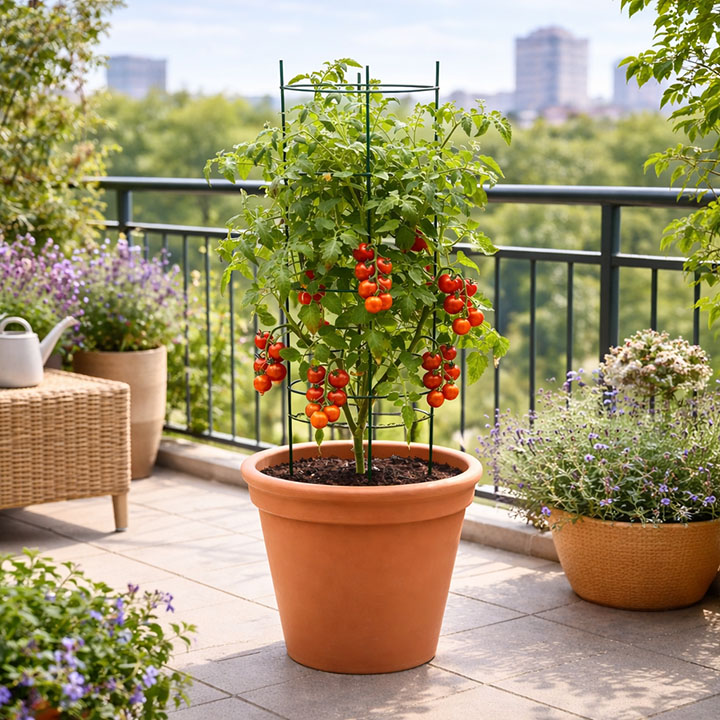
3. Cherry Tomatoes
Cherry tomatoes are one of the most rewarding vegetables for a sunny balcony. They produce heavily in pots, look attractive, and are far easier to manage than large tomato varieties. Compact or dwarf tomato types are best where space is limited.
Tomatoes need full sun, strong support, and steady watering. They suit balconies with good light and enough airflow to reduce disease. In cooler cities they are a summer favourite, while in frost-free areas they can have a longer season.
Best for: Melbourne summer, Sydney spring to autumn, Brisbane autumn to spring, Adelaide and Perth spring to autumn
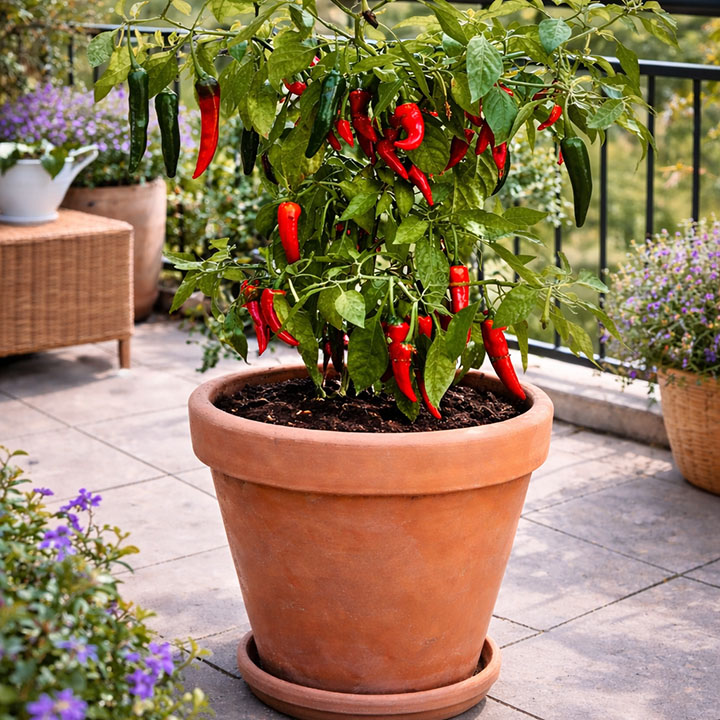
4. Chillies
Chillies are one of the most balcony-friendly edible plants in Australia. They love warmth, grow beautifully in pots, and many varieties stay compact. They also handle reflected heat better than many leafy vegetables.
Chillies are ideal for balconies where you want a productive plant that also looks ornamental. They need a sunny spot and perform particularly well in warmer Australian climates.
Best for: Brisbane, Sydney, Perth, Adelaide, Darwin, and warm summer balconies in Melbourne and Hobart
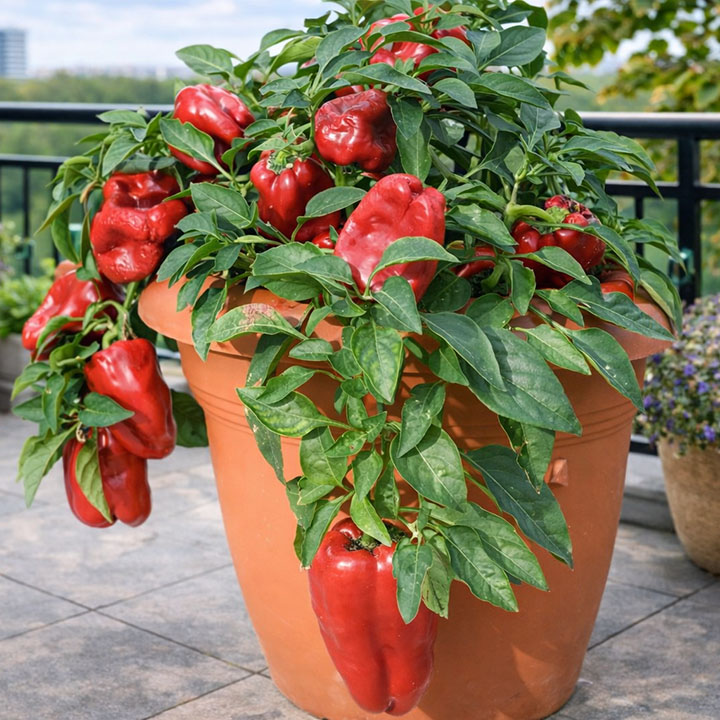
5. Capsicum
Capsicum can do very well in large pots on a sunny balcony, especially in warm and temperate regions. They take longer than chillies to mature, but the reward is a useful crop for cooking and salads. Compact varieties are best for container growing.
Best for: Sydney, Brisbane, Perth, Adelaide, and protected sunny balconies in Melbourne
6. Radishes
Radishes are perfect for impatient gardeners. They grow quickly, take up little space, and do well in shallow containers. They are great for beginners and an easy way to fill gaps between slower crops.
Radishes grow best in cooler or mild conditions. In very hot weather, they can become woody or bolt before forming good roots.
Best for: Melbourne, Canberra, Hobart, Sydney autumn and spring, Brisbane winter
7. Spring Onions
Spring onions are one of the easiest edible crops for balcony gardens. They take up very little space, can be planted closely together, and are useful in the kitchen. They also handle containers well and are a good choice for gardeners with less direct sun.
Best for: All Australian cities
8. Bush Beans
Bush beans are compact, productive, and easier to manage than climbing beans on small balconies. They produce a generous harvest in a relatively small footprint and usually cope well with warm weather.
If you have vertical space and a sunny wall or railing, climbing beans are also a strong option, but bush beans are simpler for beginners.
Best for: Sydney, Melbourne summer, Adelaide, Perth, Brisbane in the milder part of the year
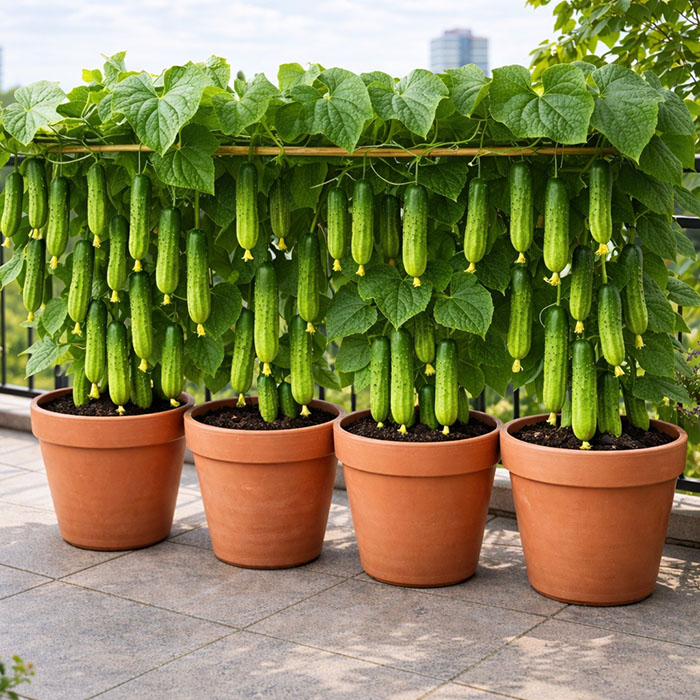
9. Cucumbers
Compact or climbing cucumber varieties can work very well on balconies if they are grown vertically. They need warmth, regular watering, and a trellis or support. Cucumbers are thirsty plants, so they are best suited to gardeners who can stay on top of watering during hot weather.
Best for: Sydney, Brisbane, Perth, Adelaide, Melbourne in summer on warm balconies
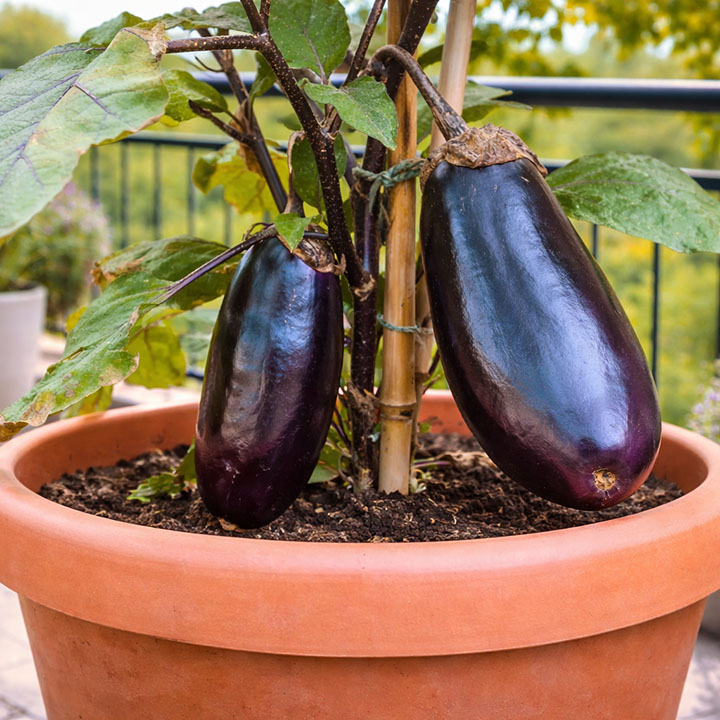
10. Eggplant
Eggplant loves heat and sunshine, making it a strong choice for warm Australian balconies. Compact varieties are best for pots, and the plants can be both decorative and productive. They need deep containers and a warm growing season.
Best for: Brisbane, Sydney, Perth, Adelaide, and the warmest summer positions in Melbourne
11. Beetroot
Beetroot is another excellent balcony crop because it grows well in containers and gives you both roots and edible leaves. It is more forgiving than many people expect and can fit into medium-depth planters.
Best for: Melbourne, Sydney, Canberra, Hobart, Adelaide autumn and spring, Brisbane winter
12. Carrots
Carrots can grow very well in containers if you choose shorter or round varieties instead of long-rooted types. They need loose potting mix and consistent moisture to form straight roots. Deep troughs or tall pots work best.
Best for: Most cities in cooler months or mild seasons
13. Kale
Kale is highly productive and suits balcony gardens because it can be harvested leaf by leaf for a long period. It handles cool weather well and often performs better than lettuce once temperatures drop.
Best for: Melbourne, Hobart, Canberra, Sydney autumn and winter, Brisbane winter
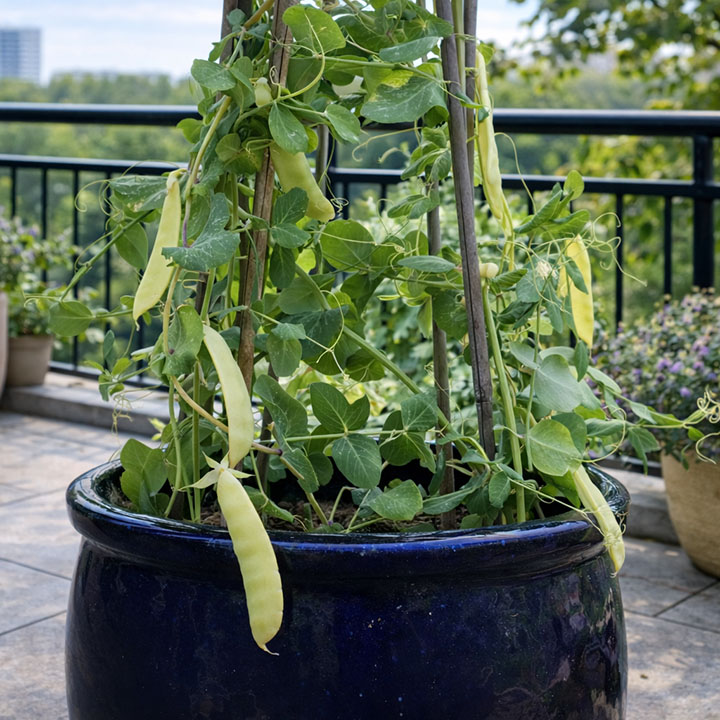
14. Peas
Peas are a great cool-season balcony crop. They do not love extreme heat, but in autumn, winter, and spring they can be very productive in containers with a simple trellis. Snow peas and sugar snap peas are especially practical for small spaces.
Best for: Melbourne, Hobart, Canberra, Sydney autumn to spring, Brisbane winter
15. Zucchini
Zucchini is not the smallest vegetable, but compact varieties can still be grown on larger balconies. If you have room for a substantial pot and good sun, it can be worth growing because a single plant can be highly productive. It is better suited to larger balconies than tiny apartment spaces.
Best for: Sunny balconies in Melbourne, Sydney, Adelaide, and Perth
Best Balcony Vegetables by Australian City
Sydney
Sydney’s climate allows a long growing season, especially for container gardens. In cooler months, focus on lettuce, spinach, kale, peas, radishes, beetroot, spring onions, and herbs. In warmer months, move into cherry tomatoes, beans, cucumbers, chillies, basil, capsicum, and eggplant.
Melbourne
Melbourne’s variable weather means timing matters. Cool-season crops such as lettuce, kale, peas, silverbeet, spinach, radishes, and spring onions are very reliable for much of the year. In summer, sunny balconies are ideal for cherry tomatoes, beans, chillies, cucumbers, basil, and compact capsicum, but warmth and shelter make a big difference.
Brisbane
Brisbane gardeners can grow year-round, but summer heat and humidity can be challenging for some vegetables. During the cooler months, lettuce, herbs, Asian greens, peas, spring onions, carrots, and beetroot do well. In warmer periods, focus on heat-tolerant crops such as chillies, eggplant, beans, cucumbers, basil, and tropical spinach alternatives.
Perth
Perth balconies can be hot, dry, and intensely sunny, especially in summer. Large pots, mulch, and regular watering are essential. Winter and spring are excellent for leafy greens, peas, radish, carrots, and beetroot. As the weather warms, tomatoes, chillies, capsicum, eggplant, basil, and beans perform strongly.
Adelaide
Adelaide’s hot summers and dry conditions make water management a major priority. Balcony gardeners can do very well with winter greens and spring crops, then switch to tomatoes, chillies, beans, cucumbers, and eggplant through the warmer season. Afternoon shade can be helpful in peak summer.
Canberra
Canberra’s colder winters and frost risk mean the growing window for heat-loving vegetables is shorter. Leafy greens, peas, radish, beetroot, carrots, and spring onions are strong choices for cool periods, while tomatoes, beans, and chillies are best reserved for the warmest months in protected sunny positions.
Hobart
Hobart is ideal for leafy greens, peas, kale, silverbeet, carrots, radishes, and beetroot for much of the year. Heat-loving crops such as tomatoes and chillies can still be grown in summer, especially on north-facing balconies with shelter and warmth.
Best Vegetables for Sunny Balconies
If your balcony gets strong direct sun for most of the day, these are among the best choices:
- Cherry tomatoes
- Chillies
- Capsicum
- Eggplant
- Bush beans
- Cucumbers
- Basil
- Zucchini on larger balconies
Sunny balconies can be highly productive, but pots dry out quickly. Choose larger containers where possible and water consistently.
Best Vegetables for Part Shade Balconies
If your balcony only receives morning sun or limited light, focus on crops that tolerate lower light levels better:
- Lettuce
- Spinach
- Silverbeet
- Asian greens
- Spring onions
- Kale
- Radishes
- Parsley and mint
Fruit-heavy vegetables usually need more sun, so part shade balconies are better suited to leafy harvests than tomatoes or capsicum.
Best Vegetables for Beginners
If you are new to balcony gardening, start with vegetables that are easy, forgiving, and rewarding:
- Lettuce
- Radishes
- Spring onions
- Silverbeet
- Bush beans
- Cherry tomatoes
- Chillies
These crops offer a good balance of easy care, quick harvests, and strong productivity in containers.
Tips for Growing Vegetables Successfully on a Balcony
Use Quality Potting Mix
Do not use garden soil in containers. Choose a premium potting mix suited to vegetables and refresh or top it up regularly.
Choose the Right Container
Deeper pots are more forgiving because they dry out less quickly. Make sure every container has drainage holes.
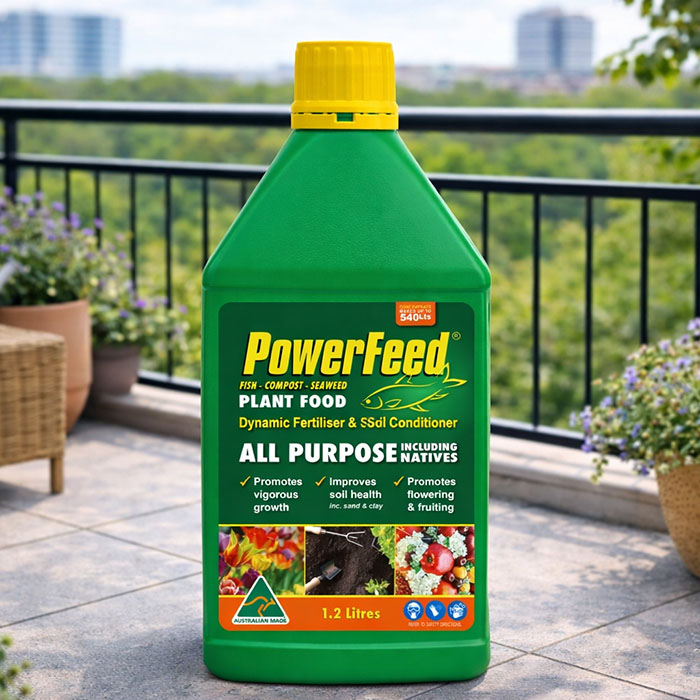
Feed Regularly
Vegetables in pots need ongoing nutrients. Use a vegetable fertiliser or liquid feed through the growing season, especially for tomatoes, cucumbers, capsicum, and leafy greens.
Water Consistently
Balcony gardens often need more frequent watering than ground gardens. In hot Australian weather, some pots may need daily watering, and small pots may dry out even faster.
Grow Vertically
Trellises, railing planters, hanging systems, and wall supports can help you grow more food in less space. Beans, peas, cucumbers, and some tomatoes are especially useful for vertical growing.
Protect Plants from Extreme Conditions
Shade cloth, windbreaks, grouped pots, and strategic placement can make a huge difference on exposed balconies. This is particularly important during summer heatwaves or on upper-level balconies with strong wind.
Common Mistakes to Avoid
- Choosing vegetables that are too large for the space
- Using containers that are too small
- Ignoring seasonal timing
- Trying to grow sun-loving crops in heavy shade
- Letting pots dry out repeatedly
- Overcrowding plants
- Underfeeding fruiting vegetables
Quick List: Best Vegetables for Balcony Gardens in Australia
- Lettuce
- Spinach
- Silverbeet
- Asian greens
- Cherry tomatoes
- Chillies
- Capsicum
- Radishes
- Spring onions
- Bush beans
- Cucumbers
- Eggplant
- Beetroot
- Carrots
- Kale
- Peas
- Compact zucchini
Frequently Asked Questions
What are the easiest vegetables to grow on a balcony in Australia?
The easiest vegetables for balcony gardens in Australia include lettuce, spring onions, radishes, silverbeet, cherry tomatoes, chillies, and bush beans. These crops are productive, suit containers well, and are generally beginner-friendly.
Which vegetables grow best in pots on a balcony?
Some of the best vegetables for pots include cherry tomatoes, lettuce, spinach, kale, spring onions, radishes, beetroot, chillies, capsicum, and compact cucumber varieties. These plants adapt well to container growing and can produce well in small spaces.
Can you grow vegetables on a balcony with limited sunlight?
Yes, many vegetables will grow on a balcony with limited sunlight, especially leafy crops. Lettuce, spinach, silverbeet, kale, Asian greens, spring onions, and radishes are usually better choices for part-shade balconies than fruiting vegetables like tomatoes or capsicum.
How much sun do balcony vegetables need?
It depends on the crop. Fruiting vegetables such as tomatoes, chillies, capsicum, cucumbers, and eggplant usually need around 6 to 8 hours of direct sun. Leafy greens and herbs can often grow with 3 to 5 hours of sun, especially in warmer parts of Australia.
What are the best vegetables for a sunny balcony?
Sunny balconies are ideal for cherry tomatoes, chillies, capsicum, bush beans, cucumbers, eggplant, and basil. These heat-loving crops usually perform best with strong direct light and warm conditions.
What are the best vegetables for a shady or part-shade balcony?
Part-shade balconies are better suited to leafy greens and quick crops such as lettuce, spinach, silverbeet, kale, Asian greens, spring onions, parsley, and radishes. These plants are more forgiving when light is limited.
Which vegetables are best for Melbourne balcony gardens?
In Melbourne, good balcony vegetables include lettuce, spinach, silverbeet, kale, peas, radishes, and spring onions for cooler months, plus cherry tomatoes, beans, chillies, cucumbers, and basil in summer.
Which vegetables are best for Sydney balcony gardens?
Sydney balcony gardeners can grow leafy greens, peas, radishes, beetroot, and spring onions in cooler months, then switch to tomatoes, beans, chillies, cucumbers, capsicum, and eggplant in warmer weather.
Which vegetables grow well on balconies in Brisbane?
In Brisbane, the best balcony vegetables often change with the season. During cooler months, lettuce, Asian greens, peas, spring onions, carrots, and beetroot do well. In warmer weather, chillies, beans, cucumbers, eggplant, and heat-tolerant greens are often better choices.
Can I grow tomatoes on a balcony in Australia?
Yes, tomatoes are one of the best balcony vegetables in Australia, especially cherry and dwarf varieties. They need a sunny position, a decent-sized pot, regular feeding, support, and consistent watering to crop well.
What size pots do I need for balcony vegetables?
Small crops like lettuce, radishes, and spring onions can grow in relatively shallow containers, while tomatoes, cucumbers, capsicum, and eggplant need larger and deeper pots. In general, larger pots are easier to manage because they hold moisture better.
How often should I water vegetables on a balcony?
Balcony vegetables usually need more frequent watering than plants grown in the ground. In hot or windy Australian weather, some pots may need watering daily, especially in summer. Check the potting mix regularly and water before plants become stressed.
What vegetables grow well on a windy balcony?
Wind-tolerant choices often include spring onions, silverbeet, kale, radishes, leafy greens, herbs, and chillies. On exposed balconies, it also helps to use heavier pots, group plants together, and add screening for protection.
Can I grow vegetables on a small apartment balcony?
Yes, even a very small apartment balcony can produce useful crops. Focus on compact and productive plants such as lettuce, herbs, spring onions, radishes, chillies, cherry tomatoes, and vertical crops like peas or beans where space allows.
What vegetables are best for beginners?
For beginners, some of the easiest vegetables to start with are lettuce, radishes, spring onions, silverbeet, bush beans, cherry tomatoes, and chillies. These are practical, rewarding, and well suited to containers.
Final Thoughts
The best vegetables for balcony gardens in Australia are the ones that match your climate, sunlight, and available space. For most gardeners, the strongest all-round choices include lettuce, silverbeet, spring onions, radishes, cherry tomatoes, chillies, bush beans, peas, beetroot, and compact cucumbers. These crops are productive, practical, and well suited to container growing.
If your balcony is sunny and warm, lean into tomatoes, chillies, beans, and capsicum. If it is cooler or partly shaded, focus on leafy greens, peas, spring onions, and root crops such as radishes and beetroot. Once you understand your balcony’s conditions, it becomes much easier to choose vegetables that will thrive.
With the right setup, even a small apartment balcony can become a beautiful and productive edible garden.

Comments are closed.