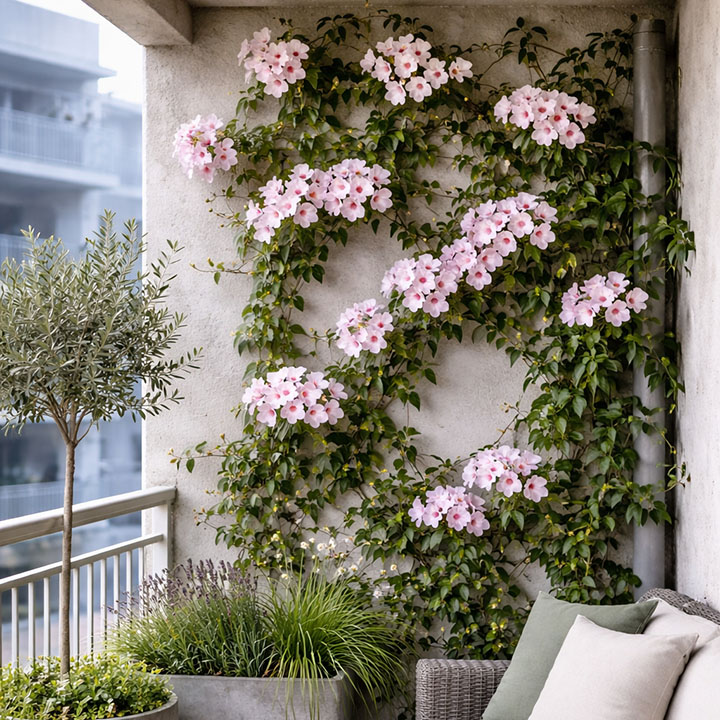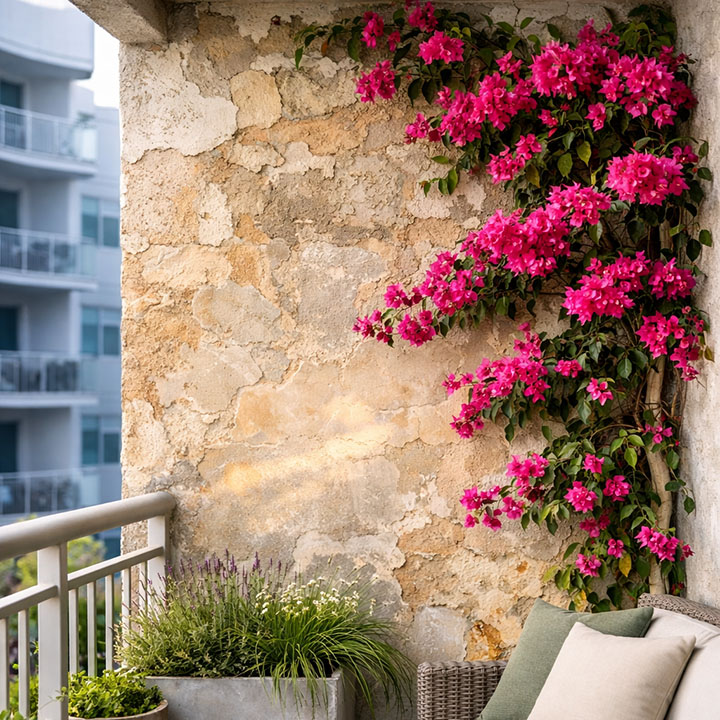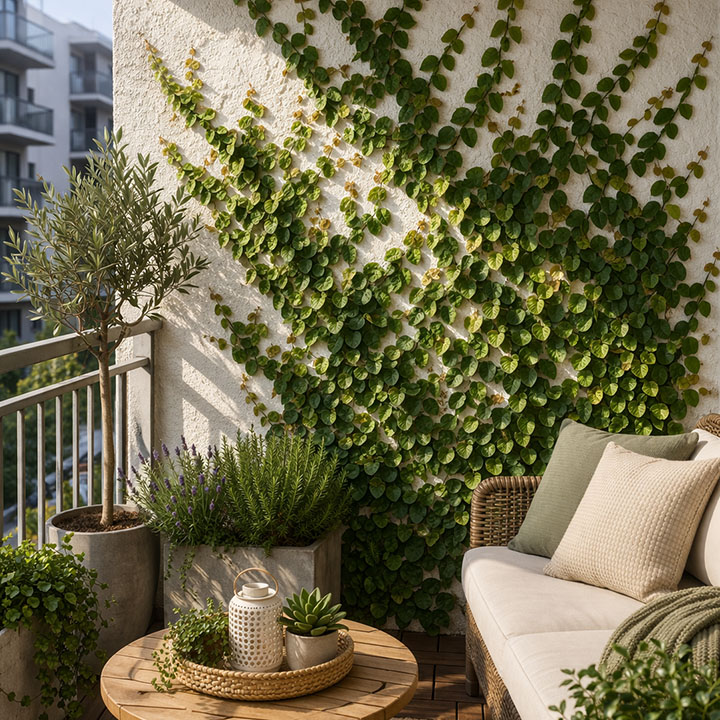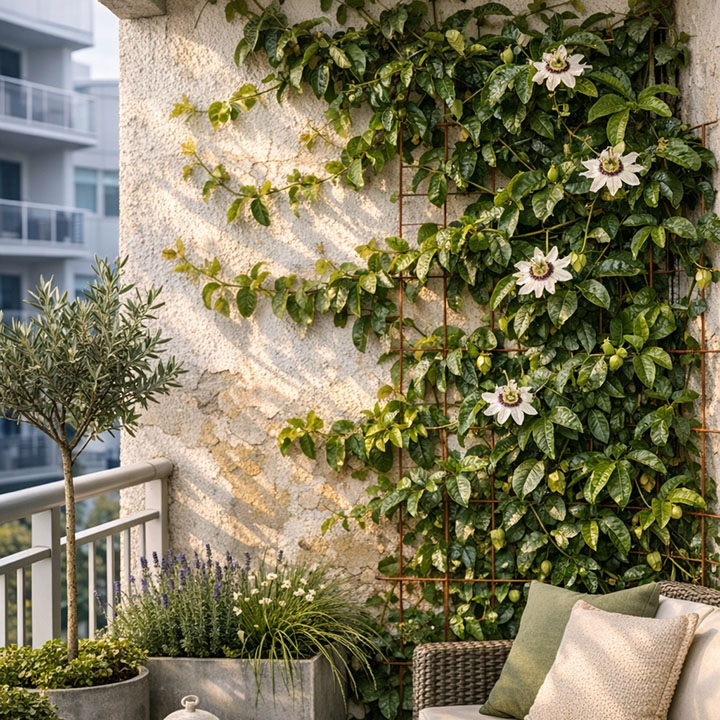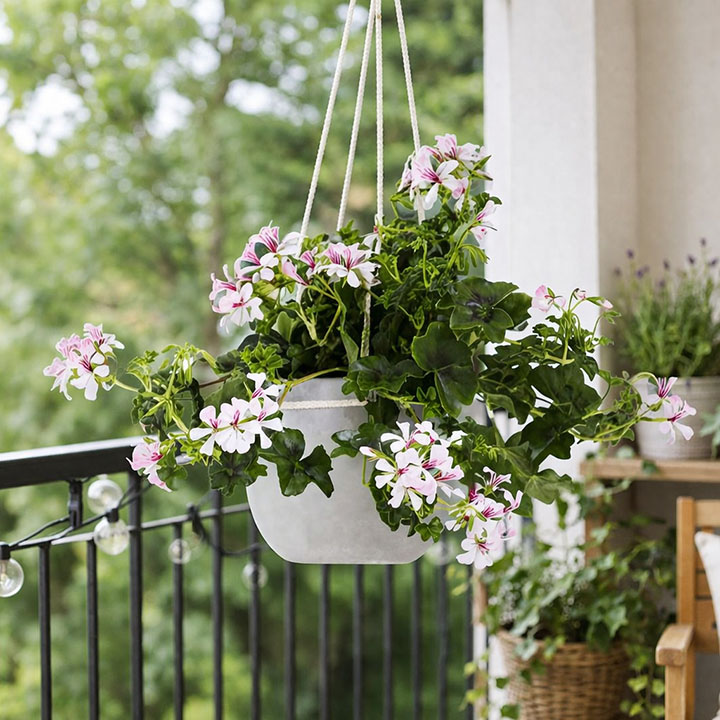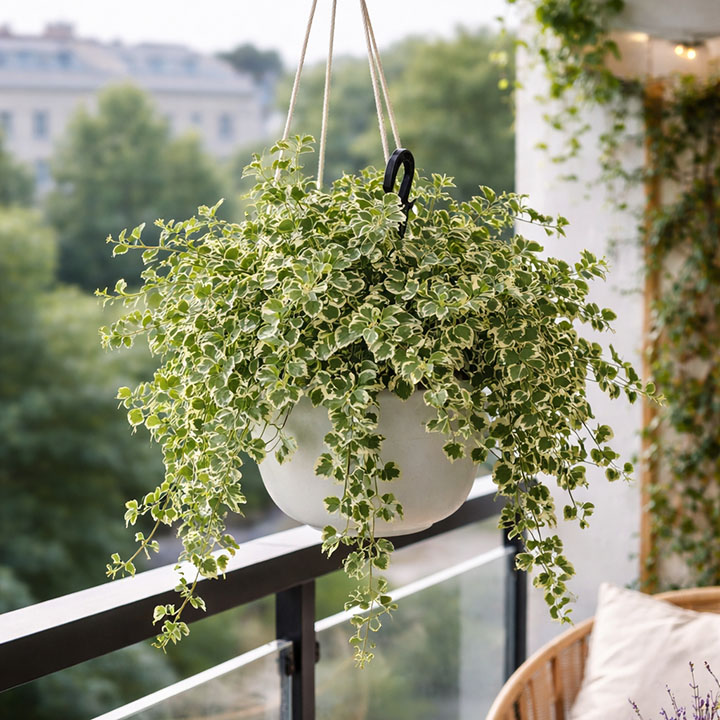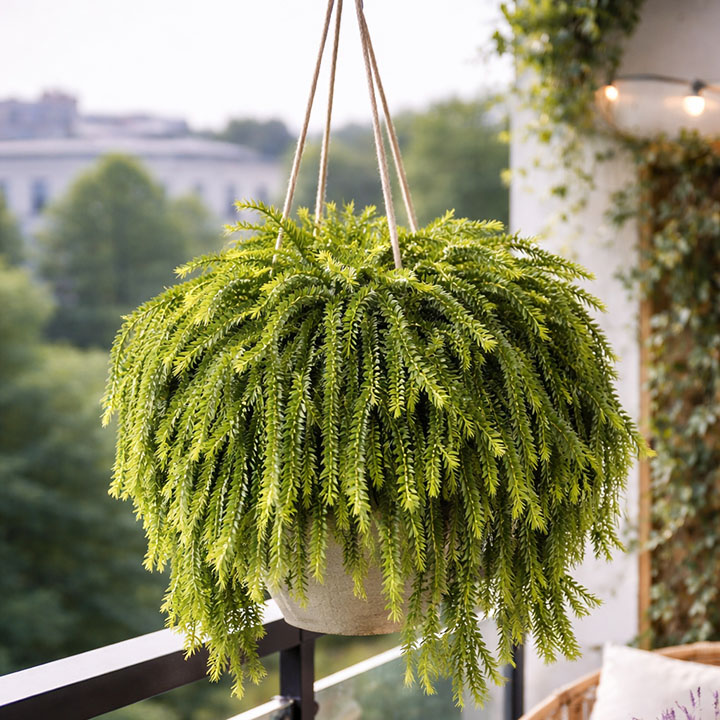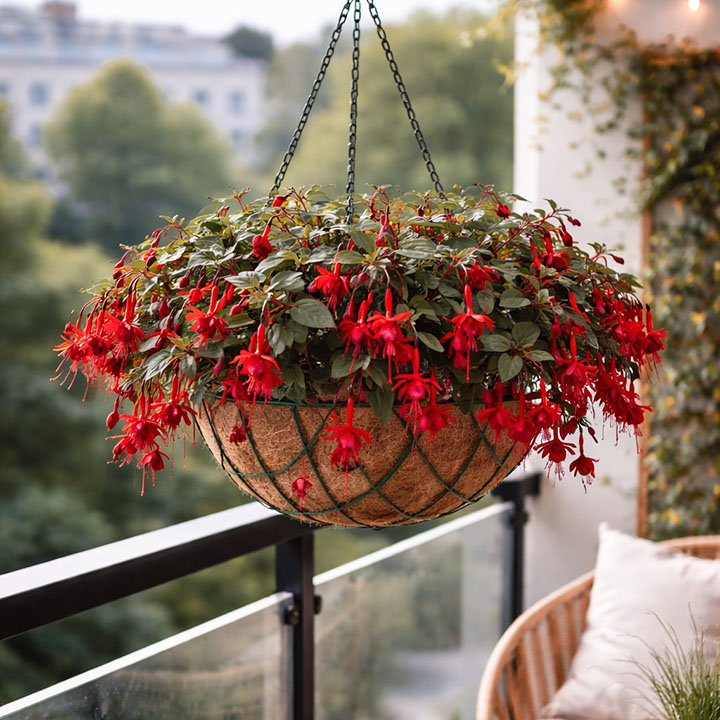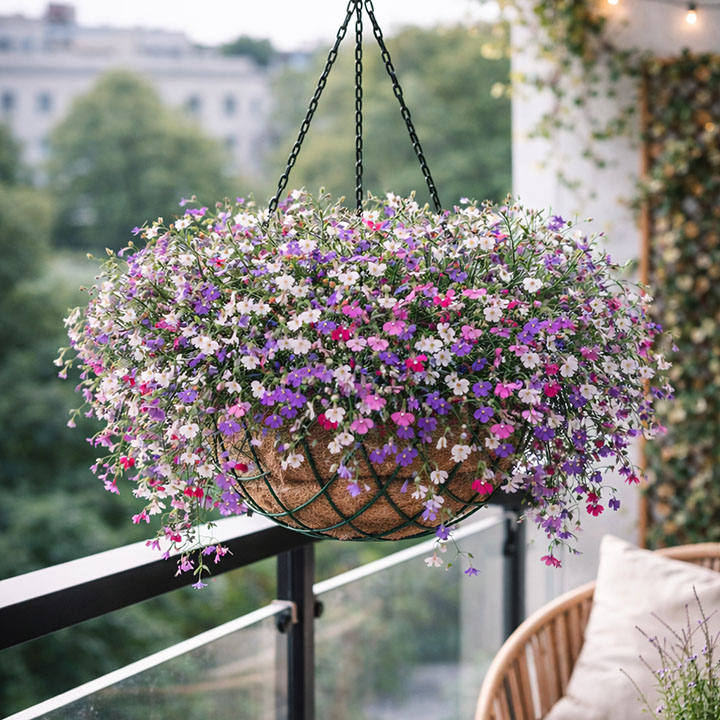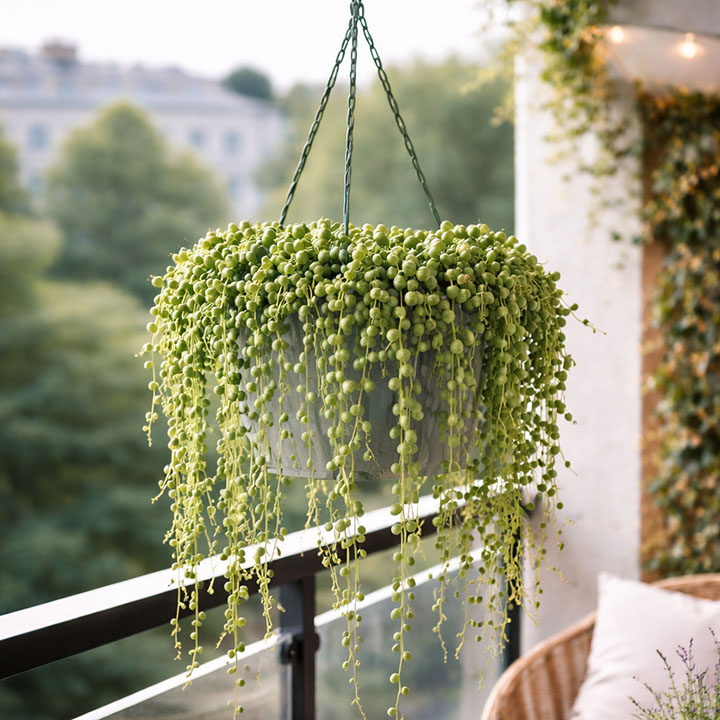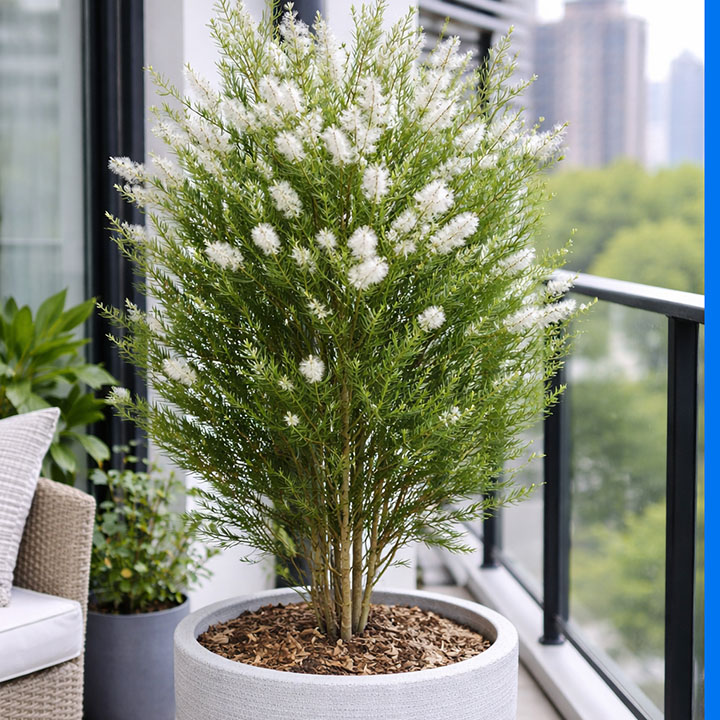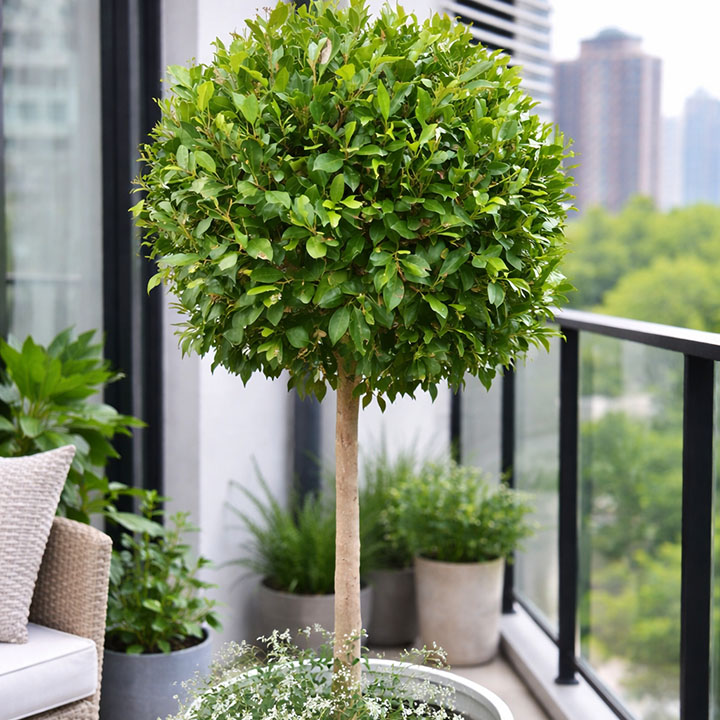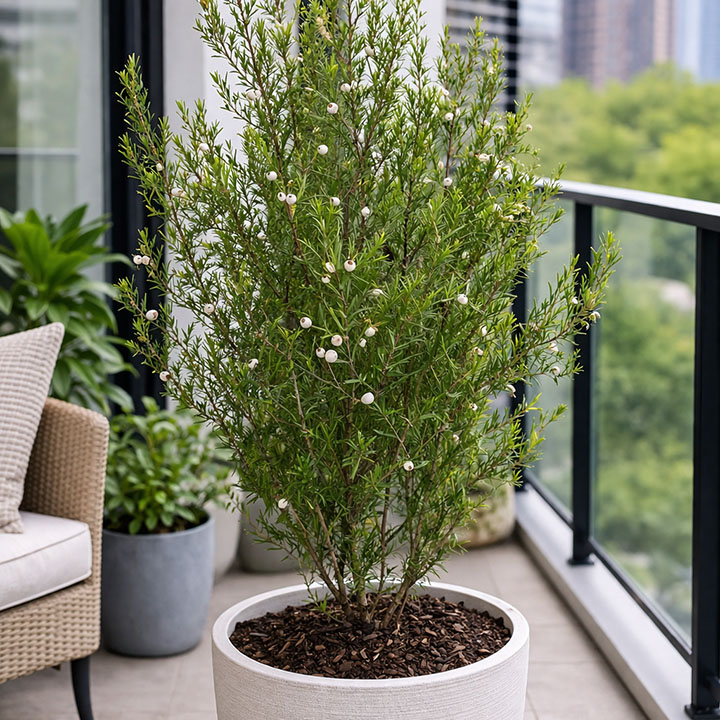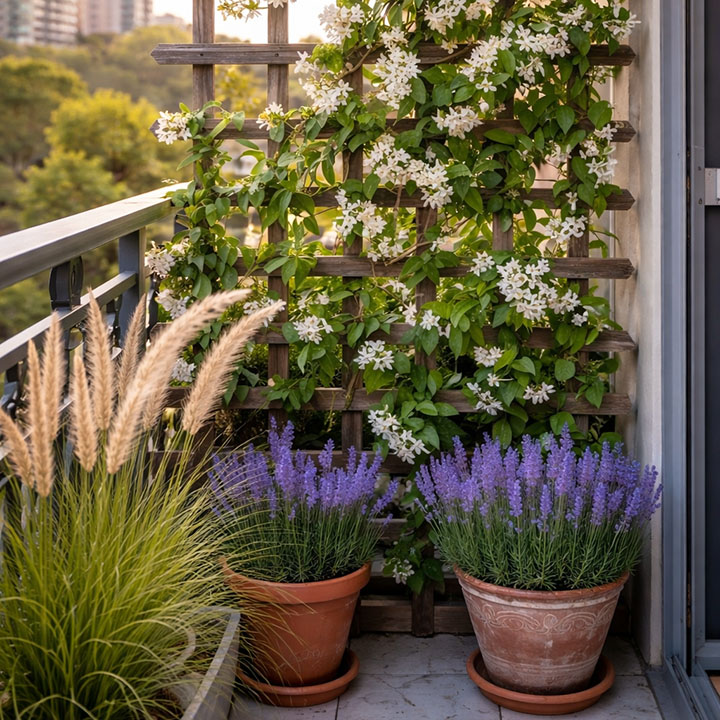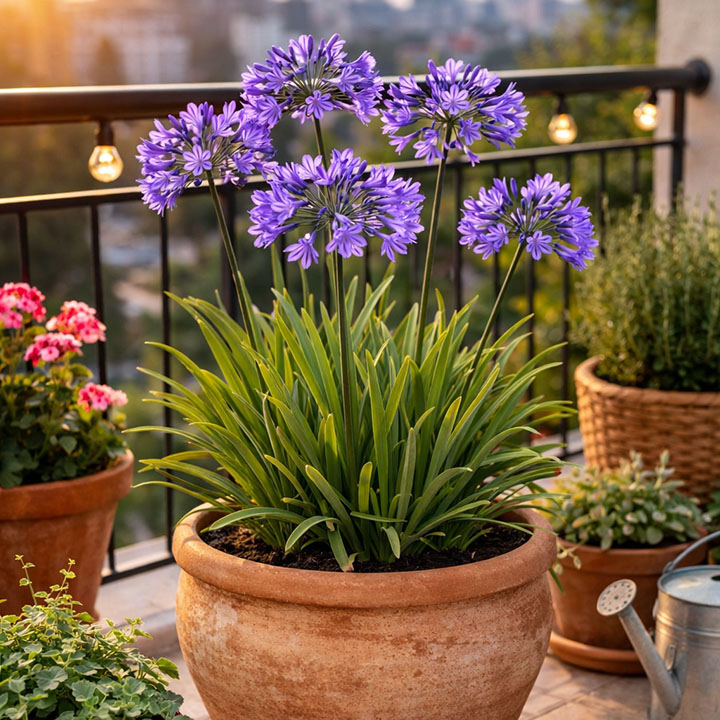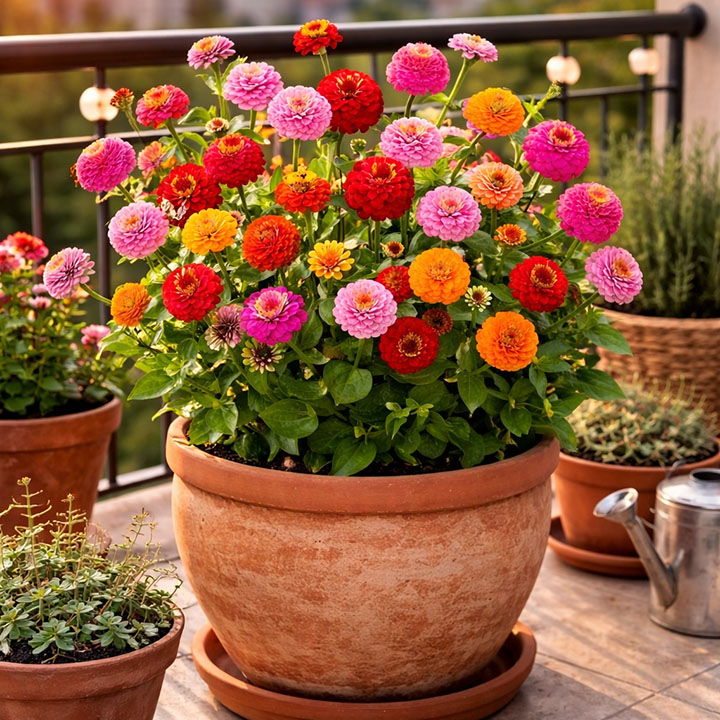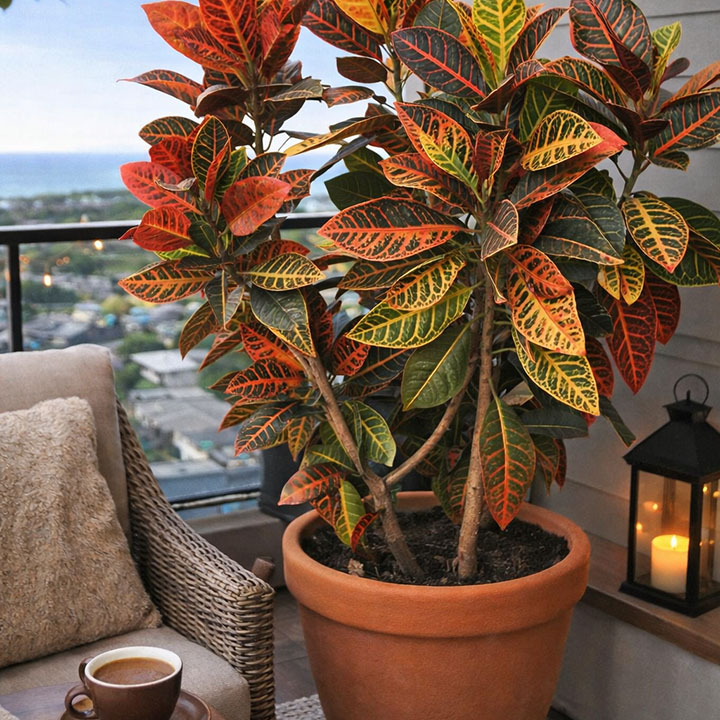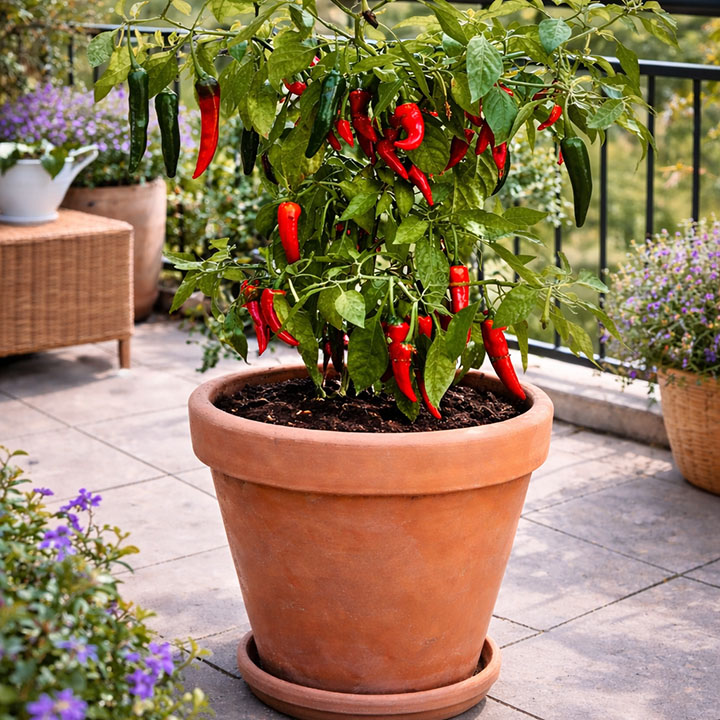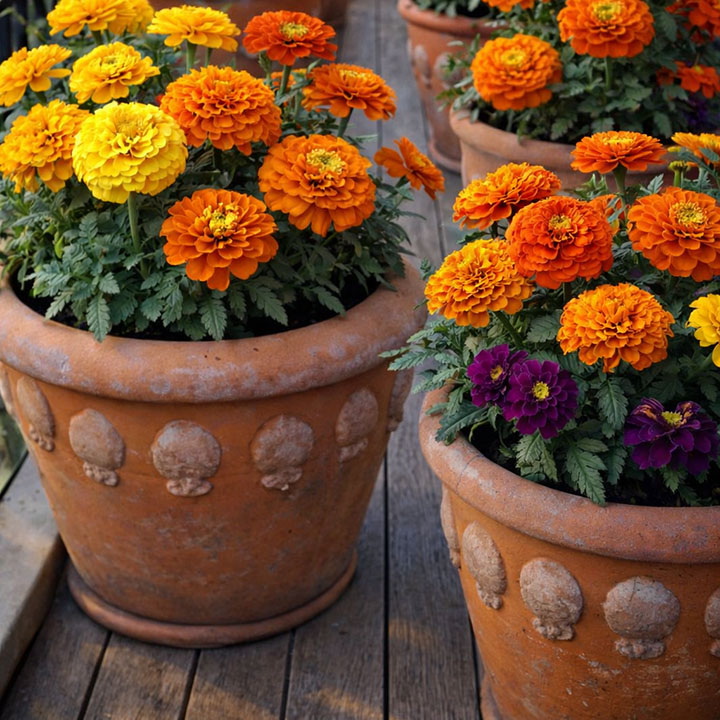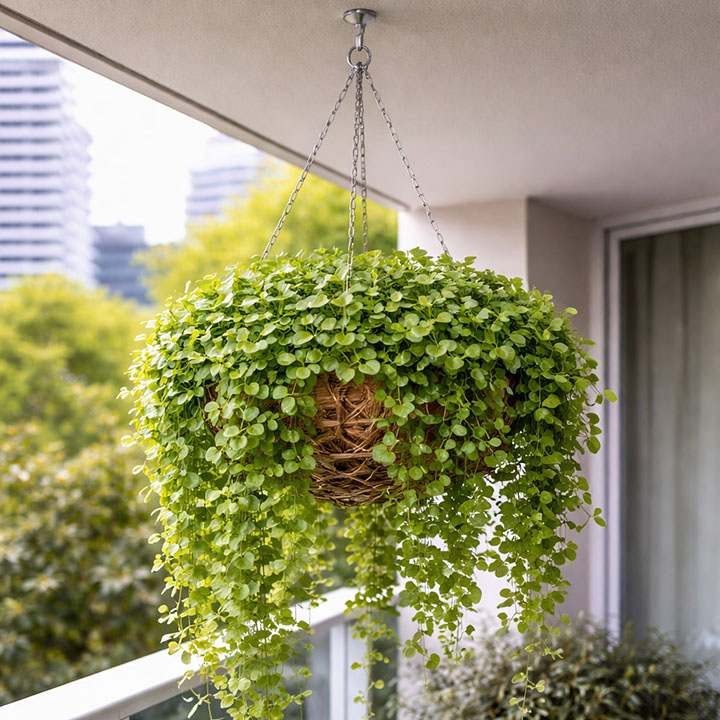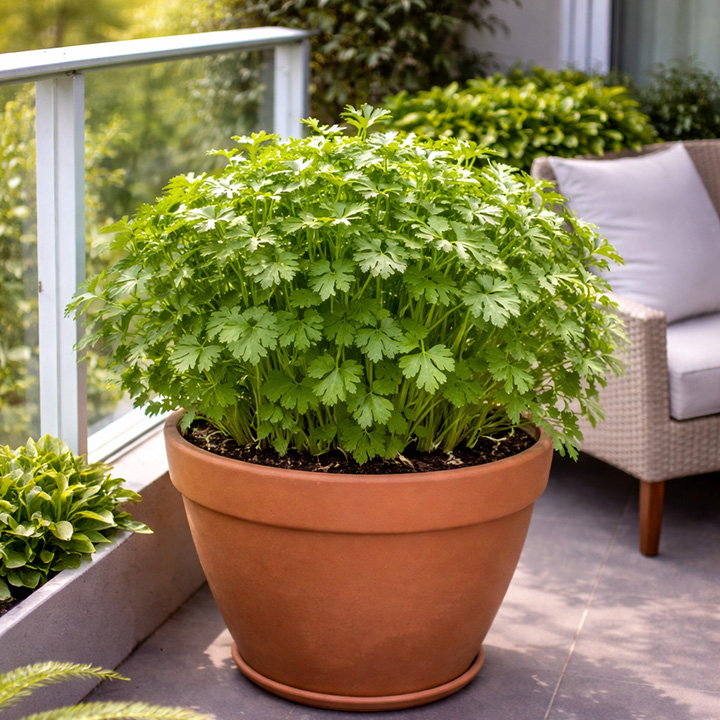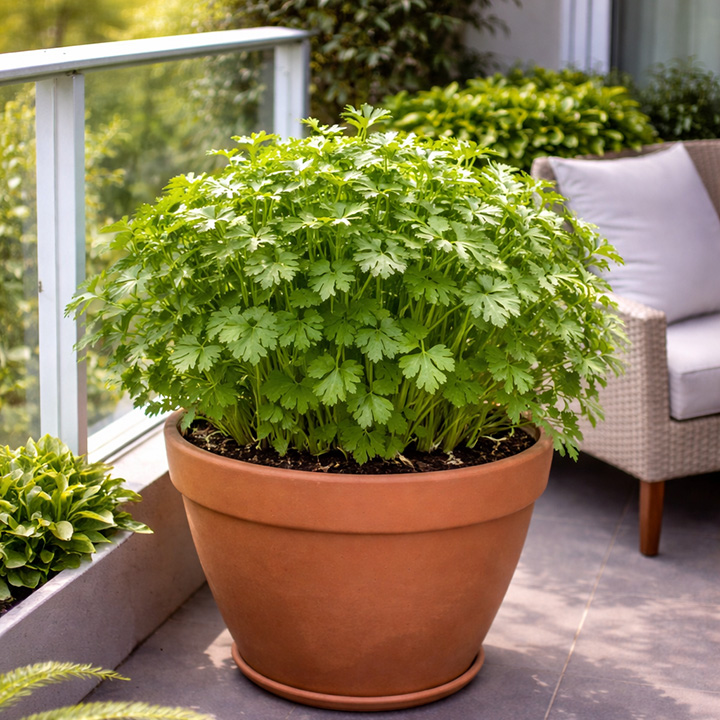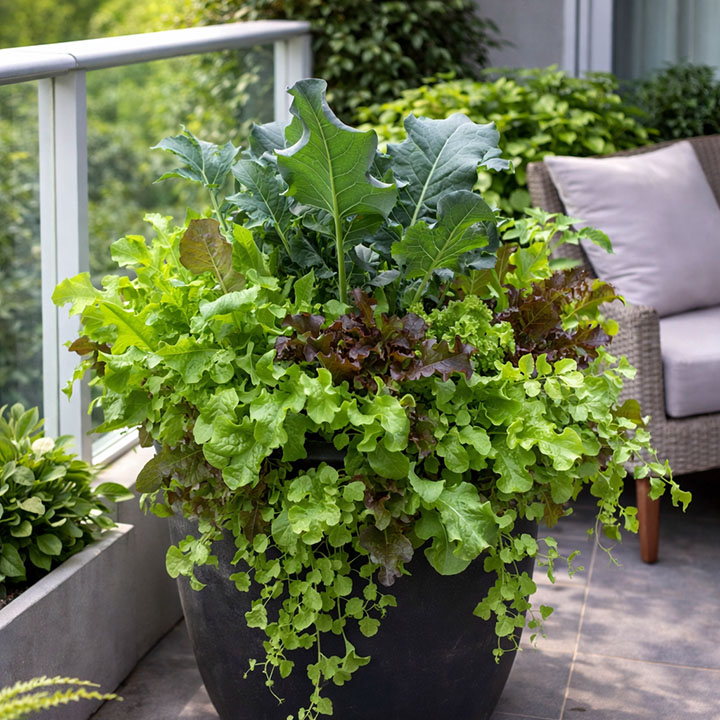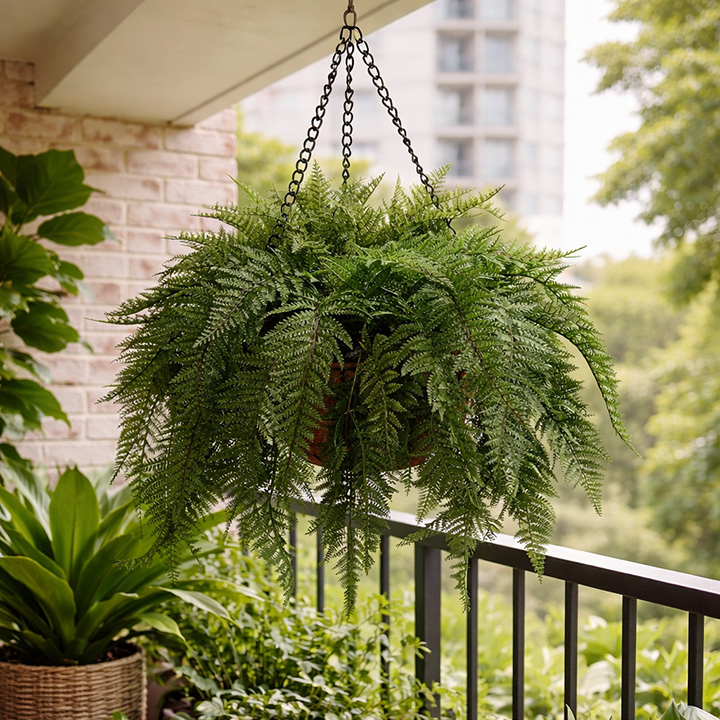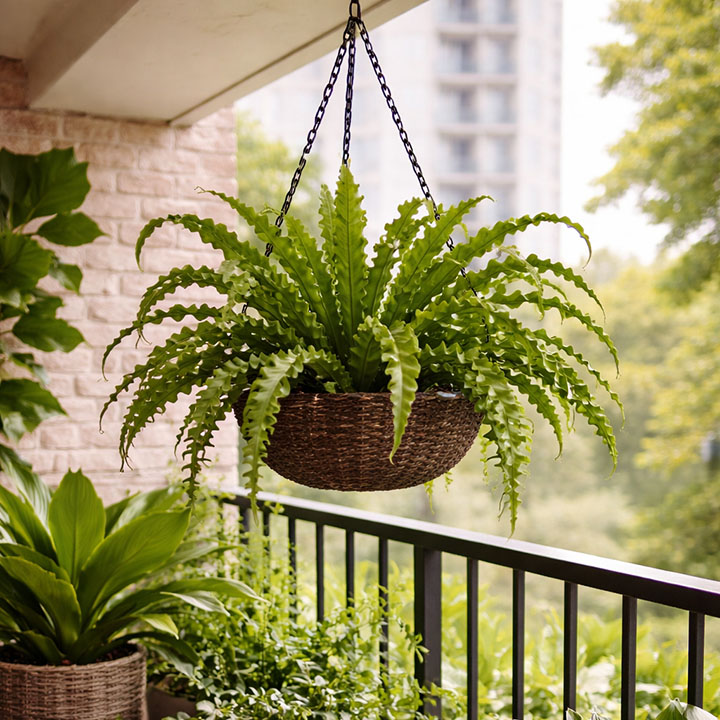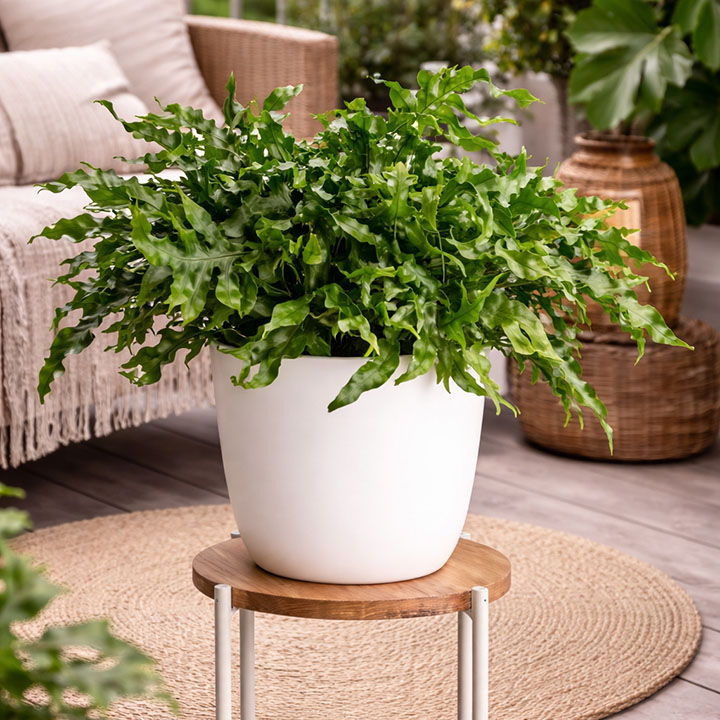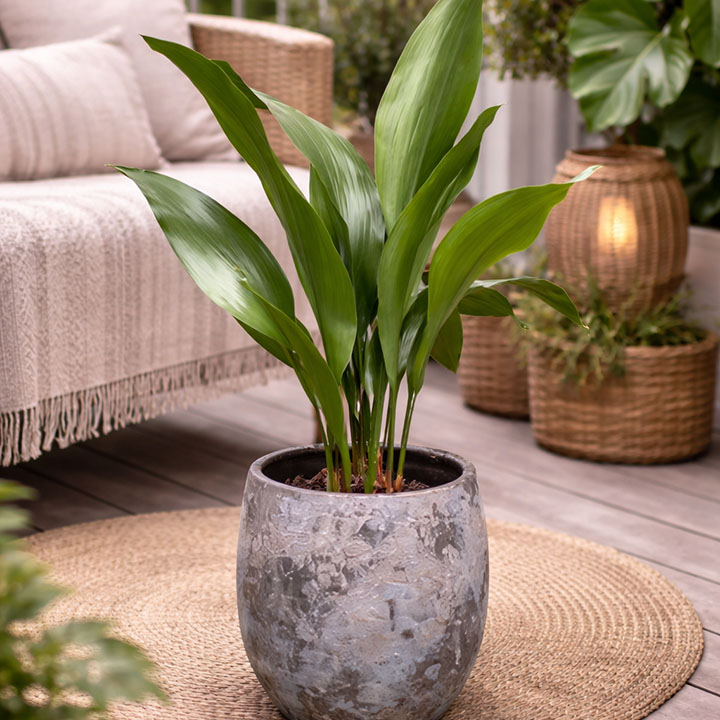
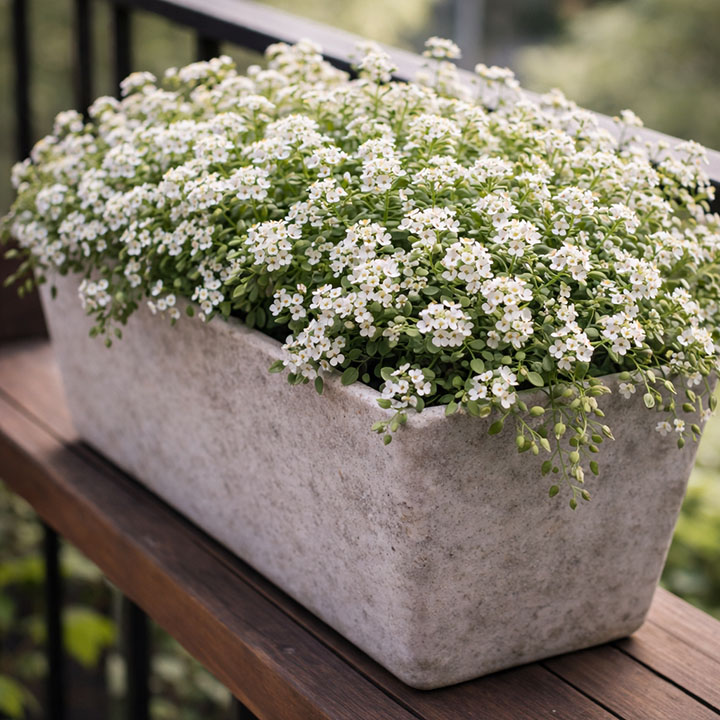
The right plants for planter edges can completely change the look of a balcony, courtyard, or small garden. They soften the rim of the pot, add colour and texture, and help a container look full and layered rather than flat. Some edge plants trail over the side, some mound neatly at the front, and some create a relaxed, spilling effect that makes a planter feel lush and established.
In Australia, the best plants for planter edges need to do more than just look good. They often have to handle hot sun, drying wind, reflected heat from walls and paving, and the challenges of container growing. In cooler or shadier parts of the country, edge plants also need to cope with reduced light and slower growth. The best choices are the ones that suit both your style and your local climate.
This guide covers some of the best plants for planter edges in Australia, including options for sunny balconies, part-shade spaces, dry climates, and cooler southern cities. Whether you want a neat native look, a soft cottage-garden feel, or a low-maintenance modern planter, there is a plant that will suit your conditions.
What makes a good planter-edge plant?
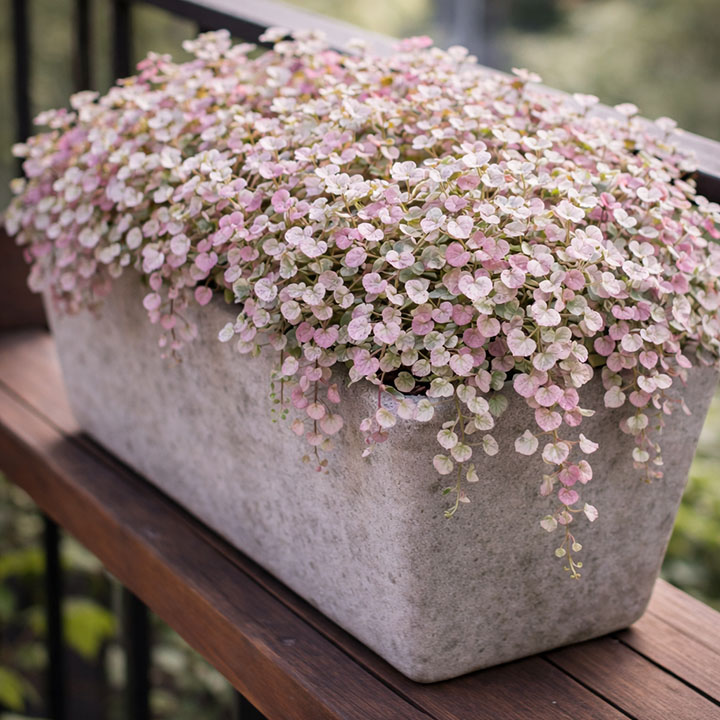
A good planter-edge plant should either spill gently over the side of the pot or form a soft mound that relaxes the hard line of the container. It should also perform well in potting mix, cope with regular trimming, and suit the sun, shade, and watering conditions of the space.
- Trailing or spreading growth habit
- Compact roots suited to containers
- Good response to trimming
- Reliable performance in Australian conditions
- Foliage or flowers that hold up well near the planter rim
Best plants for planter edges
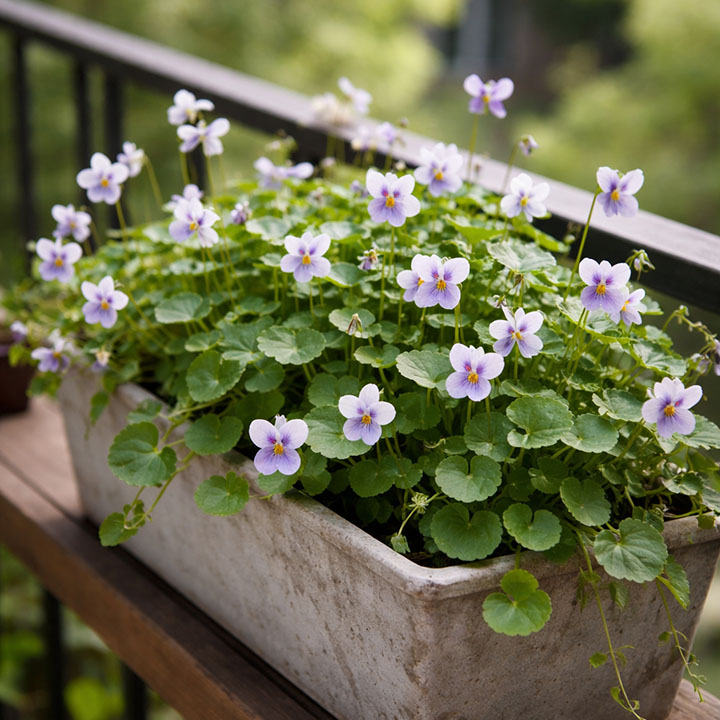
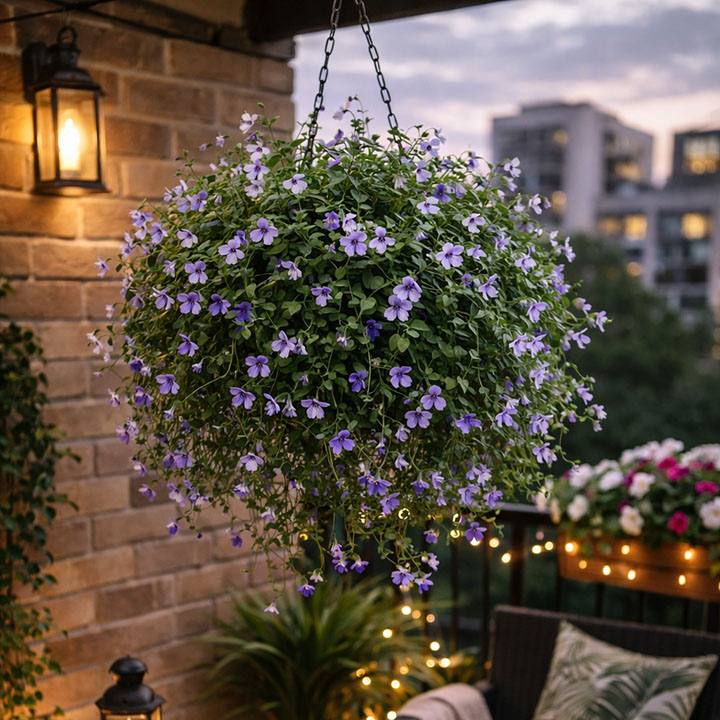
Native violet
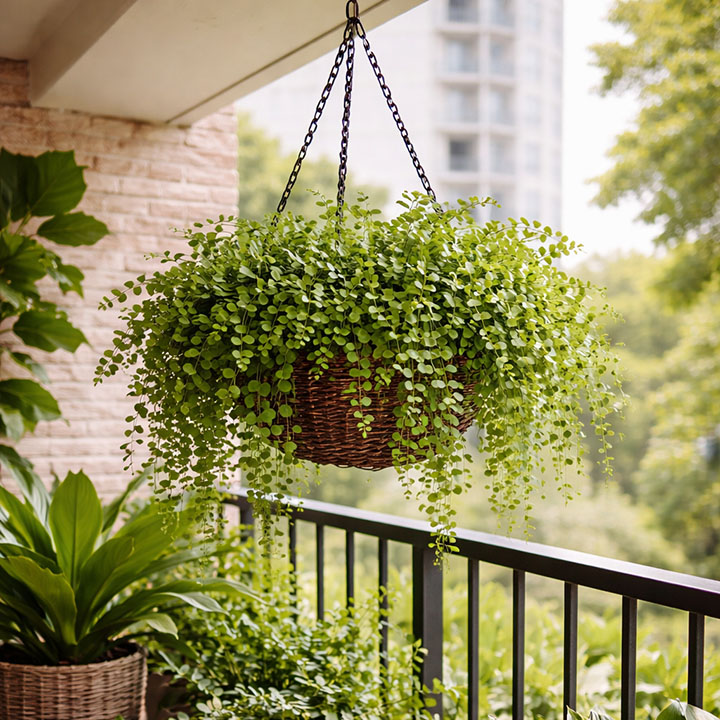
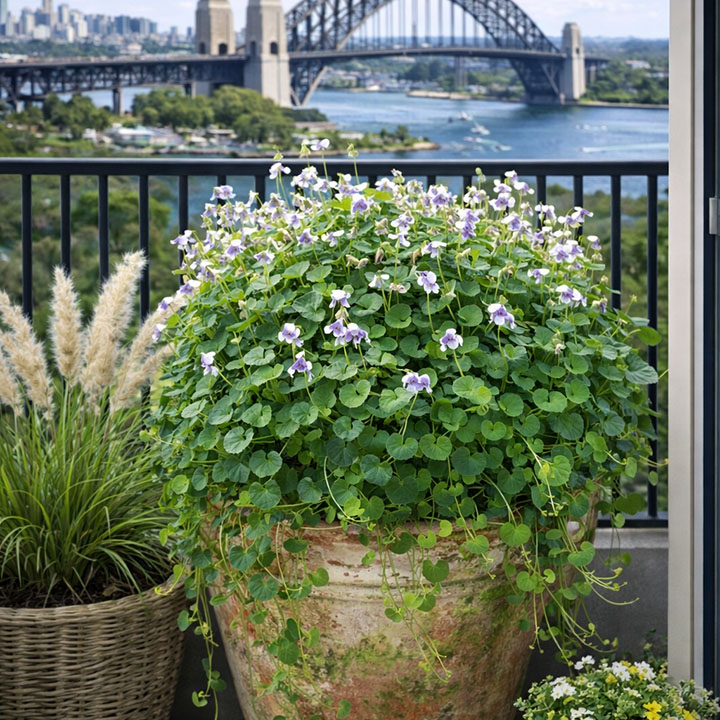
Native violet is one of the best choices for shaded and semi-shaded planter edges. It spreads gently, softens the front of pots beautifully, and gives a cool, leafy look that suits balconies and sheltered courtyards. Its small flowers add charm without making the planting look busy.
This plant is especially useful where direct sun is limited. It works well in trough planters, bowls, and mixed shade containers, and it helps create a softer, more natural finish around the rim.
Best for: shade, part shade, sheltered balconies
Good for: Melbourne, Sydney, Hobart, Canberra
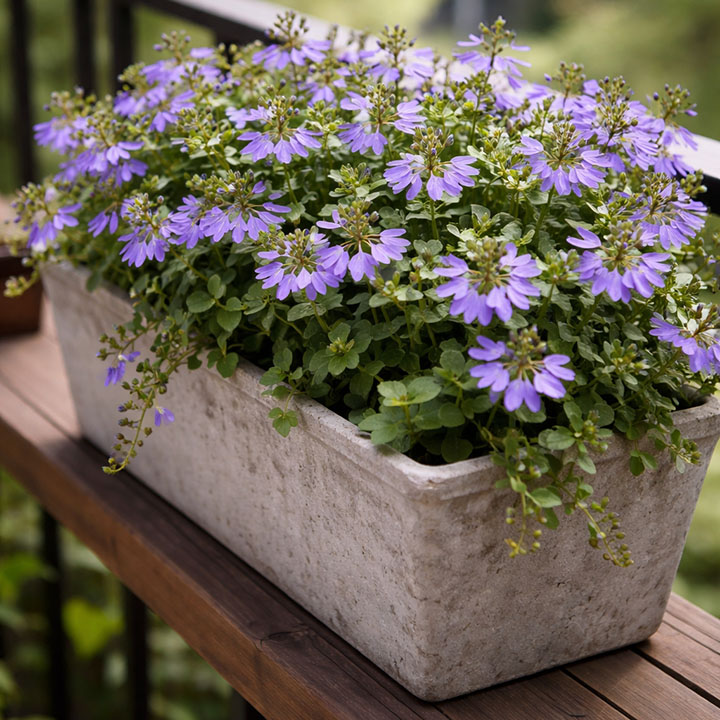
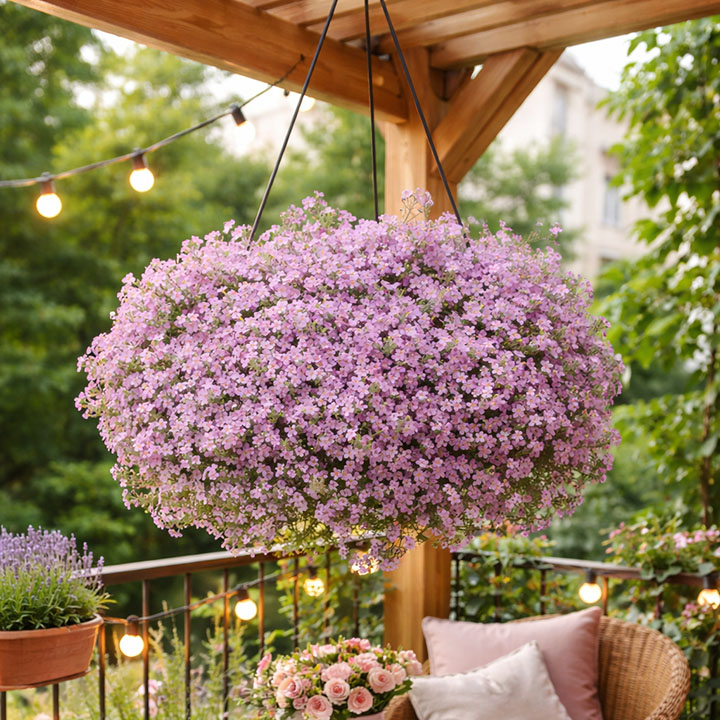
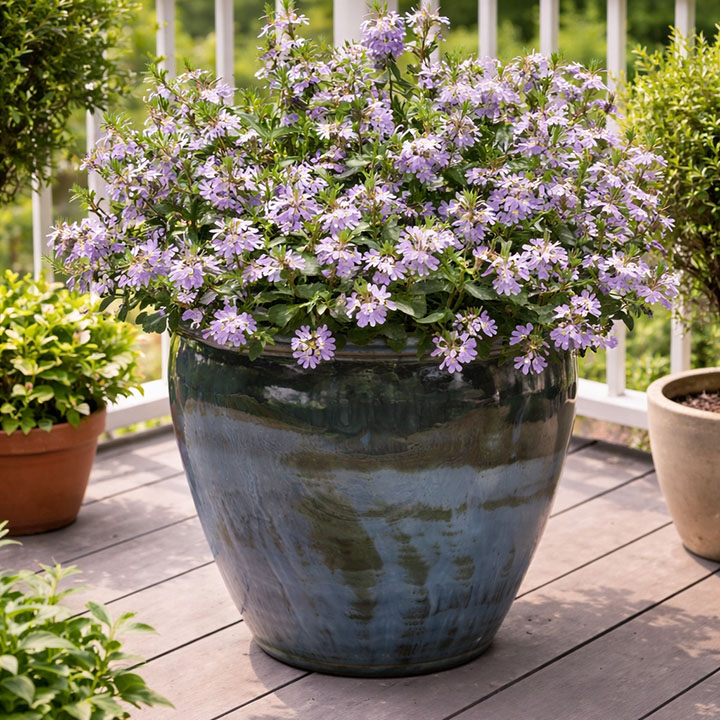
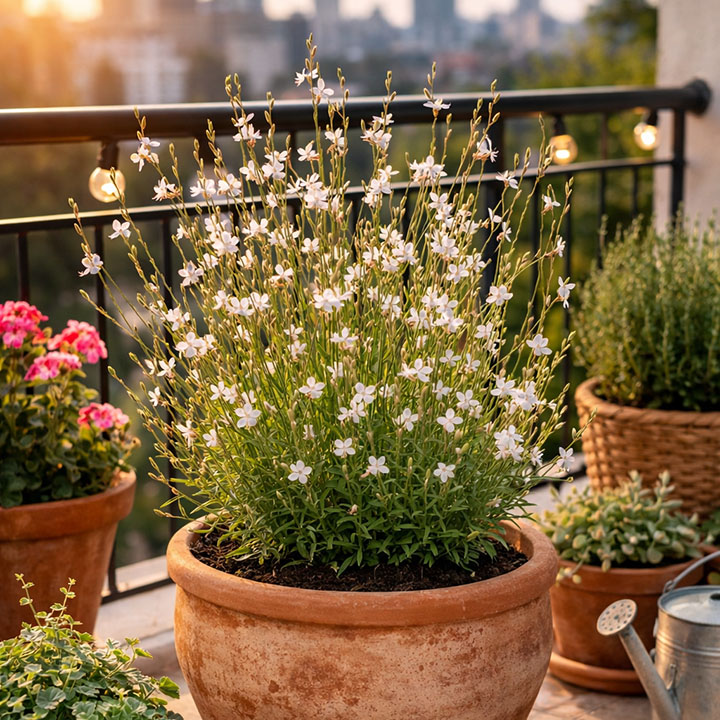
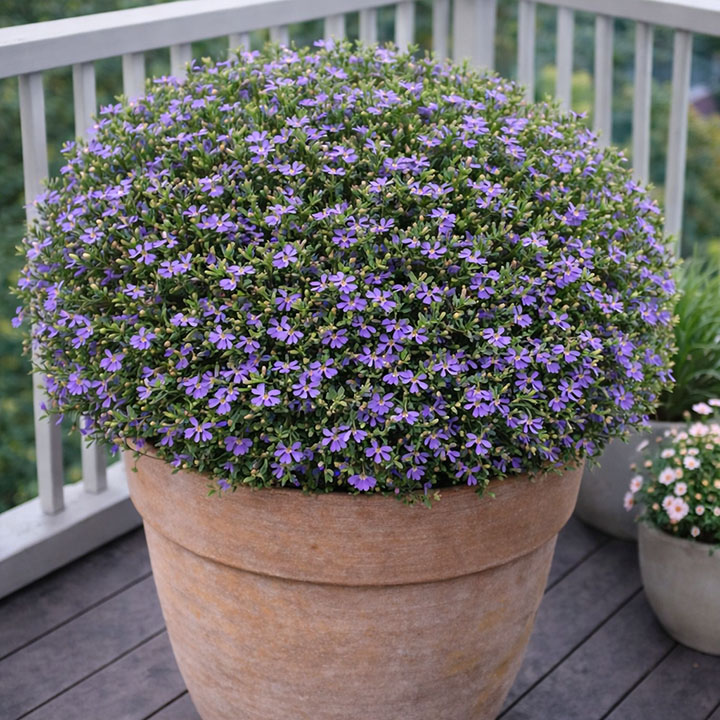
Scaevola
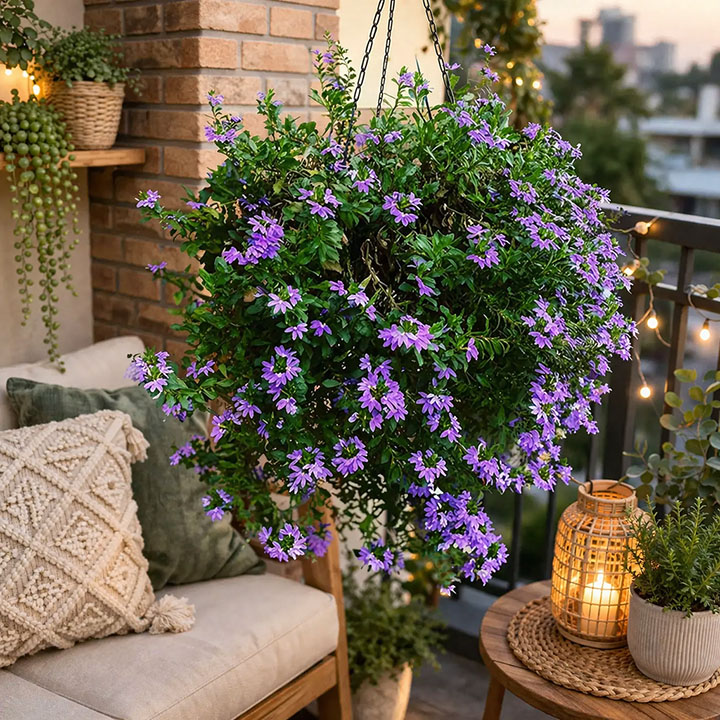
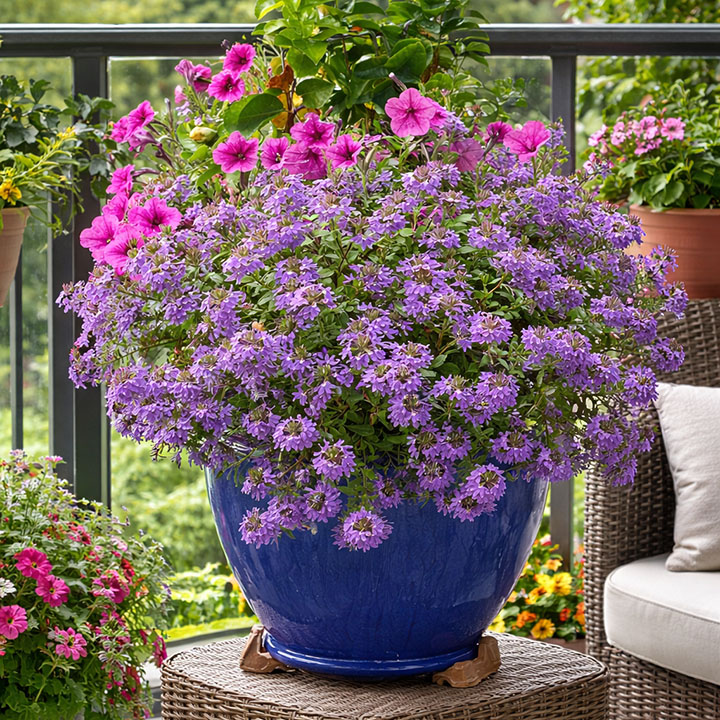
Scaevola is one of the best flowering plants for planter edges in Australia. It has a spreading to trailing habit, handles sunny conditions well, and flowers over a long period in the warmer months. It gives colour without looking heavy and works beautifully in balcony boxes and larger mixed planters.
Because it suits heat and coastal conditions, it is a strong option for exposed balconies and sunny terraces. It also pairs well with upright grasses, dwarf shrubs, and other flowering annuals or perennials.
Best for: sunny balconies, flowering edges, coastal planters
Good for: Sydney, Brisbane, Perth, Adelaide, Melbourne
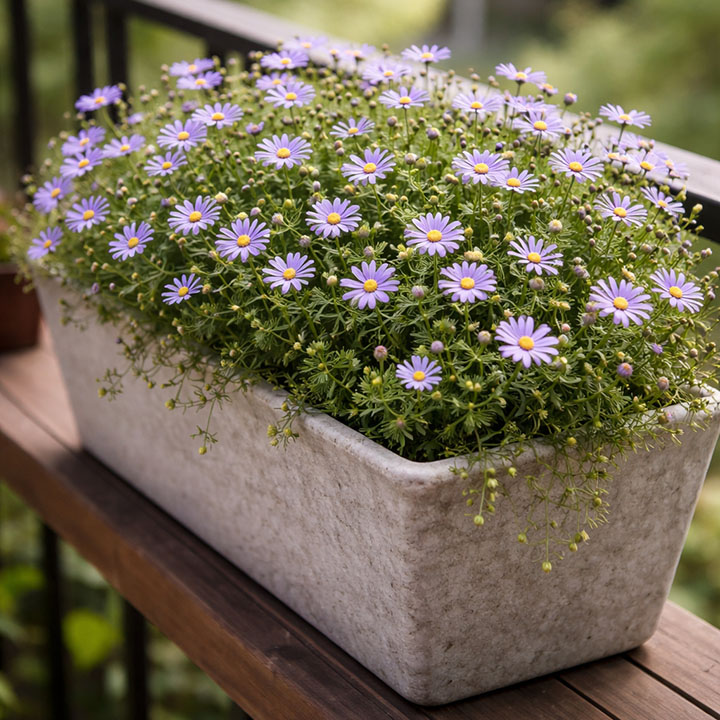
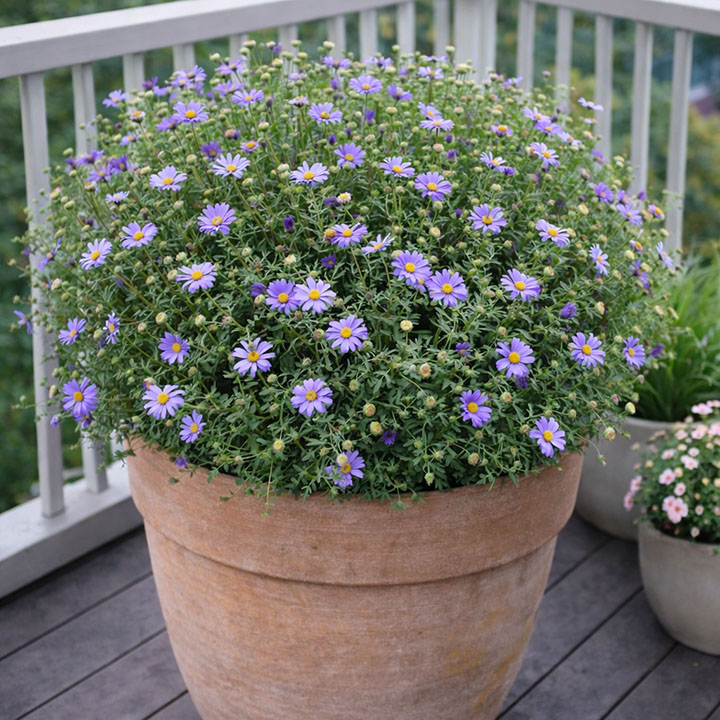
Brachyscome
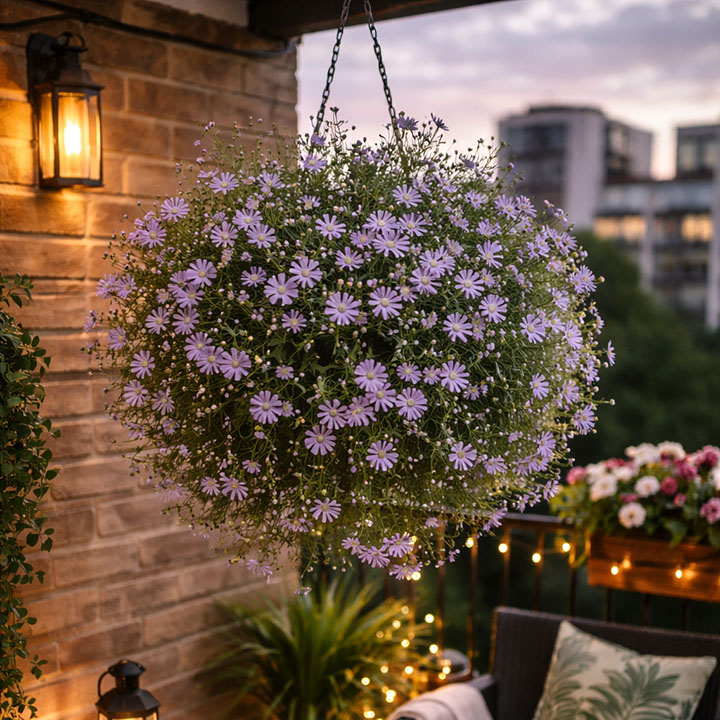
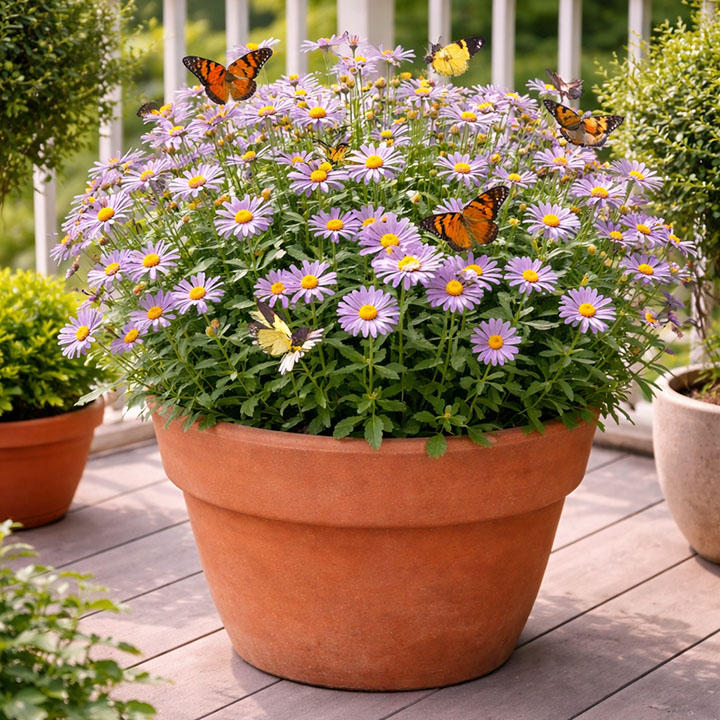
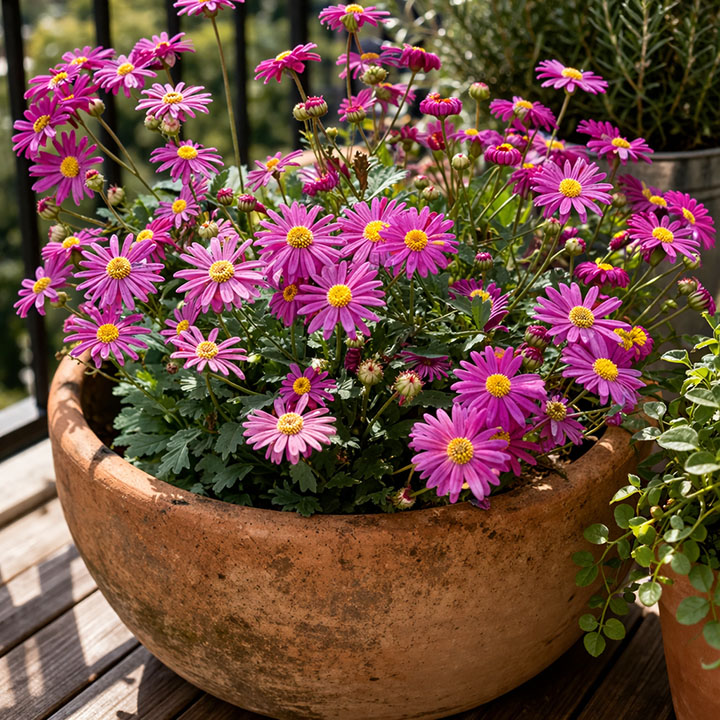
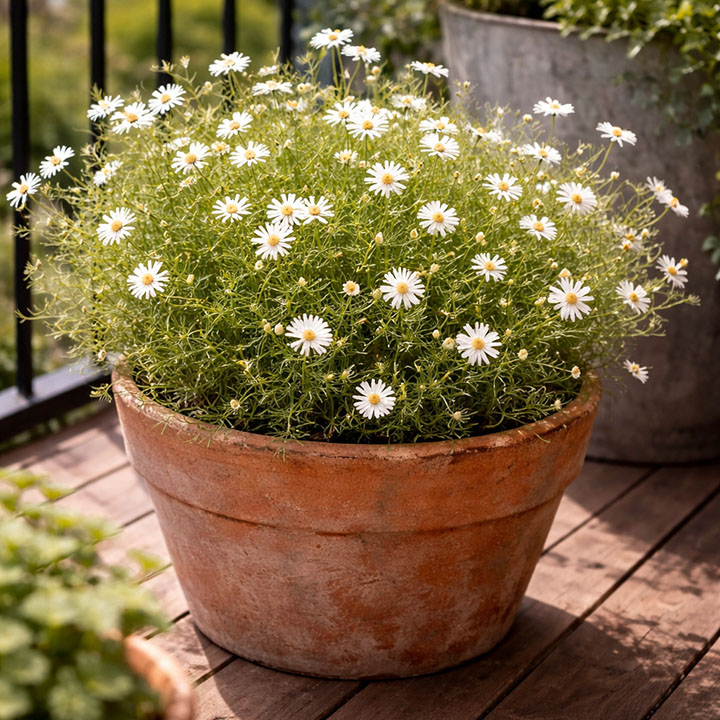
Brachyscome is a lovely plant for soft mounding edges. It brings masses of daisy-like flowers and fine foliage, making it ideal for planters that need a lighter, more relaxed look. It does not always trail dramatically, but it softens the edge beautifully and adds long-lasting colour.
This is a good choice for balcony gardeners who want colour without using larger bedding plants. It suits native-inspired and cottage-style planters equally well.
Best for: soft mounds, long-lasting colour, mixed planters
Good for: most Australian cities in sun to part shade
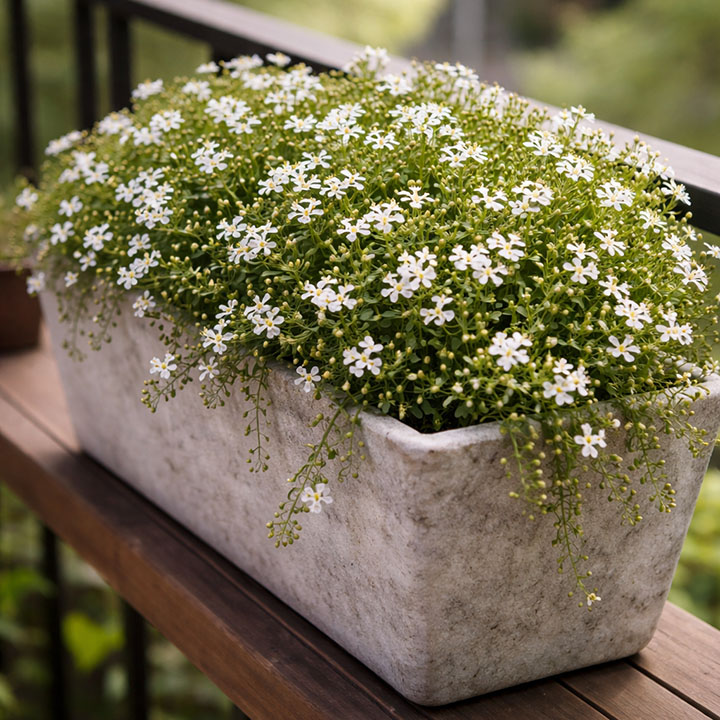
Creeping boobialla
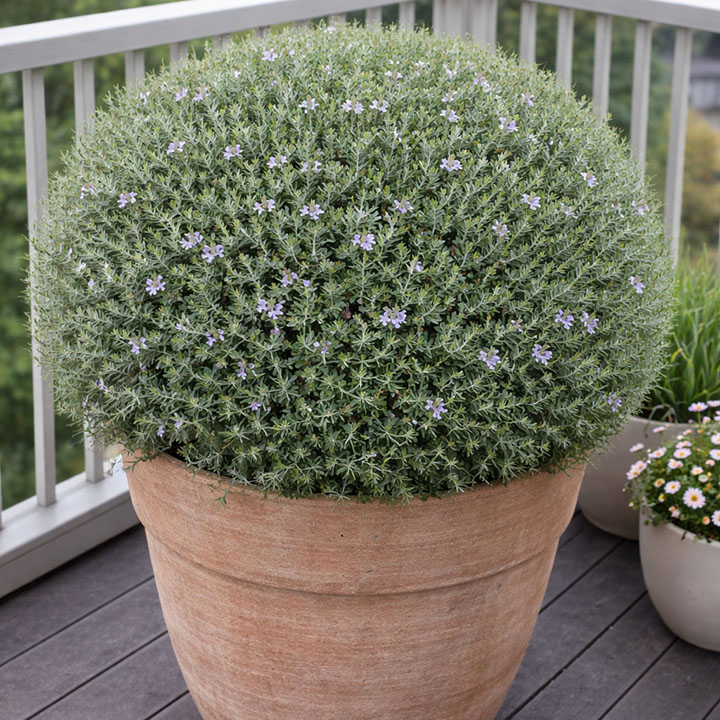
Creeping boobialla is a hardy native that works very well at the front of sunny planters. It forms a neat, low-growing edge and can spill gently over the side without becoming untidy. It is especially useful in low-water gardens and on hot balconies where softer plants can struggle.
Its dense growth and toughness make it a smart choice for modern container designs and native balcony gardens.
Best for: dry sunny edges, native-style planters, low maintenance
Good for: Perth, Adelaide, Melbourne, coastal and inland areas
Pigface
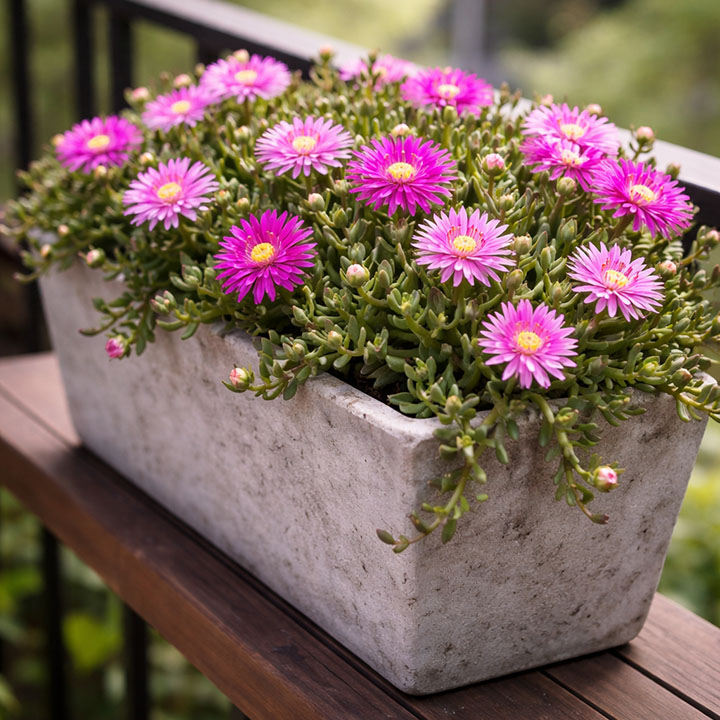
Pigface is perfect for bright, exposed planter edges. Its fleshy leaves store water well, and its trailing habit makes it ideal for spilling over the rim of pots in full sun. When it flowers, it adds bright colour and a coastal feel that suits Australian outdoor spaces beautifully.
This is one of the best plants for hot, dry balconies or windy positions where many other edge plants dry out too quickly.
Best for: coastal balconies, hot sun, drought-tolerant planters
Good for: Perth, Adelaide, Sydney coast, exposed balconies
Prostrate rosemary
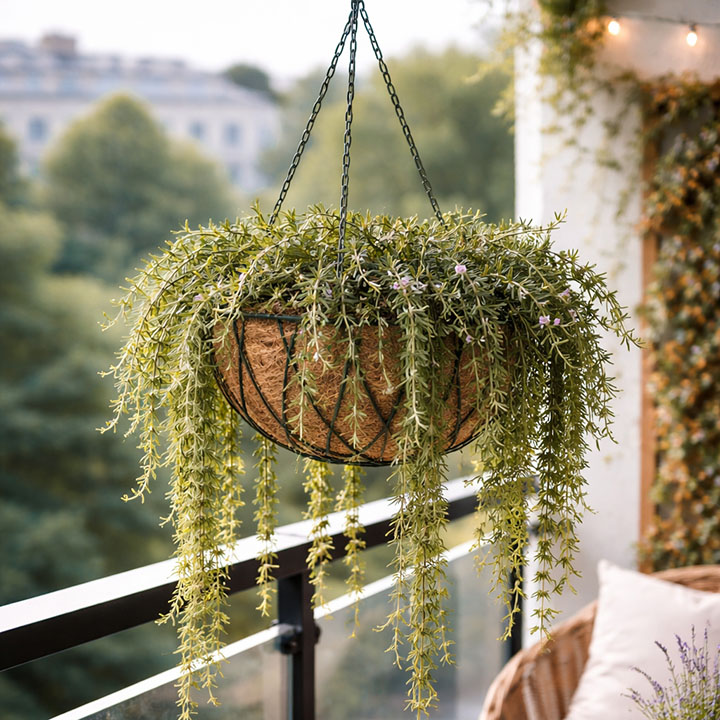
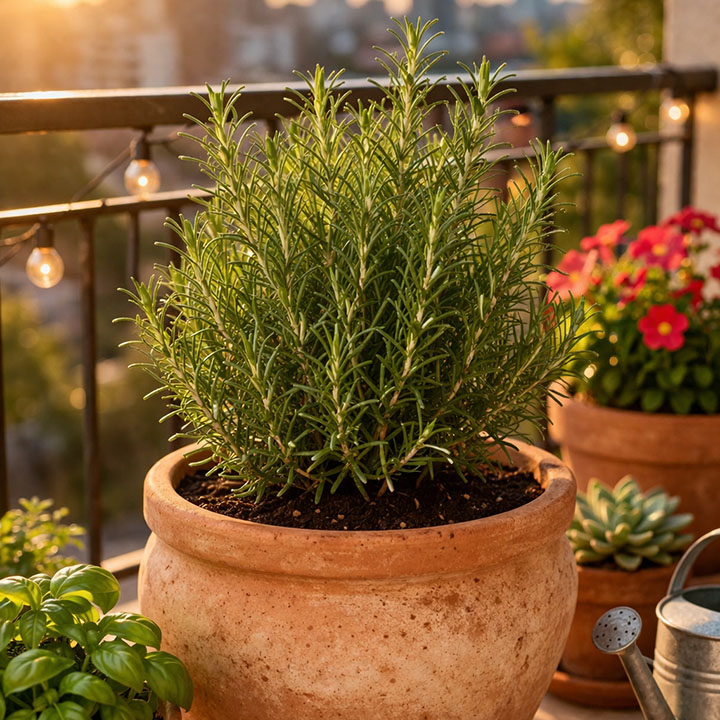
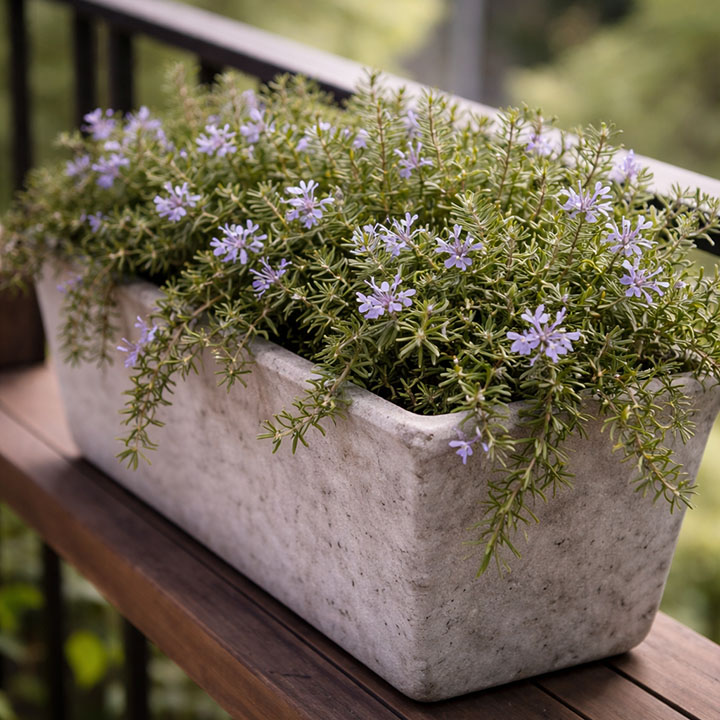
Prostrate rosemary is a practical and attractive option for planter edges. It trails softly, smells wonderful, and handles heat and dry conditions well. It is ideal for edible balcony gardens and Mediterranean-style plantings where you want both structure and usefulness.
Because it can be clipped neatly, it suits formal and informal containers alike. It looks especially good in terracotta pots and long trough planters.
Best for: edible planting, sunny balconies, dry conditions
Good for: Melbourne, Adelaide, Perth, sunny Sydney balconies
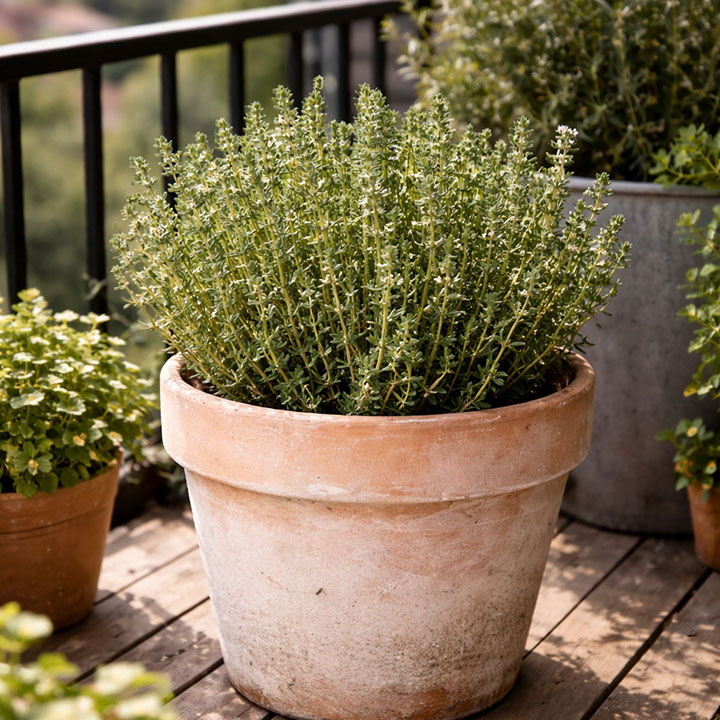
Creeping thyme
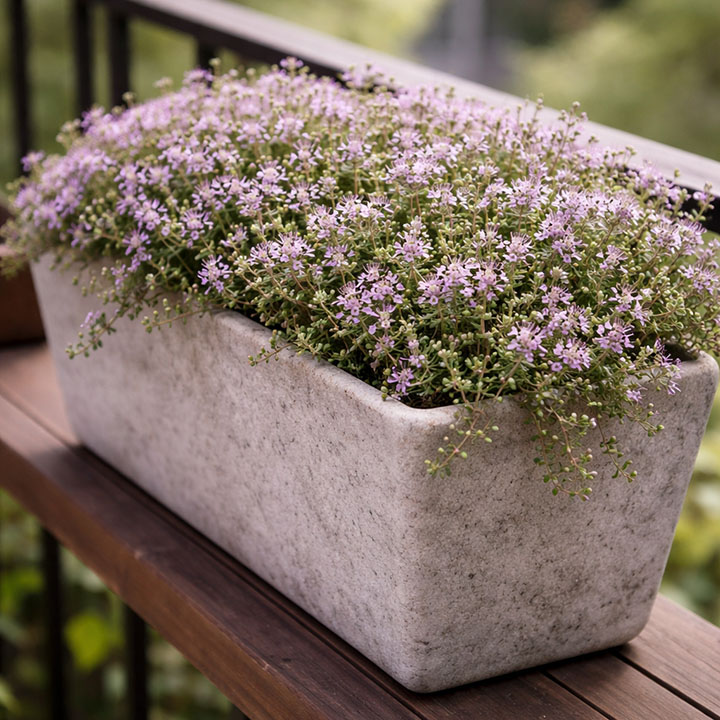
Creeping thyme makes a low, fragrant edge that softens a planter without taking over. It is more of a gentle spreader than a true spiller, but it works very well at the front of herb pots, bowls, and sunny mixed planters. The foliage stays tidy and the flowers attract pollinators.
It needs sun and good drainage, so it is best used in drier climates or in very free-draining potting mixes.
Best for: herb planters, sunny edges, low neat growth
Good for: Melbourne, Adelaide, Perth, Canberra, Hobart
Aptenia
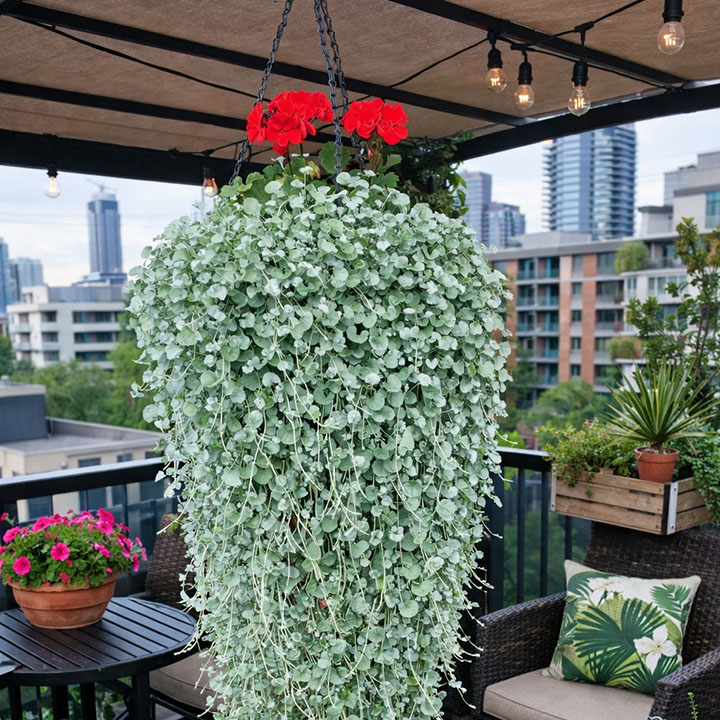
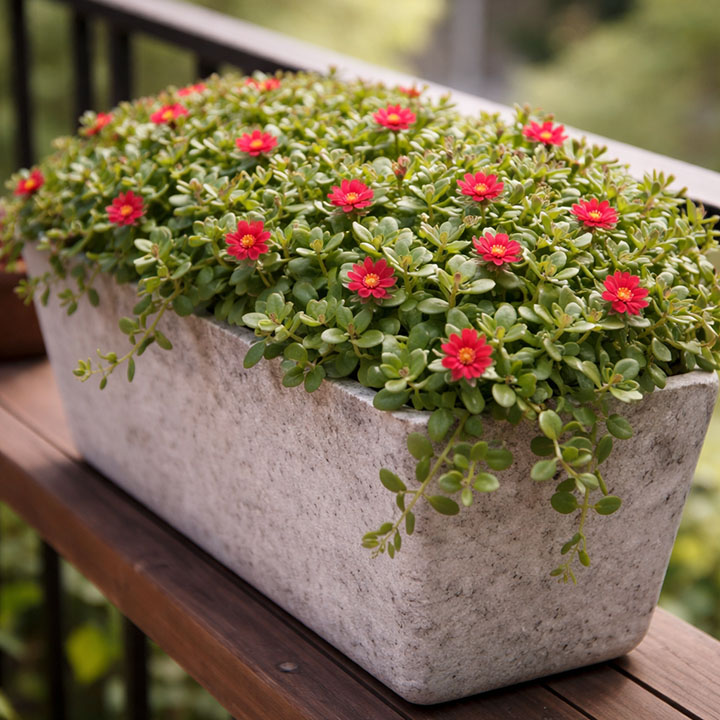
Aptenia is a tough, low-growing succulent-style plant that works well on very hot balconies. It spreads across the front of the planter and spills over the edge in a bright green layer. It is useful in spots where reflected heat and strong sun make softer trailing plants difficult to keep looking fresh.
It is best used where durability matters more than a refined look, especially in modern planters or dry urban spaces.
Best for: harsh sun, heat, low-water conditions
Good for: Perth, Adelaide, western Sydney, exposed city balconies
Best plants for planter edges by Australian city and climate
Sydney
Sydney balconies often deal with humidity, rain, and periods of strong sun. Scaevola, brachyscome, and native violet in shaded spaces are all good choices. Good drainage is essential so edge plants do not sit wet for too long.
Melbourne
Melbourne’s changeable weather suits versatile plants that can handle cool spells, wind, and warmer bursts of sun. Native violet, brachyscome, thyme, and prostrate rosemary are all strong options depending on light levels.
Brisbane
Brisbane’s warmth and humidity mean airflow matters. Scaevola performs well in sunny positions, while native violet can suit bright shade. Avoid overcrowding the front of planters in humid conditions.
Perth
Perth’s hot dry summers favour tough edge plants. Pigface, creeping boobialla, prostrate rosemary, aptenia, and creeping thyme are all excellent for bright exposed balconies and courtyards.
Adelaide
Adelaide suits many of the same dry-climate edge plants as Perth. Rosemary, thyme, pigface, and creeping boobialla are especially good in sunny planters with fast drainage.
Hobart and cooler southern areas
Cooler climates suit native violet in sheltered shade and brachyscome or thyme in sunny positions. In these areas, avoid tropical or heat-loving edge plants unless the space is very protected.
Tips for planting the edge of a planter
- Place trailing plants close to the front rim, but not hanging fully over the edge when first planted.
- Use a quality potting mix that drains well.
- Combine an upright plant in the middle with lower edge plants at the front.
- Trim lightly and regularly to keep edge plants dense.
- Match plants with similar water and sun needs in the same pot.
- Choose tougher species for exposed balconies and softer species for sheltered spaces.
Common mistakes to avoid
- Using shade-loving edge plants in hot reflected sun
- Choosing thirsty spillers for windy dry balconies
- Overcrowding the planter so plants cannot spread naturally
- Using poor potting mix that compacts and holds too much water
- Ignoring the difference between mounding and trailing plants
Final thoughts
The best plants for planter edges in Australia depend on your climate, light, and how much maintenance you want to do. For dry sunny balconies, pigface, creeping boobialla, rosemary, and thyme are reliable choices. For flowering colour, scaevola and brachyscome are excellent. For shaded spaces, native violet is one of the best plants you can use.
Choose plants based on how your planter actually behaves through the seasons, not just how a plant looks at the nursery. When the plant matches the conditions, the whole container will look fuller, softer, and more polished.
FAQ
What is the best plant to spill over planter edges in Australia?
Scaevola is one of the best all-round choices because it flowers well, handles sun, and naturally spreads over the edge. For very dry sunny spots, pigface and creeping boobialla are also excellent.
What is the best planter-edge plant for shade?
Native violet is one of the best options for shady or semi-shaded planter edges in Australia. It spreads gently and softens the rim of the pot without needing strong direct sun.
What plants are best for hot sunny balconies?
Pigface, creeping boobialla, prostrate rosemary, creeping thyme, and aptenia are all strong choices for hot sunny balconies and exposed container gardens.
Can herbs work as planter-edge plants?
Yes. Prostrate rosemary and creeping thyme are especially good choices because they soften the edge, smell great, and can also be used in cooking.
How often should I water planter-edge plants?
It depends on the plant, pot size, weather, and position. Planters on sunny balconies dry out much faster than sheltered containers. Always check the potting mix and water according to the plant’s needs rather than following a fixed schedule.
Do planter-edge plants need pruning?
Most do benefit from light trimming. Regular pruning helps keep them dense, healthy, and neat around the rim of the planter.
Can I mix different edge plants in one planter?
Yes, as long as they have similar light and water needs. Mixing one trailing plant with one softer mounding plant can create a balanced, layered look.