
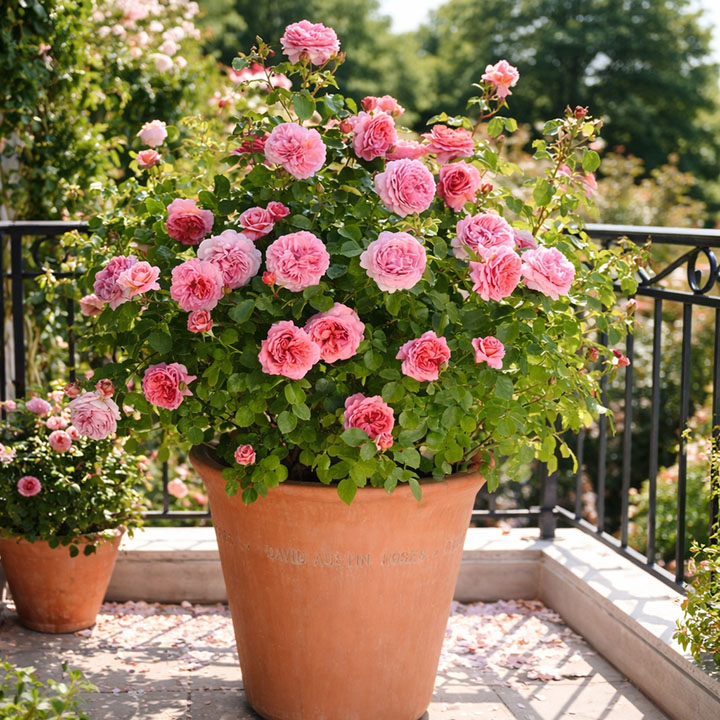
Growing roses on a balcony is a practical way to bring colour, fragrance and structure into a small outdoor space. In Australia, balcony conditions vary a lot from city to city, so the key is choosing the right rose, using a large enough pot, and adjusting your care to local sun, wind, humidity and seasonal temperature swings. With the right setup, roses can thrive in containers and flower beautifully for much of the year.
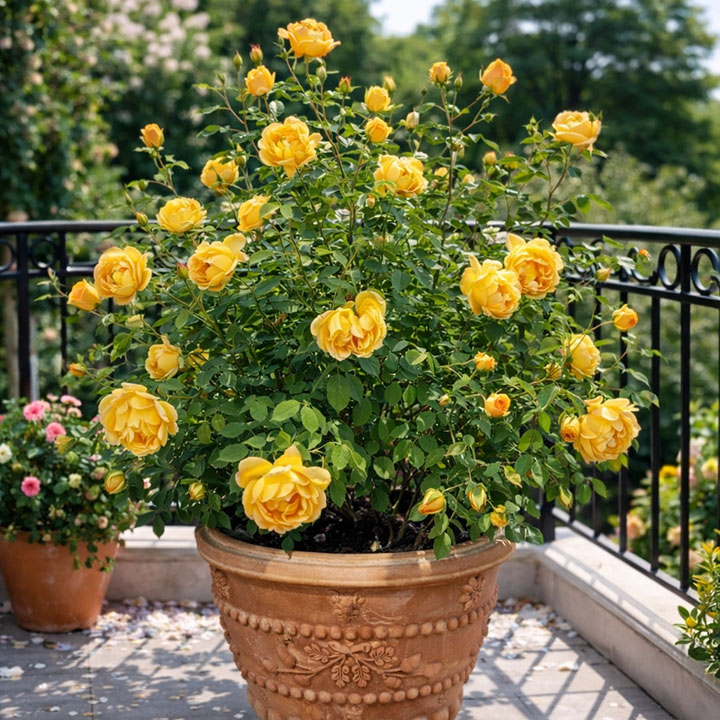
Why roses are a great choice for balconies
Roses are often seen as traditional garden plants, but many varieties grow very well in pots. They add height, softness, scent and repeat colour, and they can make even a simple balcony feel more finished and inviting. Compact roses are especially useful in small spaces, while climbing roses can be trained upward to create privacy or a lush green backdrop.
Balcony growing also gives you more control. You can use better soil than many in-ground garden beds, position the pot where sunlight is strongest, and move smaller containers if needed. That makes roses more achievable than many people expect.
Best types of roses for balcony growing
Not every rose is ideal for container life, so variety choice matters. For most balconies, compact and repeat-flowering roses are the easiest option.
- Miniature roses are ideal for very small balconies and compact pots.
- Patio roses stay neat and flower heavily, making them one of the best choices for containers.
- Floribunda roses produce clusters of blooms and suit medium to large pots.
- Compact shrub roses give a fuller, softer look and often have strong fragrance.
- Climbing roses work well on sunny balconies with a trellis, wall or frame.
If your balcony is windy, choose sturdy, bushy types rather than tall or top-heavy roses. If space is tight, look for roses specifically described as patio, miniature or suitable for pots.
How much sun do roses need on a balcony?
Roses grow and flower best with at least six hours of direct sunlight a day. Morning sun is especially useful because it dries foliage quickly and reduces disease risk. The more sun a balcony rose receives, the better its flowering is likely to be.
If your balcony gets only a little direct light, roses may survive but often become leggy and produce fewer flowers. Deep shade is usually not suitable. When choosing a spot, prioritise sun first, then airflow, then protection from harsh wind.
Choosing the right pot
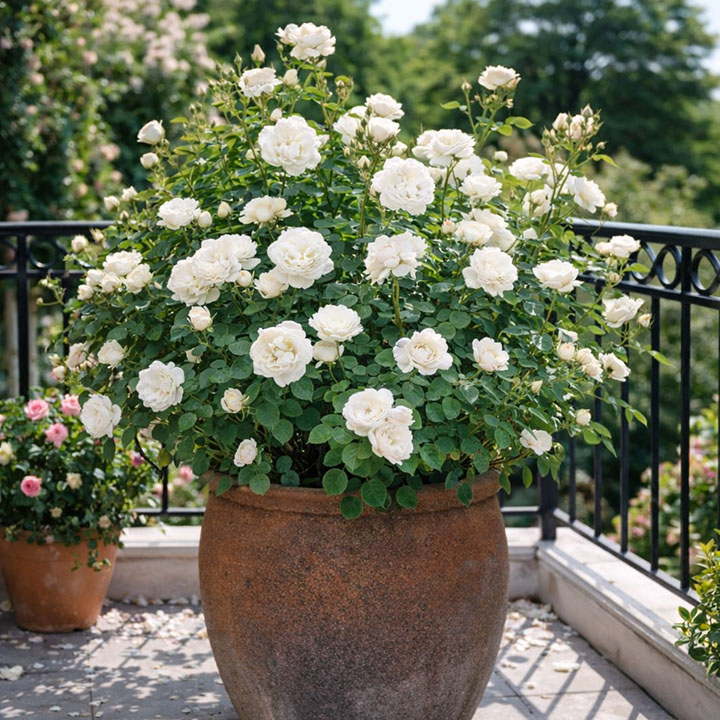
Roses have substantial root systems, so pot size is one of the biggest factors in success. A small pot dries too quickly, overheats in summer and restricts growth.
- Choose a pot at least 45 to 50cm wide and deep for most roses.
- Use larger containers for shrub roses and climbers.
- Make sure the pot has generous drainage holes.
- Choose a heavy or stable container if your balcony gets strong wind.
- Use pot feet or risers so water can drain freely.
Terracotta looks beautiful but dries out faster than glazed or plastic pots. In hot Australian cities, larger containers are often worth the extra space because they help keep roots cooler and moisture levels steadier.
Best potting mix for roses in containers
Always use a premium potting mix rather than garden soil. Roses in pots need a mix that drains well but still holds enough moisture between waterings. Cheap mixes often break down quickly and can become either too soggy or too dry.
You can improve the mix further by blending in compost and a controlled-release fertiliser for flowering plants. The goal is a rich but airy growing medium that supports steady growth without becoming compacted.
How to plant roses on a balcony
- Choose a large pot with drainage holes.
- Fill the base with premium potting mix.
- Position the rose so it sits at the same depth as it was in its nursery pot.
- Backfill around the roots with fresh potting mix.
- Press down gently to remove large air pockets.
- Water deeply until excess drains from the bottom.
- Add a light layer of mulch, keeping it away from the stems.
- Place the pot in a sunny, open position.
Spring and autumn are usually the easiest times to plant potted roses in Australia. Avoid planting during a heatwave or when hot, drying winds are expected.
Watering roses on a balcony
Container roses dry out faster than roses in the ground, especially on balconies where there is reflected heat, more exposure and stronger airflow. Water deeply so the whole root zone is soaked, rather than giving small daily splashes that only wet the surface.
- Summer: check moisture daily and water more often in hot weather.
- Spring and autumn: water when the top layer of mix starts to dry.
- Winter: reduce watering, but do not allow the pot to dry out completely.
- Windy periods: expect pots to dry faster than normal.
Early morning is the best time to water. Aim the water at the soil rather than soaking the leaves, especially in humid climates where fungal disease can be more common.
Feeding and fertilising balcony roses
Roses are heavy feeders, and pot-grown roses need regular nutrition to keep flowering well. A controlled-release fertiliser applied during the growing season gives a solid base, while a liquid fertiliser for flowering plants can help support repeat blooming.
If your rose is producing lots of leaves but not many flowers, or if blooming slows during the growing season, feeding may need adjusting. Avoid overfeeding during very hot weather, when the plant may already be under stress.
Pruning and deadheading
Deadheading spent blooms helps roses look tidy and encourages fresh flowers. Remove faded flowers by cutting back to a healthy outward-facing leaf. Also trim off damaged, weak or crossing stems when needed.
Most roses also benefit from a harder annual prune in winter, especially in cooler Australian regions. This helps shape the plant, improve airflow and encourage strong new spring growth. Miniature and patio roses usually need lighter pruning than larger shrub roses.
Repotting and long-term care
Roses do not like sitting for years in old, exhausted potting mix. Repot every couple of years, or sooner if the plant seems root-bound, dries out too quickly or flowers poorly despite good care. Refreshing the mix and giving the roots more room can make a big difference.
When repotting, remove as much tired mix as you can without damaging the roots too much, then replant into fresh premium potting mix. Move up to a larger pot if the plant has clearly outgrown its container.
Common problems with balcony roses
- Black spot: more likely in humid weather and poor airflow.
- Powdery mildew: often appears when air circulation is limited.
- Aphids: common on fresh new growth and buds.
- Heat stress: can cause scorched leaves, bud drop and fast drying.
- Wind damage: may tear petals, snap stems and dry out pots quickly.
- Underwatering: often leads to smaller blooms and leaf drop.
The best way to avoid most rose problems is to give them enough sun, good airflow, deep watering, regular feeding and prompt cleanup of diseased leaves or spent flowers.
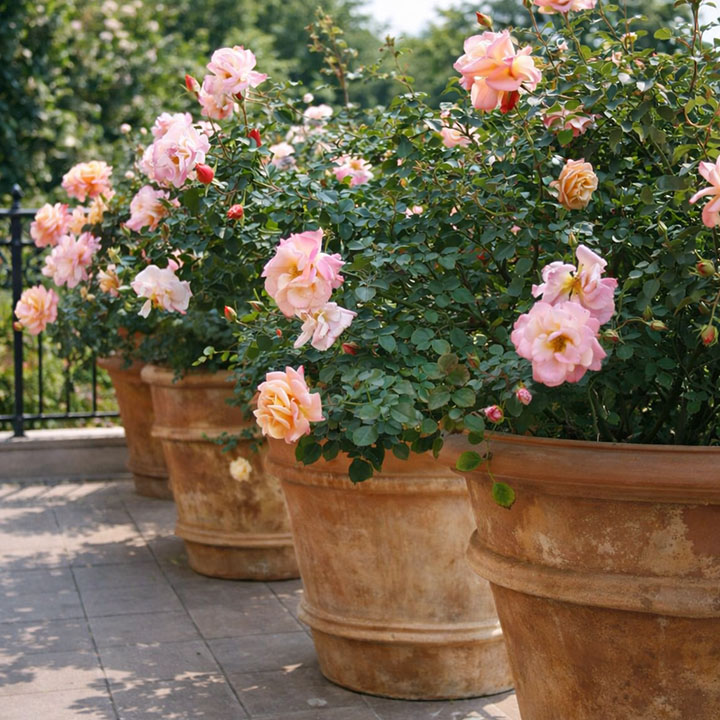
Growing roses on a balcony in Australian cities
Australian conditions vary widely, so rose care should be adjusted to your city rather than treated as universal.
Melbourne
Melbourne’s changeable weather suits roses reasonably well, but balcony gardeners need to watch for hot northerly winds in summer and rapid temperature swings. Roses usually benefit from a sunny spot with some shelter from the harshest wind. Winter is cool enough for pruning and rest, while spring and autumn are strong flowering seasons.
Sydney
Sydney’s warm, humid conditions can produce healthy growth, but disease pressure can be higher than in drier climates. Good airflow matters a lot on enclosed balconies. Morning sun is ideal, and regular deadheading plus leaf cleanup can help keep plants tidy and healthy.
Brisbane
Brisbane roses often need extra attention during the humid summer months. Larger pots help prevent fast drying, and open positioning is important to reduce fungal issues. Morning sun is particularly helpful, and heavy crowding around the rose should be avoided.
Perth
Perth’s dry summers mean watering is the main challenge. Balcony roses can thrive, but they need deep watering and a thick enough mulch layer to help preserve moisture. Strong afternoon sun can be intense, so some protection from the hottest late-day exposure may help on exposed balconies.
Adelaide
Adelaide’s hot, dry conditions can be excellent for flowering, but pots will dry rapidly in summer. Go larger with containers where possible, keep watering consistent, and avoid letting plants bake in reflected heat from walls or paving.
Canberra
Canberra has cold winters and hotter, drier summers, so balcony care shifts a lot through the year. Protect pots from severe frost and icy wind in winter, then be ready to water much more often once summer arrives. Winter pruning is an important part of rose care here.
Hobart
Hobart’s cooler conditions can suit roses well, but you will need to maximise sunlight. A north-facing balcony or the brightest available position is ideal. Growth may be slower through winter, so avoid overwatering and make sure drainage stays excellent.
Darwin and the tropical north
Roses can be more challenging in tropical heat and humidity. If you grow them in Darwin or similar climates, give them the breeziest, sunniest spot you have and monitor regularly for fungal issues. Variety choice and airflow matter even more in these conditions.
Seasonal care for balcony roses in Australia
Spring
This is one of the main growth and flowering periods for roses. Feed the plant, increase watering as temperatures rise, check for aphids on new shoots and enjoy the strongest flush of blooms.
Summer
Summer care is mostly about water, heat management and deadheading. Check pots often, especially during hot spells, and keep an eye out for bud scorch, drooping growth and leaf stress. In very hot regions, larger pots make a big difference.
Autumn
Autumn is a great time for another flush of flowers in many parts of Australia. It is also one of the best times to plant potted roses, refresh mulch and tidy the plant before cooler weather arrives.
Winter
Winter is the traditional pruning season in many cooler parts of Australia. Water less often, but do not let the pot dry out completely. This is also a good time to repot or plant bare-root roses where suitable.
Styling ideas for roses on a balcony
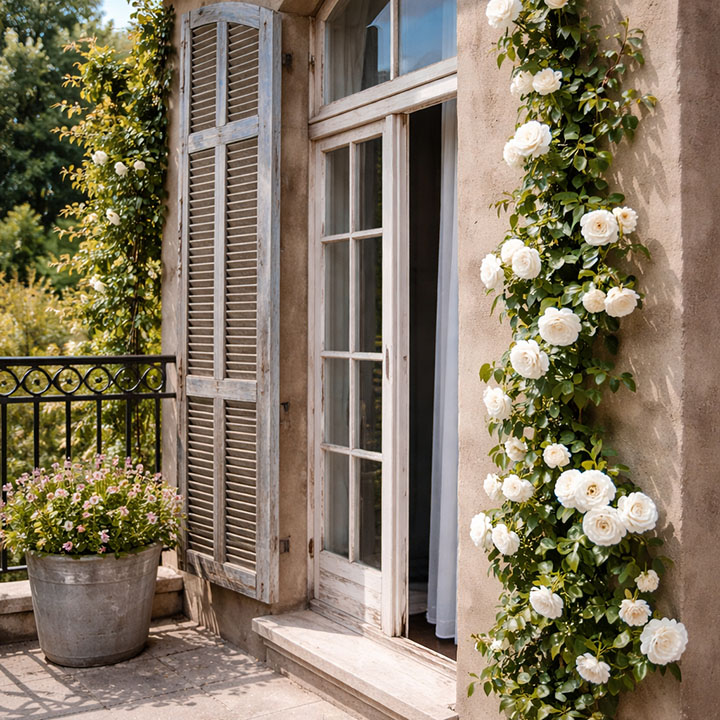
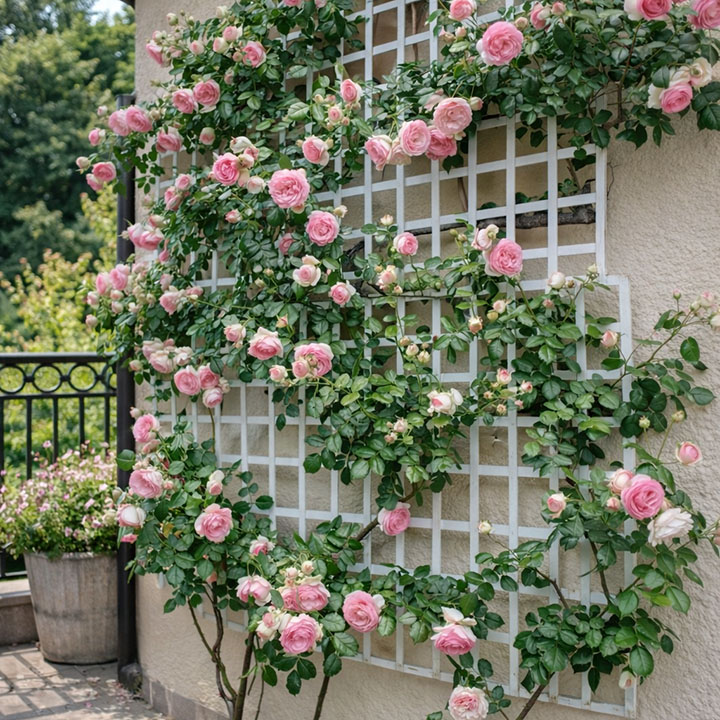
Roses can be both a flowering plant and a design feature. A single rose in a beautiful large pot can anchor a small balcony. A pair of matching roses can frame a seating area. A climbing rose on a slim trellis can soften a plain wall or create privacy without taking up much floor space.
For the best look, avoid overcrowding the space with too many pots. Let the rose be a hero plant and pair it with lower, softer companions only if airflow remains good.
Final thoughts
Growing roses on a balcony is absolutely achievable in Australia if you match your care to your climate. Give your rose plenty of sun, a generous pot, premium mix, regular feeding and steady watering, and it can reward you with months of flowers in a surprisingly small space. Whether you are gardening in Melbourne, Sydney, Brisbane or beyond, the basics stay the same, but the details should always be adjusted to your local weather.
FAQ
Can roses grow well in pots on a balcony?
Yes. Many roses grow very well in containers, especially patio roses, miniature roses, floribundas and compact shrub roses. The key is using a large enough pot and giving the plant enough direct sun.
What is the best rose for a small balcony?
Miniature and patio roses are usually the easiest and most practical choices for small balconies because they stay compact and flower well in containers.
How much sun do balcony roses need?
Most roses need at least six hours of direct sun a day to flower well. More sun usually means more blooms and stronger growth.
How often should I water roses in pots?
It depends on the season, pot size, sun exposure and wind. In summer, you may need to check daily. In cooler months, watering is less frequent. Always water deeply rather than lightly.
What size pot is best for a rose?
For most roses, a pot at least 45 to 50cm wide and deep is a good starting point. Bigger is better in hot climates or for larger varieties.
When is the best time to plant roses in Australia?
Spring and autumn are great times to plant potted roses. Bare-root roses are traditionally planted in winter.
Why are my rose leaves getting black spot?
Black spot is more common when conditions are humid and airflow is poor. Keeping the plant open, sunny and well ventilated helps reduce the risk.
Can I grow a climbing rose on a balcony?
Yes, as long as your balcony gets enough sun and you have a strong trellis or support. Choose a container large enough to support the root system and keep water and feeding consistent.

Comments are closed.