
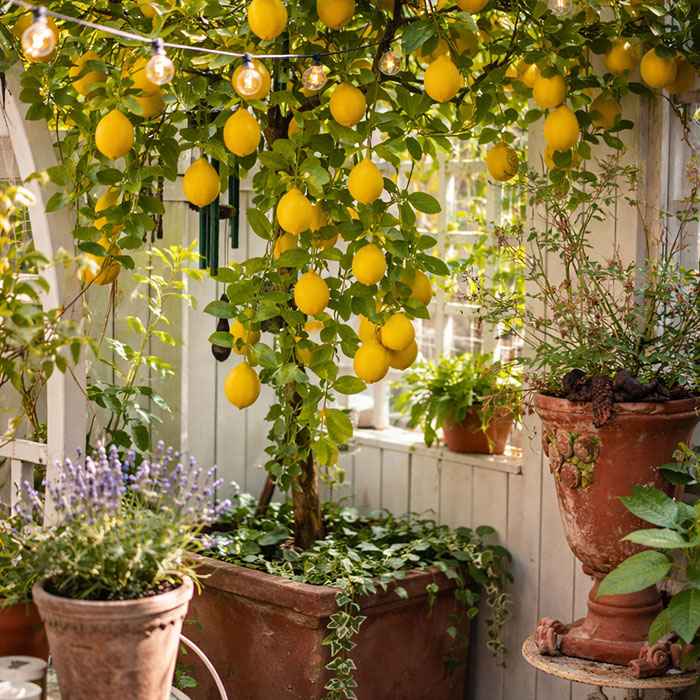
Growing lemons on a balcony is one of the most rewarding ways to turn a small outdoor space into something beautiful and useful. A healthy lemon tree looks great year round, fills the air with fragrance when in flower, and gives you fruit you can actually use. The good news for Australian gardeners is that lemons grow well in containers when you give them enough sun, the right potting mix, and regular feeding.
Whether you have a sunny apartment balcony in Brisbane, a windy terrace in Melbourne, or a compact courtyard-style balcony in Sydney, you can grow lemons successfully in a pot. The key is to treat your lemon tree like a long-term container plant rather than a backyard tree. That means choosing the right variety, keeping roots healthy, and adjusting your watering to your local climate.
In this guide, you’ll learn the best lemon varieties for balconies, how to plant and care for them in Australian conditions, and how to adapt your approach depending on your city and the weather.
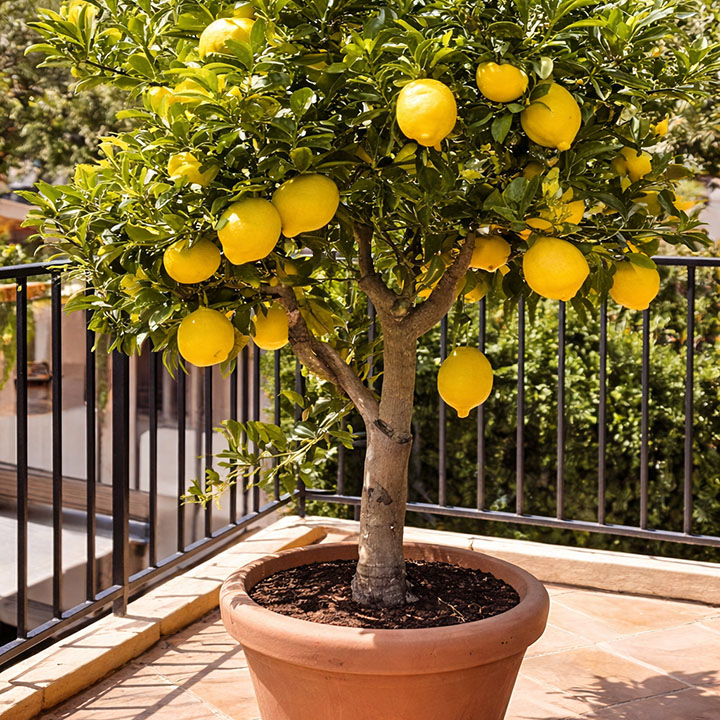
Why lemons are ideal for balconies
- They grow well in large pots.
- Dwarf varieties stay compact and productive.
- They are evergreen, so your balcony looks good all year.
- The flowers are highly fragrant.
- You get edible fruit from a relatively small space.
- With pruning, they can be kept at a manageable size for years.
If your balcony gets strong sun for much of the day, lemons are one of the best fruiting plants you can grow in Australia.
Best lemon varieties for balcony growing
Not all lemon trees are equally suited to pots. For balcony gardening, look for a dwarf or grafted lemon tree rather than a full-size backyard specimen.
Best options
- Dwarf Meyer Lemon – usually the easiest choice for balconies. It is compact, productive, and generally a little more forgiving in cooler areas.
- Dwarf Eureka Lemon – a classic true lemon with strong flavour and reliable cropping.
- Dwarf Lisbon Lemon – vigorous and productive, but often a bit thornier and stronger growing than Meyer.
If you live in a cooler city such as Melbourne, Hobart or Canberra, a Meyer lemon is often the safest beginner choice. If you want a more classic supermarket-style lemon flavour, Eureka or Lisbon are excellent, especially on warmer, sunnier balconies.
How much sun do balcony lemon trees need?
Lemon trees need plenty of direct sun to flower, set fruit and ripen it properly. A balcony lemon should ideally get at least 5 to 6 hours of direct sun a day, and more is better.
Morning sun with afternoon light is good, but full sun is best in most Australian cities. If your balcony is shaded for most of the day, your lemon may still survive, but growth will be slow and fruiting can be disappointing.
North-facing balconies are usually ideal in Australia. East-facing balconies can still work well. West-facing balconies can be excellent for fruiting, but they may need extra watering in summer because pots dry out fast in hot afternoon sun. South-facing balconies are usually the most difficult for lemons unless the site is unusually bright.
Choosing the right pot
Your pot matters more than many beginners realise. A lemon tree in a small container may survive for a while, but it will struggle to stay healthy and productive long term.
Pot size guide
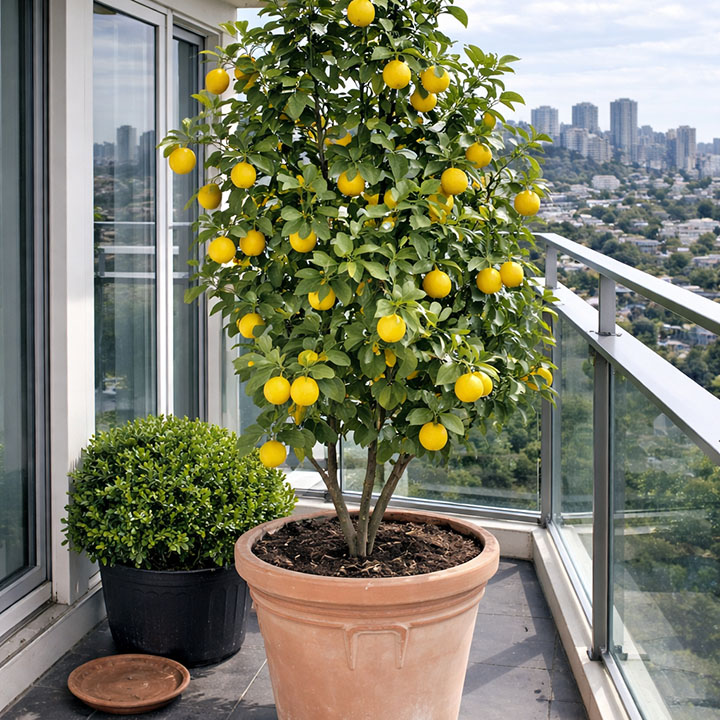
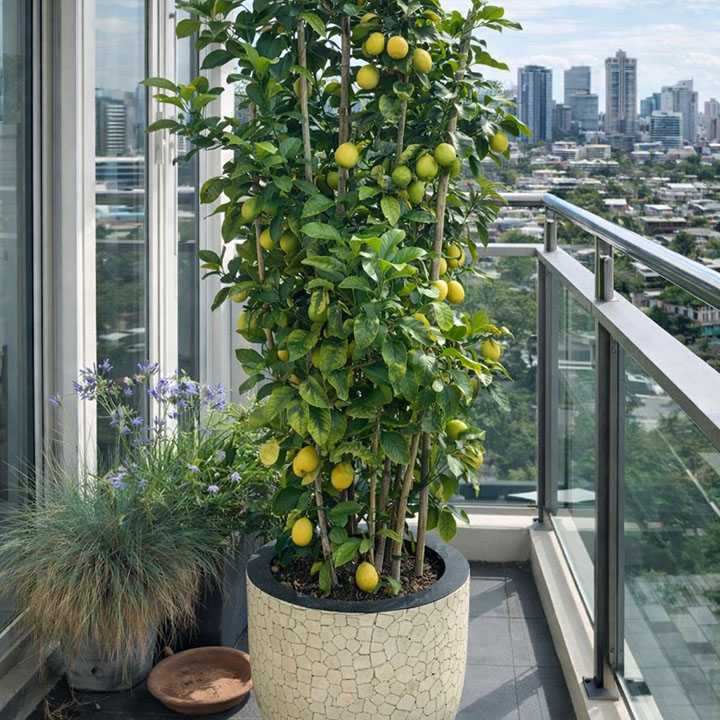
- Start with a pot around 40 to 50cm wide for a young dwarf tree.
- Move up over time to a final pot around 55 to 70cm wide, depending on the variety and your space.
- Choose the biggest pot your balcony and layout comfortably allow.
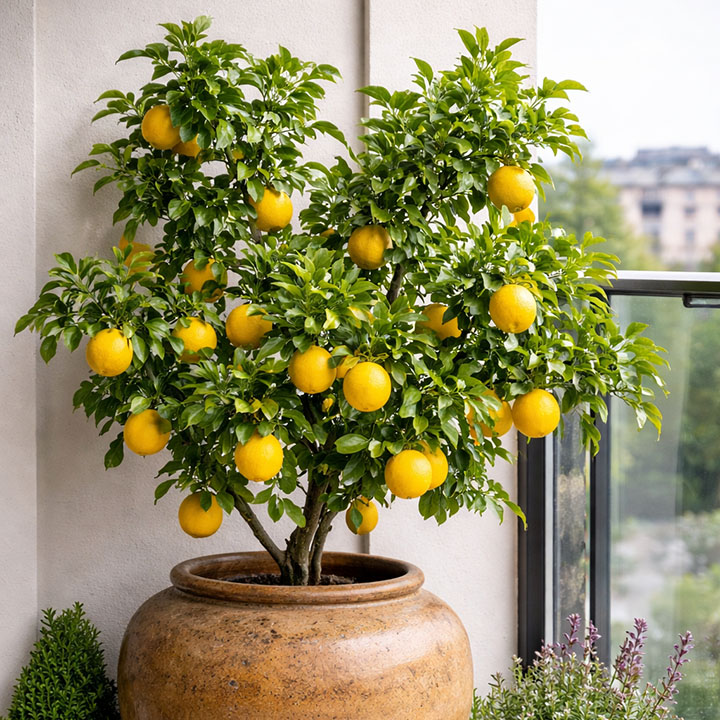
Terracotta looks beautiful but dries out faster. Plastic and glazed pots hold moisture better. Lightweight composite pots are often a practical option for apartment balconies where weight matters.
Whatever you choose, make sure the pot has generous drainage holes. Lemon trees hate sitting in soggy mix.
The best potting mix for lemons
Do not use garden soil in containers. It compacts too easily and can lead to poor drainage. Instead, use a high-quality premium potting mix suitable for citrus or fruiting plants.
Your lemon tree will do best in a mix that is:
- free draining
- moisture retentive but not waterlogged
- rich enough to support steady growth
- slightly acidic to neutral
You can improve a premium potting mix by blending in a little coarse material for drainage if needed, but avoid making it too lean. Lemons are hungry plants and need a mix that can hold moisture and nutrients.
A layer of mulch on top helps keep roots cooler and slows evaporation, especially in hot Australian summers.
How to plant a lemon tree in a pot
- Choose a large pot with excellent drainage.
- Part-fill with premium potting mix.
- Remove the tree from its nursery pot gently.
- Tease out any circling roots if they are tightly bound.
- Place the tree so the top of the root ball sits just above the finished soil level.
- Backfill around the root ball and firm lightly.
- Water deeply until water drains freely from the base.
- Add mulch on top, keeping it slightly away from the trunk.
Do not bury the graft union. That swollen grafted section near the base of the trunk should stay above the soil line.
Watering lemons on a balcony
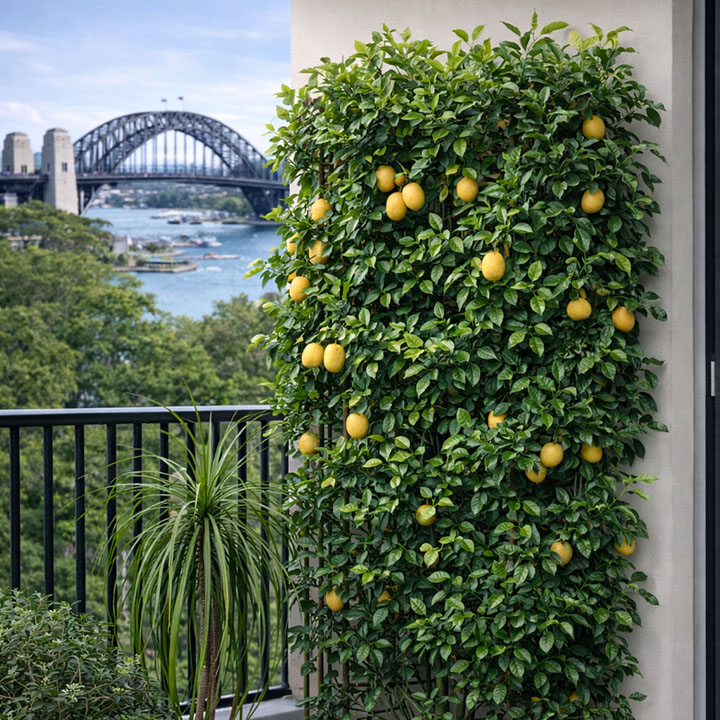
Watering is the biggest factor in success or failure with potted lemons. In a container, the roots rely entirely on you. Too little water causes leaf drop, fruit drop and stress. Too much water causes root problems and yellowing leaves.
How to water properly
- Water deeply so the entire root ball gets wet.
- Let the top few centimetres of potting mix dry slightly before watering again.
- Never leave the pot standing in a saucer of water for long periods.
- Check moisture more often during hot or windy weather.
In summer, a balcony lemon may need water several times a week, and in heatwaves it may need checking daily. In winter, watering usually slows down a lot, especially in southern cities.
Wind is a major issue on balconies. Even when temperatures are mild, strong wind can dry out a pot surprisingly quickly. If your site is exposed, moisture can disappear faster than you expect.
How often to feed lemon trees in pots
Lemons are heavy feeders. A hungry citrus tree will often look pale, stall in growth, or carry poor fruit. Because nutrients wash out of pots over time, feeding regularly is essential.
A simple approach is to use a quality citrus fertiliser through the warmer part of the year, following the product directions. Many balcony gardeners also add a slow-release fertiliser in spring and top up with liquid feeding during active growth.
Good feeding rhythm
- Early spring: main feed as new growth begins
- Late spring to summer: regular top-up feeding
- Early autumn: lighter feed if the tree is still active
- Winter: usually reduce feeding in cooler climates
If leaves yellow but the veins stay greener, nutrient deficiency may be part of the problem. Citrus-specific fertilisers often include trace elements that help prevent this.
Pruning and shaping a balcony lemon tree
One of the advantages of growing lemons in pots is that they are easy to keep compact. You do not need to prune heavily, but light shaping makes a big difference.
What to prune
- dead, damaged or diseased wood
- crossing branches
- very long, awkward shoots that spoil the shape
- growth from below the graft
Aim for an open, balanced canopy that lets in light and air. This helps fruit ripen and reduces crowding. Light pruning after fruiting is usually enough for container lemons.
Pollination and fruit set
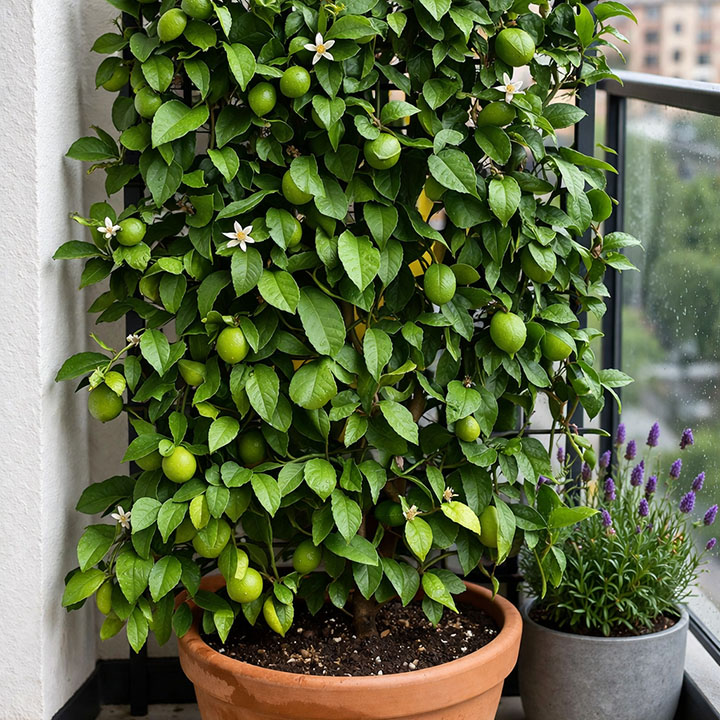
Lemon trees are self-fertile, so you only need one tree to get fruit. Bees and other pollinators help, but you do not need a second lemon tree for pollination.
Sometimes a young tree flowers but drops tiny fruit. This is common when the tree is still establishing, when watering is inconsistent, or when the plant is carrying more fruit than it can support.
Don’t panic if a newly planted tree drops its first fruit. Focus on root growth and canopy health first. Better crops usually follow once the tree settles in.
Australian city and weather guide for balcony lemons
Australia’s cities create very different growing conditions for lemons in pots. Use your local climate as a guide when deciding where to place the tree and how often to water.
Sydney
Sydney is generally excellent for balcony lemons. Warm conditions, decent humidity and relatively reliable rainfall support good growth, but potted plants still dry out quickly in sun and wind. Watch exposed balconies near the coast, where salt-laden winds can stress foliage. Give your tree maximum sun and shelter it from harsh gusts if possible.
Melbourne
Melbourne’s variable weather means your watering and protection routine needs to be flexible. A lemon tree may enjoy warm sun one week and cool windy conditions the next. Choose the warmest, brightest position on the balcony, ideally near a wall that radiates heat. Meyer lemons are often especially well suited to Melbourne because they cope better with cooler conditions than fussier options.
Brisbane
Brisbane’s warmth makes lemons easy to grow, but high summer humidity and heavy rain can increase disease pressure if airflow is poor. Make sure the pot drains freely and avoid a cramped corner where the foliage stays wet for long periods. During hot periods, container plants can still need frequent watering despite the subtropical climate.
Perth
Perth is very suitable for lemons, but the hot, dry summer pattern means containers can dry rapidly. Mulch generously, water deeply, and be prepared for more frequent watering in summer than you might expect. A spot with full sun is ideal, but some late afternoon protection can help during severe heat.
Adelaide
Adelaide’s hot dry summers and cooler winters suit lemons well overall, but potted trees need close attention during heat. Balcony surfaces can reflect extra warmth, so roots may run hotter than in the ground. Use a large pot, mulch well, and don’t let the mix dry out completely during summer.
Hobart
Hobart is cooler, so position matters more. Choose the sunniest, most protected part of the balcony, ideally with reflected heat from a wall. A dwarf Meyer lemon is often the best choice. Winter cold and slow growth are normal, so don’t overwater during the cooler months.
Canberra
Canberra can grow lemons in pots, but frost and winter cold are the main challenge. Use a warm microclimate, such as a north-facing balcony near brick or masonry, and protect the tree during cold snaps. A movable pot is a big advantage here because it lets you shift the plant into a more sheltered position when needed.
These city differences reflect broad long-term climate patterns: Brisbane and Sydney are wetter and more humid, Perth and Adelaide have strongly dry summers, Melbourne is comparatively even but changeable, and Hobart and Canberra are cooler with greater cold risk in winter.
Protecting lemons from wind, heat and frost
Balcony conditions are often harsher than backyard conditions. Wind tunnels, reflected heat, and cold exposure can all stress citrus.
Wind
Strong wind dries leaves and potting mix, damages flowers and can knock off small fruit. If your balcony is exposed, place the lemon near a screen, railing barrier or wall that reduces the worst gusts without cutting out too much light.
Heat
During Australian summer heatwaves, dark pots and hard balcony surfaces can become very hot. Mulch the surface of the pot, water early in the day, and consider temporary shade during extreme late-afternoon heat if the tree is stressed.
Frost
In colder areas, move the pot to the warmest protected part of the balcony or close to the building. Covering the tree overnight during frost events can also help. Meyer lemons are often a smarter choice for cooler southern regions.
Repotting and root care
Even a well-cared-for lemon tree will eventually fill its pot with roots. If growth slows, watering becomes difficult, or the mix seems exhausted very quickly, it may be time to repot.
Repot into a slightly larger container when needed, or lift the tree from the pot, lightly prune some outer roots, and refresh the potting mix if you want to keep it in the same container size. This is a useful long-term strategy for balcony gardeners with limited space.
Refreshing potting mix every few years can make a major difference to plant health and fruiting.
Common lemon problems on balconies
Yellow leaves
This can be caused by inconsistent watering, poor drainage, cold stress or nutrient deficiency. Check the moisture level first and make sure the pot drains well.
Fruit drop
A young tree often drops some fruit naturally. Stress from drying out, wind or sudden temperature shifts can also trigger fruit drop.
No fruit
Usually this comes down to lack of sun, too much shade, not enough feeding, or a plant that is still immature.
Leaves curling or looking scorched
This often points to heat, drying winds, or irregular watering. On exposed balconies, these conditions can appear quickly.
Pests
Keep an eye out for aphids, scale, mealybugs and citrus leaf miner, especially on soft new growth. Healthy, well-fed plants usually cope better than stressed ones. Check leaves regularly so you catch problems early.
Seasonal care calendar for Australian balcony lemons
Spring
- Increase feeding as growth starts.
- Check whether the tree needs repotting.
- Watch for fresh pest activity.
- Enjoy the flowers and new growth.
Summer
- Water more often.
- Mulch to protect roots.
- Protect from extreme heat and harsh wind.
- Feed during active growth.
Autumn
- Harvest ripe fruit.
- Lightly tidy the tree if needed.
- Reduce feeding as temperatures cool in southern areas.
Winter
- Water less often.
- Protect from frost in colder cities.
- Keep the tree in maximum available sun.
- Avoid keeping the pot too wet in cool weather.
Final tips for success
- Choose a dwarf variety from the start.
- Give it as much direct sun as possible.
- Use a large pot with excellent drainage.
- Feed more regularly than you think you need to.
- Adjust watering to weather, not just the calendar.
- Protect the tree from harsh wind and cold snaps.
- Be patient with young trees while they establish.
A balcony lemon tree is not just possible in Australia, it is often one of the best edible plants for small-space gardeners. With the right variety and a little seasonal care, you can enjoy glossy foliage, perfumed flowers and home-grown lemons from a pot for many years.
FAQ: How to grow lemons on a balcony
Can you really grow a lemon tree on a balcony?
Yes. A dwarf lemon tree can grow very well on a balcony if it has enough direct sun, a large pot, quality potting mix and regular feeding.
What is the best lemon tree for a balcony in Australia?
Dwarf Meyer is often the easiest all-round choice for Australian balconies, especially in cooler cities. Dwarf Eureka and dwarf Lisbon are also excellent if you want a stronger classic lemon flavour.
How much sun does a balcony lemon tree need?
Aim for at least 5 to 6 hours of direct sun a day. More sun usually means better flowering, fruit set and ripening.
How often should I water a lemon tree in a pot?
There is no single schedule that fits every balcony. Water when the top layer of potting mix starts to dry, then water deeply. In summer you may need to check daily, especially during hot or windy weather.
Do lemon trees grow well in Melbourne?
Yes, but they need a warm, sunny and sheltered position. A Meyer lemon is often a smart choice for Melbourne balconies because it handles cooler conditions better than some other lemons.
Can I grow lemons on a balcony in Brisbane or Sydney?
Yes. Both cities are generally very suitable for lemons in pots. Just make sure the tree has excellent drainage, regular feeding and protection from harsh wind or overly wet, stagnant conditions.
Can lemon trees survive on a balcony in Canberra or Hobart?
Yes, but winter cold is the main challenge. Use the sunniest, most protected spot available, grow a dwarf Meyer lemon if possible, and protect the tree during frost or severe cold.
When should I repot a balcony lemon tree?
Repot when roots fill the pot, growth slows, or watering becomes difficult because the pot dries too quickly. Refreshing the potting mix every few years helps keep container lemons productive.
Why is my lemon tree flowering but not holding fruit?
This often happens with young trees or stressed plants. Inconsistent watering, low sun, nutrient shortage, wind and sudden weather swings can all cause fruit drop.
Do I need two lemon trees for fruit?
No. Lemon trees are self-fertile, so one healthy tree can produce fruit on its own.

Comments are closed.