
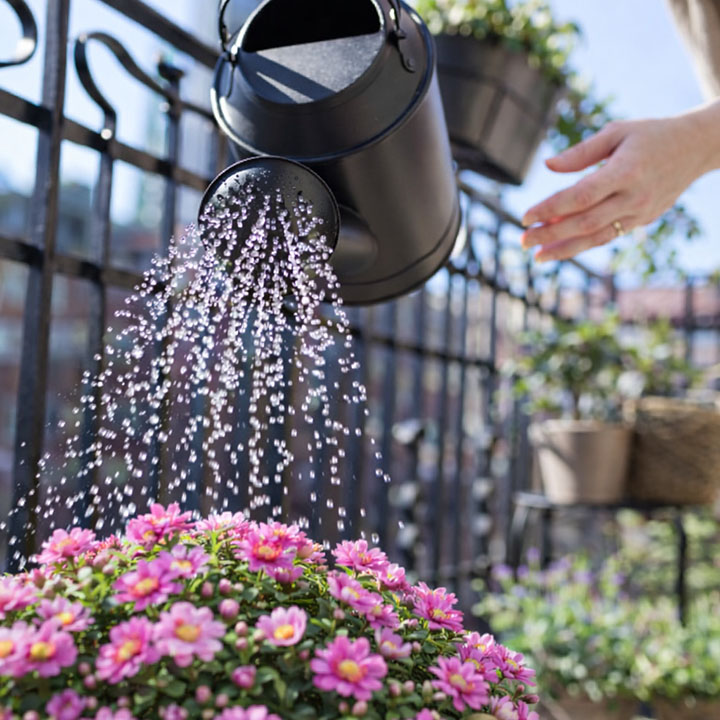
Watering balcony plants sounds simple, but it is one of the biggest reasons container gardens thrive or fail. On an Australian balcony, pots dry faster than garden beds because they are exposed to sun, wind, reflected heat from walls and paving, and limited soil volume. That means balcony watering is less about sticking to a rigid schedule and more about learning how your plants, pots, and local climate behave.
Whether you garden in Melbourne, Sydney, Brisbane, Perth, Adelaide, Canberra, Hobart or Darwin, the basic rule is the same: water deeply when the potting mix needs it, not just when the calendar says so. Hot, windy weather can make potted plants dry out quickly, while cool or humid conditions can keep moisture in the pot for much longer. Official Australian guidance also notes that small pots dry out faster, hot and windy weather increases water needs, and deep watering is generally better than frequent light sprinkling.
Why balcony plants need special watering
Balcony gardens live in a tougher environment than plants in the ground. Containers have a limited amount of potting mix, so there is less room to store water. Balconies are also often warmer and windier than ground-level gardens, especially in apartments with western sun, exposed corners, metal railings, or heat-reflective walls.
Australian local council and gardening advice consistently points out that potted plants need more frequent watering in warm weather, that windy conditions speed up drying, and that larger pots hold moisture longer than small ones.
- Small pots dry out very fast.
- Terracotta pots lose moisture faster than glazed or plastic pots.
- Plants in full sun need more frequent checking than plants in shade.
- Windy balconies can dry pots even when temperatures are mild.
- Edibles and flowering plants usually need more consistent moisture than tough foliage plants.
The best way to tell when a balcony plant needs water
The most reliable method is to check the potting mix, not guess. Push your finger a few centimetres into the soil. If the top layer is dry but it still feels damp underneath, the plant may not need water yet. If the mix feels dry deeper down, it is time to water. This “check first” approach is recommended in local Australian gardening advice because watering too often can be just as harmful as watering too little.
You can also look for these signs:
- Leaves drooping in the morning, not just in afternoon heat
- Potting mix pulling away from the sides of the pot
- A pot that feels very light when lifted
- Dry, pale, dusty-looking soil surface
- Flowers dropping early or vegetable plants developing stress
Be careful though: drooping can mean either underwatering or overwatering. If the soil is already wet and the plant still looks limp, the issue may be poor drainage or root stress rather than lack of water.
How to water balcony plants properly
The goal is to water thoroughly so the entire root ball is moistened. A quick splash on the surface is rarely enough. Deep watering encourages roots to grow further into the potting mix instead of staying near the dry, hot top layer. Australian gardening guidance also notes that deep watering is better than frequent shallow watering for stronger root development.
- Water slowly. Pour water gently around the whole surface of the pot, not just in one spot.
- Keep going until water drains from the bottom. That shows the mix has been properly soaked.
- Let excess water drain away. Do not leave most plants sitting in water-filled saucers for long periods.
- Repeat if the mix is very dry. Sometimes dry potting mix becomes water-repellent. In that case, water lightly, wait a few minutes, then water again.
If your potting mix has become extremely dry, water can run straight through without soaking in. When that happens, re-wet the soil slowly in stages, or stand the pot in a shallow tub of water for a short time so the mix can absorb moisture from below.
Morning or evening: when is the best time to water?
Early morning is usually the best time to water balcony plants. It gives roots access to moisture before the heat of the day and reduces water loss from evaporation. Morning watering also helps foliage dry more quickly, which can reduce disease pressure on some plants.
Evening watering can still be useful during heatwaves or on extremely hot balconies, especially when plants are under obvious stress. Just avoid regularly wetting leaves late at night if fungal disease is an issue.
On very hot or windy days, some plants may need checking again in late afternoon, especially small pots, hanging baskets, rail planters, herbs, vegetables, and flowering annuals. Official local advice notes that daily watering may be necessary in hot or windy conditions.
How often should you water balcony plants?
There is no single schedule that suits every balcony. Frequency depends on weather, season, pot size, pot material, plant type, and your exact balcony exposure. Use this as a practical guide rather than a strict rule.
- Summer: Daily checking is essential. Some plants may need water every day, especially in small pots or on windy, sunny balconies.
- Spring and autumn: Many pots need watering every few days, but warm spells can push this up quickly.
- Winter: Growth slows and evaporation drops, so many balcony plants need much less water. Overwatering becomes a bigger risk.
As a general pattern, small containers and baskets need water more often than large tubs, and thirsty plants like tomatoes, strawberries, basil, petunias, and lettuce need closer monitoring than tougher plants such as rosemary, succulents, and many Australian natives once established.
Balcony watering tips for Australian cities
Australia’s capital cities have very different rainfall, heat and humidity patterns. The Bureau of Meteorology’s city climate summaries show that Australian climates vary significantly across the country, which is why watering routines that work in one city often need adjusting in another.
Sydney
Sydney balconies often deal with bright sun, humidity, and periods of strong coastal wind. In warm weather, check pots daily, especially if your balcony faces north or west. Humidity can slow drying a little compared with inland cities, but wind exposure can cancel that out fast. Good drainage matters because regular rainfall and humid conditions can keep soil wet for longer than expected.
Melbourne
Melbourne’s changeable weather means you need to stay flexible. A cool week may barely dry your pots, then a hot northerly wind can dry them out in a day. Balcony gardeners in Melbourne should pay special attention to wind exposure. Rather than watering on autopilot, check moisture levels often and be ready to increase watering during dry, windy bursts.
Brisbane
Brisbane’s warmth and humidity support lush balcony growth, but summer heat can still be intense. Pots may stay moist a little longer than in drier cities, yet heavy rain followed by hot sun can create a cycle of wet-dry stress. Make sure containers drain well, and reduce watering after rain instead of sticking to a routine.
Perth
Perth balconies often face long dry periods, strong sun and summer heat. Containers can dry rapidly, particularly in exposed positions. Large pots, mulch, and self-watering containers can make a huge difference here. Morning watering is especially helpful during hot spells so plants start the day with moisture available around the roots.
Adelaide
Adelaide gardeners often deal with dry heat and hot winds, which can be punishing on balcony plants. Expect containers to dry quickly in summer, especially on paved or west-facing balconies. Deep watering, mulch, and some afternoon shade for tender plants can help reduce stress.
Canberra
Canberra’s hot summers and cold winters create two different watering patterns. In summer, sunny balconies may need frequent watering. In winter, evaporation drops sharply, so many pots stay wet much longer. Reduce watering in cold weather and always check the soil before adding more.
Hobart
Hobart is cooler than mainland capitals, so balcony plants generally need less frequent watering in cooler months. But wind can still be a major factor, and sunny sheltered balconies can dry more quickly than you think. Watch for overwatering in winter, especially with slow-growing plants.
Darwin
Darwin’s tropical climate means fast growth, high humidity, and distinct wet and dry season patterns. In the build-up and dry season, many balcony plants may need frequent watering, while in the wet season you may need to scale back dramatically. Excellent drainage is essential so roots do not stay waterlogged for long periods.
How pot size, material and position affect watering
If you want to reduce watering chores, container choice matters almost as much as plant choice.
- Bigger pots hold more potting mix and stay moist longer than small pots. Official local advice highlights that larger containers generally require less frequent watering than smaller ones.
- Terracotta pots look beautiful but dry out faster because the material is porous.
- Plastic and glazed pots usually hold moisture longer.
- Dark pots heat up more in direct sun.
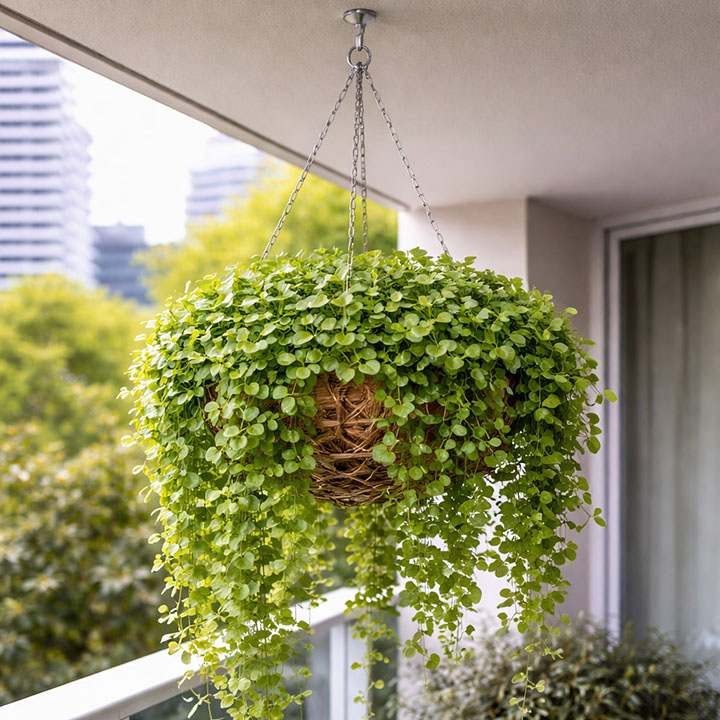
- Hanging baskets and railing planters are the quickest to dry out.
Balcony position matters too. A sheltered south-facing balcony in Melbourne may need far less water than a west-facing concrete balcony in Perth or Adelaide. Observe your own space and adjust accordingly.
How to reduce water loss on a balcony
The easiest way to improve watering success is to slow down how quickly your pots dry out.
- Use premium potting mix that holds moisture well but still drains freely.
- Add mulch to the surface of pots to reduce evaporation.
- Group plants together to create a slightly more humid microclimate.
- Move thirstier plants out of strong wind where possible.
- Use saucers carefully for short-term capture of water in hot weather, but do not leave most plants sitting in stagnant water.
- Install drip irrigation or self-watering pots if you have many containers or travel often.
Australian local advice for small-space and potted gardening specifically recommends solutions such as self-watering pots, drip systems, and protecting pots from drying winds.
How to water different types of balcony plants
Herbs
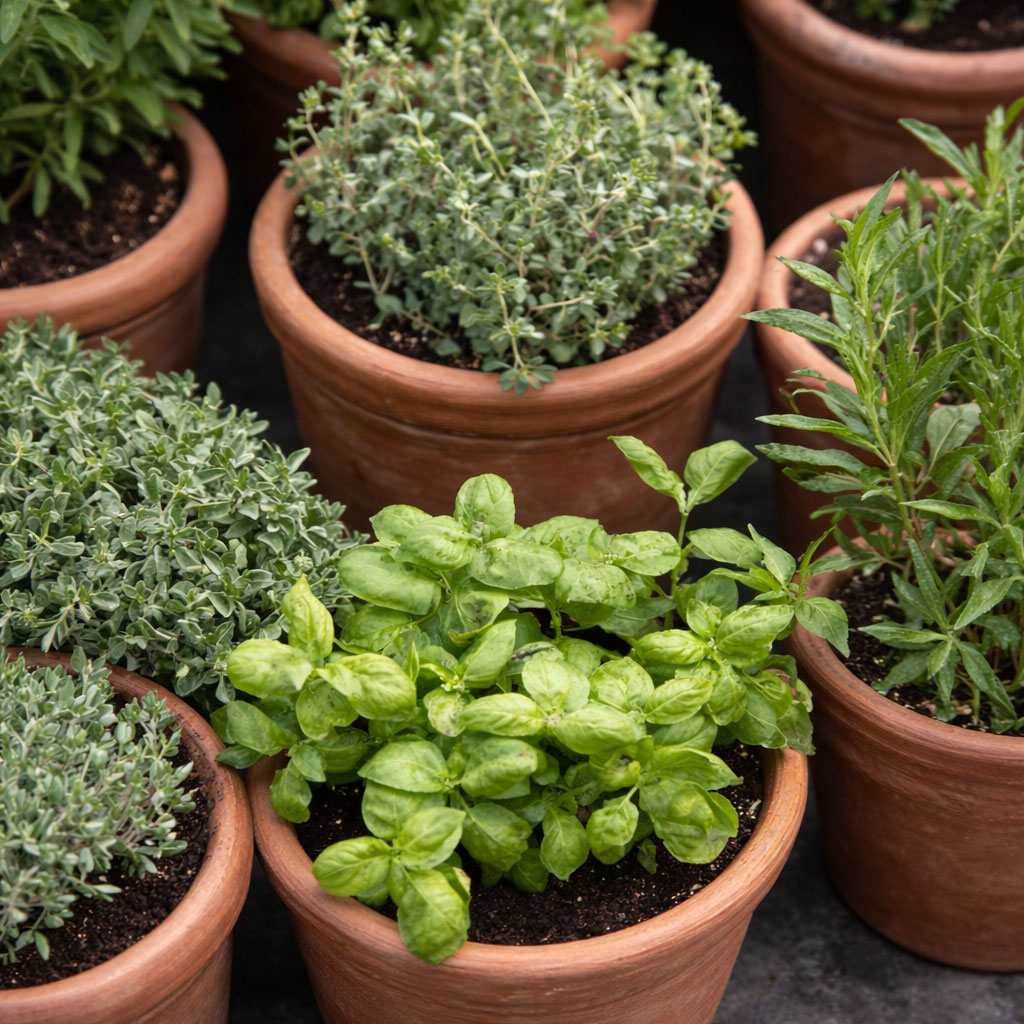
Soft herbs like basil, coriander and parsley prefer more consistent moisture than woody herbs. Rosemary and thyme are far more forgiving once established and can suffer if constantly wet.
Vegetables
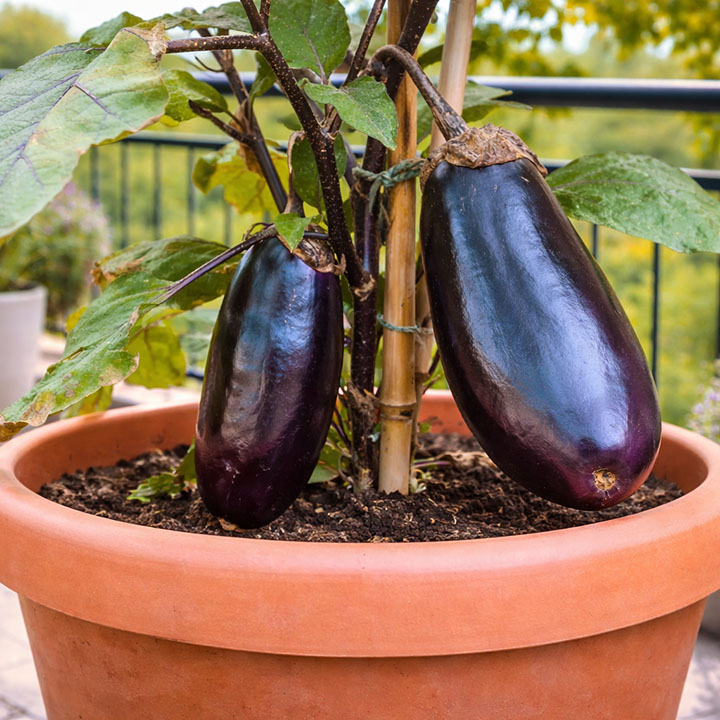
Tomatoes, cucumbers, chillies, lettuce and strawberries are usually among the thirstiest balcony plants. Irregular watering can lead to split fruit, bitter leaves, blossom-end issues and reduced harvests. Keep moisture as even as possible.
Flowering annuals
Petunias, calibrachoa, pansies and other flowering balcony favourites often need regular watering, especially in hanging baskets and railing planters. When they dry out too often, flowering usually drops.
Succulents and cacti
These need far less frequent watering and are much more likely to suffer from overwatering than underwatering. Let the mix dry properly between waterings.
Australian natives
Many natives are more drought-tolerant once established, but even tough natives in pots still need regular monitoring while young and in hot weather. Some official advice warns that overwatering can discourage deep root development, so aim for proper soakings rather than constant fussing.
Common balcony watering mistakes
- Watering every day automatically without checking the soil first
- Giving only a light sprinkle instead of soaking the whole pot
- Using pots with poor drainage
- Ignoring wind, which can dry plants faster than heat alone
- Using tiny pots for thirsty plants
- Letting pots become bone dry repeatedly
- Keeping plants permanently wet in winter
If your balcony plants struggle despite regular watering, the problem may not be the amount of water but the pattern. Consistent deep watering, good drainage, and matching the plant to the location usually solve more problems than watering more often.
Watering balcony plants while you are away
If you are away for a weekend or longer, plan ahead. Move pots into a slightly shadier, more sheltered position, group them together, mulch the surface, and water deeply before leaving. Self-watering pots, capillary systems, drip irrigation kits and watering spikes can all help. For very exposed balconies in summer, asking a neighbour or friend to check your plants is often the safest option.
Final thoughts
The secret to watering balcony plants well is not a perfect timetable. It is observation. Australian balconies vary enormously between cities, seasons and even apartment levels. Learn how quickly your own containers dry, water deeply when needed, and adjust as the weather changes. Once you understand that rhythm, watering becomes much easier and your balcony garden will look healthier, flower better, and produce more.
FAQ: How to Water Balcony Plants
How often should I water balcony plants in Australia?
It depends on the season, city, plant type, pot size and balcony exposure. In summer, some pots may need checking every day. In winter, many need far less frequent watering. Always check the potting mix first instead of watering to a fixed schedule.
Is morning or evening better for watering balcony plants?
Morning is usually best because it gives plants moisture before the day heats up and reduces evaporation losses. Evening can still help during very hot weather, but avoid leaving foliage wet for long periods if disease is a concern.
Can I overwater plants in pots?
Yes. Overwatering is very common in containers, especially in winter or on shaded balconies. Wet soil that stays soggy can damage roots and cause yellowing, drooping and poor growth.
Do balcony plants need water every day in summer?
Some do, especially herbs, vegetables, annual flowers, hanging baskets and small pots in full sun or wind. Others may last longer. Hot and windy weather can make daily watering necessary for some containers.
What is the best pot for reducing watering?
Larger pots generally reduce watering frequency because they hold more potting mix and moisture. Plastic, glazed and self-watering pots usually stay moist longer than terracotta.
Should water come out of the bottom of the pot?
Usually yes. When water drains from the bottom, it is a good sign that the whole root ball has been moistened. Just do not leave most plants sitting in water for extended periods.
How do I know if my plant is underwatered or overwatered?
Check the soil. If it is dry well below the surface, the plant likely needs water. If it is wet and the plant still looks limp or yellow, overwatering or drainage problems may be the issue.
Are self-watering pots good for balconies?
Yes, especially on hot, windy balconies or if you grow lots of herbs, vegetables or flowering plants. Australian local guidance for small-space gardens specifically recommends self-watering pots and drip systems as practical solutions.

Comments are closed.