
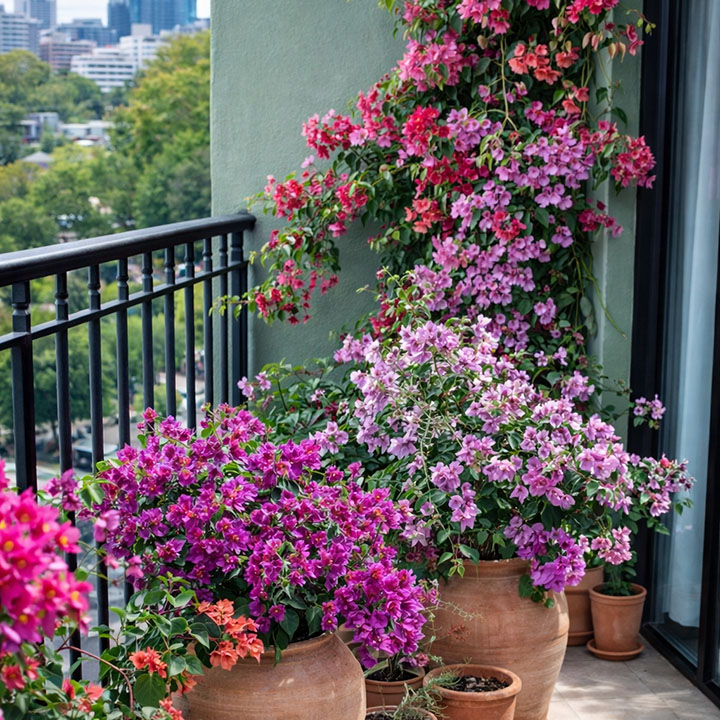
Growing plants in pots is one of the easiest ways to create a beautiful balcony, courtyard, patio, or small outdoor garden. Whether you live in a Melbourne apartment, a sunny Brisbane unit, a windy Sydney balcony, or a dry Perth courtyard, container gardening gives you flexibility that in-ground gardening often can’t match. You can move plants to follow the sun, protect them from harsh weather, improve drainage, and grow a wide range of flowers, herbs, shrubs, vegetables, and even small fruit trees in a limited space.
In Australia, pot gardening is especially useful because our climate varies so much from city to city. The best potted plants for Hobart are not always the same as the best choices for Darwin or Adelaide. Heat, humidity, frost, wind, and sun exposure all affect how well a plant performs in a container. The good news is that many plants actually thrive in pots when they have the right soil, container size, watering routine, and position.
This guide covers the best plants that grow well in pots in Australia, including flowering plants, edible plants, hardy foliage plants, and compact shrubs. It also explains which plants suit different Australian cities and weather conditions, along with practical tips for choosing the right pots and keeping container plants healthy all year round.
Why Some Plants Do Better in Pots Than Others
Not every plant is suited to container life. The best potted plants usually have one or more of these qualities: compact roots, manageable growth, tolerance for regular watering and feeding, and the ability to thrive in controlled soil conditions. Plants that naturally stay smaller, respond well to pruning, or enjoy sharp drainage are often excellent container choices.
- Compact growth: Smaller plants are easier to manage and repot.
- Good container tolerance: Some species naturally adapt well to limited root space.
- Strong performance in premium potting mix: Pots give you control over soil quality.
- Suitability for sun or shade: Good potted plants match your space and exposure.
- Low to moderate maintenance: Reliable pot plants cope better with drying, feeding, and seasonal changes.
Benefits of Growing Plants in Pots
Pots are ideal for renters, apartment dwellers, and anyone gardening in small spaces. They also work well for people who want more control over design and plant placement. You can use pots to soften hard surfaces, create privacy, add height, grow herbs close to the kitchen, and bring colour to balconies and entrances.
- Great for balconies, patios, courtyards, and small gardens
- Easier to manage soil, drainage, and plant position
- Perfect for creating layered garden designs in tight spaces
- Helpful for protecting sensitive plants from extreme weather
- Allows you to grow edible plants even without a backyard
Best Plants That Grow Well in Pots
1. Herbs
Herbs are some of the best plants for pots because they stay compact, are useful in the kitchen, and perform very well in containers. Basil, parsley, thyme, mint, oregano, chives, rosemary, and coriander are all popular options. Most herbs like good drainage and plenty of sun, although some appreciate afternoon protection in hotter Australian cities.
- Best for: Balconies, sunny windows, kitchen-adjacent outdoor spaces
- Sun: Full sun to part sun depending on the herb
- Top tip: Grow mint in its own pot because it spreads aggressively
2. Lavender
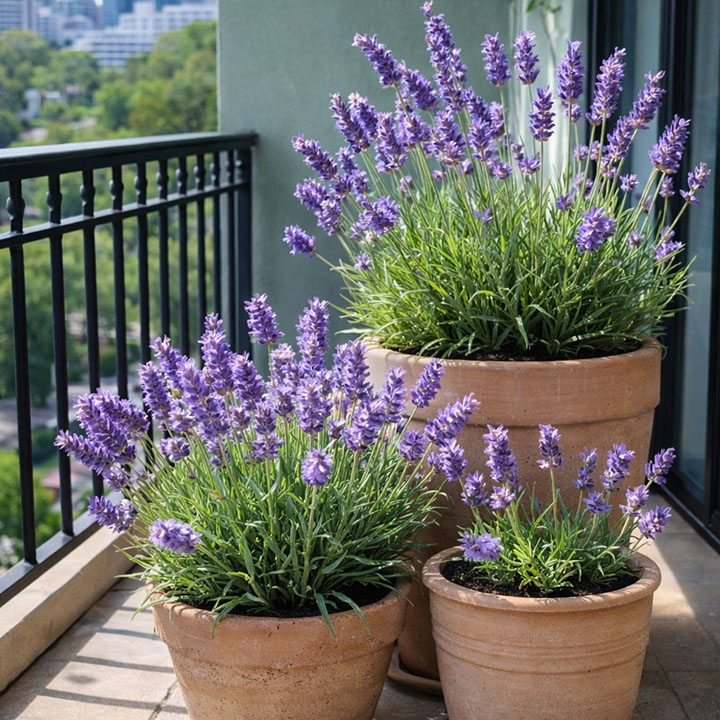
Lavender is excellent in pots, especially in sunny Australian climates. It likes sharp drainage, dryish conditions once established, and good airflow. The silvery foliage and purple flowers make it both ornamental and practical, attracting pollinators while tolerating pot life well.
- Best for: Sunny balconies, courtyards, Mediterranean-style pots
- Sun: Full sun
- Top tip: Avoid overwatering and use free-draining potting mix
3. Geraniums and Pelargoniums
Geraniums and pelargoniums are classic pot plants in Australia because they flower for long periods, tolerate heat well, and add strong colour to balconies and patios. They handle bright sun better than many flowering plants and are ideal for people who want reliable blooms without constant fuss.
- Best for: Colourful balcony pots and railing planters
- Sun: Full sun to part sun
- Top tip: Remove spent flowers regularly to encourage more blooms
4. Succulents
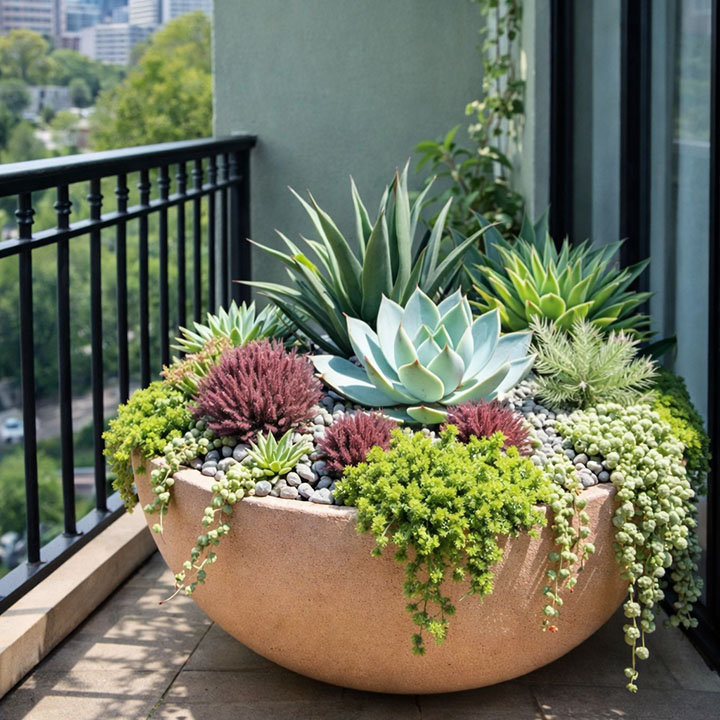
Succulents are perfect for pots because they naturally suit confined spaces and don’t need frequent watering. Echeveria, jade plant, sedum, aloe, and many trailing succulents thrive in containers, especially on sunny balconies. They are ideal for beginners and for gardeners in drier parts of Australia.
- Best for: Hot, sunny, low-maintenance spaces
- Sun: Bright light to full sun depending on variety
- Top tip: Use cactus or succulent mix and never let pots stay waterlogged
5. Peace Lily
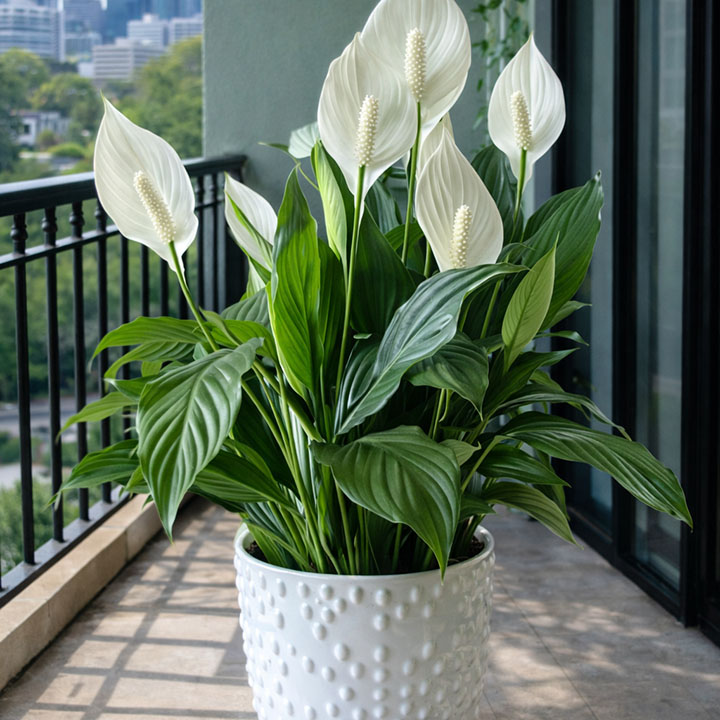
For shaded balconies or protected outdoor corners, peace lilies are excellent potted plants. They have glossy foliage, elegant white flowers, and a lush tropical look that suits modern container gardens. They prefer filtered light or shade rather than direct sun.
- Best for: Shady balconies and protected patios
- Sun: Shade to bright indirect light
- Top tip: Keep the soil lightly moist and protect from harsh afternoon sun
6. Citrus Trees
Dwarf citrus trees such as lemon, lime, kumquat, and mandarin are some of the best larger plants for pots in Australia. They look attractive year-round, have fragrant flowers, and can be surprisingly productive in containers. They do need sun, regular feeding, and a reasonably large pot, but they reward the effort.
- Best for: Sunny balconies, patios, edible container gardens
- Sun: Full sun
- Top tip: Use a large pot with excellent drainage and feed with citrus fertiliser
7. Snake Plant
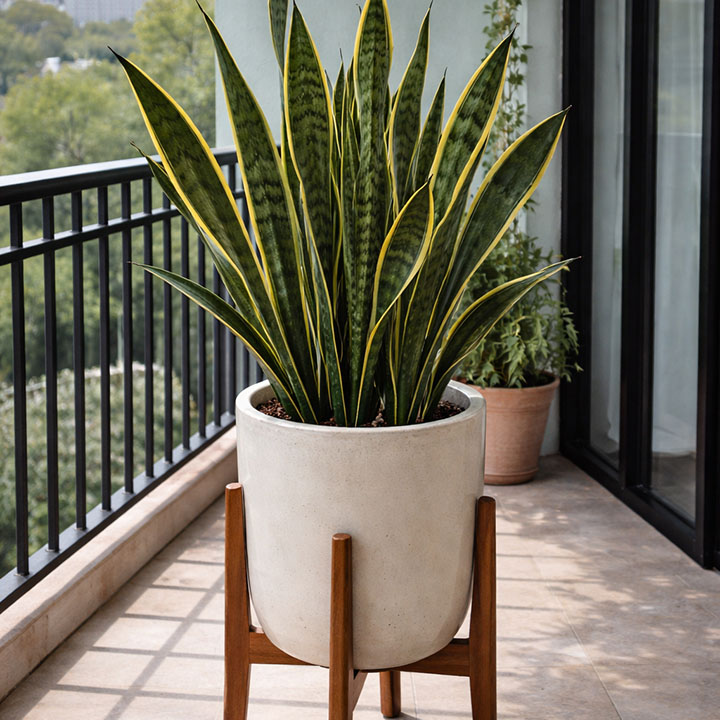
Snake plant is one of the toughest plants for pots, especially in sheltered areas. It tolerates neglect, low water, and lower light levels better than most other choices. It works well on covered balconies, apartment entrances, and modern outdoor spaces with a minimalist style.
- Best for: Low-maintenance container styling
- Sun: Bright indirect light to part shade
- Top tip: Let the potting mix dry between waterings
8. Camellias
Camellias grow very well in pots and are especially valuable in cooler or milder parts of Australia. Their glossy foliage and winter-to-spring flowers make them ideal feature plants for patios and balconies. They prefer slightly acidic potting mix and protection from intense afternoon heat.
- Best for: Cool to mild climates, elegant feature pots
- Sun: Morning sun to part shade
- Top tip: Keep roots cool and don’t allow the pot to dry out completely
9. Blueberries
Blueberries are excellent edible plants for pots if you can provide acidic soil. They stay compact, look attractive, and produce fruit in suitable climates. They are particularly good for Australian gardeners in cooler or mild cities, and many varieties are well suited to container growing.
- Best for: Edible container gardens in mild and cooler climates
- Sun: Full sun to part sun
- Top tip: Use an acidic mix designed for blueberries or azaleas
10. Ferns
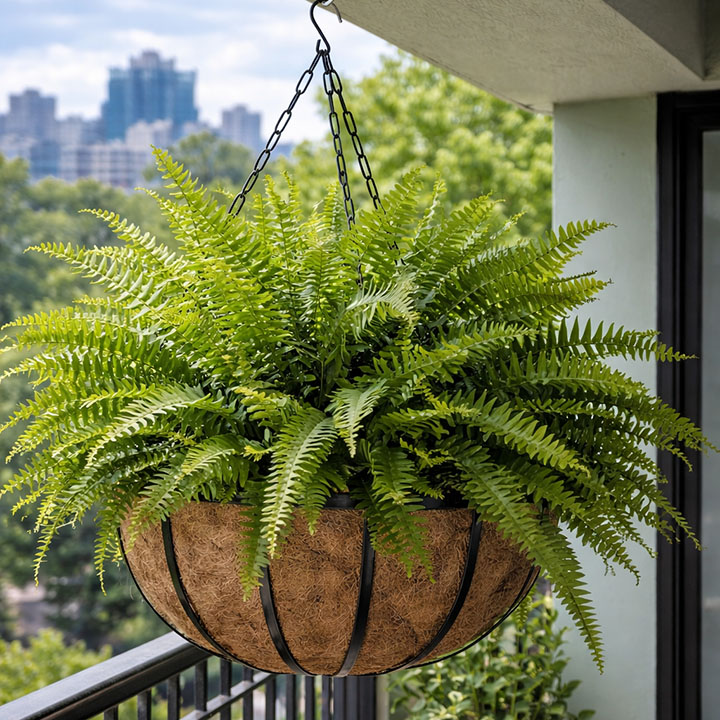
Ferns are ideal for shaded pots and hanging baskets. Boston fern and maidenhair fern are popular choices for creating a lush, layered look in balconies and courtyards. They are especially useful in Australian cities where a balcony gets filtered light rather than all-day direct sun.
- Best for: Shady, humid, or sheltered spots
- Sun: Shade to bright indirect light
- Top tip: Keep moisture consistent and protect from drying winds
11. Rosemary
Rosemary deserves its own mention because it is one of the toughest and most useful potted plants in Australia. It handles sun, wind, and dry conditions better than many herbs and can be clipped into a tidy shape. It is ideal for balconies where other softer herbs may struggle.
- Best for: Sunny, exposed pots and edible gardens
- Sun: Full sun
- Top tip: Don’t overwater and make sure drainage is excellent
12. Petunias and Other Annual Flowers
Petunias, calibrachoa, pansies, violas, marigolds, and alyssum all grow well in pots and window boxes. They are ideal for adding seasonal colour and are a great option if you like changing your display through the year. In cooler months, pansies and violas are popular, while petunias and marigolds are strong warm-season choices.
- Best for: Seasonal colour, hanging baskets, railing planters
- Sun: Usually full sun to part sun
- Top tip: Feed regularly for stronger flowering
13. Olive Trees
Dwarf or compact olive trees are very good in large pots, especially in warm, dry climates. They bring a Mediterranean look to balconies and courtyards and can handle bright sun well. They prefer excellent drainage and don’t like to sit in soggy potting mix.
- Best for: Sunny patios, dry climates, architectural pots
- Sun: Full sun
- Top tip: Use a large, heavy pot for stability in windy areas
14. Native Grasses and Australian Natives
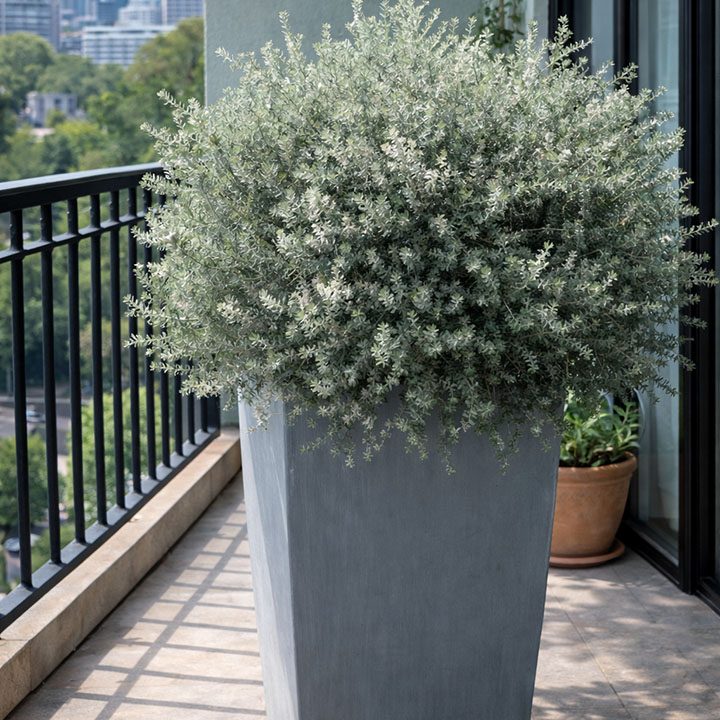
Many Australian native plants do well in pots, especially compact grevilleas, lomandra, dwarf bottlebrush, westringia, and native grasses. They are often hardy, attract birds and pollinators, and cope well with Australian weather once established. Natives are a smart choice for gardeners who want resilient plants with lower water needs.
- Best for: Tough, climate-appropriate pot gardens
- Sun: Usually full sun to part sun
- Top tip: Choose compact varieties that are specifically suited to containers
15. Chillies and Compact Vegetables
Chillies, cherry tomatoes, lettuce, spinach, dwarf beans, and spring onions can all grow well in pots. Some of the best potted edible plants are actually vegetables that thrive in warm Australian weather and don’t need much room. They are especially useful for sunny balconies where you want both beauty and harvest.
- Best for: Productive edible balconies and small-space gardeners
- Sun: Full sun for most fruiting vegetables, part sun for some leafy greens
- Top tip: Use fresh premium potting mix each season for the best results
Best Potted Plants by Australian City and Climate
Sydney
Sydney’s mild climate makes it one of the easiest places in Australia for growing plants in pots. Citrus, herbs, geraniums, lavender, blueberries, succulents, camellias, and native shrubs can all do well depending on your balcony’s exposure. Coastal balconies may need wind-tolerant plants, while west-facing balconies may need afternoon heat protection.
Melbourne
Melbourne’s changeable weather means potted plants need to handle cool changes, wind, and seasonal variation. Camellias, herbs, blueberries, geraniums, violas, compact citrus, ferns, and tough natives are all strong options. A sheltered balcony is especially helpful for softer flowering plants.
Brisbane
Brisbane’s warm, humid conditions suit tropical-looking foliage plants, citrus, chillies, herbs, succulents, peace lilies, and hanging plants. The biggest challenge is strong summer sun and moisture loss, so container plants often benefit from mulch, larger pots, and consistent watering.
Perth
Perth’s hot, dry summers suit lavender, rosemary, succulents, olives, geraniums, citrus, and many Australian natives. The main issues are drying winds and heat stress, so plants in smaller pots may dry quickly. Glazed pots or self-watering containers can help.
Adelaide
Adelaide gardeners can grow a wide range of potted plants, including herbs, olives, lavender, geraniums, citrus, rosemary, and seasonal flowers. Like Perth, summer heat can be harsh, so choose plants that cope well with sun and dry conditions or position softer plants where they get some afternoon shade.
Canberra
Canberra’s colder winters make frost tolerance more important. Camellias, blueberries, herbs, violas, pansies, ferns, and some natives are good options. Citrus can still be grown in pots, but they usually need a warm, protected spot and sometimes winter protection.
Hobart
Hobart’s cooler climate suits camellias, blueberries, herbs, ferns, pansies, violas, and many cool-climate shrubs. Sunny sheltered balconies can still grow some edibles and even citrus, but warmth and light become more important than in northern cities.
Darwin and Tropical North
In tropical parts of Australia, container gardens often do best with humidity-loving foliage plants, tropical edibles, peace lilies, hanging plants, gingers, and some herbs. Heat, intense rain, and humidity make good airflow and drainage especially important.
How to Choose the Right Pot Plant for Your Space
Before you buy plants, look closely at your space. The same balcony can have one hot full-sun corner, one shady protected wall, and one windy exposed section. Match your plant choice to the actual conditions rather than just what looks good in a nursery display.
- For full sun: Lavender, rosemary, citrus, olives, succulents, geraniums
- For part sun: Herbs, blueberries, annual flowers, camellias
- For shade: Peace lilies, ferns, snake plants, leafy tropicals
- For windy balconies: Rosemary, succulents, natives, sturdy shrubs
- For edible gardening: Herbs, citrus, blueberries, chillies, leafy greens
Best Pot Types for Healthy Plants
The pot matters almost as much as the plant. Small pots dry out quickly, while oversized pots can stay wet for too long if drainage is poor. Terracotta is attractive and breathable but dries faster. Plastic and glazed pots hold moisture longer, which can be useful in hot climates.
- Terracotta: Great for herbs, lavender, rosemary, and succulents
- Plastic or resin: Lighter and better at holding moisture
- Glazed pots: Good for decorative displays and warmer climates
- Large tubs: Best for citrus, olives, shrubs, and feature plants
- Hanging baskets: Ideal for trailing flowers, herbs, and ferns
Whatever style you choose, make sure the pot has proper drainage holes. Most pot plant failures come from either drying out too quickly or staying too wet for too long.
Potting Mix, Watering, and Feeding Tips
Good potting mix is essential. Use a premium-quality mix suited to the type of plant you’re growing. Container plants depend entirely on the soil and nutrients you provide, so they need more attention than plants growing in the ground.
- Use premium potting mix rather than garden soil
- Choose specialised mixes for orchids, succulents, or acid-loving plants when needed
- Water deeply rather than lightly splashing the surface
- Feed regularly during active growth
- Check pots more often during heatwaves, especially on balconies
- Add mulch to larger pots to reduce evaporation
Common Mistakes When Growing Plants in Pots
- Using pots that are too small
- Choosing plants that don’t suit the light conditions
- Overwatering plants that prefer dry feet
- Underwatering thirsty plants in hot weather
- Using poor-quality potting mix
- Ignoring wind exposure on balconies
- Forgetting to feed long-term container plants
- Letting roots become badly pot-bound without repotting
Easy Pot Plant Combinations for Australian Homes
Sunny Mediterranean Look
Combine lavender, rosemary, geraniums, and a dwarf olive in terracotta pots for a classic sun-loving display.
Edible Balcony Garden
Mix herbs, strawberries, chillies, cherry tomatoes, and a dwarf lemon tree for a practical and productive setup.
Shady Green Retreat
Use ferns, peace lilies, snake plants, and trailing greenery for a calm, lush balcony or patio corner.
Native Australian Pot Garden
Choose compact grevillea, lomandra, westringia, and native grasses for a hardy, low-water container display.
Final Thoughts
The best plants that grow well in pots in Australia are the ones that match your local climate, the size of your space, and the light conditions you actually have. For many gardeners, herbs, lavender, geraniums, succulents, ferns, camellias, citrus, natives, and compact edibles are some of the strongest choices because they combine beauty, reliability, and good container performance.
Whether you’re gardening on a tiny apartment balcony in Melbourne, a sunny patio in Perth, a humid Brisbane courtyard, or a sheltered Sydney terrace, container gardening makes it possible to create a thriving outdoor space without needing a big backyard. Start with a few plants that suit your conditions, use quality potting mix, water consistently, and build your potted garden over time. The results can be just as beautiful and rewarding as a traditional garden, and often even more flexible.

Comments are closed.