
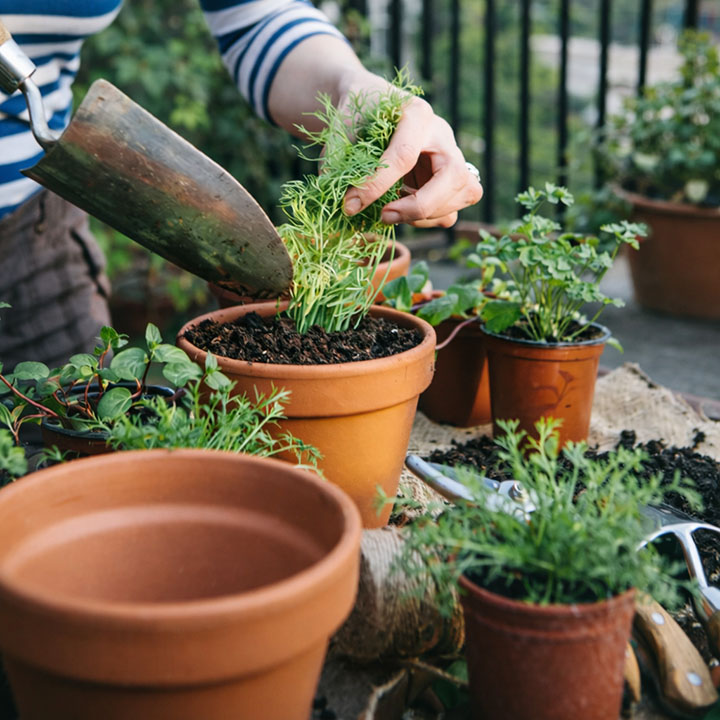
Growing herbs on a balcony is one of the easiest and most rewarding ways to start gardening in Australia. Herbs are compact, productive, fragrant, and useful in everyday cooking. Even a small apartment balcony can produce a steady supply of fresh basil, mint, parsley, chives, coriander, thyme, oregano, and more when the right herbs are matched to your local climate, sunlight, and pot size.
Australia’s weather varies widely from city to city, so the best herbs for a balcony in Melbourne may not be exactly the same as the best herbs for a balcony in Brisbane, Perth, Sydney, Adelaide, Hobart, Canberra, or Darwin. Some herbs thrive in heat and sun, while others bolt quickly in warm weather or struggle in strong afternoon exposure. The key is choosing herbs that suit your conditions and placing them in pots that stay healthy through wind, summer heat, and changing seasons.
In this guide, you’ll find the best herbs for Australian balcony gardens, how to choose herbs for different cities and weather patterns, and practical growing tips for getting a productive herb garden in pots, railing planters, or vertical balcony setups.
Why herbs are perfect for balcony gardens
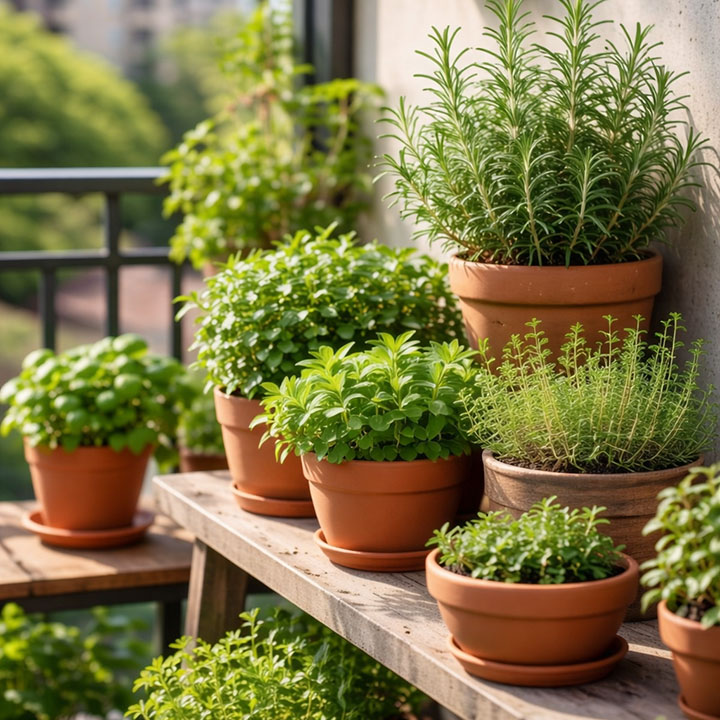
Herbs are ideal for balcony growing because they fit small spaces and generally perform well in containers. Many herbs also recover well from frequent harvesting, which means you can snip what you need for cooking and keep the plant productive for longer. Compared with larger vegetables, herbs are usually faster, simpler, and less demanding.
- They grow well in pots, troughs, railing planters, and window boxes.
- Many herbs suit sunny balconies and warm Australian conditions.
- They make the most of limited space and can be grown close to the kitchen.
- Most are beginner-friendly and relatively low maintenance.
- Fresh herbs save money and improve everyday meals.
What makes a herb good for an Australian balcony?
The best balcony herbs share a few important traits. They can handle life in containers, tolerate drying winds better than delicate leafy crops, and produce plenty from a relatively small root zone. Still, not every herb likes the same conditions. Before planting, think about your balcony’s sunlight, exposure, and your city’s weather.
- Sunlight: Most herbs prefer at least 4 to 6 hours of sun, though some appreciate protection from harsh afternoon heat.
- Wind: Balconies can be windy. Choose sturdier herbs or group pots together for shelter.
- Heat: Summer balconies can become much hotter than a backyard garden, especially on west-facing apartments.
- Watering: Pots dry out faster than garden beds, so herbs that cope with container life are the easiest choice.
- Seasonality: Some herbs love warm weather, while others prefer the cooler months.
The best herbs for balcony gardens in Australia
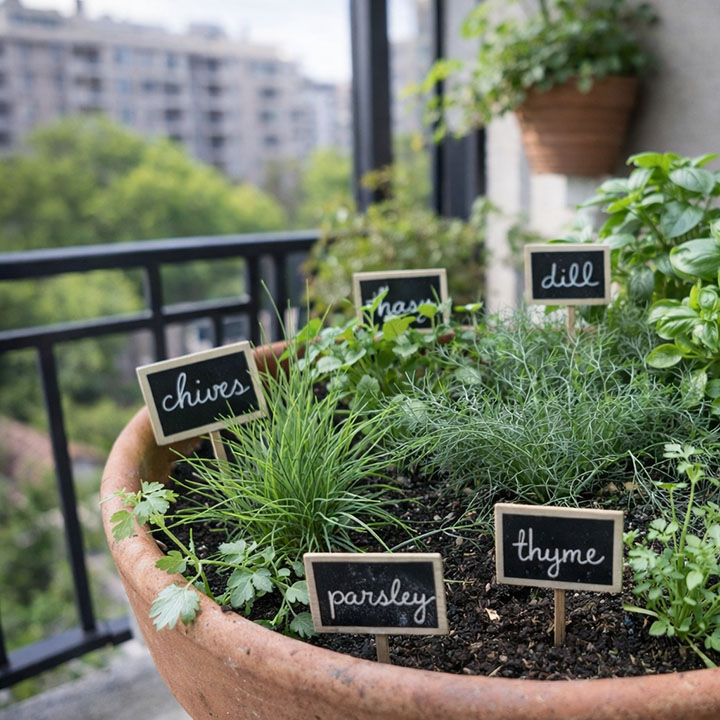
These herbs are among the best choices for Australian balconies because they are useful, productive, and adaptable to container growing.
1. Basil
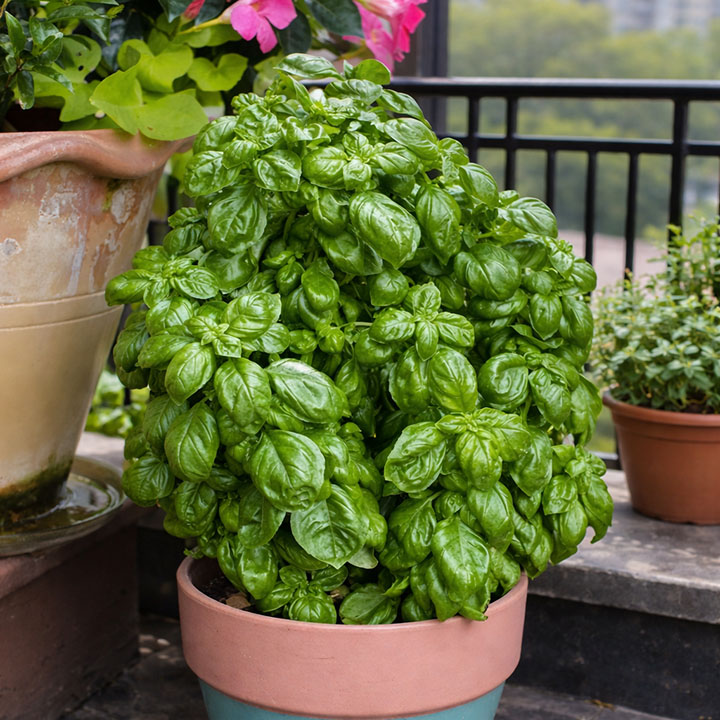
Basil is one of the best herbs for warm-season balcony gardens. It grows quickly in spring and summer, loves warmth, and is perfect for pots near outdoor dining areas or kitchen doors. Sweet basil is the most popular type, but Thai basil and purple basil also do well in containers.
- Best for: Spring to early autumn in warm and mild climates
- Sun: 5 to 6+ hours, ideally with some protection from extreme late-afternoon heat
- Water: Regular moisture, but don’t let the pot stay soggy
- Tip: Pinch out flower buds to keep plants leafy and productive
Basil performs especially well on balconies in Sydney, Brisbane, Perth, and Adelaide during the warmer months. In Melbourne and Hobart, it still grows beautifully but should be planted after the weather settles and nights are no longer cold.
2. Mint
Mint is one of the easiest herbs to grow on a balcony, and it is ideal for containers because it tends to spread aggressively in garden beds. On a balcony, that vigorous growth becomes an advantage. Mint likes regular watering and can cope with part sun better than many Mediterranean herbs.
- Best for: Cool to mild conditions, but adaptable in many climates
- Sun: Morning sun or part shade is ideal in hot areas
- Water: Likes consistently moist soil
- Tip: Keep mint in its own pot so it doesn’t crowd other herbs
Mint is particularly useful for balconies in Melbourne, Sydney, Canberra, and Hobart, and can also do well in Brisbane or Perth if protected from intense afternoon sun.
3. Parsley
Parsley is one of the most practical herbs for everyday cooking and a great all-round choice for Australian balconies. Both flat-leaf parsley and curly parsley grow well in pots. It prefers cooler to mild conditions but can be grown for much of the year in many cities.
- Best for: Year-round in mild climates, autumn to spring in hotter areas
- Sun: Full sun to part shade
- Water: Even moisture helps it stay lush
- Tip: Harvest outer stems first and allow the centre to keep growing
Parsley is reliable in Melbourne, Sydney, Adelaide, Canberra, and Hobart, and is often easier to grow in the cooler months in Brisbane and Darwin.
4. Chives
Chives are compact, attractive, and extremely balcony-friendly. They form clumps rather than sprawling, making them perfect for small pots and mixed herb containers. Their upright growth also suits narrow balconies where floor space is limited.
- Best for: Mild and cool conditions, though adaptable
- Sun: Full sun to light shade
- Water: Moderate, with good drainage
- Tip: Cut leaves low and often to encourage fresh regrowth
Chives are an excellent choice for balcony gardeners in Melbourne, Hobart, Canberra, and Sydney, and can also be grown through the cooler months in warmer cities.
5. Coriander
Coriander is popular but can be short-lived in warm weather. On an Australian balcony, it grows best during the cooler months or in positions with morning sun and afternoon protection. It is worth growing for the leaves and seeds, but timing matters.
- Best for: Autumn, winter, and spring in many Australian climates
- Sun: Full sun in cool weather, part shade in warmer weather
- Water: Regular watering helps slow bolting
- Tip: Sow little and often rather than planting one big batch
Coriander is usually easiest on balconies in Melbourne, Canberra, Hobart, and Adelaide outside high summer. In Brisbane, Perth, and Sydney, it is often best in autumn, winter, and early spring.
6. Thyme
Thyme is one of the best herbs for dry, sunny balconies. It stays compact, smells wonderful, and handles pot growing very well as long as drainage is excellent. This makes it ideal for exposed balconies and gardeners who prefer hardy, low-fuss herbs.
- Best for: Sunny, dry balconies
- Sun: Full sun
- Water: Light to moderate; let the top of the potting mix dry slightly between waterings
- Tip: Avoid overwatering, especially in cooler weather
Thyme is excellent for balconies in Perth, Adelaide, Sydney, and Melbourne, especially where there is strong sun and good airflow.
7. Oregano
Oregano is another strong performer for Australian balconies, particularly in sunny spots. It suits warm weather, thrives in containers, and tolerates drier conditions better than leafy soft herbs. It is one of the easiest herbs for beginners who have a hot balcony.
- Best for: Sunny balconies and warmer climates
- Sun: Full sun
- Water: Moderate to low once established
- Tip: Trim regularly to keep it bushy rather than leggy
Oregano is well suited to Sydney, Perth, Adelaide, Brisbane, and many sunny Melbourne balconies.
8. Rosemary
Rosemary is one of the toughest herbs you can grow on a balcony. It suits sunny, exposed conditions and copes well with dry air and windy positions once established. Because it can become woody and shrubby over time, it needs a larger pot than many other herbs, but it is a fantastic long-term balcony plant.
- Best for: Full sun balconies and drier climates
- Sun: Full sun
- Water: Moderate; avoid constantly wet soil
- Tip: Choose a pot with excellent drainage and don’t overwater in winter
Rosemary is especially useful on balconies in Adelaide, Perth, Sydney, and Melbourne, where it can handle bright light and variable weather well.
9. Sage
Sage is attractive, aromatic, and surprisingly ornamental for a balcony herb garden. It likes sun, good drainage, and slightly drier conditions than tender leafy herbs. Common sage is the most practical for cooking, but purple and variegated forms can also look great in decorative pots.
- Best for: Sunny, well-drained balconies
- Sun: Full sun
- Water: Moderate to low
- Tip: Replace older woody plants every few years if growth slows down
Sage is a strong choice for Melbourne, Adelaide, Perth, and Sydney, especially where balconies receive consistent light.
10. Lemongrass
Lemongrass can work brilliantly on a balcony in warmer parts of Australia if given a large pot, warmth, and regular water. It is bigger than most herbs, so it is better for larger balconies or corners where a bold edible plant is welcome.
- Best for: Warm, frost-free or mild climates
- Sun: Full sun
- Water: Regular watering in warm weather
- Tip: Use a large pot and feed during active growth
Lemongrass is best suited to balconies in Brisbane, Sydney, and warmer coastal areas, and can also be grown seasonally in Melbourne and Adelaide if protected from cold.
Best herbs by Australian city and climate
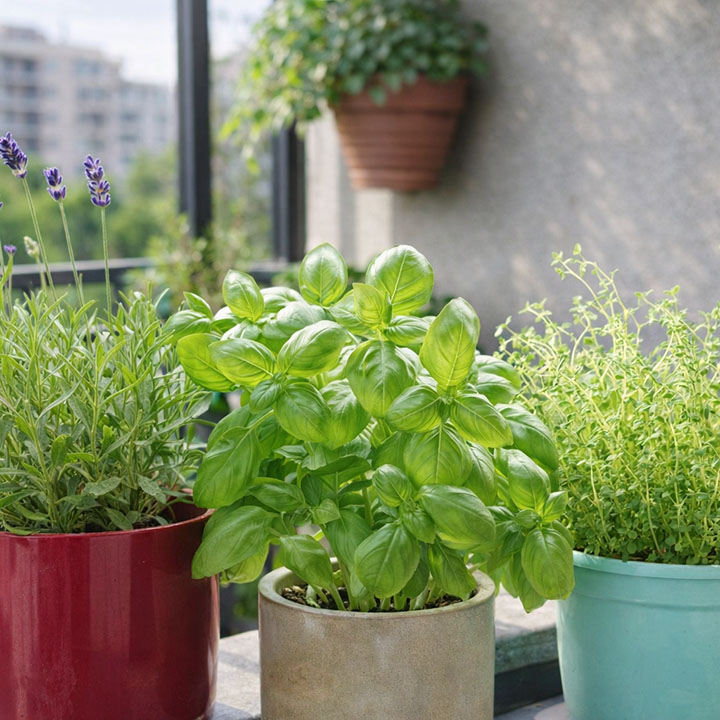
Australia does not have one single balcony gardening climate. Your city affects which herbs will thrive, when to plant them, and how much protection they need.
Melbourne
Melbourne’s weather can change quickly, with cool winters, warm summers, and occasional strong winds. Balcony gardeners do well with herbs that can handle seasonal variation. Parsley, mint, chives, thyme, oregano, rosemary, and sage all perform well. Basil is great in late spring and summer, while coriander is best outside the hottest part of the year.
Sydney
Sydney’s milder winters and warm, humid summers allow for a long herb-growing season. Basil, parsley, mint, thyme, rosemary, oregano, chives, and lemongrass all do well. Coriander usually performs better in the cooler months, while mint benefits from protection from hot western sun.
Brisbane
Brisbane’s warmth and humidity suit heat-loving herbs, but summer can be intense on exposed balconies. Basil, lemongrass, mint, oregano, and rosemary do well. Parsley and coriander are often easier in the cooler months. Morning sun with afternoon shade can be helpful for tender leafy herbs.
Perth
Perth balconies often deal with strong sun, heat, and drying conditions. Mediterranean herbs are the standouts here. Rosemary, thyme, oregano, and sage are among the best choices. Basil can also thrive with regular water, while mint is best kept in a position protected from intense afternoon heat.
Adelaide
Adelaide’s hot, dry summers make drought-tolerant herbs particularly useful. Thyme, oregano, rosemary, and sage are excellent. Basil grows well in warm weather with steady watering. Coriander and parsley are usually stronger in the cooler months.
Canberra
Canberra’s colder winters and frost risk mean timing matters more. Chives, parsley, mint, thyme, sage, and oregano can do well, but basil and lemongrass should be treated as warm-season plants. Portable pots make it easier to shift herbs into protected positions when cold weather hits.
Hobart
Hobart’s cooler conditions suit parsley, chives, mint, thyme, oregano, coriander, and sage. Basil can still be grown in the warmest part of the year on a sunny balcony, but it benefits from a sheltered microclimate.
Darwin
Darwin’s tropical conditions are very different from southern Australian cities. Heat, humidity, and heavy wet-season weather make herb choice important. Basil, mint, and lemongrass tend to be among the strongest performers. Some Mediterranean herbs may struggle if conditions stay too wet.
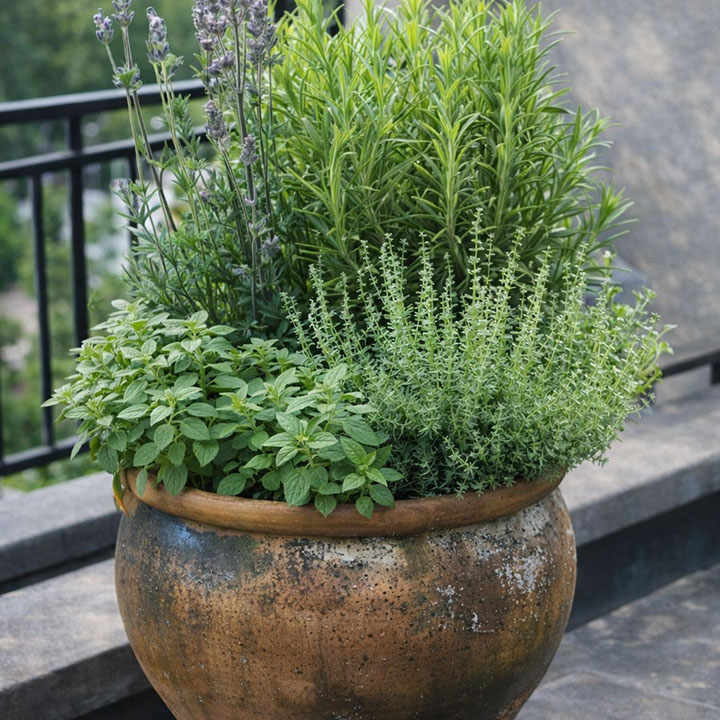
Best herbs for full sun balconies
If your balcony gets strong sun for most of the day, focus on herbs that naturally prefer bright, dry conditions.
- Rosemary
- Thyme
- Oregano
- Sage
- Basil
These herbs are usually the easiest choices for west-facing or north-facing balconies in Australia, provided watering and drainage are managed well.
Best herbs for part shade balconies
If your balcony only gets a few hours of direct sun or mostly morning light, choose herbs that tolerate gentler conditions.
- Mint
- Parsley
- Chives
- Coriander
These herbs are especially useful for apartment balconies that face east or are shaded by nearby buildings.
Best herbs for windy balconies
Wind can dry out pots quickly, snap soft stems, and make balconies harder to garden in. Sturdier herbs are usually the best choice for exposed sites.
- Rosemary
- Thyme
- Oregano
- Sage
- Chives
Mint, coriander, and basil can still be grown on windy balconies, but they often benefit from being placed behind railings, screens, or grouped with other pots for protection.
How to grow herbs successfully on a balcony
Choose the right pot size
Small seedlings may start in compact pots, but most herbs grow better in containers with enough room for roots and more stable moisture levels. As a general guide, individual herbs often do best in pots around 20 to 30 cm wide, while rosemary and lemongrass usually need something larger.
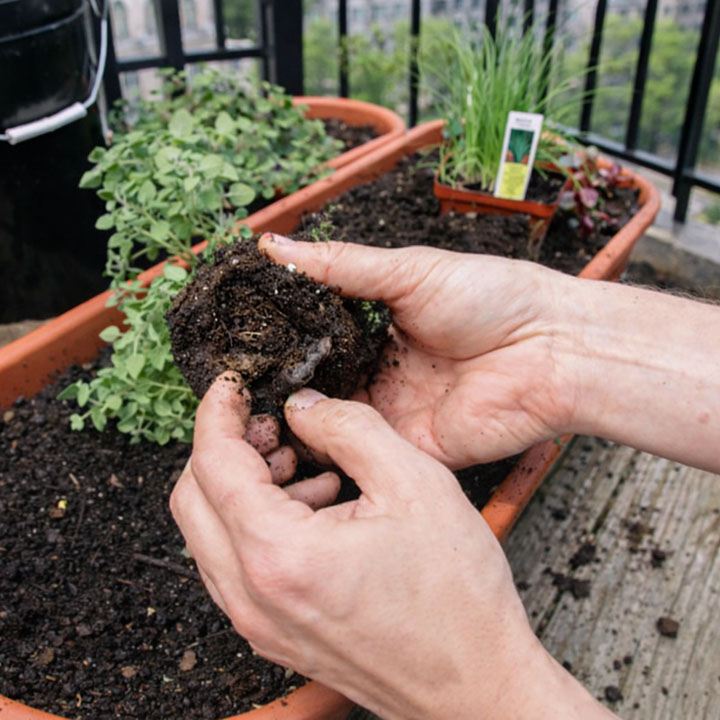
Use quality potting mix
Do not use garden soil in balcony pots. A premium potting mix made for containers gives better drainage, aeration, and moisture retention. For Mediterranean herbs like thyme, oregano, rosemary, and sage, excellent drainage is especially important.
Water to suit the herb, not by habit
One of the biggest mistakes in balcony gardening is treating every plant the same. Mint and parsley like more regular moisture. Rosemary and thyme prefer to dry slightly between waterings. Check the potting mix before watering rather than following a rigid schedule.
Harvest regularly
Frequent picking helps many herbs stay compact and productive. Snip little and often instead of stripping the whole plant. Removing flower buds from basil and trimming oregano or thyme encourages more leafy growth.
Feed lightly but consistently
Because pots are a limited environment, herbs benefit from occasional feeding during active growth. A light liquid fertiliser or suitable organic feed can help keep leafy herbs productive, especially in spring and summer.
Match planting season to your city
Australian balcony gardeners get better results when they work with the season rather than fighting it. Plant basil once temperatures are warm. Grow coriander in the cooler months. Use summer for sun lovers and winter for herbs that prefer milder conditions.
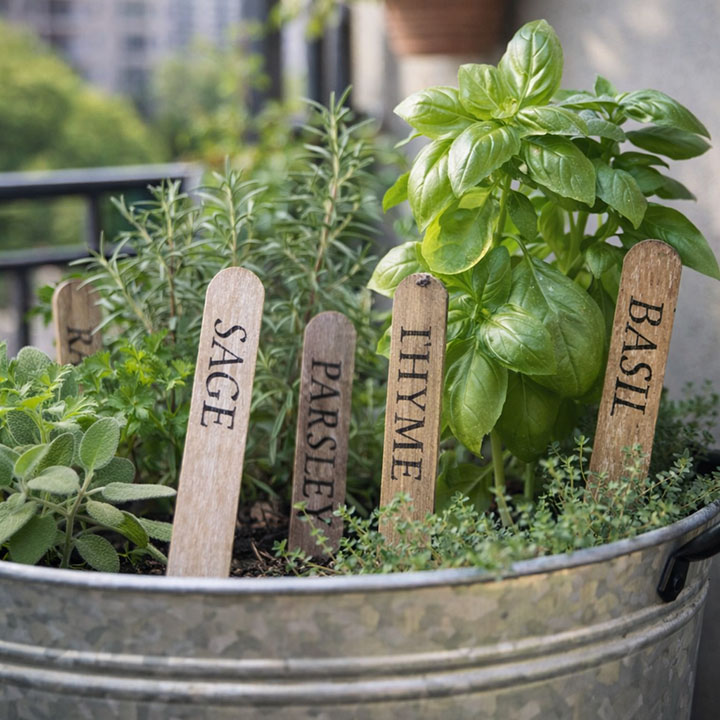
Best herb combinations for small balcony gardens
If you only have space for a few pots, group herbs with similar needs together.
Sunny Mediterranean mix
- Rosemary
- Thyme
- Oregano
- Sage
This is the best low-maintenance combination for hot, sunny balconies in cities like Perth, Adelaide, Sydney, and many parts of Melbourne.
Leafy kitchen herb mix
- Parsley
- Chives
- Mint
This combination is practical, productive, and suits balconies with gentler light or morning sun.
Warm-season flavour mix
- Basil
- Oregano
- Lemongrass
This mix works well in warmer months and suits balconies in Sydney, Brisbane, and other mild to warm locations.
Common mistakes when growing herbs on balconies
- Using pots that are too small and dry out too quickly
- Growing coriander or parsley in peak summer heat without protection
- Overwatering rosemary, thyme, or sage
- Planting mint with other herbs in the same pot
- Ignoring wind exposure on high balconies
- Letting basil flower too early
- Choosing herbs that do not suit your city’s season
Frequently asked questions
What are the easiest herbs to grow on a balcony in Australia?
Mint, parsley, chives, thyme, oregano, and rosemary are among the easiest herbs for Australian balcony gardens. The best option depends on your sunlight and city.
Which herbs grow best in full sun on a balcony?
Rosemary, thyme, oregano, sage, and basil are among the best herbs for full sun balconies, especially if pots have good drainage and are watered appropriately.
Which herbs are best for Melbourne balconies?
Parsley, mint, chives, thyme, oregano, rosemary, sage, basil in summer, and coriander in cooler months are all strong choices for Melbourne balcony gardens.
Can herbs grow on a shaded balcony?
Yes. Mint, parsley, chives, and coriander can handle part shade better than sun-loving herbs like rosemary and thyme. Even so, most herbs still need some direct light to grow well.
Should I grow herbs from seed or seedlings?
Seedlings are usually easier and faster for beginners. Seeds can be good for herbs like coriander and basil if you want to sow successively through the season.
How often should I water balcony herbs?
It depends on the herb, pot size, weather, and balcony exposure. Check the potting mix regularly. Mint and parsley usually need more frequent watering than rosemary, thyme, and sage.
Final thoughts
The best herbs for balcony gardens in Australia are the ones that suit your light, weather, and lifestyle. If your balcony gets strong sun and dries out quickly, rosemary, thyme, oregano, and sage are among the strongest choices. If your space gets gentler light or you want soft leafy herbs for everyday cooking, parsley, mint, chives, and coriander are excellent options. Basil remains one of the best summer herbs almost everywhere when planted at the right time.
For most Australian balcony gardeners, the smartest approach is to start with a few reliable herbs rather than trying to grow everything at once. A small collection of well-chosen pots can give you fresh flavour for months and turn even a compact balcony into a productive, beautiful edible garden.

Comments are closed.