
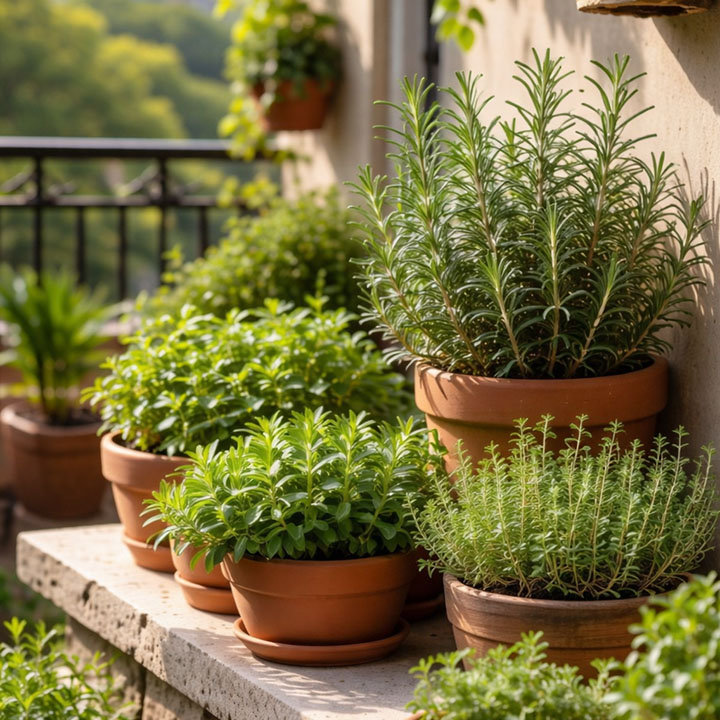
Starting a balcony garden is one of the best ways to bring greenery, colour, and fresh produce into a small Australian home. Whether you live in a compact apartment in Melbourne, a sunny unit in Brisbane, a coastal balcony in Sydney, or a hot exposed space in Perth or Adelaide, a balcony garden can turn even a small outdoor area into a productive and beautiful retreat.
The key to success is not having a huge space. It is understanding your balcony conditions and choosing plants, pots, and layouts that suit your climate, sunlight, and lifestyle. In Australia, balcony gardens need to cope with everything from strong summer sun and drying winds to cool southern winters, humidity, storms, and changing seasonal patterns. Once you match your plants to your space, balcony gardening becomes much easier.
This guide explains how to start a balcony garden in Australia step by step, including what to grow, how to assess your sunlight, how to choose containers, how to water properly, and how to adapt your planting to Australian cities and weather.
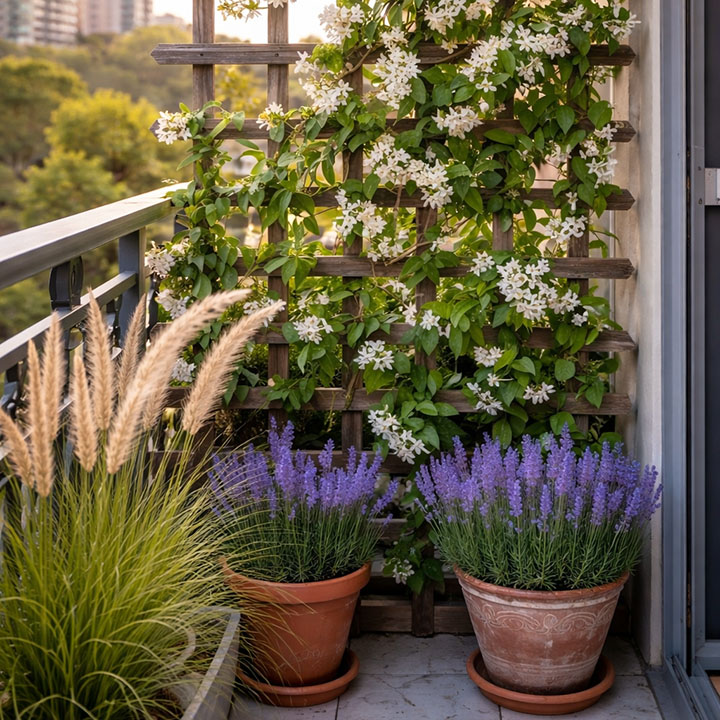
Why balcony gardening works so well in Australia
Australia is well suited to balcony gardening because many parts of the country have long growing seasons and plenty of light. Even small balconies can support herbs, flowers, compact vegetables, climbing plants, and screening greenery when planned carefully. With the right setup, a balcony can become an outdoor room as well as a garden.
- Balcony gardens make use of limited urban space.
- Containers allow you to control soil, drainage, and plant placement.
- You can grow herbs, flowers, edible plants, and ornamental foliage in a small area.
- Pots can be moved to follow sun, avoid bad weather, or protect plants from heat and wind.
- Even renters can create a productive garden without altering the property permanently.
Step 1: Understand your balcony conditions
Before buying any plants, spend a few days observing your balcony. This is one of the most important steps and often the difference between success and frustration. A balcony may look bright, but the real questions are how many hours of direct sun it gets, whether it is windy, how hot the surfaces become, and whether nearby buildings block light.
Check your sunlight
Most balcony plants are grouped into full sun, part shade, or shade preferences. Full sun usually means around 6 hours or more of direct light. Part shade usually means a few hours of direct light or bright indirect light. Shade means very little direct sun, though many shade-tolerant plants still need bright conditions.
- North-facing balconies: Usually receive the most consistent sun in Australia.
- East-facing balconies: Get gentler morning sun and are often ideal for many herbs and flowers.
- West-facing balconies: Can become very hot in summer and may need heat-tolerant plants.
- South-facing balconies: Often get the least direct sun and suit shade-tolerant choices.
Check wind exposure
Balconies, especially in taller buildings, can be much windier than ground-level gardens. Wind dries potting mix quickly, damages leaves, and can topple lightweight pots. If your balcony is very exposed, sturdier plants and heavier containers will usually perform better.
Check heat and surface temperature
Balcony conditions can be harsher than you expect. Concrete, tiles, metal railings, and walls can reflect heat back onto plants. This matters in Australian summers, especially in cities like Perth, Adelaide, Brisbane, and western-facing Sydney or Melbourne balconies.
Check access to water
Make sure you know how you will water the space. If you need to carry a watering can through your apartment every day in summer, it is worth planning your layout around convenience. Balcony gardens are much easier to maintain when watering is simple.
Step 2: Decide what kind of balcony garden you want
The most successful balcony gardens usually have a clear purpose. You do not need to grow everything at once. Start with a style or goal that suits your space and your routine.
- Herb garden: Great for beginners and small spaces.
- Flower garden: Best for colour, fragrance, and pollinators.
- Edible garden: Focus on herbs, leafy greens, chillies, strawberries, and compact vegetables.
- Tropical retreat: Use lush foliage plants for a private, leafy feel.
- Low-maintenance balcony: Choose tougher drought-tolerant plants and simple containers.
You can combine these ideas over time, but starting with one main direction makes it easier to choose plants and containers that work together.
Step 3: Start with easy plants
When starting a balcony garden, it is usually best to begin with reliable plants rather than anything fussy or high maintenance. Plants that suit containers, recover from occasional mistakes, and suit your local climate will help you build confidence quickly.
Easy herbs for Australian balconies
- Mint
- Parsley
- Chives
- Basil
- Rosemary
- Thyme
- Oregano
Easy flowers for Australian balconies
- Petunias
- Geraniums
- Marigolds
- Alyssum
- Pansies and violas
- Begonias
Easy edibles for Australian balconies
- Salad greens
- Rocket
- Spinach in cooler months
- Cherry tomatoes in sunny spots
- Chillies
- Strawberries
- Spring onions
Pick a small number of plants first. A few healthy pots usually look and perform better than too many overcrowded containers.
Step 4: Choose the right containers
Containers are the foundation of a balcony garden. The right pots help manage drainage, moisture, root growth, and stability. In Australia, where balconies can heat up quickly, container choice matters more than many beginners realise.
What to look for in balcony pots
- Drainage holes: Essential for almost every plant.
- Adequate size: Bigger pots hold moisture better and reduce stress in summer.
- Weight: Heavier pots are more stable on windy balconies.
- Shape: Long troughs, railing planters, hanging baskets, and upright pots all help maximise space.
- Material: Terracotta breathes well but dries faster, while plastic holds moisture longer and is lighter.
If you are gardening on a hot balcony, do not go too small. Tiny pots can dry out very quickly in Australian conditions. Medium to large containers are often much easier to manage.
Step 5: Use quality potting mix
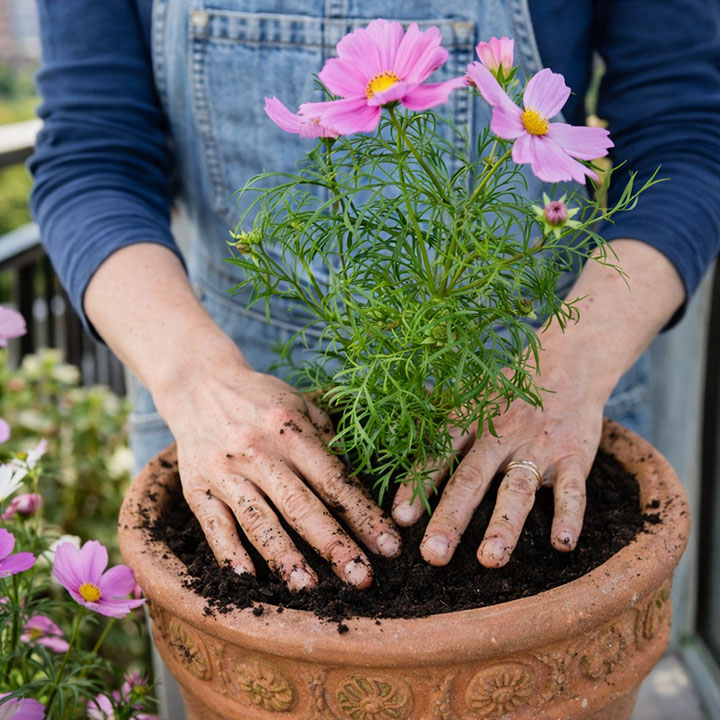
Never fill balcony pots with soil from the ground. Use a premium potting mix designed for containers. Good potting mix holds moisture, drains properly, and gives roots the air they need. This is especially important on balconies because plants are completely dependent on the soil environment inside their pots.
If you are growing a mix of plants, remember that some prefer richer, moister soil while others need sharper drainage. Herbs such as rosemary and thyme prefer not to sit in soggy conditions, while leafy herbs and many flowers like more even moisture.
Step 6: Plan your layout carefully
A good balcony garden layout makes the most of limited space without turning the balcony into a cluttered obstacle course. Think about how you will move around the space, where you sit, and how often you need to access plants for watering, harvesting, or tidying.
Simple balcony layout ideas
- Perimeter layout: Keep most pots around the edges and leave the centre open.
- Railing planters: Great for herbs, flowers, and trailing plants.
- Vertical garden: Use shelves, wall planters, or narrow stands to grow upwards.
- Corner garden: Cluster larger pots in one corner for a lush look.
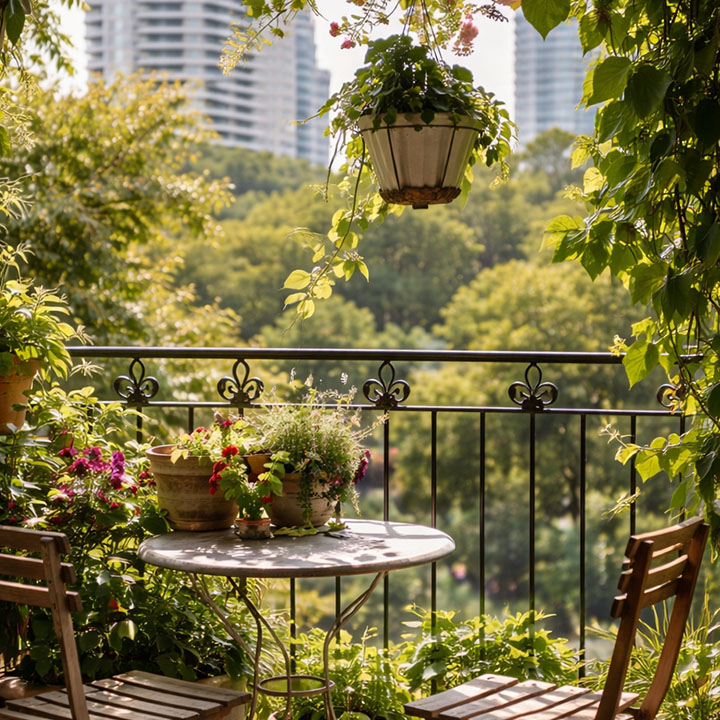
- Dining balcony: Keep plants low and tidy around a small table and chairs.
Try placing taller plants at the back or against the wall, medium plants in the middle, and trailing plants near edges or railing boxes. This helps create layers without blocking access or light.
Step 7: Water properly
Watering is one of the biggest differences between balcony gardening and growing in the ground. Containers dry out much faster, especially in wind, heat, and direct sun. At the same time, overwatering is also common, particularly with plants that prefer dry conditions.
Good balcony watering habits
- Check the potting mix regularly rather than watering on autopilot.
- Water deeply so moisture reaches the roots.
- Expect to water more often during Australian summer heat.
- Remember that terracotta dries out faster than plastic or glazed pots.
- Group plants with similar water needs together.
Mint, basil, salad greens, and many flowers usually need more regular watering than rosemary, thyme, lavender, or succulents. The easiest mistake is treating every pot the same.
Step 8: Feed your plants
Potted plants have limited access to nutrients, so they usually need feeding during the growing season. Balcony plants that flower heavily or produce edible crops often benefit the most. A regular but light feeding routine is usually better than occasional heavy doses.
Herbs, vegetables, and flowers all have slightly different needs, but most container gardens improve when fed during active growth in spring and summer. Just avoid overfeeding, which can lead to weak, soft growth or lots of leaves with fewer flowers.
Step 9: Work with Australian seasons
One of the smartest things you can do as a balcony gardener in Australia is plant with the season instead of fighting against it. Not every plant should be grown all year. Some thrive in the cooler months, while others need warmth to perform well.
Warm-season balcony plants
- Basil
- Tomatoes
- Chillies
- Petunias
- Marigolds
- Lemongrass
Cool-season balcony plants
- Parsley
- Coriander
- Pansies and violas
- Spinach
- Rocket
- Alyssum
Changing your planting with the seasons gives much better results than trying to push unsuitable plants through difficult weather.
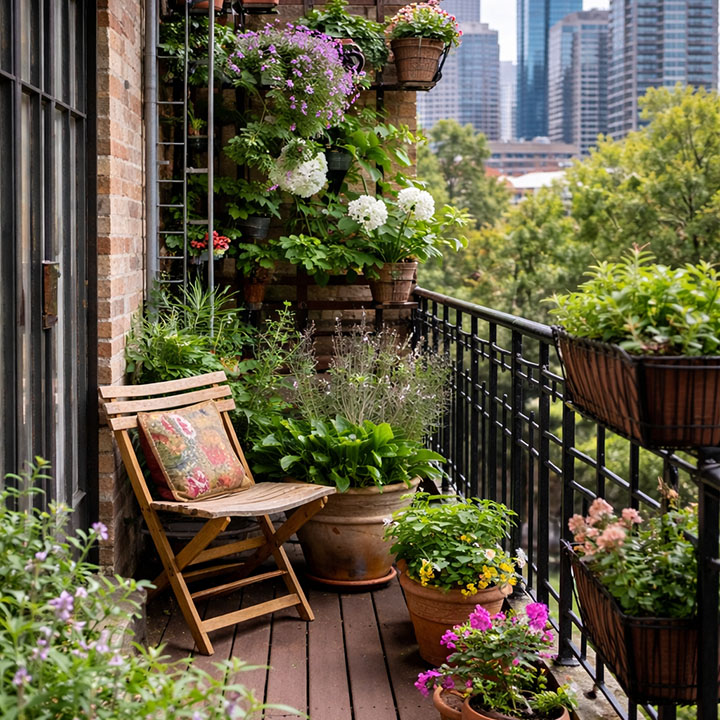
Balcony gardening by Australian city
Australia’s major cities have different balcony gardening conditions, so your location should influence what you grow and when you plant it.
Melbourne
Melbourne balconies often deal with changing weather, cool winters, warm summers, and wind. Flexible, hardy plants work best. Herbs like parsley, mint, chives, thyme, rosemary, and basil in summer are reliable. Flowers such as petunias, pansies, geraniums, alyssum, and begonias also suit Melbourne well. Be prepared for seasonal shifts and protect tender plants during cold snaps or hot windy days.
Sydney
Sydney’s mild winters and warm summers create a long gardening season. Many herbs, flowers, and edibles do well here, including basil, mint, parsley, rosemary, petunias, geraniums, tomatoes, and chillies. Humidity can be helpful for some plants, but balconies with hot afternoon sun still need careful watering.
Brisbane
Brisbane balconies are often warm, humid, and bright. Heat-loving plants do well, but extreme summer exposure can still stress containers. Basil, lemongrass, chillies, mint in part shade, and tropical foliage plants can all work. In the cooler months, leafy greens and other milder-climate crops often perform better than they do in peak summer.
Perth
Perth balconies often face strong sun, dry air, and heat. Mediterranean herbs such as rosemary, thyme, oregano, and sage are excellent choices. Geraniums, lavender, and marigolds also do well. Use bigger pots, good mulch, and heat-aware watering to cope with drying conditions.
Adelaide
Adelaide has hot, dry summers and cooler winters, so drought-tolerant herbs and flowers are often the easiest choices in summer. Rosemary, thyme, oregano, sage, geraniums, and marigolds are reliable. In cooler months, you can expand into leafy herbs, flowers, and salad crops more easily.
Canberra
Canberra’s colder winters mean frost and chill must be considered. Many balcony gardeners treat some plants as seasonal rather than year-round. Chives, parsley, mint, thyme, pansies, violas, and cool-season edibles work well. Basil, tomatoes, and chillies are best kept for warmer months.
Hobart
Hobart’s cooler conditions suit many herbs, flowers, and leafy edibles, particularly in sheltered sunny spots. Parsley, chives, coriander, thyme, pansies, lobelia, alyssum, and violas are strong options. Warm-season crops can still work during the warmer part of the year, but they need the sunniest positions available.
Darwin
Darwin’s tropical heat and humidity make balcony gardening very different from southern Australia. Airflow, drainage, and heat tolerance matter a lot. Basil, mint, lemongrass, and tropical foliage plants tend to suit these conditions better than cool-climate flowers or herbs that dislike constant warmth and moisture.
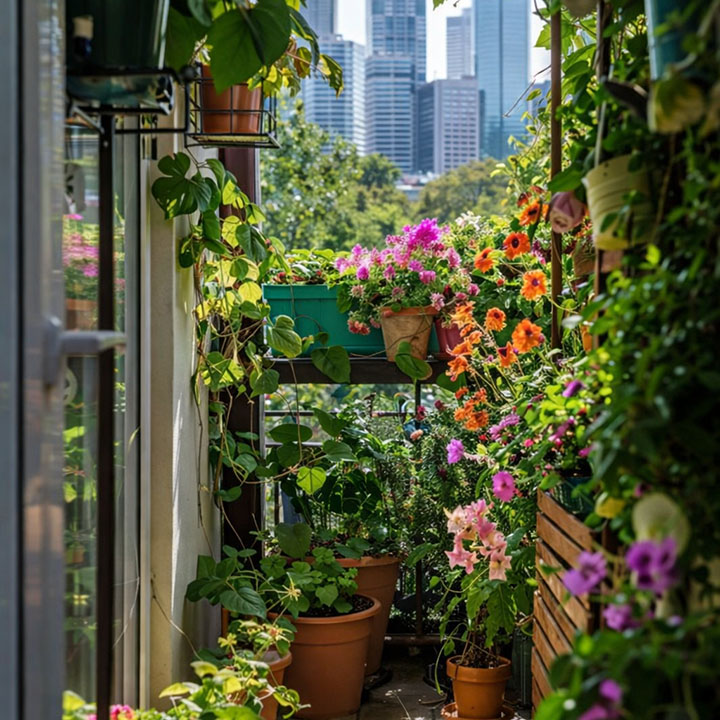
Best beginner balcony garden combinations
Easy herb starter set
- Parsley
- Mint
- Chives
- Basil
This is a practical and rewarding starting point for most Australian balconies.
Sunny flower starter set
- Petunias
- Marigolds
- Geraniums
This combination adds strong colour and works well in bright balconies.
Simple edible starter set
- Rocket
- Cherry tomatoes
- Strawberries
- Spring onions
This mix suits gardeners who want a productive balcony without too much complexity.
Common balcony gardening mistakes
- Choosing plants before checking sunlight and wind
- Using pots that are too small
- Overcrowding the space too early
- Using poor-quality soil or no drainage
- Watering everything the same way
- Ignoring seasonal planting in your city
- Starting with too many difficult plants at once
Final thoughts
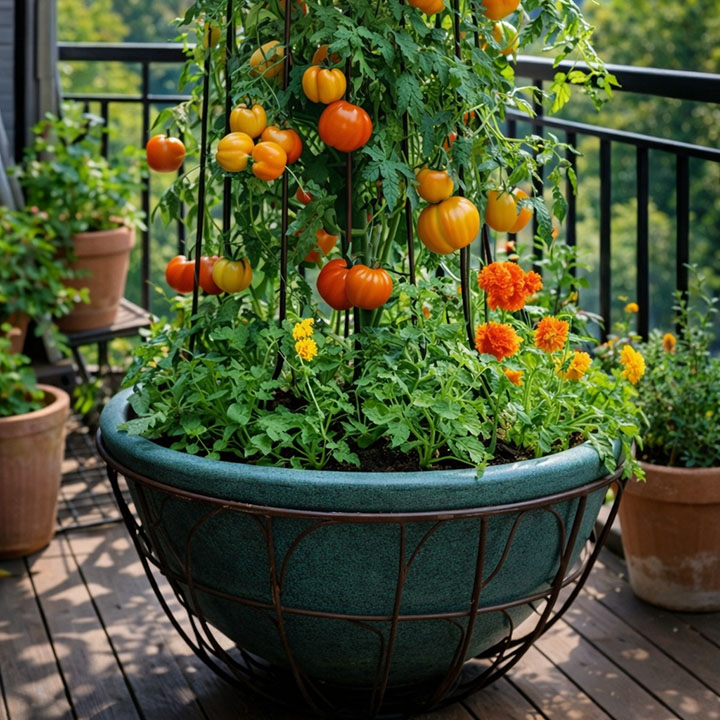
Starting a balcony garden in Australia does not require a huge budget or a large outdoor area. What matters most is understanding your balcony, choosing plants that suit your local conditions, and starting with a manageable setup. A few well-chosen pots of herbs, flowers, or edible plants can quickly turn a plain balcony into a useful and beautiful space.
For most beginners, the best approach is simple. Observe the light, choose sturdy containers, use quality potting mix, start with easy plants, and adjust with the seasons. Once you see what thrives on your balcony, you can gradually expand into a fuller garden that suits both your city and your style.
Frequently asked questions
What is the easiest way to start a balcony garden in Australia?
The easiest way is to begin with a few reliable container plants such as herbs or easy flowers, using medium-sized pots, quality potting mix, and a balcony position that matches the plants’ sunlight needs.
What can I grow on a small balcony in Australia?
You can grow herbs, flowers, salad greens, strawberries, chillies, compact tomatoes, and ornamental foliage plants on a small balcony, depending on your light and climate.
How often should I water a balcony garden?
It depends on the plant, pot size, weather, and balcony exposure. In summer, some balconies need checking daily, especially those with full sun or strong wind.
Which plants are best for sunny Australian balconies?
Rosemary, thyme, basil, geraniums, marigolds, petunias, chillies, and cherry tomatoes are all strong choices for sunny balconies when watered appropriately.
Which plants are best for shaded balconies?
Mint, parsley, chives, begonias, impatiens, and some leafy greens can all work well on balconies with part shade or bright indirect light.
Can I grow vegetables on a balcony in Australia?
Yes. Many Australian balcony gardeners grow salad greens, herbs, chillies, strawberries, spring onions, and compact tomatoes successfully in containers.

Comments are closed.