
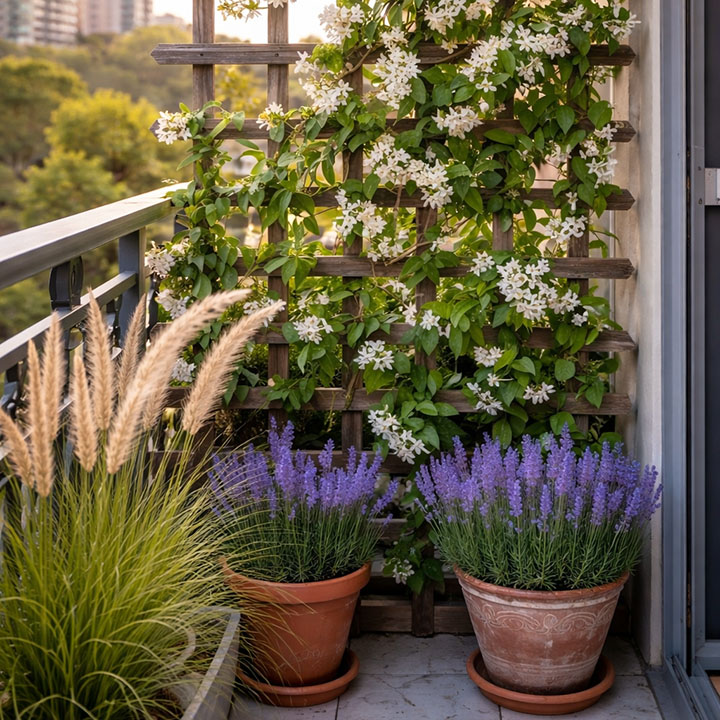
A full sun garden can be one of the most rewarding garden styles in Australia. When you choose the right plants, sunny spaces produce stronger flowering, better colour, faster growth, and a longer season of interest. In gardening terms, full sun usually means a spot that gets more than six hours of direct sun a day. That matters in Australia, where climate varies enormously from humid Brisbane and tropical Darwin to cooler Melbourne, Hobart, and Canberra.
The key to success is not simply picking “sun-loving” plants. It is choosing plants that can handle your version of full sun. A full sun garden in Perth is very different from a full sun garden in Hobart. Sydney and Brisbane often combine heat with humidity. Adelaide and Perth are more likely to test plants with dry heat. Melbourne can swing between cool, grey spells and harsh summer sun. Canberra adds frost risk in winter, while Darwin brings intense wet-season growth followed by a long dry season. Bureau of Meteorology climate data for Australia’s major cities shows exactly this spread in temperature and rainfall patterns.
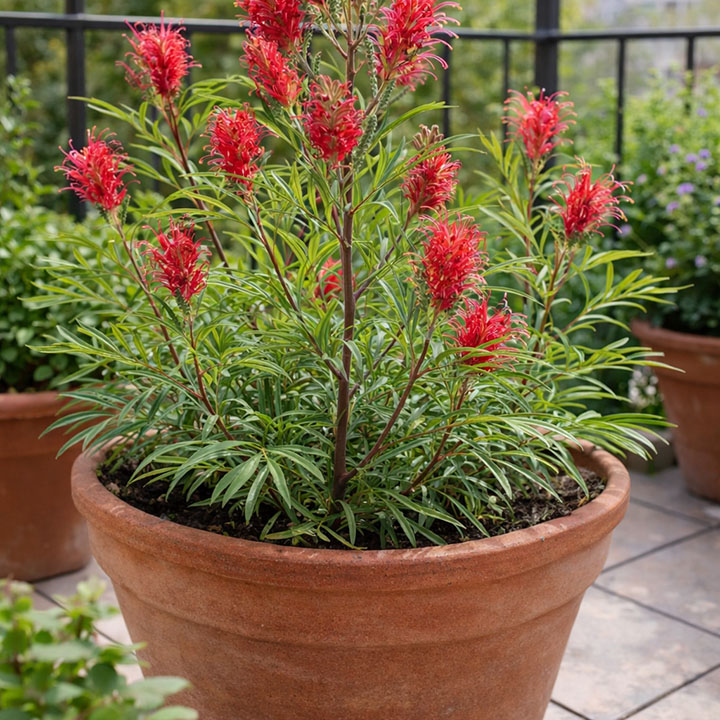
What Makes a Plant Good for Full Sun?
The best plants for full sun usually share a few qualities. They cope with heat on leaves and roots, they do not collapse quickly when the soil dries, and they perform best with strong light rather than afternoon protection. Many also have small, silver, leathery, or aromatic leaves, which is often a clue that they can handle exposed conditions.
- They flower or colour up best in direct sun
- They tolerate heat reflecting from walls, paving, and fences
- They recover well after hot or windy days
- They suit free-draining soil or raised beds
- They are easier to maintain than shade plants in bright exposed areas
Best Plants for Full Sun Gardens in Australia
Below is a practical mix of shrubs, perennials, natives, grasses, climbers, and edible plants that perform well in sunny Australian gardens. You do not need to use all of them. The strongest full sun gardens usually mix structure plants, flowering plants, and fillers.
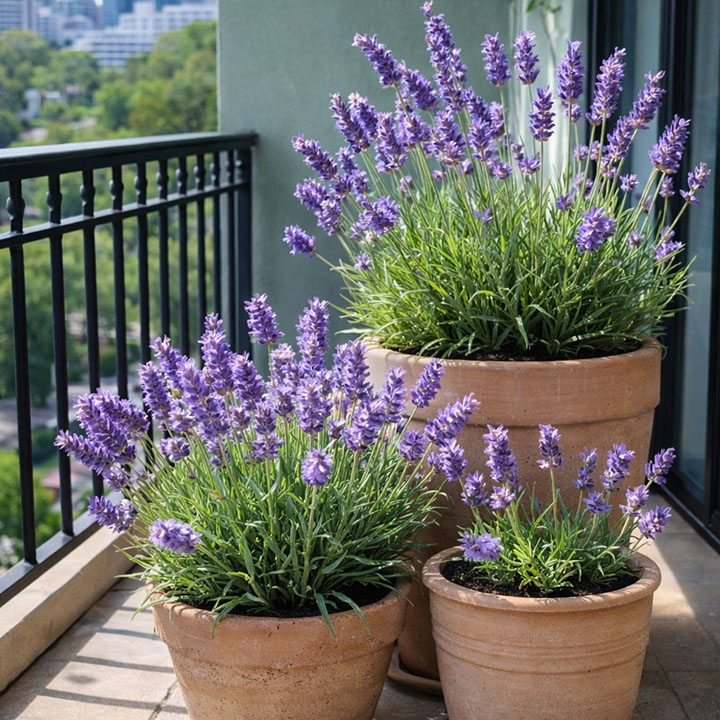
1. Lavender
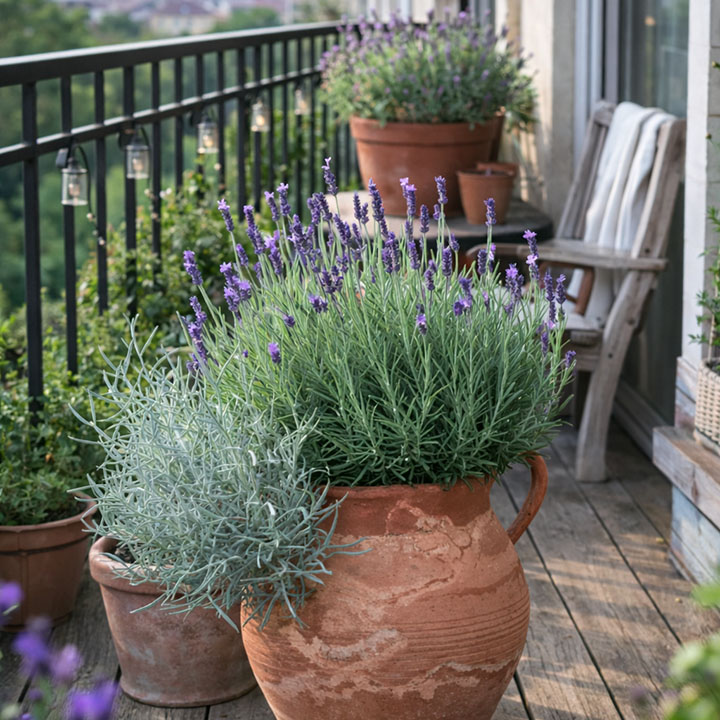
Lavender is one of the classic choices for hot, sunny gardens. It thrives in open positions, dislikes soggy roots, and gives you silver foliage plus fragrant purple flowers. It works beautifully in cottage, Mediterranean, and modern Australian garden styles.
- Best for: borders, edging, pots, dry gardens
- Likes: full sun, free-draining soil, low humidity
- Watch for: poor drainage and overwatering
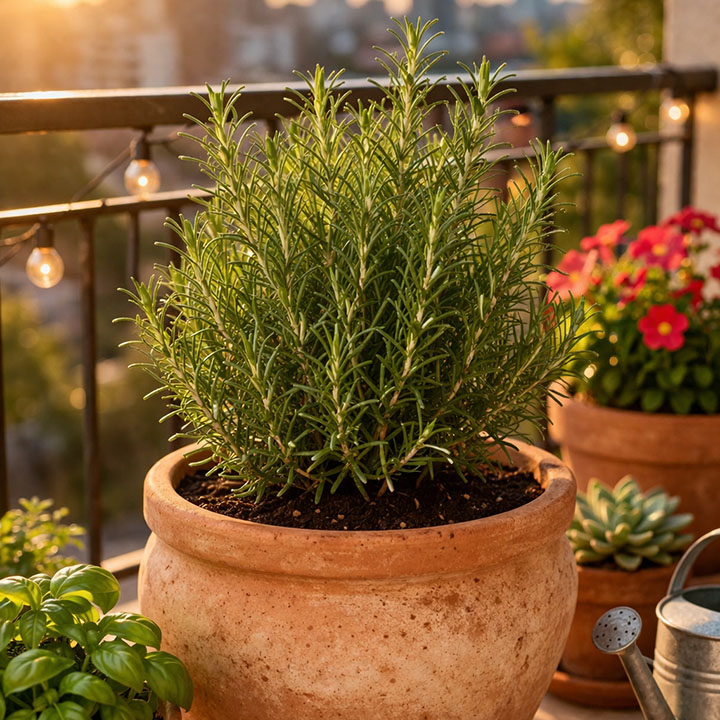
2. Rosemary
Rosemary is tough, useful, and attractive. It handles heat, reflected light, and dry spells very well once established. Upright forms can become small shrubs, while trailing varieties spill nicely over retaining walls and raised beds.
- Best for: herb gardens, low hedges, dry borders
- Bonus: edible, fragrant, pollinator-friendly
- Best cities: excellent for Adelaide, Perth, Sydney, and Melbourne
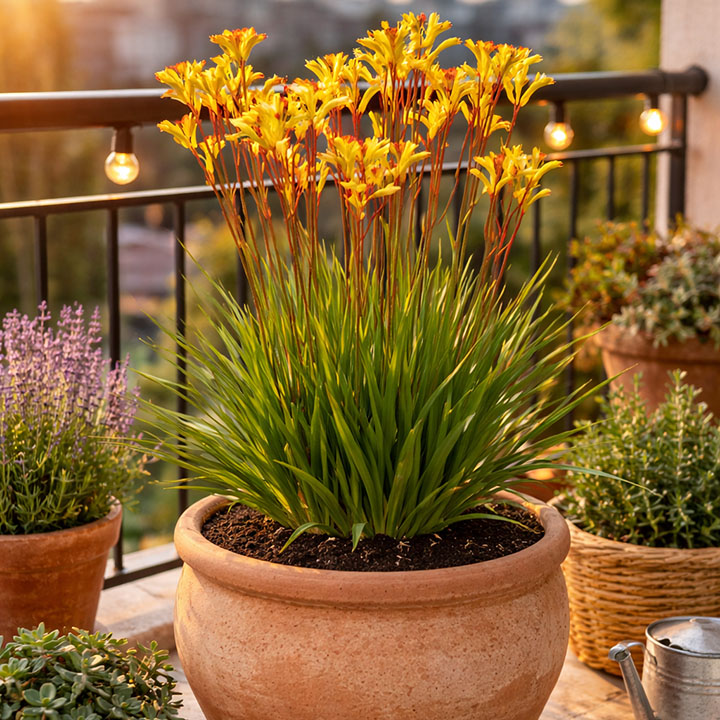
3. Kangaroo Paw
Kangaroo paw is one of the best Australian native choices for a sunny garden. It delivers strong colour, architectural flower stems, and a distinctly Australian look. Modern varieties offer reds, yellows, oranges, and pinks, making them ideal for bold planting schemes.
- Best for: native gardens, feature planting, pollinator gardens
- Likes: full sun and good drainage
- Watch for: overcrowding and poor airflow in humid spots
4. Grevillea
Grevilleas are among the most versatile full sun plants in Australia. There are groundcovers, compact shrubs, and larger screen plants, so they suit almost any sunny garden size. They also attract birds and bring year-round texture.
- Best for: screening, wildlife gardens, low-water landscapes
- Best feature: flowers over long periods
- Good for: warm coastal and inland gardens
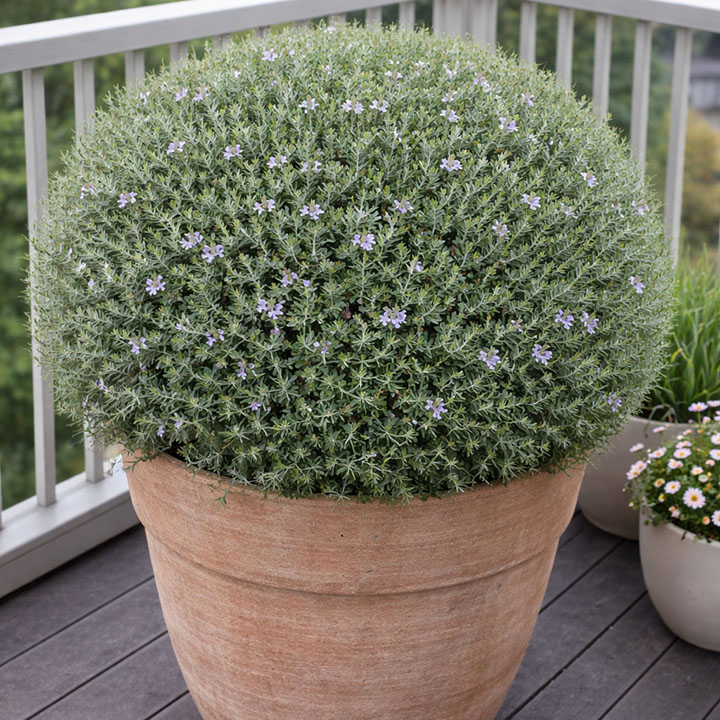
5. Westringia
Westringia is a reliable evergreen shrub for sunny Australian gardens. It has a soft coastal look but is also tidy enough for formal planting. It tolerates clipping well, so it is excellent for low hedges and neat borders.
- Best for: hedging, structure, low-maintenance gardens
- Likes: sun, airflow, and regular shaping if needed
- Style fit: coastal, native, contemporary
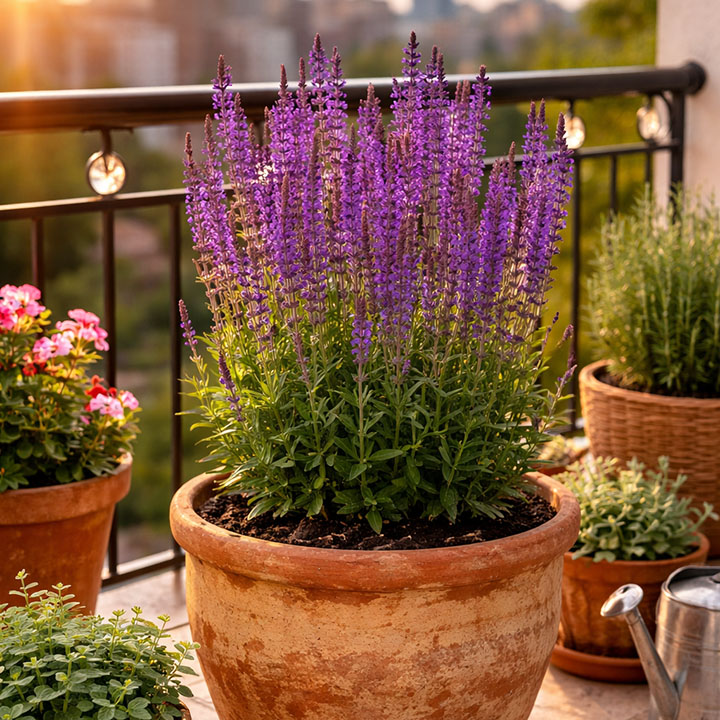
6. Salvias
If you want long-lasting colour, salvias are hard to beat. Many varieties flower for months and handle full sun far better than softer bedding plants. They also bring bees and other pollinators into the garden.
- Best for: long flowering displays
- Colours: purple, blue, red, pink, white
- Good for: mixed borders and cottage-style gardens
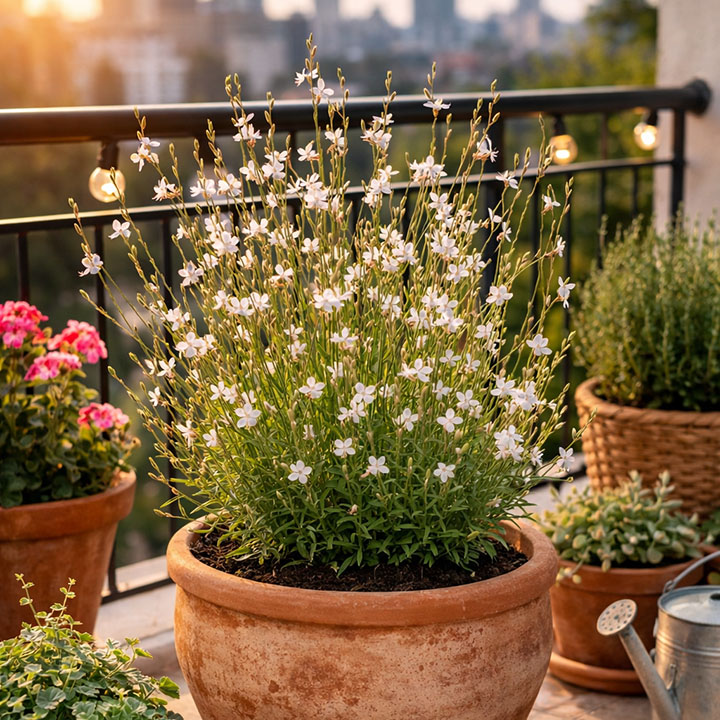
7. Gaura
Gaura adds movement and softness to a sunny border. It has airy flower stems that dance in the breeze and mixes well with grasses, lavender, and salvias. It is especially useful when you want a lighter, more naturalistic planting look.
- Best for: informal planting and long flowering seasons
- Looks great with: native grasses and silver foliage
- Strength: handles heat once established
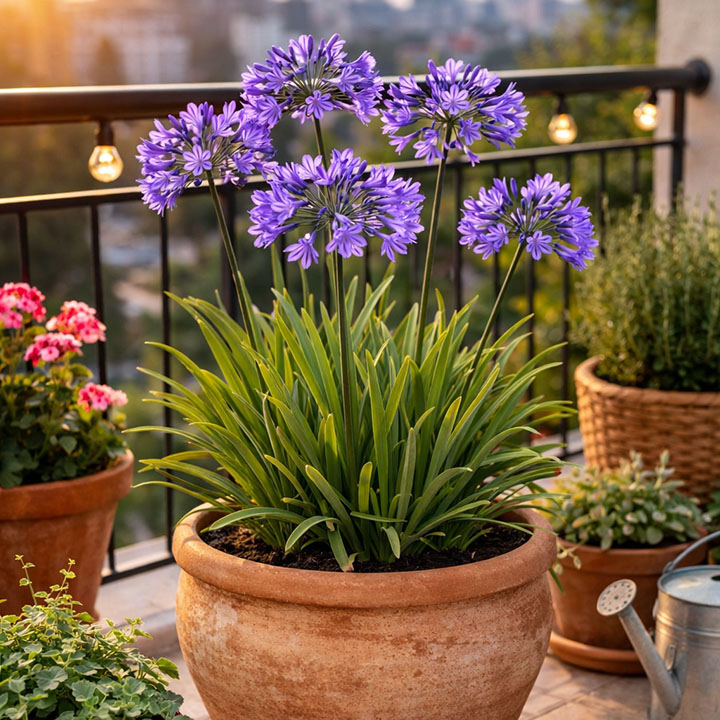
8. Agapanthus
Agapanthus is a proven performer in full sun, especially in coastal and temperate Australian gardens. It is valued for strappy foliage, summer flowers, and strong reliability in difficult positions.
- Best for: borders, mass planting, nature strips in suitable areas
- Strength: handles sun, wind, and tough urban conditions
- Note: check local guidance before planting where it may be considered weedy
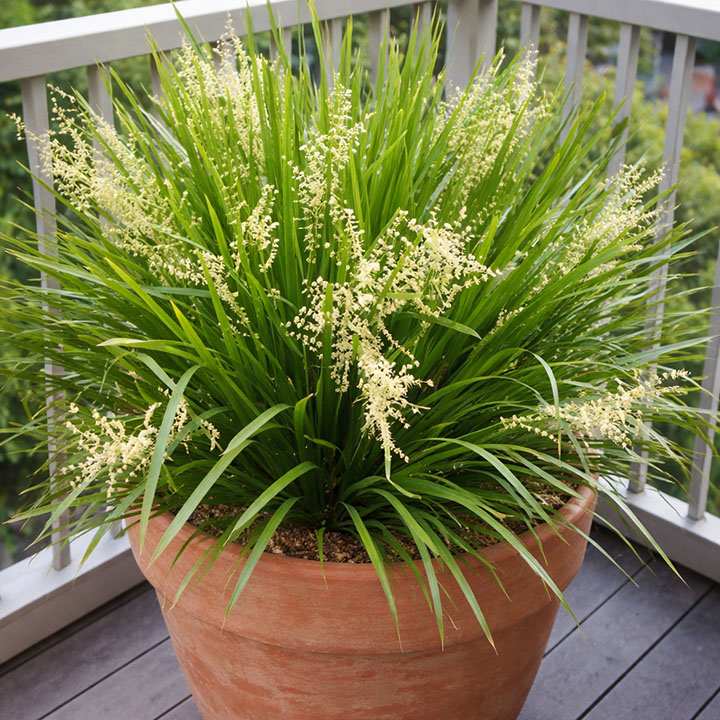
9. Lomandra
Lomandra is one of the best low-maintenance choices for full sun in Australia. It is hardy, neat, and useful as a filler, border, or mass planting grass-like plant. It also handles a wide range of conditions once established.
- Best for: modern gardens, erosion control, low-care planting
- Strength: drought tolerance and year-round structure
- Works in: residential gardens, commercial landscapes, median strips
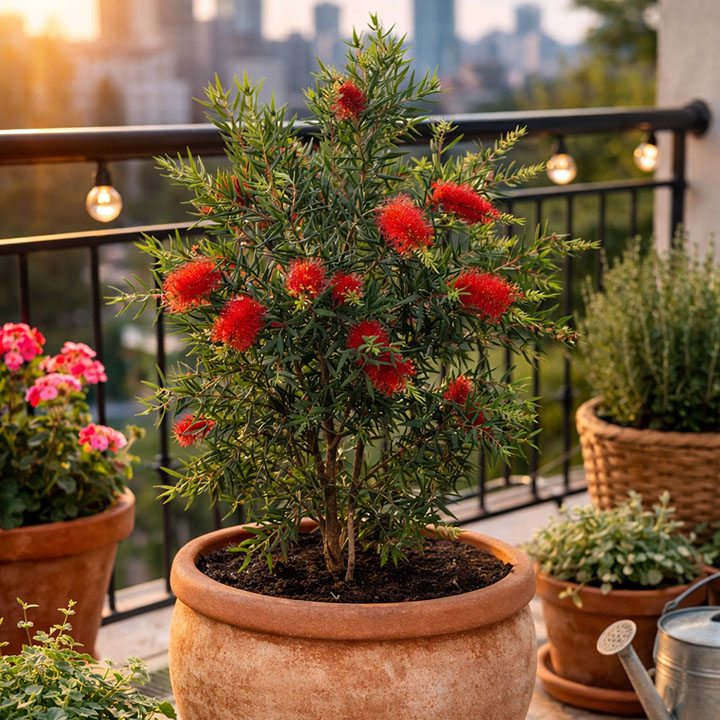
10. Bottlebrush (Callistemon/Melaleuca)
Bottlebrush brings bright colour, bird life, and a strong native character to sunny spaces. Compact forms are great for smaller gardens, while taller forms can become screening shrubs or small trees.
- Best for: wildlife gardens and screening
- Good feature: showy flowers and strong adaptability
- Best in: most Australian climates with sun
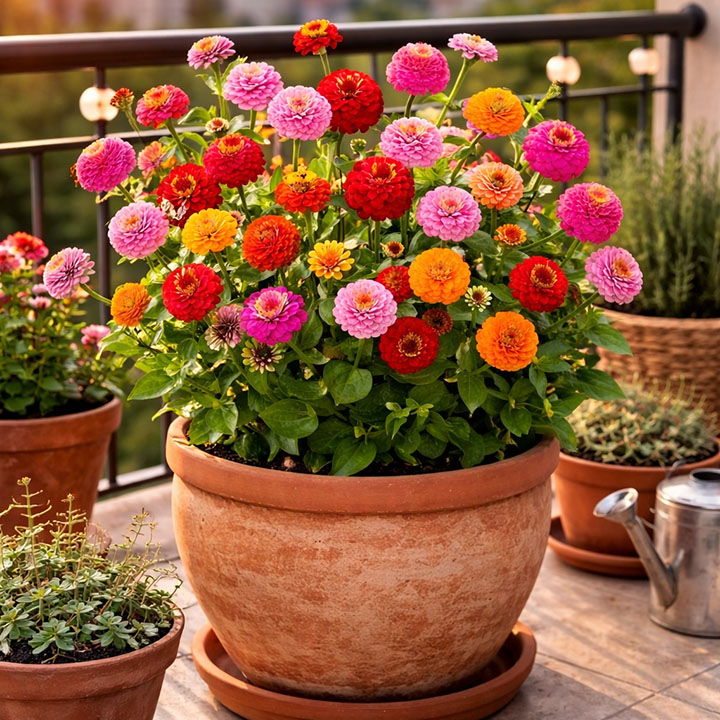
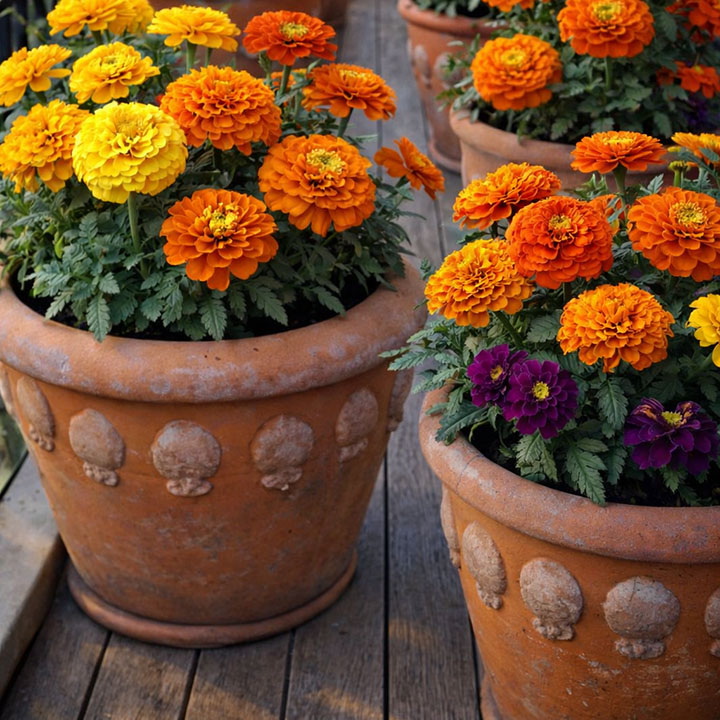
11. Zinnias and Marigolds
For seasonal colour, these are excellent warm-season choices. They love sunshine and can give you bright, cheerful displays through the hotter months. They are ideal if you want quick impact without committing to permanent shrubs.
- Best for: annual colour, pollinators, cutting gardens
- Use in: garden beds, raised beds, sunny pots
- Tip: deadhead regularly for more flowers
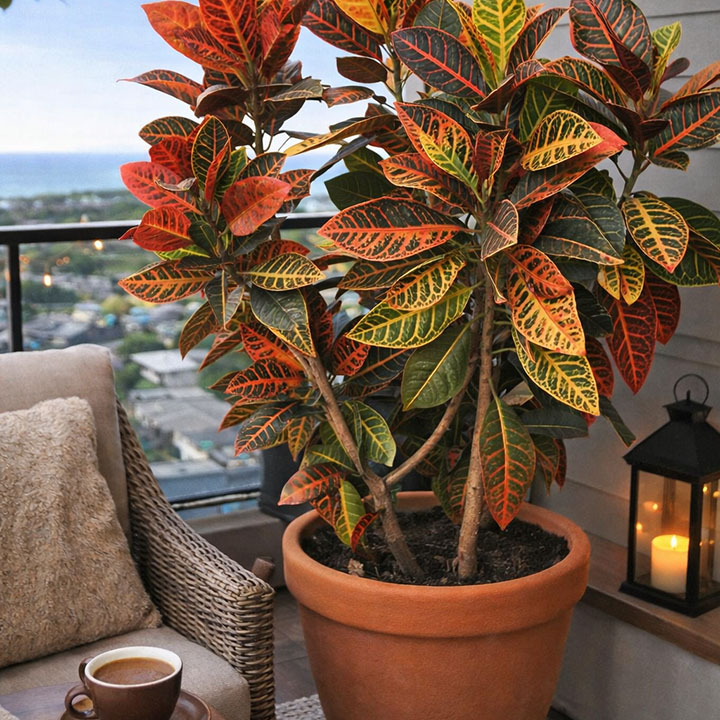
12. Crotons
Crotons are bold foliage plants grown for their colourful leaves in shades of yellow, orange, red, and green. They are best suited to warm frost-free parts of Australia, where they can handle full sun well, especially in coastal gardens. In hotter dry areas, they often look better with a little afternoon protection.
Best for: tropical-style gardens, pots, colourful foliage contrast
Best feature: bright multicoloured leaves
Good for: warm coastal gardens and frost-free areas
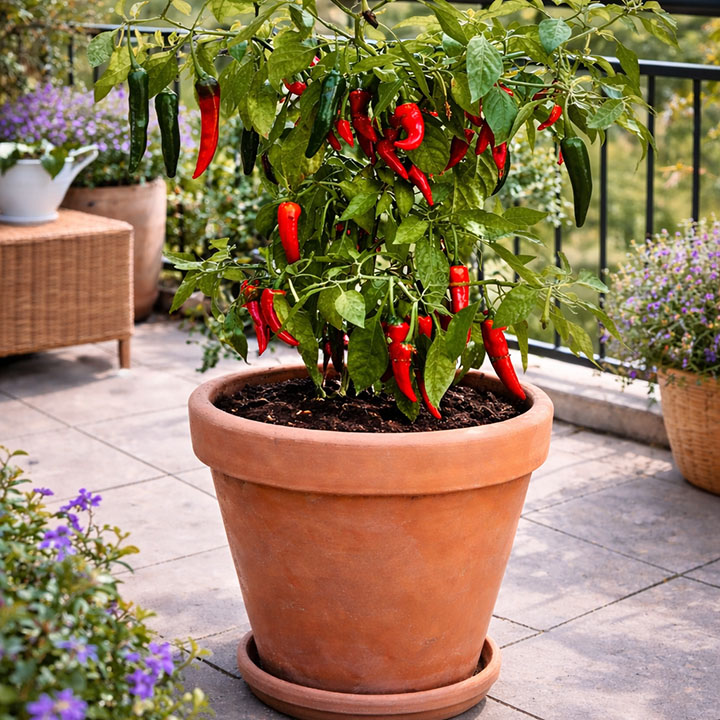
13. Sun-loving Edibles
If your full sun garden also needs to be productive, choose heat-tolerant edibles such as rosemary, thyme, oregano, chillies, capsicum, eggplant, cherry tomatoes, and basil in the warmer months. Full sun is also ideal for many fruiting crops, provided watering is consistent and the soil is improved with compost.
Best Full Sun Plants by Garden Style
For a Low-Maintenance Garden
- Lomandra
- Westringia
- Rosemary
- Grevillea
- Bottlebrush
For a Colour-Filled Flower Garden
- Salvias
- Lavender
- Gaura
- Zinnias
- Marigolds
- Kangaroo paw
- Croton
For an Australian Native Garden
- Grevillea
- Kangaroo paw
- Westringia
- Lomandra
- Bottlebrush
For a Coastal Full Sun Garden
- Westringia
- Agapanthus
- Rosemary
- Lavender
- Bottlebrush
For Pots and Small Spaces
- Lavender
- Rosemary
- Compact salvias
- Zinnias
- Marigolds
- Dwarf kangaroo paw
How to Choose the Right Plants for Your Australian City
Australia’s major cities do not all garden the same way. Long-term climate summaries from the Bureau of Meteorology show major differences in heat, rainfall, and seasonal patterns, so your plant list should reflect your location rather than a generic “Australian” recommendation.
Sydney
Sydney full sun gardens often deal with heat, humidity, and periods of substantial rainfall, especially compared with drier southern cities. Choose plants that enjoy sun but still appreciate airflow and well-drained soil, such as salvias, bottlebrush, rosemary, lavender in open spots, and grevillea.
Melbourne
Melbourne gardeners need plants that can handle variability. Full sun can be intense in summer, but conditions can also swing quickly. Westringia, lavender, salvias, gaura, lomandra, and kangaroo paw are all useful choices because they cope with bright exposure while still fitting a temperate garden.
Brisbane
Brisbane combines strong sun with humidity and summer rain, so choose sun lovers that will not sulk in warm, moist conditions. Grevillea, bottlebrush, salvias, lomandra, and many tropical-looking shrubs do well, while lavender needs especially sharp drainage and open air.
Perth
Perth full sun gardens are often shaped by dry summers and intense sun. This is a city where drought-tolerant planting really pays off. Rosemary, westringia, grevillea, lavender, kangaroo paw, and lomandra are strong options for low-water gardens.
Adelaide
Adelaide gardeners should prioritise heat tolerance and reliable watering during establishment. Mediterranean plants and Australian natives generally perform well here, especially where soil drainage is improved.
Canberra and Hobart
Canberra and Hobart both need a slightly different approach. Full sun is still valuable, but cold winters and frost risk in Canberra, plus cooler Tasmanian conditions, mean you should include hardy shrubs, perennials, and grasses that can handle seasonal chill as well as summer sun.
Darwin
In Darwin, full sun gardening is more about coping with tropical intensity than chasing warmth. Plants need to handle strong wet-season growth, humidity, and a pronounced dry season. Tough tropical shrubs, native species, and heat-loving flowering plants are usually more dependable than Mediterranean plants that dislike humidity.
How to Prepare a Full Sun Garden
Even the best plant will struggle if the site is not prepared properly. Full sun gardens are often more about soil and watering than plant labels.
- Improve soil with compost before planting
- Add mulch to reduce evaporation and keep roots cooler
- Group plants with similar water needs together
- Use drip irrigation or deep hand watering rather than frequent light sprinkles
- Keep an eye on reflected heat from walls, fences, and paving
- Choose bigger pots if planting in containers, because small pots dry out fast
Common Mistakes in Full Sun Gardens
- Choosing plants that like sun but not heat stress
- Planting into poor, compacted soil
- Using pots that are too small
- Skipping mulch
- Overcrowding plants so airflow is reduced
- Assuming all Australian natives like dry soil all the time
- Underwatering during the establishment period
Planting Plan Idea for a Full Sun Australian Garden
If you want a simple formula, try this:
- Back layer: Grevillea, bottlebrush, or westringia
- Middle layer: Kangaroo paw, salvias, lavender, or gaura
- Front layer: Lomandra, trailing rosemary, marigolds, or zinnias
- Accent layer: One feature pot with a bold flowering plant or architectural native
This kind of layered planting gives you structure, colour, movement, and a garden that still looks good when one plant is between flower flushes.
Frequently Asked Questions
What does full sun mean in gardening?
Full sun usually means a plant receives at least 6 hours of direct sunlight each day. In many parts of Australia, especially in summer, full sun can be very intense, so it is important to choose plants that can handle both bright light and heat.
What are the best plants for a full sun garden in Australia?
Some of the best full sun plants for Australian gardens include lavender, rosemary, grevillea, westringia, kangaroo paw, lomandra, salvias, bottlebrush, gaura, marigolds, and zinnias. These plants are popular because they cope well with strong sunlight and many also handle dry conditions once established.
Which Australian native plants grow well in full sun?
Many Australian natives thrive in full sun. Strong choices include grevillea, kangaroo paw, westringia, lomandra, and bottlebrush. These plants are well suited to Australian conditions and are often low maintenance once settled in.
Can I grow flowers in a full sun garden?
Yes, many flowering plants love full sun. Salvias, lavender, gaura, marigolds, zinnias, and kangaroo paw are all great options for adding long-lasting colour to sunny garden beds and borders.
What plants survive hot afternoon sun?
Plants that usually handle hot afternoon sun well include rosemary, lavender, grevillea, westringia, lomandra, bottlebrush, and many salvias. In the hottest parts of Australia, mulch and deep watering during establishment will help these plants perform better.
How often should I water a full sun garden?
New plants need regular watering while they establish, especially during hot weather. Once established, many full sun plants can be watered more deeply and less often. The exact schedule depends on your soil, climate, and plant selection, but deep watering is usually better than frequent light watering.
Do full sun plants need special soil?
Most full sun plants grow best in well-draining soil. Many struggle if roots stay wet for too long, especially lavender, rosemary, and kangaroo paw. Improving the soil with compost and adding mulch on top can help retain moisture while still supporting healthy root growth.
What are the best low-maintenance plants for a full sun garden?
Lomandra, westringia, rosemary, grevillea, and bottlebrush are among the best low-maintenance plants for a sunny Australian garden. They provide structure, cope with exposure, and need less fuss than softer or thirstier plants.
Can I grow edible plants in full sun?
Yes, many edible plants prefer full sun. Herbs like rosemary, thyme, oregano, and basil do well, along with crops such as tomatoes, chillies, capsicum, and eggplant. Productive plants in sunny spots usually need consistent watering and soil enriched with compost.
How do I stop a full sun garden from drying out too quickly?
The best ways to reduce drying out are to mulch well, improve the soil with organic matter, water deeply, and group plants with similar water needs together. In very hot Australian climates, larger plants and groundcovers can also help shade the soil and reduce evaporation.
Final Thoughts
The best plants for a full sun garden in Australia are the ones that match your exact climate, soil, and maintenance style. A sunny garden can be incredibly productive and beautiful, but it performs best when you work with your local conditions rather than against them. Start with dependable structural plants such as westringia, grevillea, lomandra, rosemary, or bottlebrush, then layer in flowering favourites like lavender, salvias, kangaroo paw, gaura, zinnias, or marigolds for colour and seasonal interest.
Done well, a full sun garden is not harsh at all. It is vibrant, resilient, fragrant, wildlife-friendly, and perfectly suited to the Australian way of gardening.

Comments are closed.