
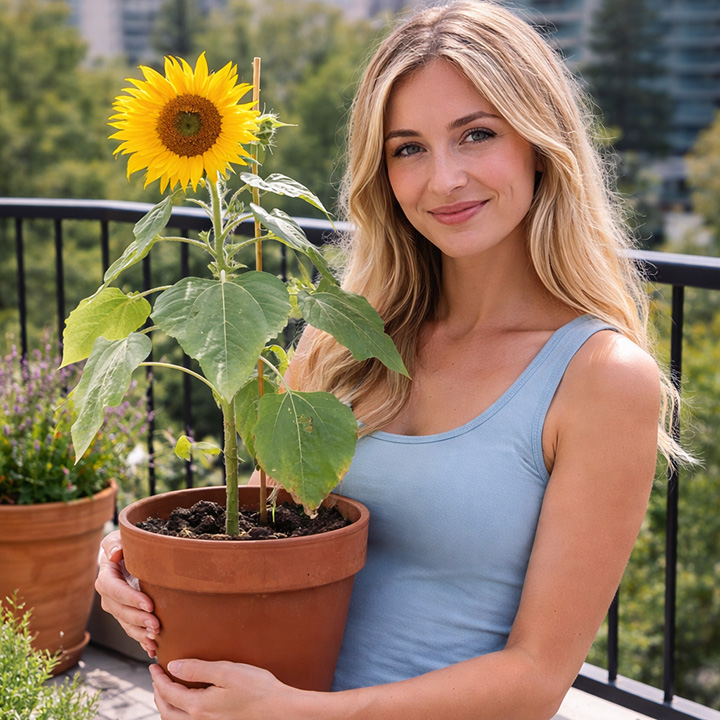
Sunflowers are one of the happiest plants you can grow in a small space. They bring height, colour, and a strong summer feel to a balcony, and they are surprisingly adaptable when you choose the right variety and container. In Australia, balcony gardeners can grow sunflowers successfully in cities from Melbourne to Brisbane, Sydney to Perth, as long as they match the plant to the local climate, sunlight, and wind conditions.
Whether you want compact dwarf sunflowers in pots, edible seed varieties, or a bright seasonal display for pollinators, this guide will walk you through how to grow sunflowers on a balcony in Australian conditions.
Why Sunflowers Work Well on Balconies
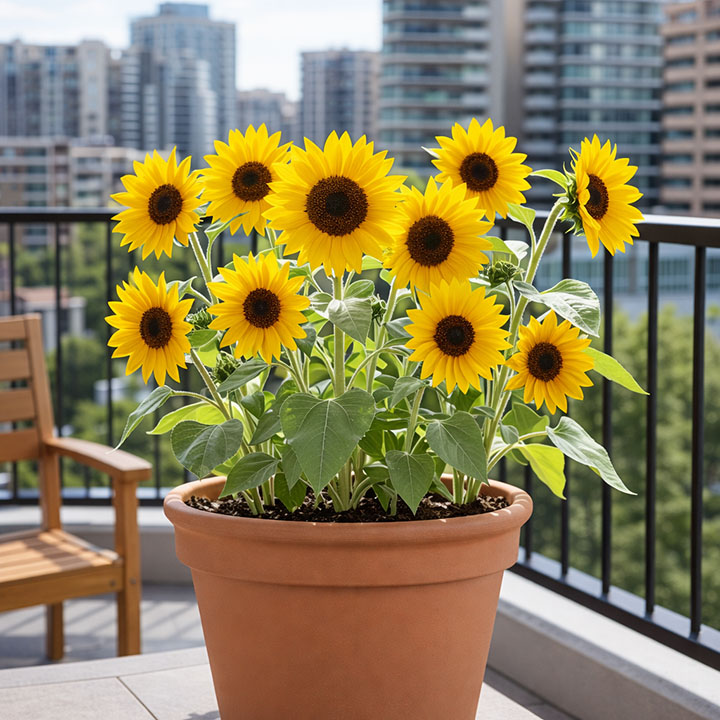
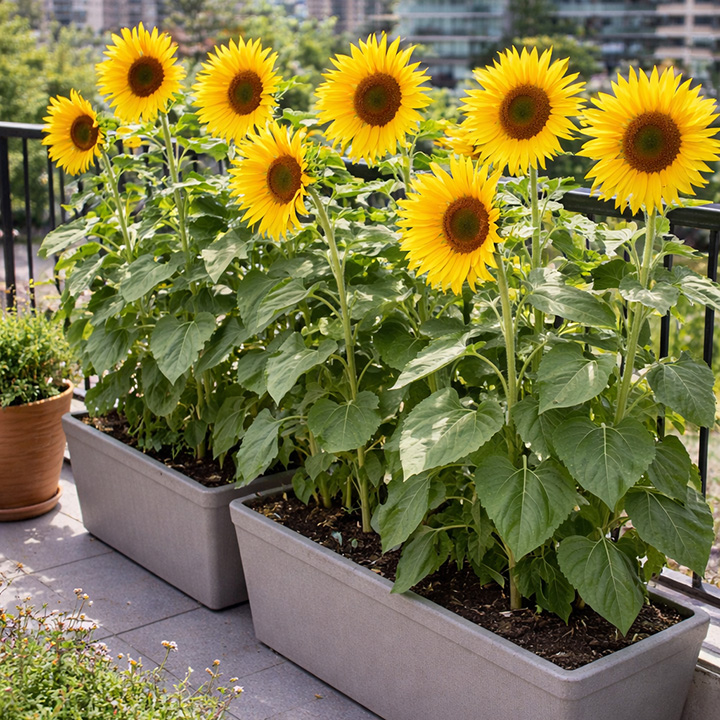
Sunflowers are easy to grow from seed, fast to establish, and visually dramatic even in a small footprint. Many modern varieties are ideal for pots, especially dwarf and branching types that stay compact and flower generously. They are also great for beginners because they germinate quickly and give visible progress within days.
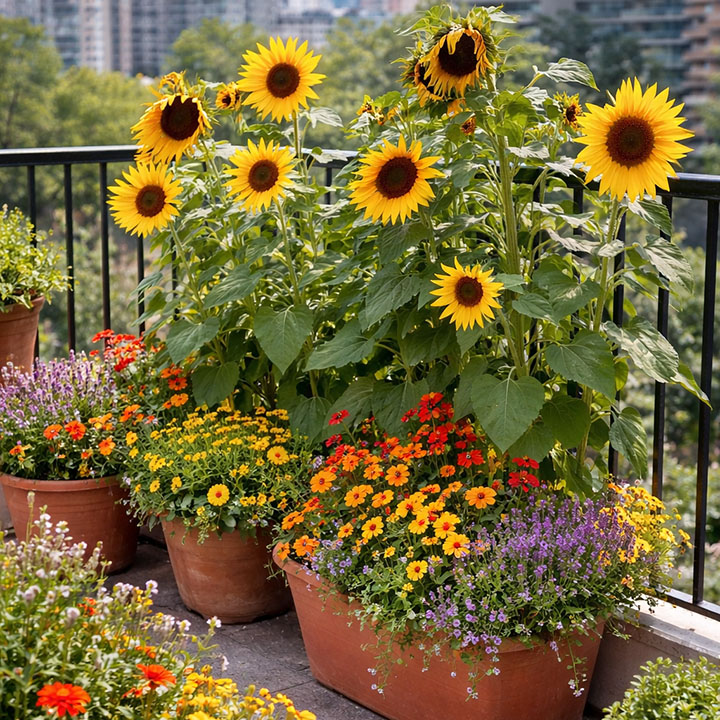
On a balcony, sunflowers can be used as a feature plant, a privacy screen for part of the season, or a bright companion among herbs, edible flowers, and other summer containers. Bees and other pollinators love them, and children usually enjoy watching them grow.
Best Sunflower Types for Balcony Gardens
Not every sunflower is suited to a balcony. Giant varieties can become too tall, top-heavy, and thirsty for container growing, especially in exposed high-rise spaces. For best results, choose compact or medium-height varieties.
- Dwarf sunflowers – Best for small balconies and pots. These often grow between 30cm and 60cm tall.
- Branching sunflowers – Produce multiple blooms over time rather than one giant flower. Great for longer display.
- Medium-height sunflowers – Suitable for larger containers on roomy balconies where wind is not extreme.
- Pollen-free types – Excellent for cut flowers and tidier balconies, though they are less useful for pollinators.
If your balcony is windy or narrow, dwarf and branching types are the safest and easiest choice.
How Much Sun Do Sunflowers Need?
Sunflowers need full sun. Aim for at least 6 to 8 hours of direct sunlight each day. The more sun they receive, the stronger the stems and better the flowering.
A north-facing balcony is ideal in most parts of Australia. East-facing balconies can also work well, especially in warmer cities where afternoon sun can be intense. South-facing balconies are usually too shaded for reliable flowering, while west-facing balconies may need extra watering and heat protection during summer.
Best Pots and Containers for Balcony Sunflowers
Sunflowers grow quickly and need enough root space to stay healthy and upright. Choose a pot with good drainage and enough depth to anchor the plant.
- Small dwarf types – Use a pot at least 25cm to 30cm wide and deep.
- Medium sunflowers – Use a pot at least 35cm to 45cm wide and deep.
- Larger branching types – Use a large, heavy container to reduce tipping in wind.
Terracotta looks beautiful but dries out faster. Plastic and glazed pots hold moisture better, which can be helpful on hot balconies. In windy locations, heavier pots are often the better option because they are harder to blow over.
Best Potting Mix for Sunflowers
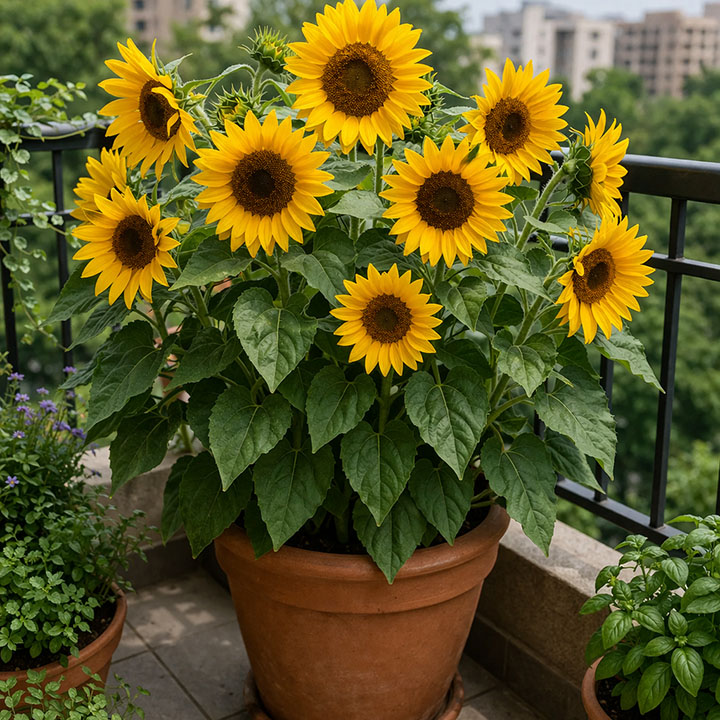
Use a premium potting mix suitable for containers. Avoid using garden soil, which becomes compacted in pots and drains poorly. A good potting mix should be loose, free-draining, and rich enough to support fast growth.
You can improve results by mixing in a little compost and a controlled-release fertiliser at planting time. Sunflowers are hungry plants, so fresh potting mix makes a real difference.
When to Plant Sunflowers in Australia
Sunflowers are warm-season plants. In most of Australia, the main planting window is from spring through early summer. They dislike frost and cold soil, so wait until nights are mild before sowing seed.
Planting by Australian City and Climate
- Melbourne and Hobart – Start in mid to late spring once frost risk has passed. Choose a warm, sunny position and avoid sowing too early.
- Sydney and Adelaide – Sow from spring through early summer. In hot periods, keep pots well watered.
- Brisbane and coastal Queensland – Grow through much of the warmer year, but give some afternoon protection in intense summer heat.
- Perth – Excellent sunflower climate, but strong summer sun and drying winds mean pots may need frequent watering.
- Canberra – Wait until frost danger has passed and use a warm, sheltered balcony position.
- Darwin and the tropics – Grow in the dry season or during milder periods. Humidity and heavy wet-season rain can make growing harder.
If you want a longer flowering season, sow a few seeds every 2 to 4 weeks during the suitable planting period rather than planting everything at once.
How to Grow Sunflowers on a Balcony Step by Step
1. Choose the Right Variety
Start with dwarf or compact branching varieties for the easiest balcony success. Check the seed packet for final height before planting.
2. Fill Your Pot with Fresh Potting Mix
Leave a small gap at the top of the pot so water does not spill over the edge. Water the mix lightly before sowing.
3. Sow Seeds Directly
Sunflowers usually do best when sown directly into their final pot rather than transplanted. Plant seeds about 2cm deep and space them according to the variety. You can sow a few extras and thin them later.
4. Water Gently but Consistently
Keep the soil lightly moist while seeds germinate. Once seedlings are established, water more deeply and less often, allowing the top layer of potting mix to dry slightly between waterings.
5. Thin Seedlings if Needed
If several seeds germinate in one pot, keep the strongest seedling and remove the weaker ones unless the pot is large enough for more than one plant.
6. Stake Taller Plants
Balconies can be windy, and even medium-height sunflowers may need support. Use a bamboo cane or slim stake and tie the stem loosely as it grows.
7. Feed During Active Growth
Apply a liquid fertiliser every couple of weeks once the plant is growing strongly, or use a controlled-release fertiliser according to the label. Too much nitrogen can lead to lots of leaves and fewer flowers, so use a balanced product rather than overfeeding.
Balcony Positioning Tips
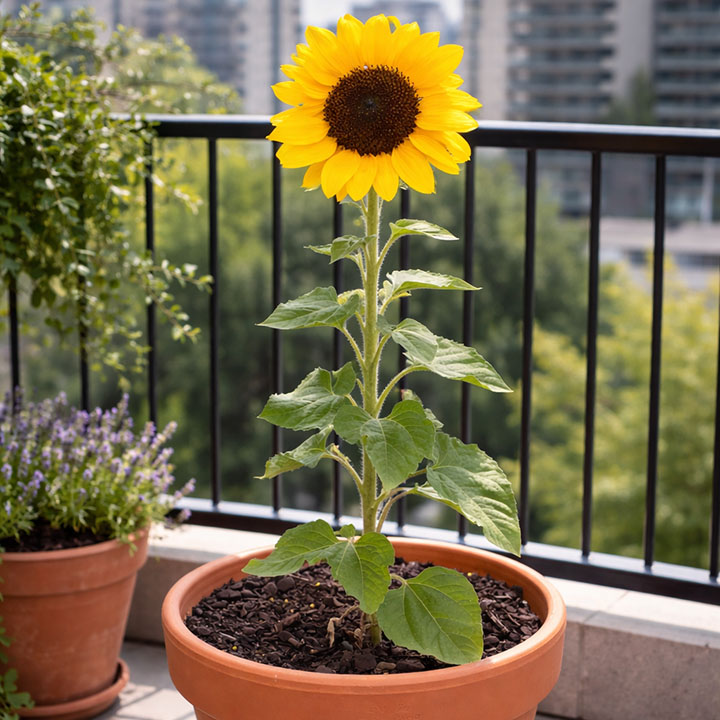
Placement matters more on a balcony than in a garden bed. Light bounces off walls, heat builds up near glass, and wind tunnels can form around buildings.
- Place pots where they receive the longest stretch of direct light.
- Keep taller sunflowers away from the outermost exposed edge if your balcony is windy.
- Rotate pots every few days if plants start leaning strongly toward the sun.
- Group containers together to reduce moisture loss and create a more stable microclimate.
- Make sure heavy pots are placed safely and do not overload railing shelves or narrow ledges.
Watering Sunflowers in Pots
Sunflowers in containers dry out much faster than those in the ground. On a balcony, they may need water every day in hot, windy weather, especially in cities such as Perth, Adelaide, and western Sydney during summer.
Water deeply until it drains from the bottom of the pot. Shallow watering encourages weak roots. During heatwaves, check pots morning and evening. A layer of mulch on top of the potting mix can help reduce evaporation.
Fertilising for Better Flowers
Because pots hold limited nutrients, balcony sunflowers benefit from regular feeding. A controlled-release fertiliser at planting time plus occasional liquid feeding usually works well. Once buds form, steady nutrition helps support better flowering and stronger stems.
If leaves look pale or growth stalls early, the potting mix may be running low on nutrients or the roots may be too crowded.
Common Problems When Growing Sunflowers on a Balcony
Leggy or weak growth
This usually means the plant is not getting enough direct sun. Move it to a brighter position if possible.
Plants falling over
This can happen from wind exposure, small pots, or choosing a variety that is too tall for the space. Stake the plant and use a heavier container next time.
Leaves wilting in hot weather
Sunflowers may wilt temporarily in extreme heat, but persistent wilting usually means the pot is too dry. Water deeply and consider afternoon shade during severe heatwaves.
No flowers
Insufficient sun, too much nitrogen, or planting too late in a cool season can delay or reduce flowering.
Pests
Aphids, caterpillars, and occasional mites may appear. Check the undersides of leaves regularly. A strong spray of water or an appropriate garden treatment for edible and ornamental plants can help if numbers build up.
Can You Grow Edible Sunflowers on a Balcony?
Yes, but edible seed varieties usually need more space than dwarf ornamental types. If your balcony is large and sunny, you can try a seed-producing variety in a deep, generous container. Just expect a bigger plant and more need for staking, feeding, and water.
For most apartment gardeners, ornamental or branching sunflowers are the more practical option.
Companion Plants for Balcony Sunflowers
Sunflowers pair beautifully with other summer-loving balcony plants. Choose companions that enjoy similar light and watering conditions.
- Nasturtiums
- Sweet alyssum
- Basil
- Parsley
- Marigolds
- Petunias
- Cosmos
Keep companion plants in separate pots unless your sunflower container is very large. Sunflowers can dominate root space quickly.
How Long Do Balcony Sunflowers Last?
Most sunflowers grow quickly from seed and flower within a few months, depending on the variety and the weather. Single-stem types usually give one major bloom, while branching types continue producing flowers over a longer period. Regular sowing through the warm season can keep the display going for months.
Are Sunflowers Good for Apartment Pollinators?
Yes. Even on a balcony, sunflowers can attract bees and other beneficial insects, especially open-pollinated varieties with accessible centres. If helping pollinators is part of your goal, mix sunflowers with other nectar-rich balcony flowers for a more continuous food source across the season.
Final Tips for Success
Growing sunflowers on a balcony is one of the easiest ways to create instant summer impact. The main keys are simple: choose a suitable variety, give it full sun, use a roomy pot, keep the water consistent, and protect it from harsh wind. In Australian cities, the exact timing and care will vary with local weather, but once you understand your balcony’s light and exposure, sunflowers are a rewarding and cheerful plant to grow.
If you are new to balcony gardening, start with a dwarf sunflower in one good-sized pot. It is a simple project, but the result is bold, colourful, and very satisfying.
Frequently Asked Questions
Can sunflowers grow well in pots on a balcony?
Yes. Sunflowers can grow very well in pots if they get enough direct sun, a large enough container, and regular water. Dwarf and compact varieties are the best choice for most balconies.
How much sun do balcony sunflowers need?
They need at least 6 to 8 hours of direct sunlight a day. More sun usually means stronger stems and better flowering.
What size pot is best for sunflowers?
For dwarf types, start with a pot around 25cm to 30cm wide and deep. For medium or branching varieties, choose something larger, ideally 35cm to 45cm or more.
When should I plant sunflowers in Australia?
Plant them from spring into early summer in most southern cities. In warmer parts of Australia, planting can continue longer, though extreme summer heat may require extra watering and care.
Do sunflowers need support on a balcony?
Some do. Dwarf varieties often cope without staking, but taller or medium-height plants usually benefit from a stake, especially on exposed balconies.
Why are my sunflower seedlings tall and floppy?
This is usually caused by not enough direct sunlight. Move them to a brighter position and avoid overcrowding seedlings in one pot.
Can I grow giant sunflowers on a balcony?
You can try on a large, sunny, sheltered balcony with very big pots, but giant varieties are usually less practical in containers. Compact types are a better fit for most apartment spaces.
How often should I water balcony sunflowers?
Water when the top layer of potting mix starts to dry. In warm or windy weather, this may be daily. Always water deeply rather than lightly.
Do sunflowers attract bees on a balcony?
Yes. Many sunflowers attract bees and other pollinators, especially open-centred varieties.
Can I grow sunflowers in Melbourne or Sydney on a balcony?
Absolutely. In Melbourne, wait until frost risk has passed and choose a warm sunny spot. In Sydney, sunflowers generally grow well through the warmer months with regular watering.

Comments are closed.