
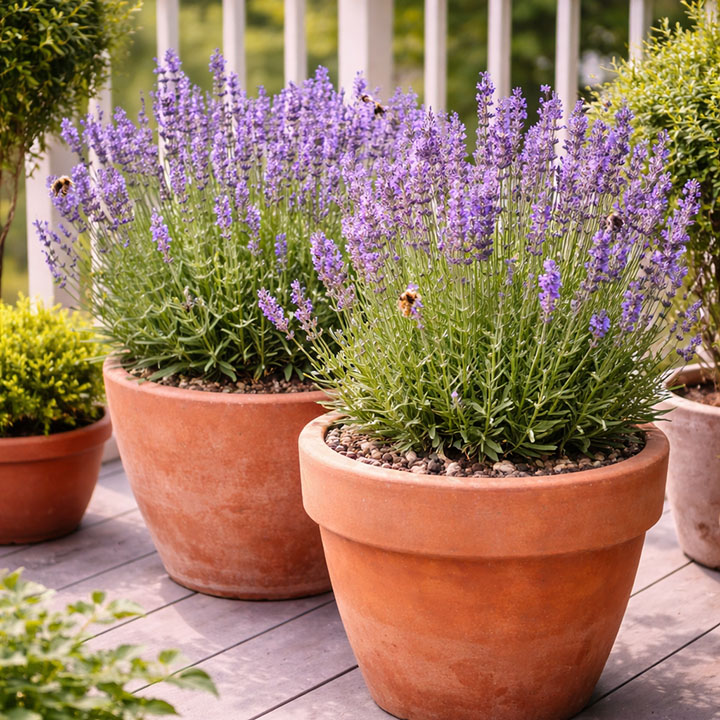
If you want more bees visiting your balcony, the best place to start is with flowers that are rich in nectar and pollen, bloom for a long period, and handle life in pots. A bee friendly balcony garden is not just good for pollinators. It also brings more movement, colour, and life into your outdoor space. Even a very small apartment balcony can become a useful feeding stop for bees when you choose the right plants and grow them well.
In Australia, bee friendly balcony gardening works especially well because many popular flowering plants thrive in containers, from herbs like lavender and rosemary to Australian natives like brachyscome, grevillea, and correa. The key is to match the plant to your sunlight, wind exposure, and city climate. A sunny balcony in Perth needs a different approach to a cool balcony in Melbourne or a humid one in Brisbane.
This guide covers the best bee friendly balcony plants for Australian conditions, how to choose them for your local weather, and how to turn even a compact balcony into a pollinator-friendly growing space.
Why grow bee friendly plants on a balcony?
Bees need reliable sources of nectar and pollen across as much of the year as possible. In dense urban areas, flowering balcony plants can help fill the gaps between parks, street trees, and backyard gardens. Your balcony may be small, but it can still act as a stepping stone for pollinators moving through the neighbourhood.
Bee friendly plants also tend to be rewarding for balcony gardeners because they are often colourful, fragrant, and long flowering. Many are well suited to pots, easy to maintain, and attractive to other beneficial insects as well.
- They help support bees and other pollinators in urban areas.
- They make balconies feel more alive and seasonal.
- Many bee friendly plants are drought tolerant once established.
- Herbs and flowering natives can be both useful and ornamental.
- You can create a high-impact planting scheme even in a small space.
What makes a balcony plant bee friendly?
The best bee friendly plants usually share a few practical traits. They produce nectar and pollen, have flowers bees can access easily, and bloom generously. For balconies, it also helps if the plants are suited to pots, cope with drying winds, and do not need constant attention.
- Long flowering period: Plants that bloom for weeks or months provide a more dependable food source.
- Nectar and pollen rich flowers: Bees visit flowers for both energy and protein.
- Open or accessible flower shapes: Single flowers are often easier for bees to use than very double, densely packed blooms.
- Good container performance: Plants need to handle restricted root space.
- Climate suitability: Heat, humidity, wind, and winter cold all matter on a balcony.
One of the simplest ways to support bees is to combine a few different plant types rather than relying on just one. A mix of herbs, annual flowers, and native shrubs can provide more continuous flowering across the year.
Best bee friendly balcony plants in Australia
These plants are among the best options for Australian balcony gardens because they are attractive to bees and generally adapt well to pots and planters.
1. Lavender
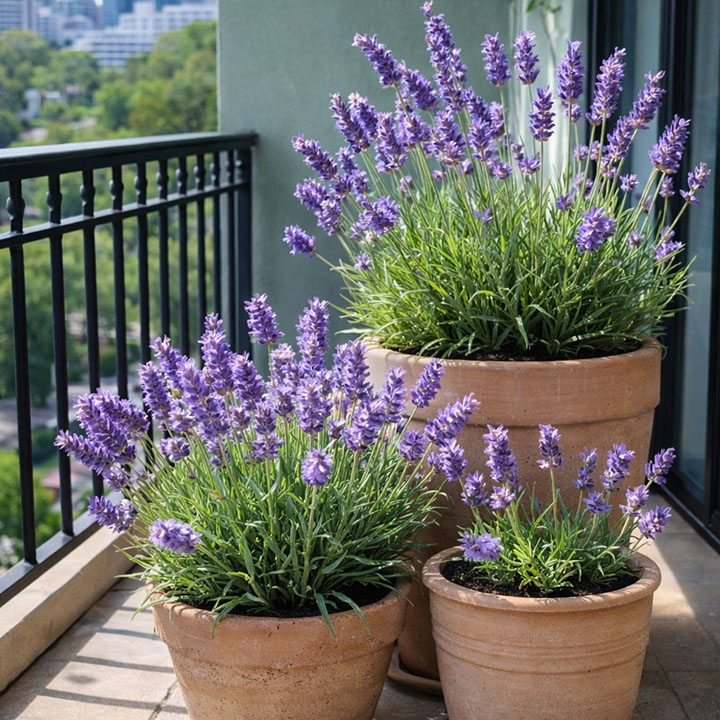
Lavender is one of the classic bee friendly balcony plants. Bees love the flower spikes, and gardeners love the silver foliage, fragrance, and tidy shape. It suits sunny balconies and performs best in free-draining potting mix.
- Best for: Sunny, dry balconies
- Good in: Melbourne, Adelaide, Perth, Canberra, Sydney
- Needs: Full sun, sharp drainage, moderate watering
2. Rosemary
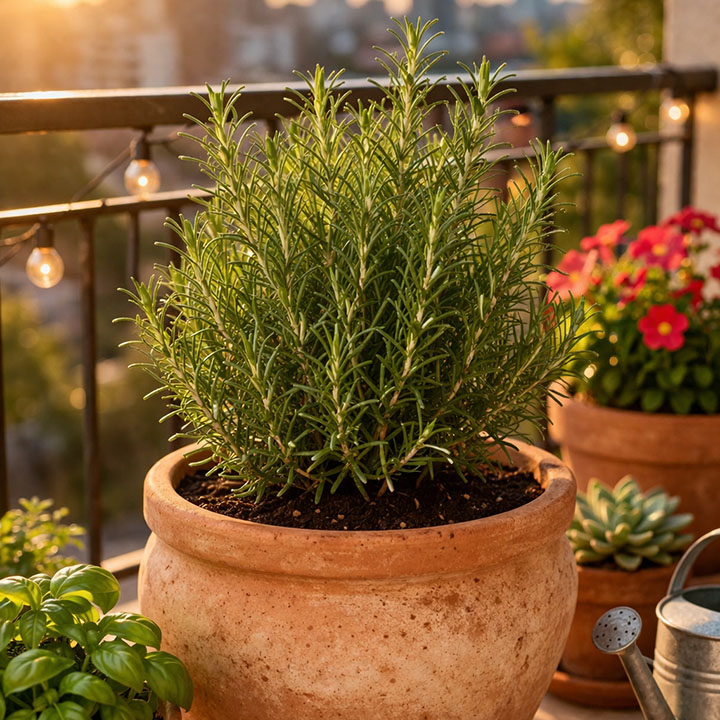
Rosemary is a brilliant balcony plant because it is both useful and ornamental. Bees visit its small blue flowers, and the plant handles heat, sun, and coastal conditions well. Upright forms work in pots, while trailing forms are excellent in balcony planters.
- Best for: Hot, sunny, exposed balconies
- Good in: Perth, Sydney, Brisbane, Adelaide, Melbourne
- Needs: Full sun and a pot that drains well
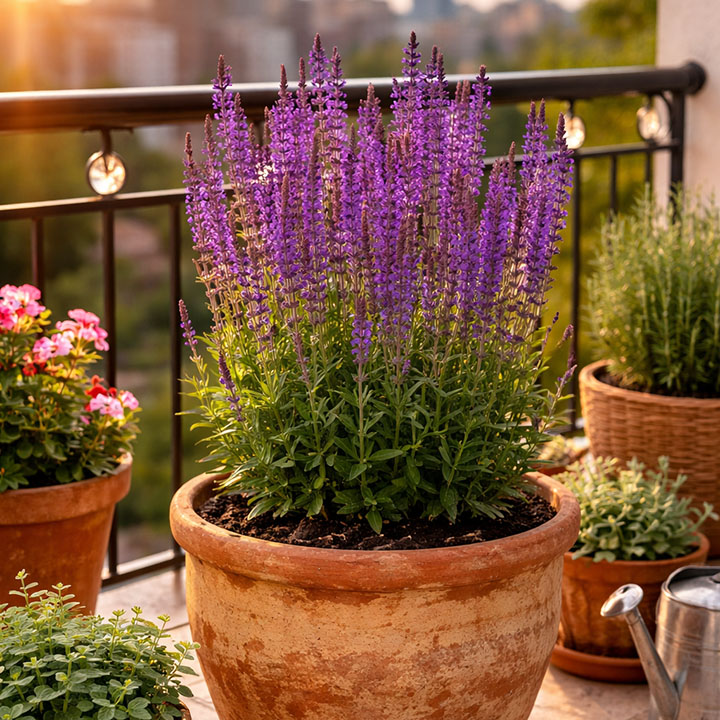
3. Salvia
Salvias are among the most reliable flowering plants for balcony gardens. Many varieties bloom for long periods, cope well in pots, and are highly attractive to pollinators. Choose compact forms for smaller spaces.
- Best for: Long colour display and repeated flowering
- Good in: Most Australian cities
- Needs: Sun to part sun, regular deadheading, consistent watering in hot weather
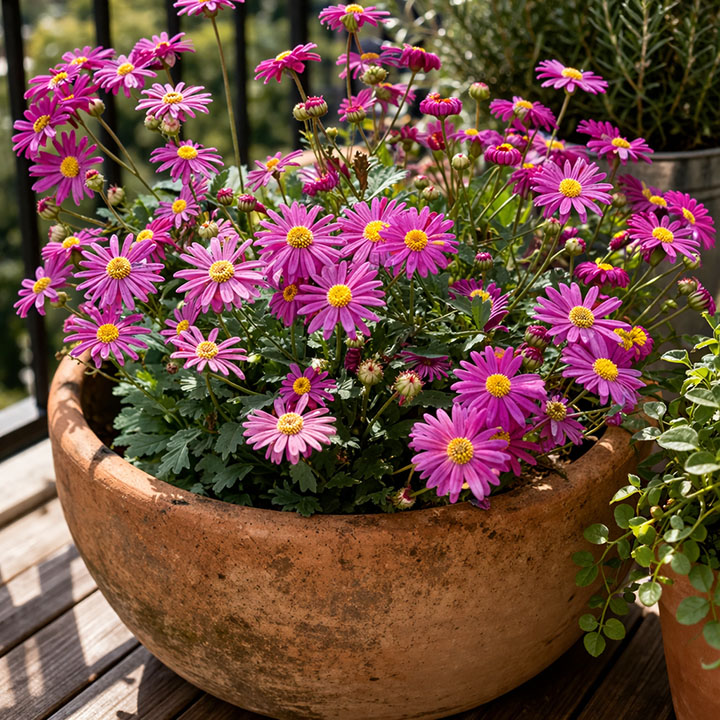
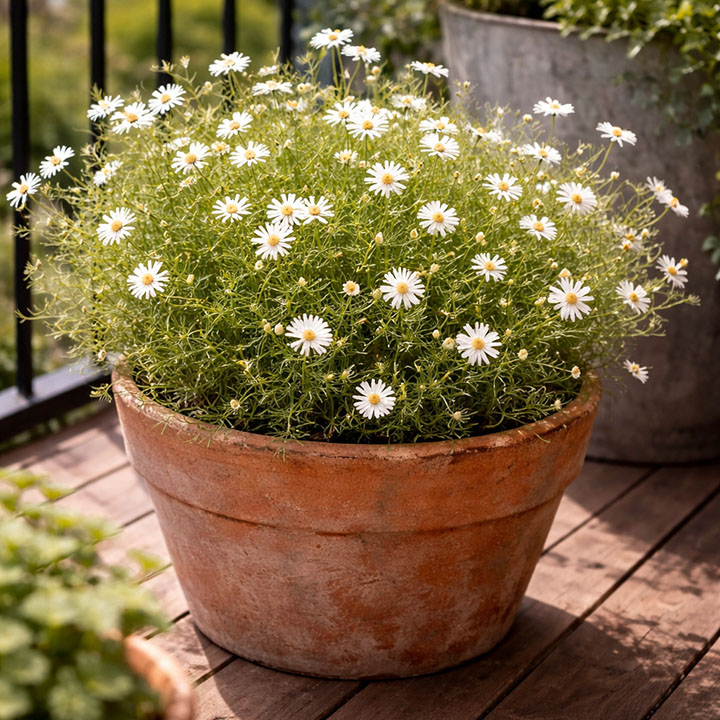
4. Brachyscome
Brachyscome, often called native daisy, is a very useful Australian choice for bee friendly balconies. It has small open flowers that are easy for pollinators to access and works beautifully in pots, window boxes, and mixed planters.
- Best for: Small balconies and mixed containers
- Good in: Sydney, Melbourne, Brisbane, Adelaide, Perth
- Needs: Sun or light part shade, steady moisture, good drainage
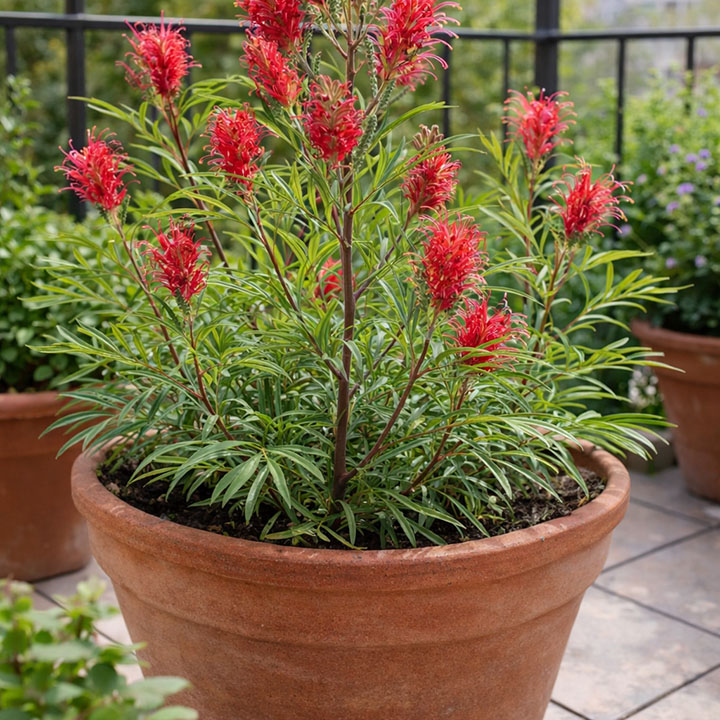
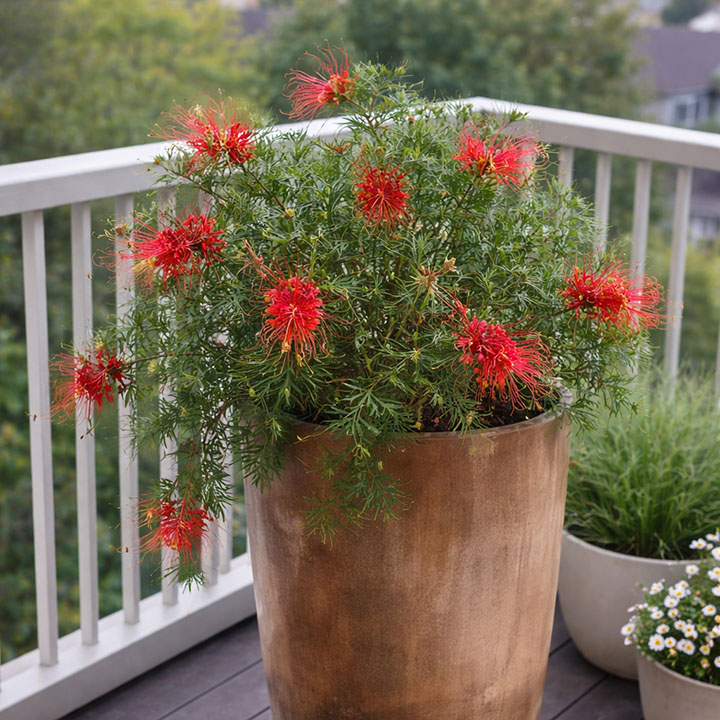
5. Grevillea
Compact grevilleas are outstanding balcony plants if you want an Australian native option. Their flowers are rich in nectar and attract bees as well as small birds. Choose dwarf or compact varieties for containers rather than large landscape forms.
- Best for: Native plant lovers and sunny balconies
- Good in: Most Australian cities, especially warm and bright spots
- Needs: Full sun, free-draining mix, not too much phosphorus
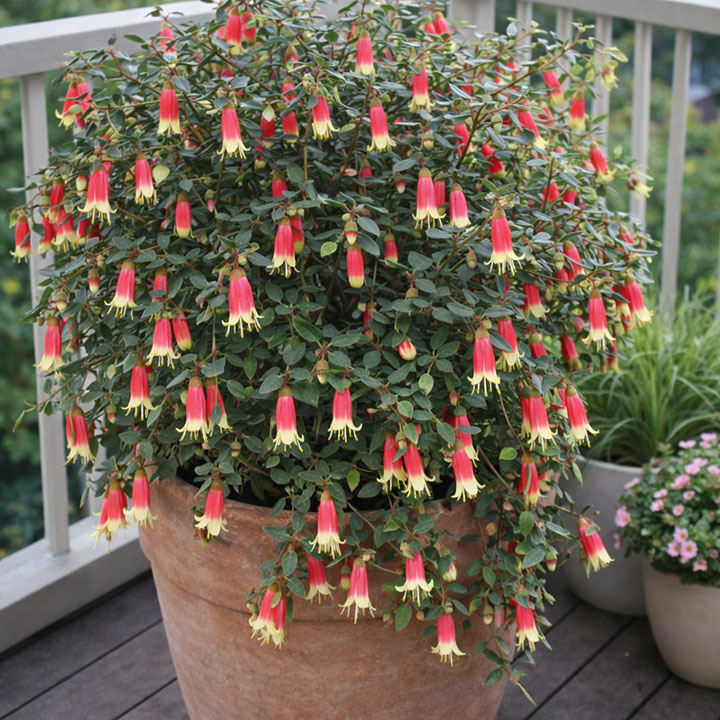
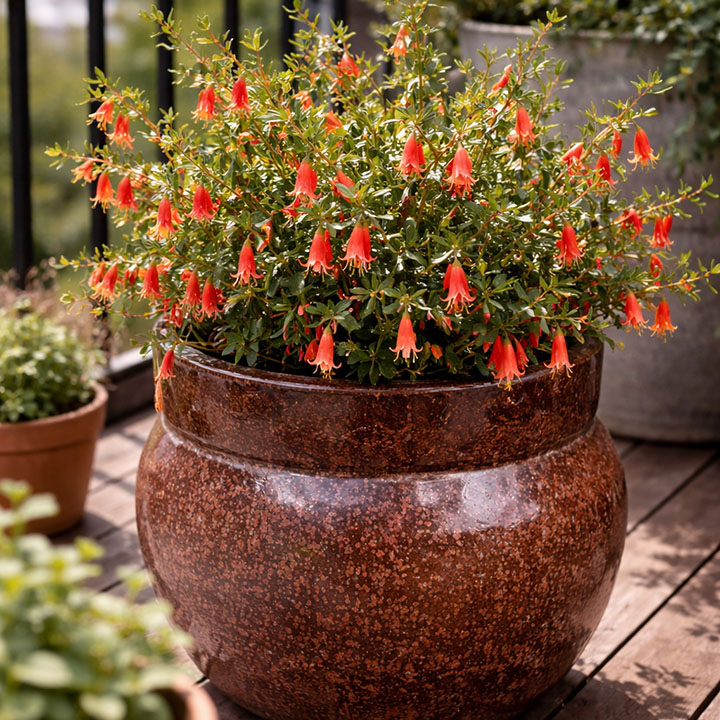
6. Correa
Correa is another excellent native choice for balcony pots. It has a neat habit, attractive foliage, and flowers well in cool seasons. It suits balconies that do not bake in full afternoon sun.
- Best for: Cooler or part-shade balconies
- Good in: Melbourne, Hobart, Canberra, Sydney
- Needs: Good drainage, some sun, protection from harsh drying winds
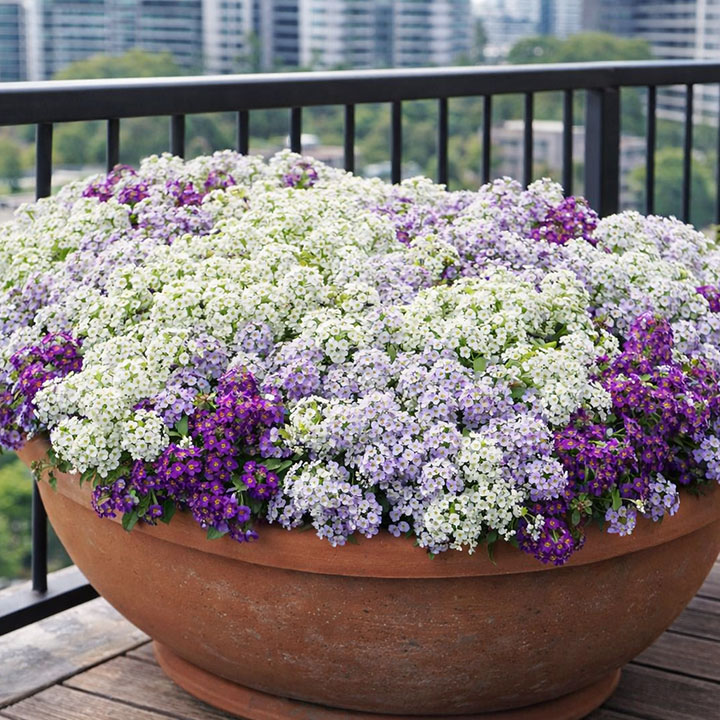
7. Alyssum
Alyssum is a small annual that punches above its weight in balcony gardens. It flowers heavily, smells sweet, and is excellent for softening the edges of pots and railing planters. Bees are frequent visitors.
- Best for: Small spaces and balcony boxes
- Good in: Most Australian cities in the cooler months or mild seasons
- Needs: Sun or part sun and regular moisture
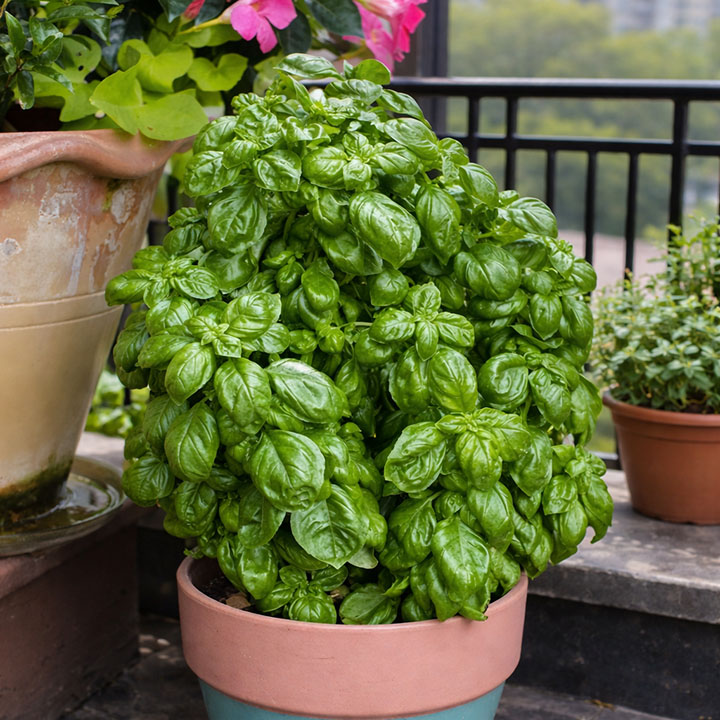
8. Basil
Most people grow basil for the leaves, but if you let some plants flower, bees will visit them readily. It is an easy way to make your edible balcony garden more pollinator friendly.
- Best for: Productive balcony herb gardens
- Good in: Sydney, Brisbane, Perth, Melbourne in warm weather
- Needs: Warmth, sun, and regular watering
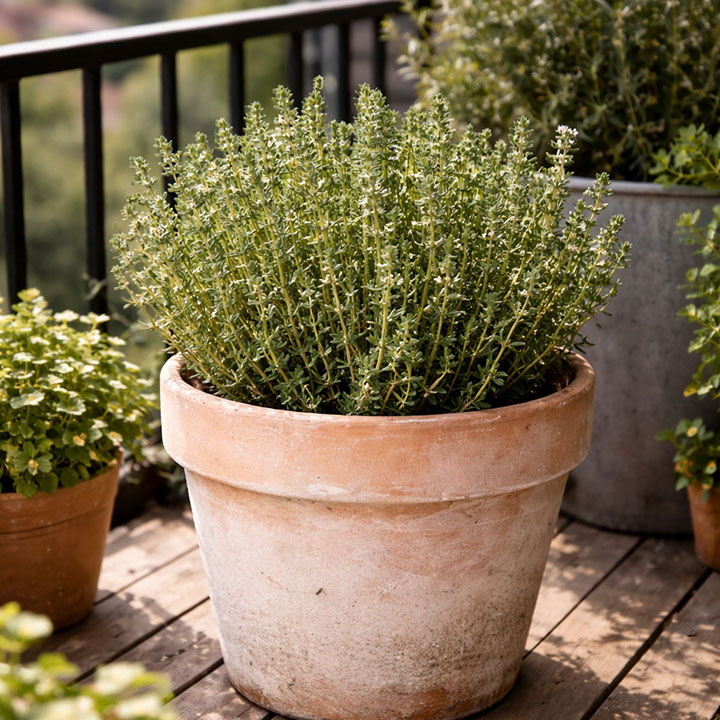
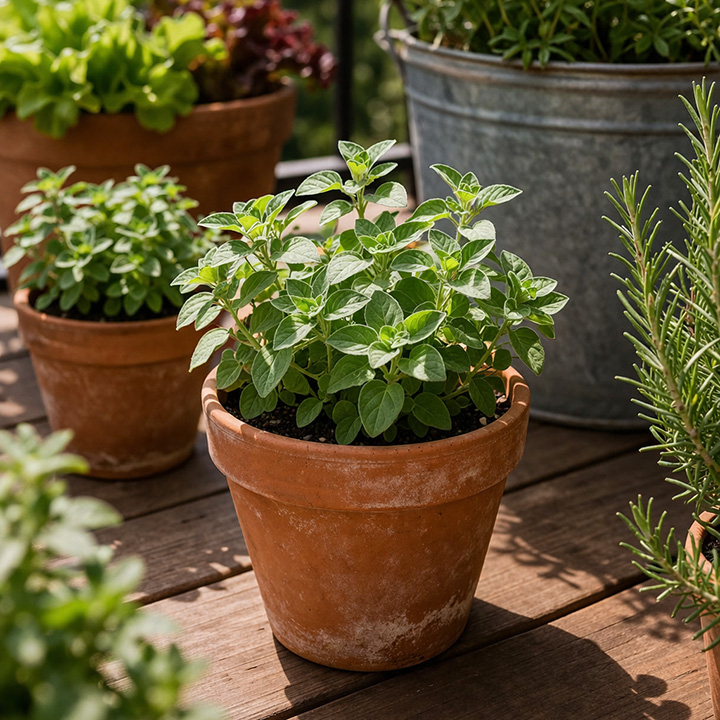
9. Thyme and oregano
These compact herbs are ideal for sunny balconies. When they flower, they become busy little bee plants while still being useful in the kitchen. They are perfect for small terracotta pots and trough planters.
- Best for: Compact sunny balconies
- Good in: Melbourne, Adelaide, Perth, Sydney, Canberra
- Needs: Full sun, light watering, excellent drainage
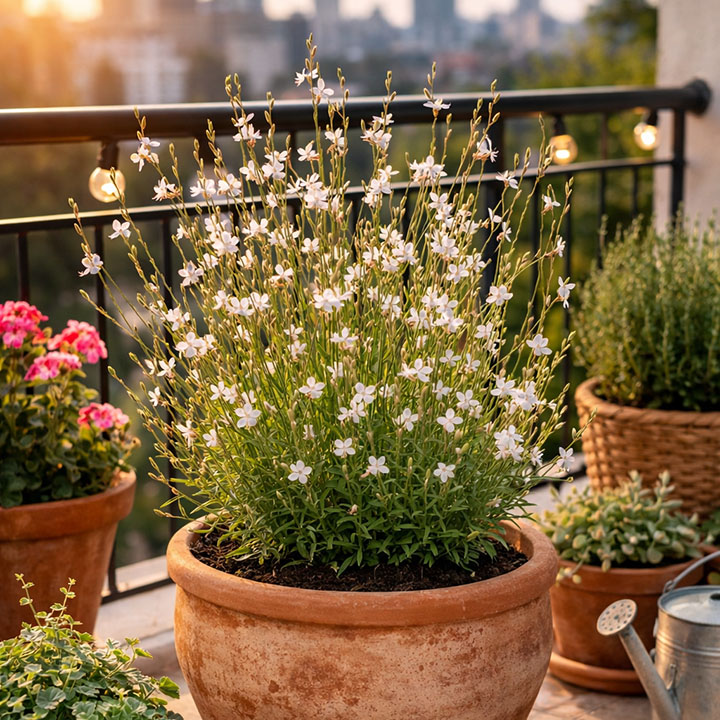
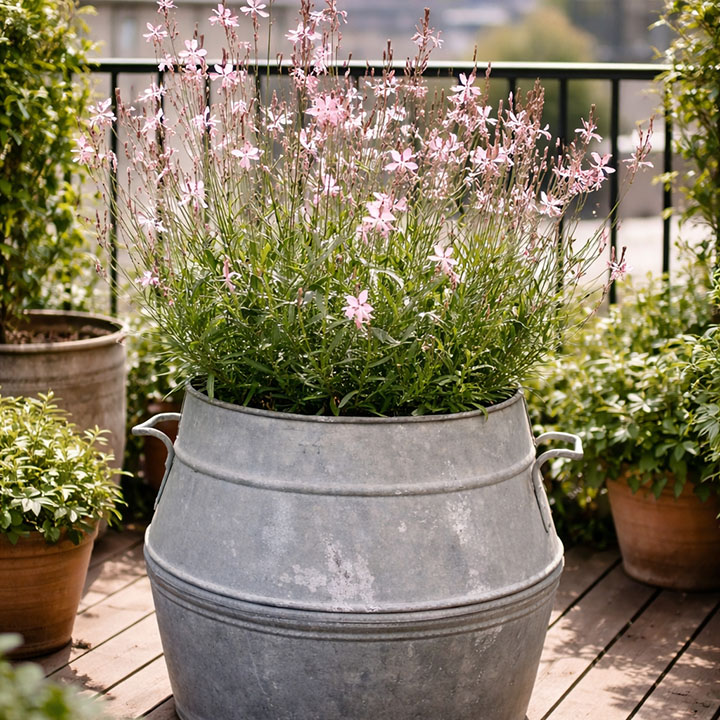
10. Gaura
Gaura has a light, airy habit that works beautifully on balconies. Its flowers seem to dance above the foliage, and it can bloom for a long period. It adds movement and softness to mixed container displays.
- Best for: Light, natural planting styles
- Good in: Sydney, Melbourne, Adelaide, Perth
- Needs: Sun, decent drainage, occasional trimming to keep it tidy
Best bee friendly plants by balcony condition
For full sun balconies
- Lavender
- Rosemary
- Salvia
- Thyme
- Oregano
- Grevillea
- Gaura
For part shade balconies
- Brachyscome
- Correa
- Alyssum
- Some compact salvias
- Basil in bright conditions
For windy balconies
- Rosemary
- Thyme
- Compact grevillea
- Correa
Wind matters more than many balcony gardeners expect. A sunny but windy balcony can dry out pots much faster than a sheltered one, so even drought tolerant plants need closer watering attention in containers.
Choosing bee friendly plants for Australian cities
Australia’s major cities have very different growing conditions. Matching your plants to your local climate gives you a much better chance of success.
Sydney
Sydney balconies often deal with warm summers, mild winters, coastal exposure, and varying humidity. Lavender, rosemary, salvia, brachyscome, alyssum, and compact grevilleas do well. Watch for drying winds near the coast and reflected heat on west-facing balconies.
Melbourne
Melbourne’s changeable weather means flexibility matters. Choose tough, adaptable plants that handle cool spells, wind, and bursts of heat. Lavender, rosemary, brachyscome, correa, salvia, and thyme are all strong choices. Good drainage is especially important in cooler months.
Brisbane
Brisbane balconies are warmer and more humid, so heat-tolerant and longer-flowering plants are useful. Basil, salvia, rosemary, brachyscome, and grevillea can perform well. Make sure airflow is good and avoid letting potting mix stay soggy for long periods.
Perth
Perth’s hot, dry summers favour sun-loving, drought-tolerant plants in well-drained pots. Lavender, rosemary, thyme, oregano, salvia, and grevillea are excellent fits. Use larger pots to reduce summer stress and consider mulching the soil surface.
Adelaide
Adelaide suits many Mediterranean-style herbs and flowering perennials. Lavender, rosemary, thyme, oregano, gaura, and salvia are all good options. Balconies that face west may need extra watering and some summer protection for softer plants.
Canberra
Canberra’s colder winters mean you should choose hardy balcony plants and be prepared for seasonal slowdowns. Lavender, rosemary, thyme, correa, and brachyscome are useful options. Position pots where they receive the best winter sun.
How to build a bee friendly balcony garden
Creating a pollinator-friendly balcony is about more than buying one or two flowering plants. A thoughtful setup will attract more bees and keep your plants healthier too.
- Use a range of plant heights: Combine trailing plants, mounding flowers, and a few upright shrubs or herbs.
- Plant in groups: Clusters of the same flower are easier for bees to spot than single scattered plants.
- Aim for overlapping bloom times: Choose a mix that flowers across more of the year.
- Avoid heavy pesticide use: Bee friendly gardening and pesticide-heavy gardening do not mix.
- Choose larger pots where possible: They dry out more slowly and support stronger flowering.
- Add shallow water carefully: A very shallow dish with pebbles can help insects land safely, but keep it clean and modest in size.
Even three or four well-chosen containers can make a difference. A sunny balcony with rosemary, lavender, alyssum, and salvia will usually attract more pollinator activity than a larger balcony planted only with foliage.
Best pots and soil for bee friendly balcony plants
Healthy, well-flowering plants are more useful to bees, so your potting setup matters. Most bee friendly balcony plants need sharp drainage, especially herbs and Australian natives that dislike sitting in wet soil.
- Use quality premium potting mix suitable for containers.
- Add pots with drainage holes only.
- Choose terracotta for breathability if you can keep up with watering, or use plastic/resin pots if your balcony dries out quickly.
- Use saucers carefully so roots are not left sitting in water for long periods.
- Refresh potting mix or top up nutrients regularly for long-term container health.
How to keep bee friendly balcony plants flowering longer
The more flowers your plants produce, the better your balcony will be for bees. A few simple habits can extend flowering and improve plant performance.
- Deadhead spent flowers on plants that respond well to it, such as salvia and gaura.
- Feed container plants lightly but regularly during active growth.
- Water deeply rather than giving frequent tiny splashes.
- Rotate pots if one side becomes leggy from uneven sun.
- Trim herbs after flowering flushes to keep them bushy and productive.
A simple bee friendly balcony planting idea
If you want an easy starting point, try this combination for a sunny Australian balcony:
- 1 compact lavender in a feature pot
- 1 trailing rosemary in a railing planter
- 2 brachyscome plants in a wide bowl
- 1 compact salvia in a medium pot
- 1 small pot of thyme or oregano near the seating area
- 1 edge planting of alyssum to soften the arrangement
This mix gives you a balance of nectar-rich flowers, fragrance, useful herbs, and layered shapes without overcrowding a small balcony.
Common mistakes to avoid
- Choosing plants that need full garden beds rather than container life.
- Using tiny pots that dry out too quickly.
- Ignoring balcony wind exposure.
- Growing only one species with one short flowering period.
- Overwatering Mediterranean herbs like lavender and rosemary.
- Using harsh chemical sprays on flowering plants.
Final thoughts
The best bee friendly balcony plants for Australia are the ones that flower well in pots, suit your local climate, and match your balcony’s sun and wind conditions. Lavender, rosemary, salvia, brachyscome, grevillea, correa, alyssum, and flowering herbs are all excellent places to start. With the right mix, even a compact balcony can become a vibrant little pollinator stopover filled with colour, scent, and movement.
Start with a few reliable plants, observe which spots on your balcony get the best sun and shelter, and build from there. In time, you can create a balcony garden that looks beautiful to you and is genuinely useful to bees as well.
FAQ: Best Bee Friendly Balcony Plants
What are the best bee friendly plants for a small balcony?
Some of the best choices for a small balcony are alyssum, brachyscome, thyme, oregano, compact lavender, basil, and small salvias. These plants do not need a lot of room and can flower generously in pots or railing planters.
Do bees really visit balcony plants?
Yes, bees often visit balcony plants, especially if the flowers are rich in nectar and easy to access. Even balconies in built-up areas can attract bees when there are enough flowering plants and the space gets reasonable sunlight.
Which Australian native plants are good for bees on a balcony?
Brachyscome, compact grevilleas, and correa are among the best Australian native options for balcony pots. They are attractive, useful to pollinators, and generally suit container growing when given the right drainage and light.
Are herbs good for bees?
Yes, many herbs are excellent for bees when allowed to flower. Lavender, rosemary, thyme, oregano, and basil are especially useful because they combine edible value with pollinator-friendly blooms.
What is the easiest bee friendly plant to grow in pots?
Rosemary is one of the easiest bee friendly plants to grow in pots. It handles sun, wind, and dry spells well once established, and its flowers are very attractive to bees.
Do bee friendly plants need full sun?
Many of the best bee friendly balcony plants prefer full sun, but not all of them need it all day. Plants like brachyscome, alyssum, and correa can still perform well in bright part shade, depending on your climate and balcony conditions.
How do I make my balcony more attractive to bees?
Grow several nectar-rich flowering plants, group them together, avoid pesticides, and aim for flowers across different seasons. Using a mix of herbs, annuals, and native shrubs usually works better than relying on one type of plant alone.
Can I grow bee friendly plants on a windy balcony?
Yes, but choose tougher plants such as rosemary, thyme, compact grevillea, and correa. Use heavier pots, group containers together for shelter, and check moisture more often because wind dries pots quickly.

Comments are closed.