
Climbing plants are one of the best ways to add greenery, privacy, softness, and vertical interest to a balcony, courtyard, fence, or garden wall. In Australian homes, they can also help shade hot surfaces, reduce glare, and make a small outdoor area feel more established and inviting. Whether you want flowers, fragrance, dense foliage, or quick coverage, there is a climber to suit almost every climate and space.
The key is choosing a plant that suits your local conditions. Australia’s climates vary widely, from humid Brisbane to cool Hobart, dry Adelaide to tropical Darwin. A climber that thrives on a sunny Perth wall may struggle on a shaded Melbourne balcony, so it is worth matching the plant to your city, sun exposure, and available support.
Why Climbers Work So Well in Small Gardens
Climbers make use of vertical space, which is especially useful on balconies and in compact backyards. Instead of taking up precious floor area, they grow upward across trellis, mesh panels, wires, pergolas, fences, and walls. This makes them ideal for privacy screening, hiding unattractive surfaces, creating a softer outlook, or simply bringing more plants into a limited space.
Some climbers are grown mainly for their flowers, some for their fragrance, and others for dense year-round foliage. The best ones for covering walls are usually those that can be pruned easily, adapt to containers if needed, and stay healthy in your local conditions.
Best Plants for Climbing and Covering Walls
Star Jasmine
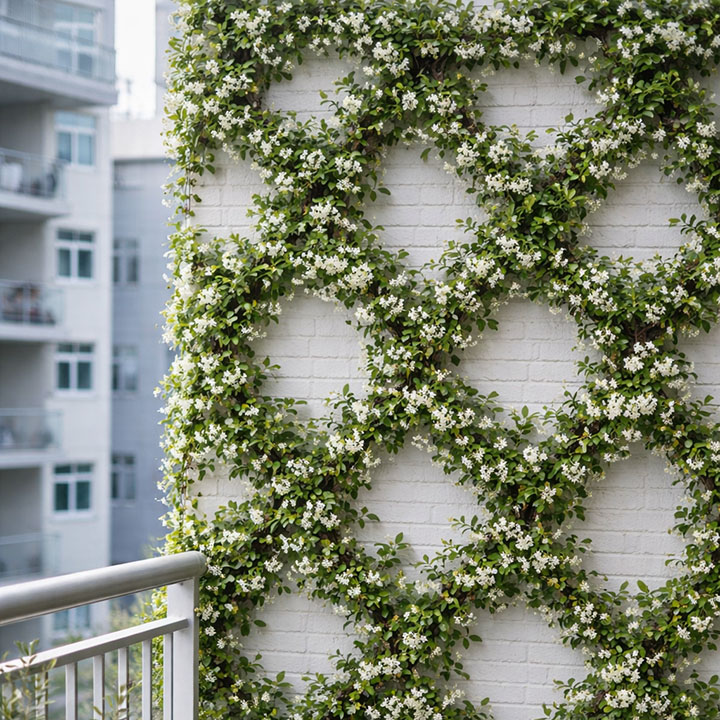
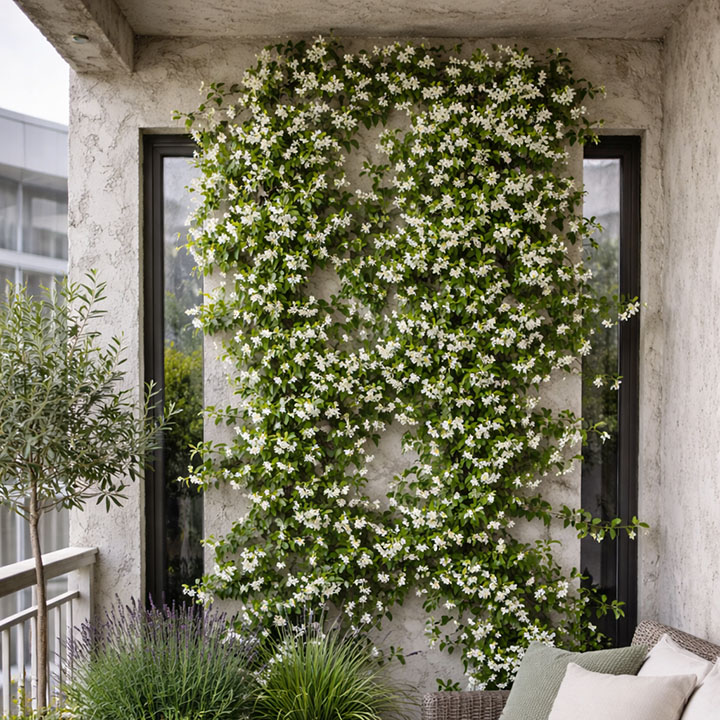
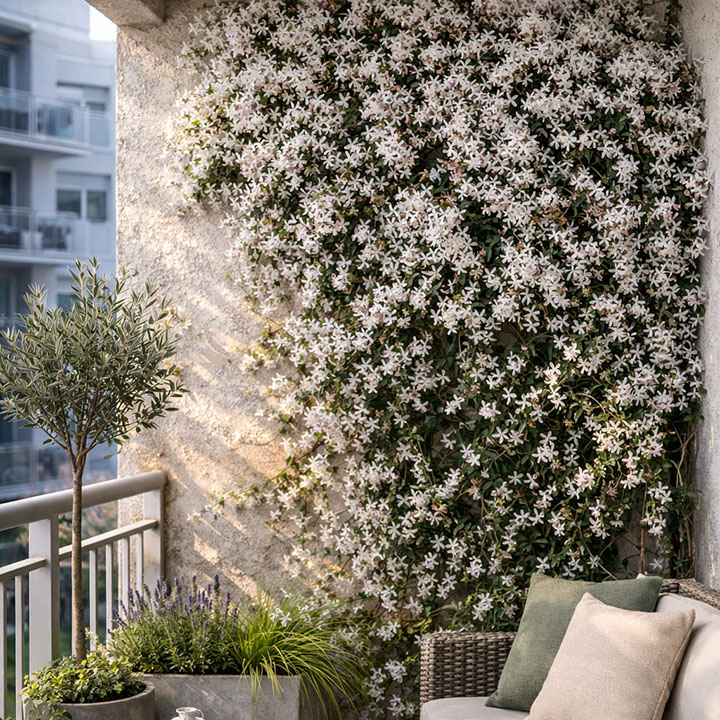
Star jasmine is one of the best all-round climbers for Australian homes. It has glossy evergreen leaves, fragrant white flowers, and a neat, tidy habit that suits modern and traditional spaces alike. It can be trained over trellis, mesh screens, balcony rail frames, and courtyard walls, making it especially useful where you want privacy without a wild or overly heavy look.
It handles pruning well and usually looks good all year, which makes it one of the safest choices for long-term wall coverage. It is ideal for balconies, entry areas, side fences, and small courtyards where fragrance is a bonus.
- Best for: evergreen coverage, fragrance, balcony screens
- Best feature: scented flowers and tidy growth
- Good for: Sydney, Melbourne, Brisbane, Adelaide, Perth
Hardenbergia
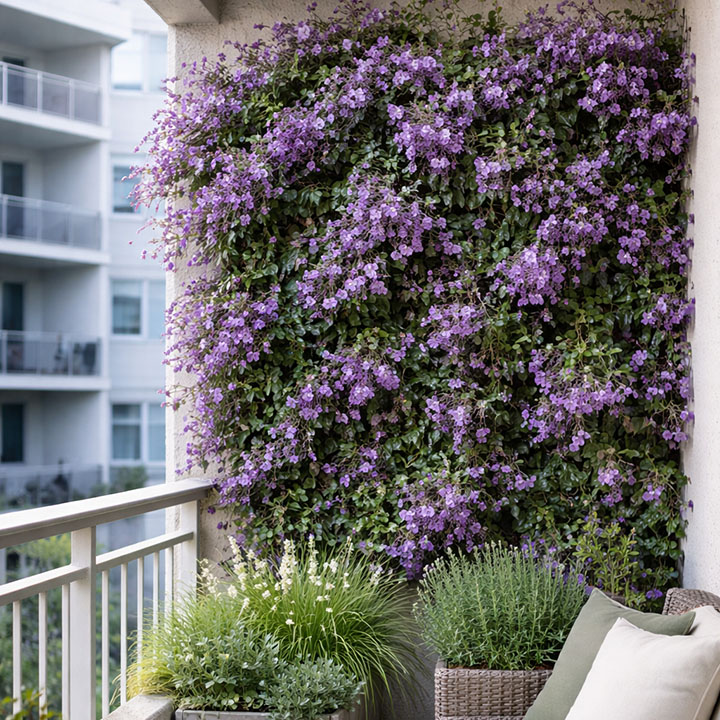
Hardenbergia is one of the best native climbers for Australian gardens. It produces masses of purple, mauve, or white pea-shaped flowers from winter into spring, adding colour at a time when many other plants are quiet. It has a lighter, softer look than some exotic climbers and works beautifully over trellis, fences, and sunny walls.
This is a great choice if you want a native plant with seasonal impact and lower water needs once established. It suits both informal gardens and cleaner modern spaces, particularly where you want something Australian that does not feel too bulky.
- Best for: native gardens, winter-spring colour, lightweight screening
- Best feature: colourful flowers in cooler months
- Good for: Melbourne, Adelaide, Perth, Canberra, Sydney, Hobart in sheltered spots
Pandorea
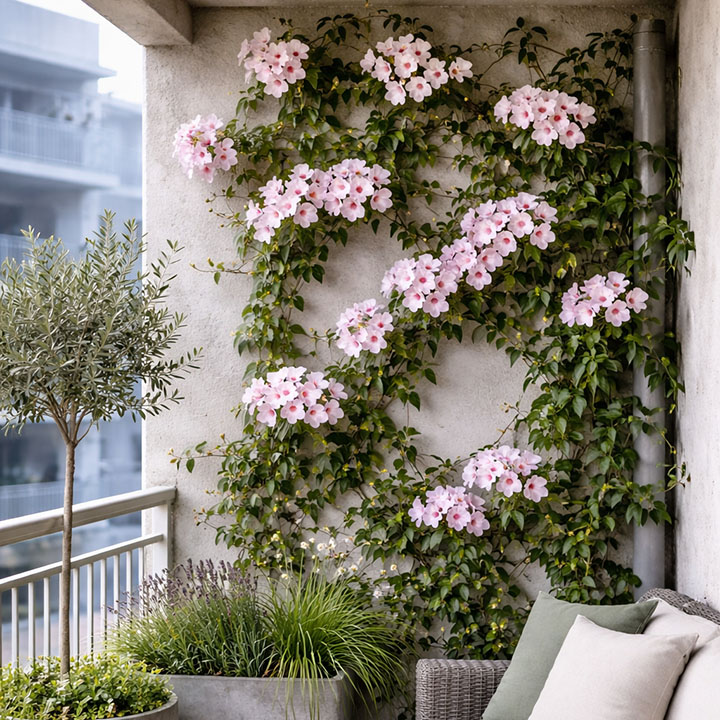
Pandorea is another excellent Australian climber, valued for its glossy leaves and trumpet-shaped flowers. It can give you a lush green screen along with a long flowering period through the warmer months. It grows well on vertical supports and can also be kept in a large pot if you prune it and provide strong structure.
It is ideal for courtyards, walls, and trellis screens where you want something that feels lush but still manageable. In compact spaces, regular trimming helps keep it full without becoming too heavy.
- Best for: flowering screens, trellis coverage, pots
- Best feature: long flowering season
- Good for: Brisbane, Sydney, Melbourne, Perth, Adelaide, Darwin
Bougainvillea
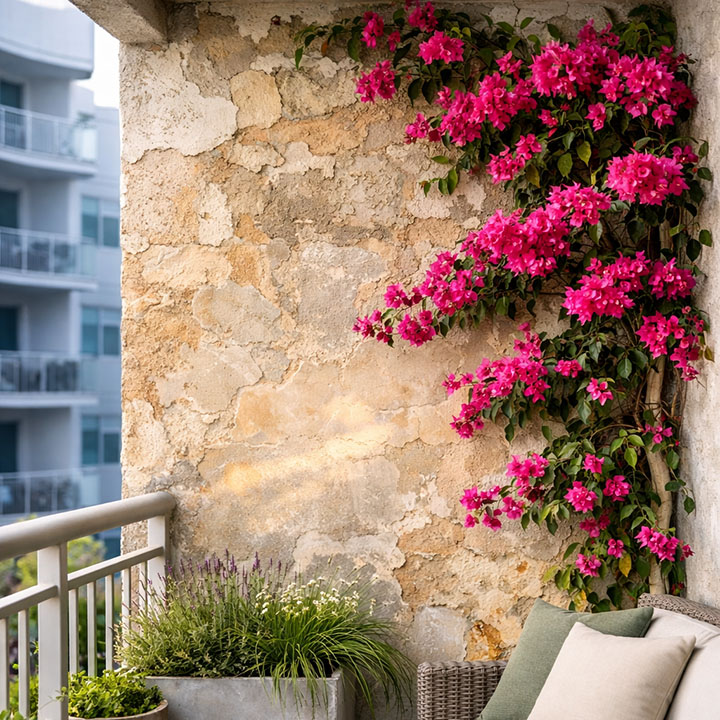
For hot sunny walls, bougainvillea is one of the best climbers available. It thrives in strong sun and brings intense colour through the warmer months. It is particularly effective on west-facing walls, bright courtyards, and Mediterranean-style balconies where other plants may struggle with reflected heat.
Bougainvillea is not the softest plant to manage, but if you want drama and can handle occasional pruning, it gives outstanding impact. It is one of the best choices for dry climates and sun-baked positions.
- Best for: hot walls, dry climates, bold colour
- Best feature: brilliant long-lasting colour in full sun
- Good for: Perth, Adelaide, Brisbane, Sydney, warmer Melbourne spots
Creeping Fig
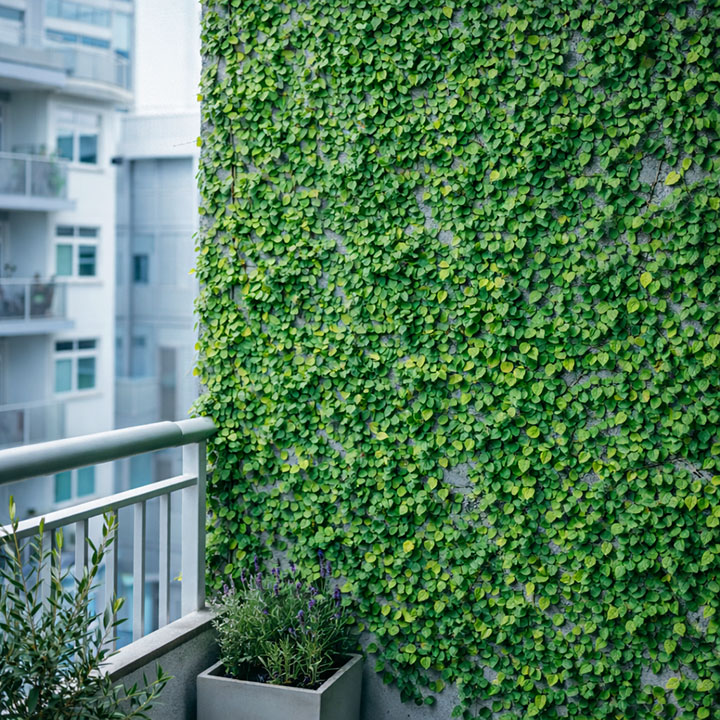
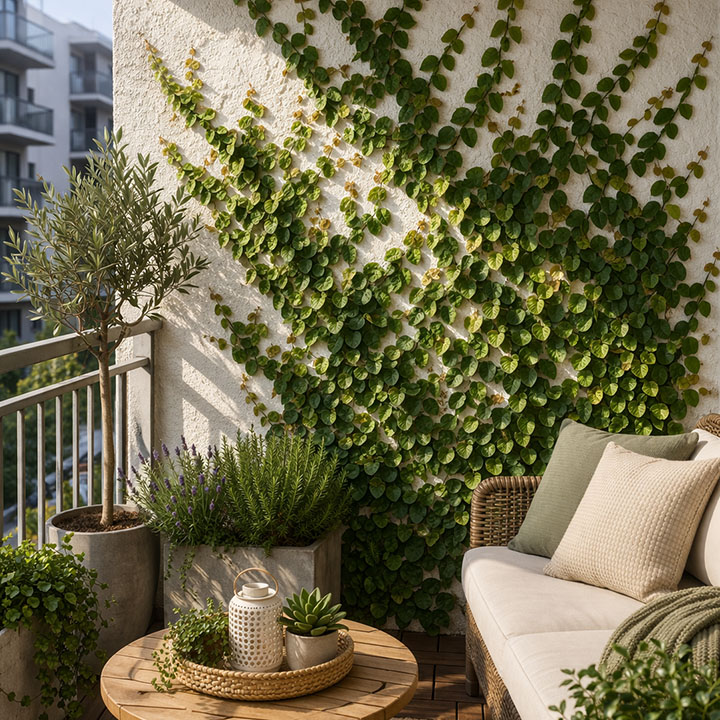
Creeping fig is one of the best plants for turning a plain wall into a green feature. It clings closely to surfaces and creates a dense living-wall effect, making it ideal for covering unattractive masonry, fences, or shaded courtyard walls. It is often chosen more for foliage and coverage than flowers.
This plant is especially useful where you want dense greenery in part shade. It does need management, because once established it can spread strongly, but when kept in check it provides one of the best foliage finishes of any wall climber.
- Best for: lush wall coverage, shady walls, disguising plain surfaces
- Best feature: dense clinging foliage
- Good for: Sydney, Brisbane, Melbourne, Canberra, sheltered urban spaces
Passionfruit
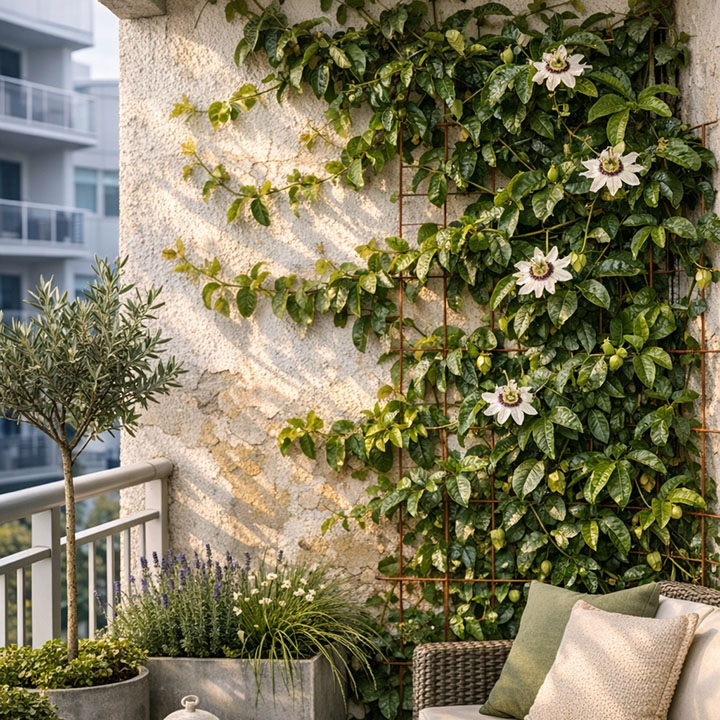
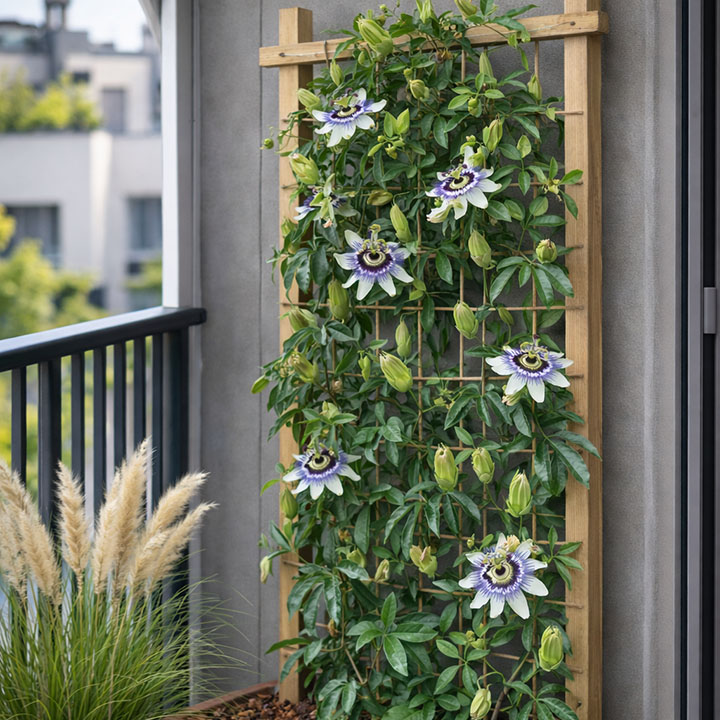
Passionfruit is a productive climber that also works beautifully as a wall or trellis cover. It has lush foliage, interesting flowers, and edible fruit, so it gives more than just ornamental value. On balconies and in courtyards, it can create a leafy screen while also producing a useful crop in warmer conditions.
Because it grows vigorously, it needs strong support, feeding, and regular watering in pots. It is best used where you have enough sun and enough room to manage its growth.
- Best for: edible screening, productive trellises, sunny walls
- Best feature: fruit as well as foliage
- Good for: Brisbane, Sydney, Perth, Adelaide, warmer parts of Melbourne, tropical and subtropical areas
Common Jasmine
If fragrance is your main goal, common jasmine is a beautiful choice for a warm wall or sheltered balcony. It has a looser, more romantic look than star jasmine and suits cottage-style planting, older terraces, and relaxed courtyard spaces. When in flower, it brings strong scent to windows, seating areas, and entryways.
It is better suited to warmer and more protected locations than colder inland gardens, but in the right position it is a rewarding plant with a timeless feel.
- Best for: fragrance, warm sheltered spaces, cottage gardens
- Best feature: strongly scented flowers
- Good for: Brisbane, Sydney, Perth, Adelaide, protected frost-free spots
Kennedia and Other Native Twining Climbers
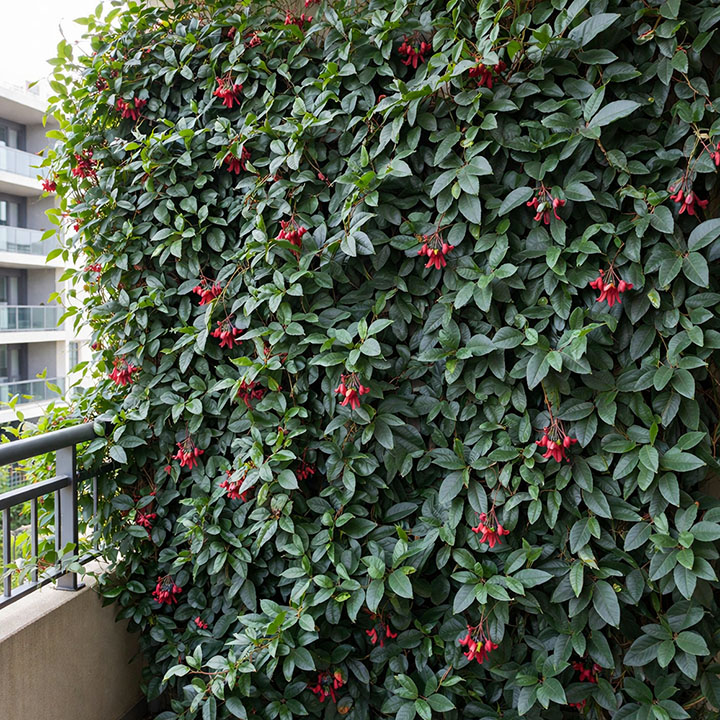
Kennedia species and similar native twining plants are excellent if you want a more natural, Australian feel. They can be trained over trellis, allowed to spill from elevated planters, or used to soften lower walls and screens. Their look is generally looser and more relaxed than star jasmine or creeping fig, which can be a real advantage in informal gardens.
These climbers are a good fit for wildlife-friendly planting schemes and for gardeners who want native character without a heavy or overly formal screen.
- Best for: native gardens, relaxed screening, soft coverage
- Best feature: natural Australian character
- Good for: temperate and subtropical climates with good drainage
Best Choices by Australian City and Climate
Sydney: Sydney’s warm summers and relatively mild winters suit a wide range of climbers. Star jasmine, pandorea, passionfruit, creeping fig, and bougainvillea all do well here, especially with good airflow and regular pruning.
Melbourne: Melbourne’s cooler winters and changeable weather mean reliable all-rounders tend to perform best. Star jasmine and hardenbergia are two of the safest options, while pandorea can also do well in a warm protected spot. Bougainvillea usually needs the sunniest wall you can offer.
Brisbane: Brisbane’s warmth and humidity allow vigorous growth, which is great for wall coverage but means pruning matters. Star jasmine, pandorea, passionfruit, common jasmine, and creeping fig all suit Brisbane well. Dense climbers should be thinned occasionally to improve airflow.
Perth: Perth’s dry summers and strong sun suit tough sun-lovers such as bougainvillea, hardenbergia, pandorea, and star jasmine. Deep watering while plants establish is important, especially on hot exposed walls and balconies.
Adelaide: Adelaide’s hot dry summers are ideal for climbers that can handle strong light and heat. Bougainvillea is one of the top choices, followed by star jasmine, hardenbergia, and pandorea. Mulch and deeper pots help reduce water stress.
Hobart: Hobart gardeners should focus on tough climbers for cool conditions and sheltered positions. Hardenbergia and star jasmine are among the better choices, especially with good drainage and some protection from cold winds.
Canberra: Canberra’s frosty winters mean climbers need to be chosen carefully. Star jasmine and hardenbergia are reliable options, especially in sunny protected positions. More tender climbers usually need extra shelter.
Darwin: Darwin’s tropical climate favours vigorous climbers, but wet-season growth can be fast and heavy. Pandorea, jasmine, passionfruit, and star jasmine can all work well if they have strong support and regular trimming.
Tips for Growing Climbers on Walls and Balconies
- Use strong support such as trellis, wire, or mesh rather than expecting the plant to manage on its own.
- Choose a large pot if growing on a balcony so roots have room and moisture lasts longer.
- Water deeply during hot weather, especially in exposed or west-facing positions.
- Feed flowering and fruiting climbers during the growing season to keep them performing well.
- Prune regularly to maintain shape, prevent tangles, and improve airflow.
- Keep climbers slightly away from the wall where possible so pruning and maintenance are easier.
How to Choose the Right Climber
If you want evergreen privacy, star jasmine is usually the safest pick. If you want a native flowering option, try hardenbergia or pandorea. If you have a very hot wall, bougainvillea is hard to beat. If you want to cover an unattractive wall quickly, creeping fig is a strong option. And if you want a climber that also produces food, passionfruit is a practical and attractive choice.
In most small spaces, one well-chosen climber trained properly will look better and be easier to manage than several competing plants. Matching the climber to your wall conditions is more important than choosing the flashiest flower colour.
FAQ
What is the best climber for covering a wall quickly?
Creeping fig is one of the best for fast dense green coverage, especially if flowers are not your main priority. Passionfruit and pandorea can also cover supports quickly in warm climates.
What is the best evergreen climber for an Australian balcony?
Star jasmine is one of the best evergreen climbers for Australian balconies because it looks neat, flowers well, and responds to pruning. It also works well in large pots with proper support.
Which climber is best for a hot sunny wall?
Bougainvillea is one of the best choices for a hot, sunny, west-facing or north-facing wall. It thrives in strong sun and handles dry conditions better than many other climbers once established.
What is the best native climber for walls in Australia?
Hardenbergia is one of the most reliable native climbers for Australian homes, especially in temperate climates. Pandorea is another excellent native choice if you want a lush flowering climber.
Can climbing plants grow in pots?
Yes, many climbers do well in pots if the container is large enough and the plant has strong support. Star jasmine, pandorea, passionfruit, and some native climbers are all suitable for container growing.
How do I keep a climber from becoming messy?
Prune lightly and regularly rather than waiting until the plant becomes overgrown. Tie in new growth, remove tangled stems, and keep airflow through the foliage, especially in humid cities like Brisbane and Sydney.
The best wall-covering climbers are the ones that match your conditions. Choose by climate, sun, and maintenance level first, and you will end up with a healthier, better-looking plant that makes your wall or balcony feel greener and more inviting all year.

Comments are closed.