
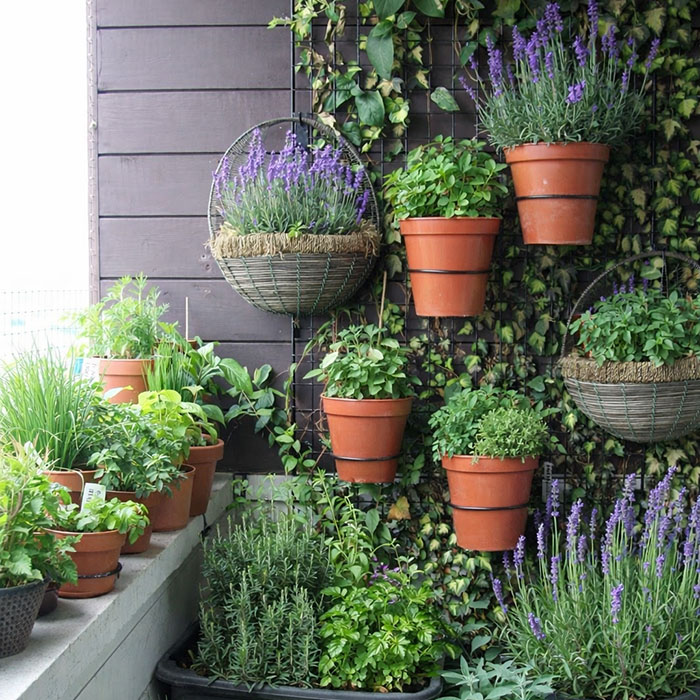
Balcony gardening is one of the easiest ways to start growing plants at home, even if you live in an apartment, townhouse, or rental. You do not need a backyard to grow herbs, flowers, chillies, lettuce, tomatoes, or even small citrus trees. With the right setup, a balcony can become a productive, beautiful outdoor space that gives you fresh food, greenery, privacy, and a reason to spend more time outside.
A balcony garden can do more than improve the look of your apartment or townhouse. A garden on your balcony can have positive effect on your mental health. Even a small collection of plants can make a balcony feel calmer, more private, and more restorative, giving you a quiet space to step away from screens, work, and daily stress. Watering plants, checking new growth, and spending a few minutes outside each day can create a simple routine that feels grounding and rewarding. For many people, a balcony garden adds a sense of purpose, helps reduce stress, and makes apartment living feel more connected to nature.
Australia is not one single climate. What grows well on a balcony in Hobart may struggle in Darwin. A north-facing balcony in Melbourne behaves differently from a shaded balcony in Brisbane. That is why beginners do best when they start with the basics first, then match plants and containers to their local conditions.
This guide explains everything a beginner in Australia needs to know to start a balcony garden, including sunlight, wind, containers, potting mix, watering, plant choices, and how to adapt your garden to each capital city.
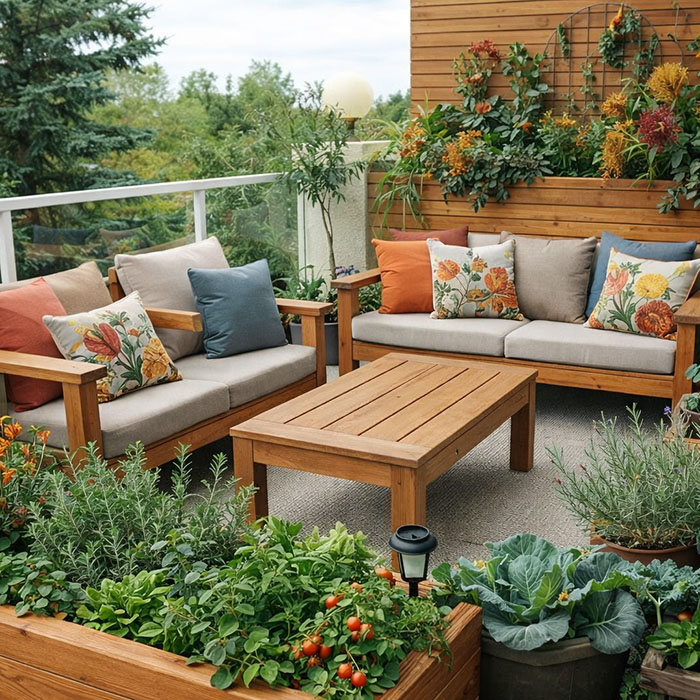
Why balcony gardening is perfect for beginners
Balcony gardens are easier to manage than full backyards because the space is smaller and more controlled. You can see your plants every day, water them quickly, and notice problems early.
A balcony garden can help you:
- grow fresh herbs and vegetables
- create a more private and relaxing outdoor space
- make a hot concrete balcony feel cooler and greener
- decorate a rental without permanent changes
- start small and build gradually
For beginners, that last point matters a lot. You do not need to build a full garden in one weekend. You can start with three pots, learn what works, then expand.
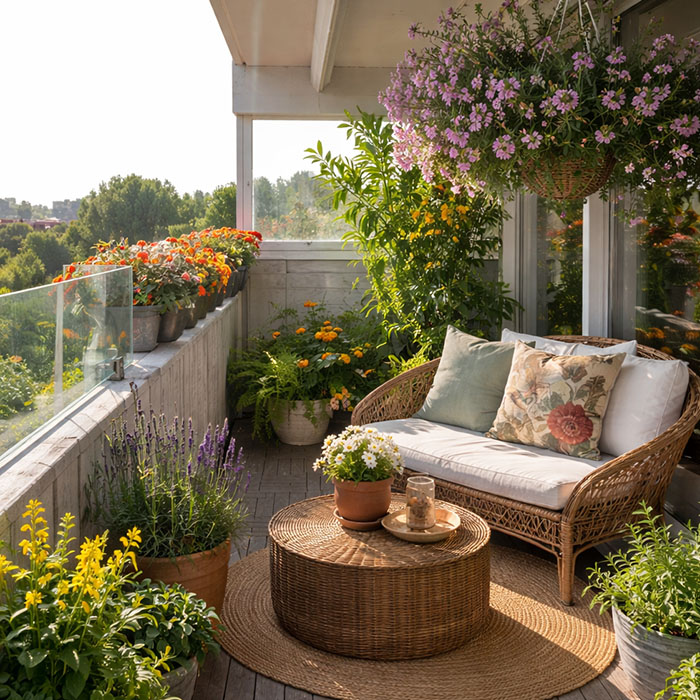
Step 1: Understand your balcony before buying anything
Before choosing plants, spend a few days studying the balcony.
Look at:
- how much direct sun it gets
- what time of day the sun hits
- how windy it is
- whether the area gets hot reflected heat from walls or glass
- how much weight and floor space you realistically want to use
Sunlight
Most edible plants need good light. Herbs and vegetables generally perform best with at least 4 to 6 hours of sun, and fruiting plants like tomatoes, capsicum, and chillies often prefer more.
A balcony usually falls into one of these categories:
Full sun
6 or more hours of direct sunlight. Great for tomatoes, rosemary, basil, lavender, chillies, strawberries.
Part sun
3 to 5 hours of direct sunlight. Good for parsley, mint, lettuce, spinach, spring onions, rocket.
Shade or bright indirect light
Less than 3 hours of direct sun. Better for foliage plants, ferns, some flowers, and a smaller range of edibles.
Wind
Wind is one of the biggest balcony gardening issues in Australia, especially on higher floors. It dries pots fast, damages stems, and stresses plants.
Heat
Balconies can become much hotter than a backyard because concrete, brick, tiles, and glass reflect heat. A west-facing balcony in summer can be brutal.
Access
Make sure you can still sit outside, open doors, and move around. Many beginners overfill a balcony and make it less usable.
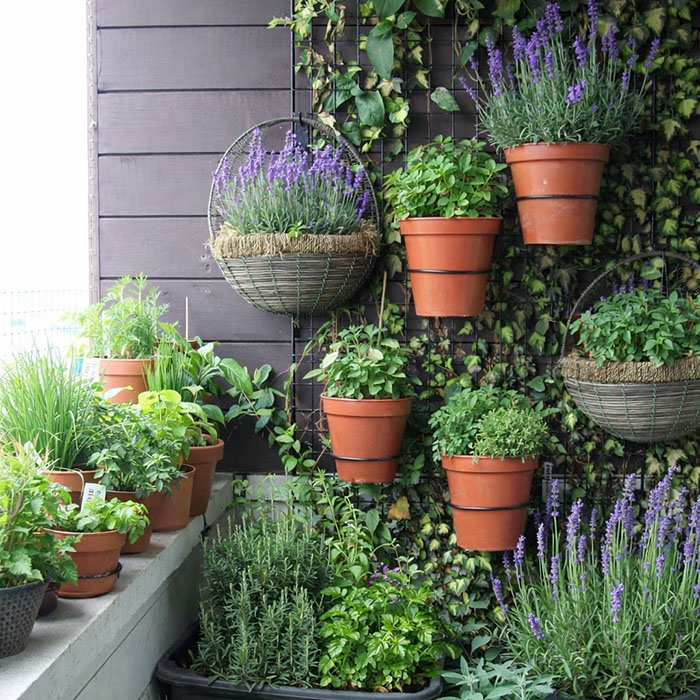
Step 2: Start with the right containers
Containers are everything in balcony gardening. They determine root space, water retention, drainage, and how often you need to water.
Good beginner container choices
Plastic pots
Lightweight, affordable, easy to move, good for most balconies.
Fibreglass or resin planters
Stylish and lighter than ceramic. Great for larger statement pots.
Terracotta pots
Classic look, but they dry out faster. Better for herbs that like drier conditions, such as rosemary and thyme.
Raised balcony planters
Very practical for herbs, lettuces, and compact vegetables.
Rail planters
Useful for herbs, flowers, and trailing plants, but make sure they are secure.
Fabric grow bags
Good drainage, lightweight, useful for vegetables, though less decorative.
Container size matters
Beginners often choose pots that are too small. Small pots dry out quickly and restrict growth.
As a rough guide:
- herbs: 20 cm pot minimum
- lettuce and leafy greens: 20 to 30 cm deep
- tomatoes: 30 to 40 cm deep minimum
- dwarf citrus: large pot, often 40 cm or more
- climbing vegetables: deep pot plus support
Bigger pots are more forgiving because they hold moisture longer.
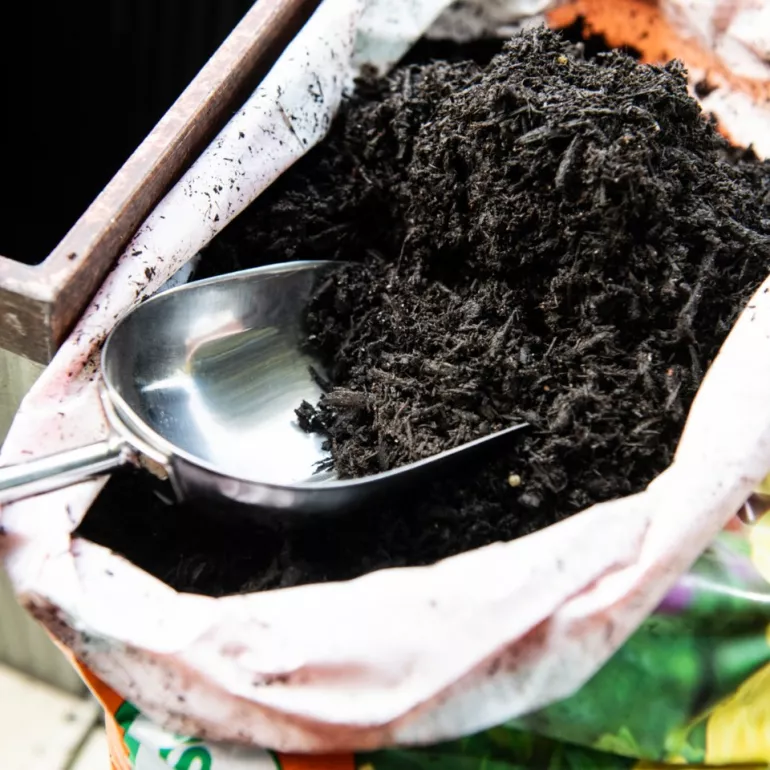
Step 3: Use potting mix, not garden soil
Never fill balcony pots with soil dug from the ground. It compacts, drains badly, and can introduce pests and diseases.
Use a good-quality potting mix made for containers. Cheap potting mix can cause problems, especially in Australian heat. A good mix drains well but still holds enough moisture for roots to grow evenly.
For beginners, it also helps to add:
- slow release fertiliser
- mulch on top of the pot
- wetting agent if your mix dries out badly
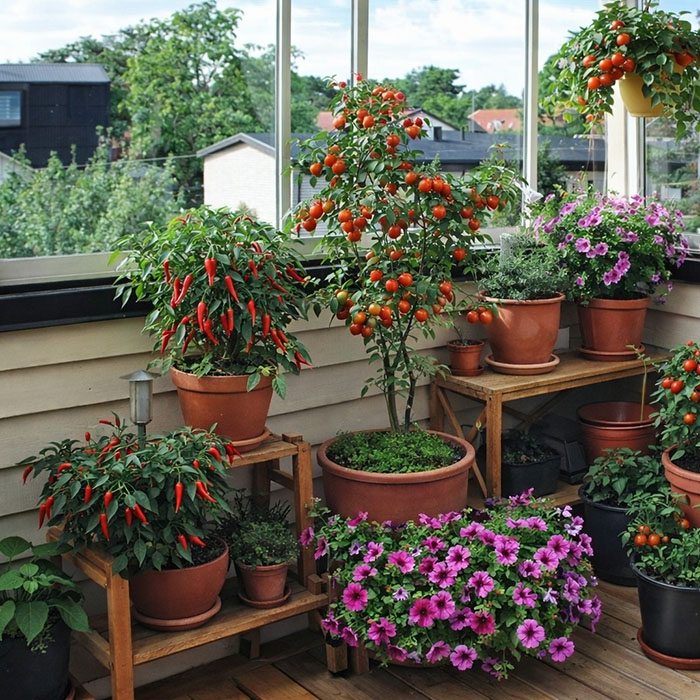
Step 4: Pick easy plants first
The easiest way to succeed is to grow plants that already suit balcony life.
Best herbs for Australian balcony beginners
Herbs are usually the best first step because they are useful, compact, and rewarding.
Start with:
- basil
- parsley
- mint
- thyme
- oregano
- rosemary
- chives
- coriander, in cooler months
Best vegetables for beginners
Choose compact, fast, or productive plants.
Good options include:
- cherry tomatoes
- lettuce
- rocket
- spinach
- silverbeet
- spring onions
- chillies
- dwarf beans
- radishes
- strawberries
Best flowers for a balcony
Flowers bring colour and can attract pollinators.
Good beginner flowers include:
- marigolds
- nasturtiums
- petunias
- geraniums
- alyssum
- violas in cooler weather
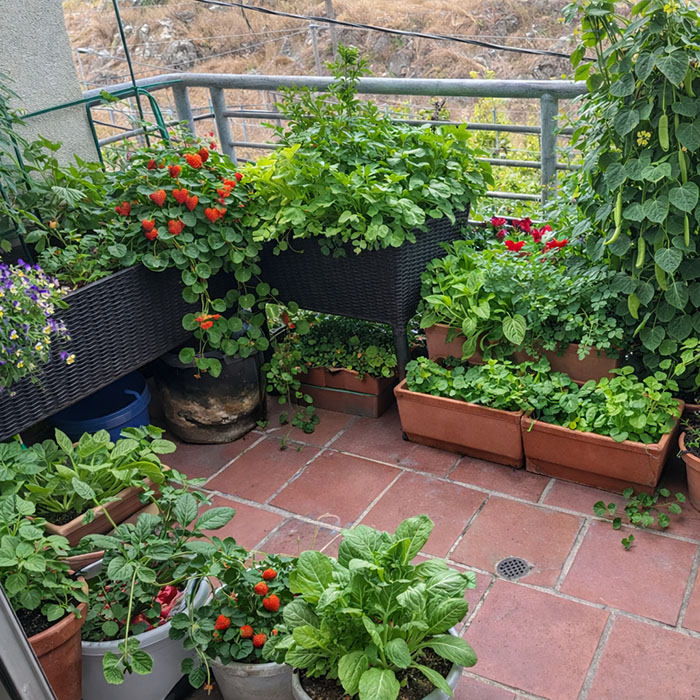
Step 5: Match the plants to the balcony style
A good balcony garden is not just a random set of pots. It should have a clear purpose.
You might want:
A cooking balcony
Focus on herbs, chillies, tomatoes, spring onions, and leafy greens.
A relaxing green balcony
Use layered foliage, hanging plants, a small tree, and soft flowers.
A productive edible balcony
Grow herbs, compact vegetables, strawberries, beans, and salad greens.
A privacy balcony
Use taller plants, trellis screens, climbers, and upright shrubs.
For most beginners, a mix works best: a few herbs, a few vegetables, and one or two decorative plants.
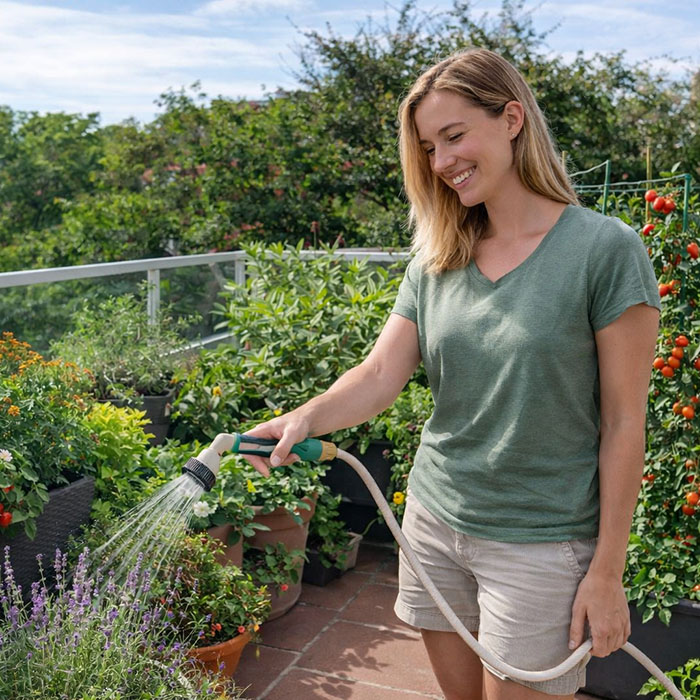
Step 6: Watering is the biggest beginner challenge
Australian balconies dry out fast, especially in summer. Containers can go from perfect to bone dry in a day during hot spells.
Basic watering rules
- water deeply, not just a quick splash
- water the soil, not just the leaves
- check pots daily in warm weather
- expect to water more in summer and less in winter
- bigger pots need less frequent watering than tiny pots
Signs of under-watering
- drooping leaves
- dry potting mix pulling away from edges
- crispy leaf tips
- flowers dropping
Signs of over-watering
- yellowing leaves
- soggy mix
- fungus gnats
- root rot smell
If you travel often or do not want to water daily, self-watering pots are worth considering.
Step 7: Feed your plants regularly
Pots run out of nutrients faster than garden beds. Even the best potting mix does not feed plants forever.
A simple beginner routine is:
- slow release fertiliser every few months
- liquid feed every 1 to 2 weeks during active growth for heavy feeders like tomatoes and basil
Leafy greens and herbs do well with steady feeding. Fruiting plants need more support once they start producing.
Step 8: Use vertical space
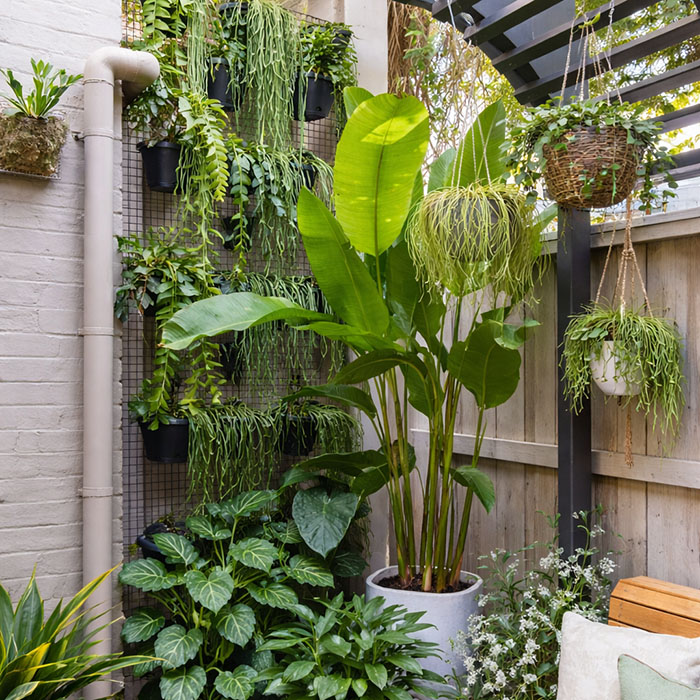
Balconies are small, so think upwards.
You can use:
- trellises
- wall planters
- plant shelves
- hanging baskets
- railing planters
- tiered stands
Vertical gardening helps you fit more plants without losing floor space. It also makes a balcony feel fuller and more designed.
Step 9: Protect plants from harsh conditions
Balcony plants deal with more extremes than garden plants.
Wind protection
Use screens, taller pots near edges, or trellis panels to reduce wind exposure.
Heat protection
Use mulch, larger pots, and afternoon shade for sensitive plants.
Cold protection
In cooler cities, move tender plants closer to walls in winter or cover them on cold nights.
Step 10: Expect trial and error
Every balcony is different. Two balconies in the same suburb can behave differently depending on height, direction, and surrounding buildings.
That is normal. Balcony gardening is partly about observation.
Start small. Watch what thrives. Then build from there.
Balcony gardening in Australia’s capital cities
This is where local conditions matter most.
Sydney
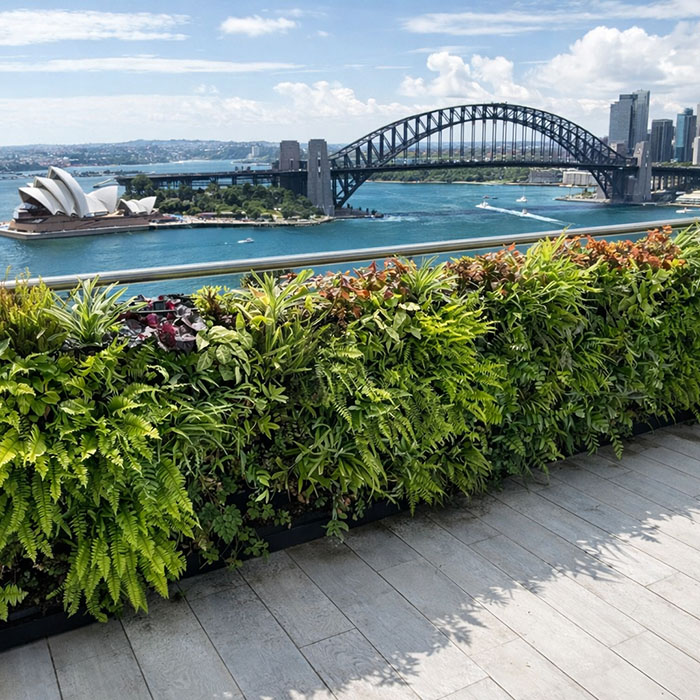
Sydney’s climate is generally mild to warm, with humid summers and relatively mild winters. Balcony gardeners in Sydney often do well with herbs, leafy greens, tomatoes, chillies, basil, parsley, strawberries, and many ornamental flowers.
Main Sydney balcony challenges
- summer heat on west-facing balconies
- humidity
- occasional strong wind, especially in exposed apartments
Good beginner plants for Sydney
- basil
- parsley
- mint
- rosemary
- cherry tomatoes
- chillies
- lettuce in cooler months
- strawberries
- geraniums
Sydney tips
Use larger pots than you think you need. Summer heat and humidity can make watering tricky, and balconies can get very hot in the afternoon.
Melbourne
Melbourne is excellent for balcony gardening, but the weather changes quickly. You can get warm days, cool nights, strong winds, and sudden seasonal swings.
Main Melbourne balcony challenges
- unpredictable weather
- wind
- cool winter conditions
- hot reflected summer heat on some balconies
Good beginner plants for Melbourne
- rosemary
- thyme
- parsley
- basil in warmer months
- lettuce
- rocket
- spinach
- silverbeet
- strawberries
- cherry tomatoes in spring and summer
Melbourne tips
Wind protection is important. Melbourne balconies can dry out plants faster than expected. Herbs and leafy greens usually do very well.
Brisbane
Brisbane’s warm climate is ideal for a wide range of balcony plants, but humidity and summer heat can be intense.
Main Brisbane balcony challenges
- strong summer heat
- humidity
- fast-growing pests
- heavy rain periods
Good beginner plants for Brisbane
- basil
- mint
- chillies
- lemongrass
- parsley
- sweet potato in containers
- snake beans
- tropical ornamentals
- leafy greens in cooler months
Brisbane tips
Give sensitive plants afternoon shade in peak summer. Good airflow matters because humidity can encourage fungal problems.
Perth
Perth balcony gardeners deal with strong sun, dry heat, and hot summers. Watering and heat management are key.
Main Perth balcony challenges
- intense summer sun
- dry conditions
- hot winds
- fast drying pots
Good beginner plants for Perth
- rosemary
- thyme
- oregano
- lavender
- chillies
- cherry tomatoes with enough water
- spring greens in cooler months
- succulents and Mediterranean-style plants
Perth tips
Terracotta looks beautiful but can dry out too fast in summer. Use bigger pots, mulch well, and choose heat-tolerant plants.
Adelaide
Adelaide shares some similarities with Perth, with hot dry summers and cool winters. Mediterranean herbs often thrive.
Main Adelaide balcony challenges
- heat
- dry air
- hot afternoon sun
- container drying
Good beginner plants for Adelaide
- rosemary
- thyme
- sage
- oregano
- basil in summer with water
- tomatoes
- capsicum
- lettuce in cooler seasons
- lavender
Adelaide tips
A balcony that gets morning sun and some afternoon protection is ideal. Use grouped pots to reduce water stress.
Canberra
Canberra has hotter summers than some people expect, but winters are much colder than the coastal capitals. Seasonal planning matters more here.
Main Canberra balcony challenges
- frost in winter
- strong temperature swings
- heat in summer
- cold nights
Good beginner plants for Canberra
- parsley
- chives
- thyme
- rosemary
- silverbeet
- lettuce
- peas in cool seasons
- tomatoes in summer
- pansies and violas in cooler weather
Canberra tips
Treat it as a seasonal balcony garden. Grow cool-season crops in autumn and spring, then switch to heat-loving plants in summer.
Hobart
Hobart is cooler and milder than mainland capitals in summer, which can be excellent for leafy greens and herbs. Heat-loving plants need the sunniest spots.
Main Hobart balcony challenges
- cool temperatures
- slower winter growth
- less heat for tropical or fruiting plants
Good beginner plants for Hobart
- parsley
- coriander
- thyme
- chives
- lettuce
- spinach
- silverbeet
- peas
- strawberries
- cherry tomatoes in warm, sunny positions
Hobart tips
Use north-facing spots well. Black or darker pots can help warm the root zone, but make sure they do not dry out too much in summer.
Darwin
Darwin is the most different from the southern capitals. Heat, humidity, and the wet season change what works. A balcony garden can still thrive, but plant choice is very important.
Main Darwin balcony challenges
- tropical heat
- humidity
- intense rain in wet season
- fungal pressure
- plants bolting or struggling in constant heat
Good beginner plants for Darwin
- basil
- chillies
- lemongrass
- tropical herbs
- Asian greens in suitable periods
- kangkong
- snake beans
- sweet potato
- ornamental tropical foliage plants
Darwin tips
Shade management is important. A partly protected balcony may outperform a fully exposed one. Good drainage and airflow are essential.
Best beginner balcony garden setups by goal
1. The easiest edible starter setup
This is the best low-risk beginner combination:
- 1 pot of basil
- 1 pot of parsley
- 1 pot of mint
- 1 planter of lettuce or rocket
- 1 pot of cherry tomato
This gives you an immediate mix of success and usefulness.
2. The low-maintenance setup
If you want something easy:
- rosemary
- thyme
- oregano
- lavender
- one hardy flowering plant
This suits sunnier balconies and people who do not want to fuss.
3. The pretty and productive setup
A balanced option:
- basil
- parsley
- cherry tomato
- strawberries
- nasturtiums
- marigolds
This looks good and gives you things to harvest.
Common mistakes beginners make
Using tiny pots
Small pots dry out too fast and limit growth.
Ignoring sun direction
Not every balcony is suitable for tomatoes or chillies.
Overcrowding
Too many plants create poor airflow and make watering harder.
Forgetting wind
A breezy balcony can damage plants quickly.
Watering on a fixed schedule
Water according to conditions, not habit alone.
Starting with difficult plants
Begin with easy herbs and greens before trying more demanding crops.
A simple beginner shopping list
For a first balcony garden, you do not need much.
Start with:
- 4 to 6 medium pots or 2 larger planters
- quality potting mix
- watering can
- liquid fertiliser
- saucers if needed
- basil, parsley, mint, lettuce, and a tomato seedling
- one flowering plant for colour
That is enough to begin learning what your balcony can do.
Final thoughts
Balcony gardening in Australia is one of the best ways to start gardening because it is flexible, affordable, and rewarding. You do not need a backyard, and you do not need to get everything right at the start. You only need to understand your balcony, choose beginner-friendly plants, and build gradually.
The most important lesson is this: grow for your conditions, not for someone else’s Instagram photo. A brilliant balcony garden in Perth will not be the same as one in Hobart or Darwin. Once you work with your local climate, sunlight, and space, everything gets easier.
Start with a few herbs, one edible planter, and one decorative pot. Watch what happens. Learn from it. Then add more.
That is how most great balcony gardens begin.

Comments are closed.